


There’s a question being asked in every barbershop, every group chat, every radio phone-in in Ghana right now: should the government just ban the whole Ghana Football Association and start over?
It’s a question people keep flinching away from answering honestly, usually because someone in the room mentions “FIFA ban” and the conversation dies there.
But before we let that word do all the work, it’s worth actually looking at what a ban means, what it’s cost other countries, and more importantly what happens if Ghana keeps doing nothing instead.

How bad has it actually gotten?
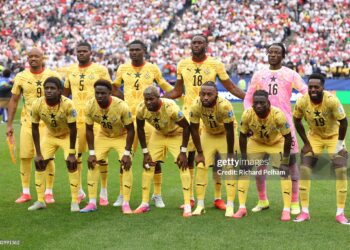
Start with the number that should stop anyone in their tracks: Ghana’s national team, the Black Stars, have not won a single match at an actual AFCON tournament since June 29, 2019 ; a 2-0 win over Guinea-Bissau in Egypt.
Even if you’re generous and count qualifiers, the last competitive win of any kind came on September 7, 2023, a nervy 2-1 comeback against the Central African Republic that got Ghana into the tournament by the skin of their teeth.
Since that 2019 win, it’s been a straight line down:
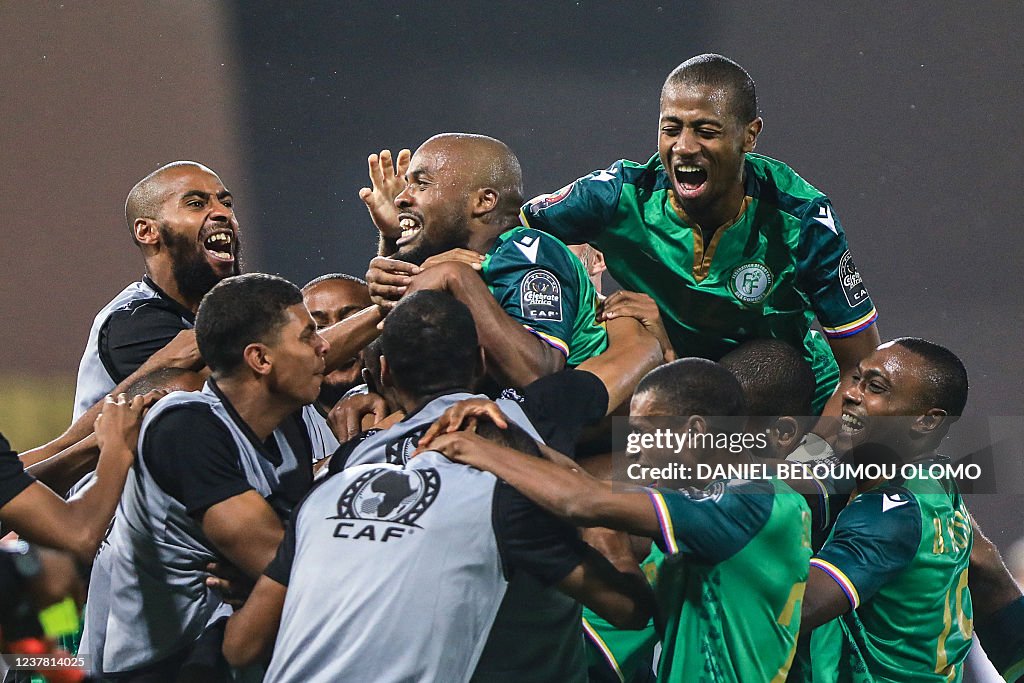
- 2021 AFCON (played in 2022):Dead last in their group, one point from three games, capped off by a 2-3 loss to debutants Comoros after Ghana’s captain was sent off.
- 2023 AFCON (played in 2024):Winless again. The low point: leading Mozambique 2-0 in the 90th minute of a must-win game, then conceding twice in stoppage time to crash out.
- 2025 AFCON cycle:Ghana didn’t even qualify. Bottom of their group, no wins against Angola, Sudan or Niger — the first time in 20 years the Black Stars missed the tournament entirely.
- 2027 qualifiers (ongoing):Two straight defeats to open the campaign, including a 2-4 collapse at home to The Gambia after leading 2-0.
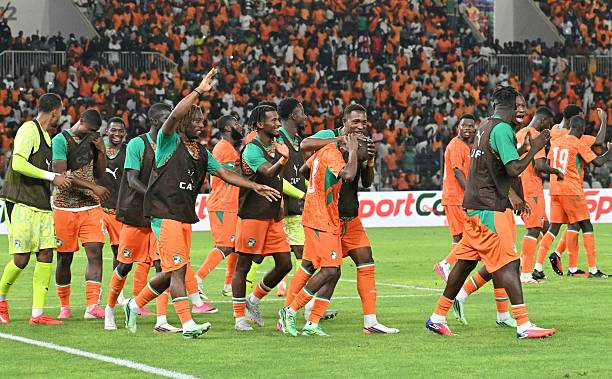
Six years. Four tournament cycles. Not one win. That’s not a slump — that’s an institution that has stopped functioning, and it’s fair to ask whether the people running it have simply run out of answers.
The word that stops every conversation: “ban”
Here’s where the argument usually gets shut down before it starts. Under FIFA’s Statutes Articles 14 and 19 governments aren’t allowed to unilaterally dissolve a football association.
Do it anyway, and FIFA can suspend the country from international football, potentially for years, and in the most extreme cases move to full expulsion under Article 15, forcing the country to rebuild a federation from zero and re-apply for membership ; a process that can take months to years on its own.
That sounds terrifying, and it’s the reason nobody in Ghanaian officialdom wants to say the word “dissolve” out loud. But look closely at how this has actually played out elsewhere, and the picture is less apocalyptic than the warnings suggest:

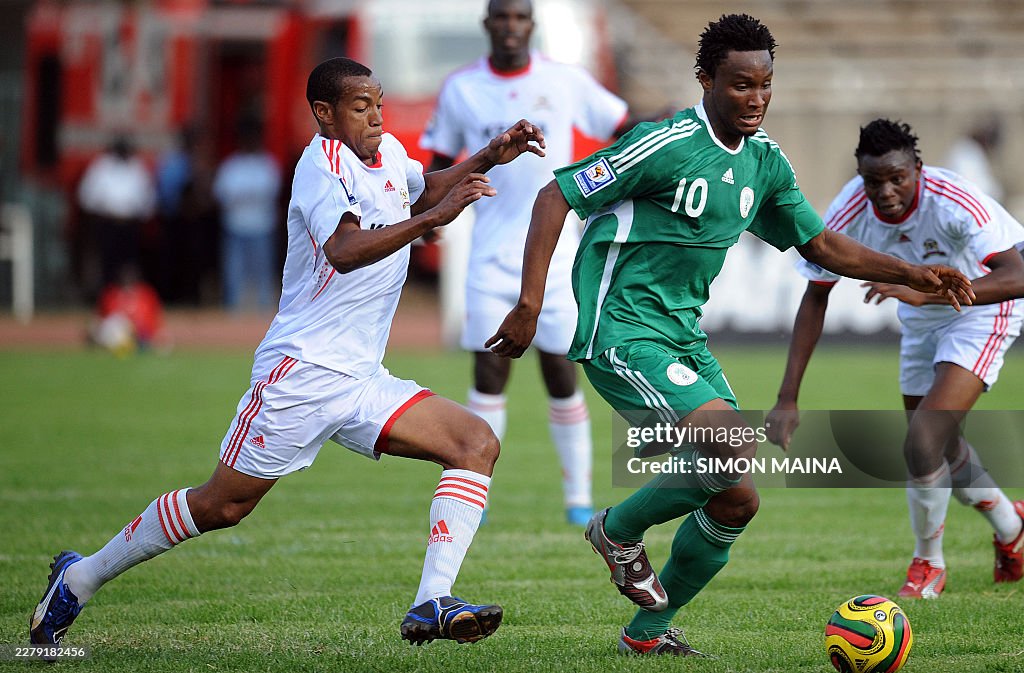
- Kenya (2021):Government dissolved its federation over corruption. Banned for 9 months, then reinstated.
- Zimbabwe (2021):Government suspended its federation’s executive over financial mismanagement. Banned for 17 months.
- Kuwait (2015):Government passed legislation to control its sports federations. Banned for 16 months.
- Brunei (2009):Government fully dissolved and replaced its federation. Banned for 20 months.
Every single one of these bans ended. Every one of these countries came back into international football.
None of them were expelled outright, and none of them stayed frozen out indefinitely because in every case, once the government did the actual reform work FIFA was asking for, the suspension lifted.
The “ban” isn’t a life sentence. It’s closer to a forced timeout uncomfortable, costly in the short term, but survivable, and in each of these cases it was the very thing that finally forced overdue structural change through.
Compare that to Ghana’s current trajectory: no ban, no forced reset, and still six years without a single tournament win. At some point, “at least we’re not banned” stops being much of a consolation.
The gentler option ; and its limits
There is a softer route that avoids a suspension entirely: a normalisation committee, where the government works with FIFA to install a temporary, FIFA-approved body to run the federation’s affairs while new leadership is elected. Because FIFA signs off on it, there’s no violation of Article 14, and no ban.
Senegal is the textbook case. After their federation effectively collapsed following a disastrous 2008 AFCON exit, the sports ministry flew to FIFA’s Zurich headquarters and agreed on a Normalisation Committee, which oversaw the transition to a newly elected board without any international suspension.
More recently, when Senegalese football hit turbulence again ; chaotic scenes at the 2025/26 AFCON final and public infighting after a rocky 2026 World Cup exit
the government didn’t touch the federation’s structure at all, simply restricting its public statements while pushing quietly for accountability.
It’s a real option, and it’s worth understanding. But it’s also worth being honest about what it actually requires: a federation and a government that both genuinely want to cooperate on reform, and a federation willing to hand over real control, even temporarily.
A normalisation committee only works if the people already in charge are willing to admit the current model has failed and step back voluntarily and the last six years of silence, denial, and the same faces surviving crisis after crisis doesn’t exactly inspire confidence that this GFA would choose that path on its own.
The choice in front of Ghana
Here’s the uncomfortable truth underneath all the legal language: every serious route to fixing Ghanaian football a normalisation committee or a forced dissolution requires the current structure to be broken open, one way or another. The only question is whether that happens with the GFA’s cooperation, or over its objection.
A ban, on the evidence of Kenya, Zimbabwe, Kuwait and Brunei, is not the doomsday scenario it’s made out to be. It’s a matter of months, not decades, and in every case it produced exactly the kind of reset that a voluntary process never quite managed to force through on its own.
🎥 🇬🇲 “Over the past few months, the Black Stars have normally left space down the flanks. In transition, they play with double wingers, and the full-backs become wide wingers.”
The Gambia head coach Jonathan McKinstry explains how he stopped the Black Stars.#CitiSports pic.twitter.com/igY3zyAcsc
— Citi Sports (@CitiSportsGHA) September 30, 2026
Set that against six straight years of Ghanaian football going nowhere, and “we might get temporarily suspended” starts to look like a smaller risk than “we keep doing this indefinitely.”
The choice belongs to Ghana’s policymakers now. But if the last six years are any indication of what happens when nothing changes, doing nothing might be the costliest option of all.