

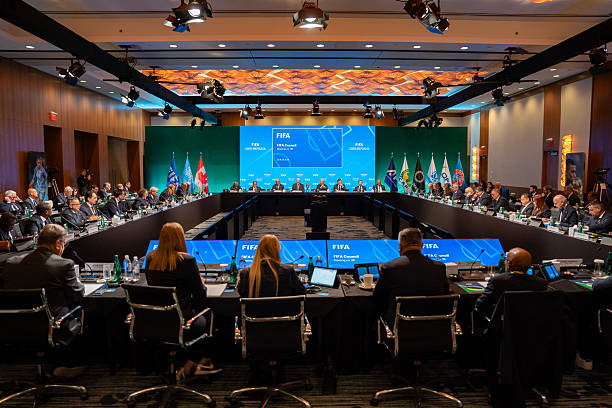
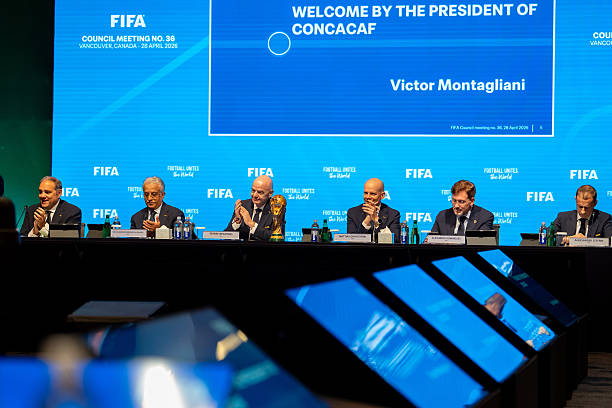
FIFA president Gianni Infantino faces growing pressure from some of football’s most powerful leaders as the 37-member FIFA Council meets in Zurich on Thursday, October 15, to discuss governance, finances and controversial decisions.
The meeting comes after Infantino abandoned plans to bring private investors into FIFA’s commercial operations. It also follows calls from leaders of three continental confederations for changes at the top of world football’s governing body.
The failed FIFA Forward Enterprise (FFE) proposal is expected to feature prominently, alongside FIFA’s financial reserves, disciplinary procedures, governance reforms and the FIFA Peace Prize awarded to United States President Donald Trump.
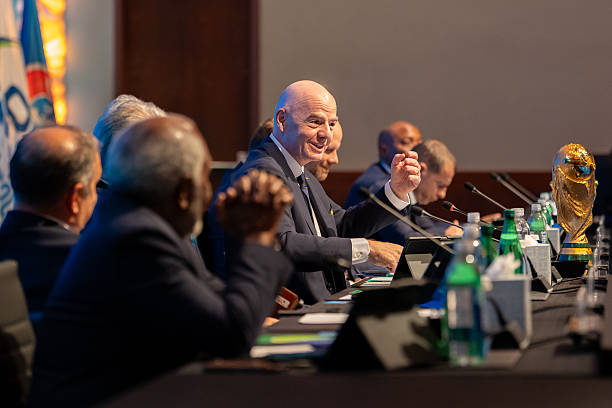
The abandoned investment plan
Infantino announced the FFE initiative in July, proposing to sell a minority stake in a FIFA commercial subsidiary to private investors. The plan reportedly involved selling a 20 per cent stake in commercial rights linked to FIFA competitions, including the World Cup.
The proposal drew criticism over transparency and the lack of consultation with FIFA Council members and national associations before its announcement.
Although the plan was withdrawn within days, the fallout continues. UEFA president Aleksander Ceferin, Asian Football Confederation president Sheikh Salman bin Ebrahim Al Khalifa and CONCACAF president Victor Montagliani have called for changes in FIFA’s leadership.
The Council is expected to discuss the abandoned proposal and broader governance reforms, including possible measures to limit the president’s executive powers.
Balogun disciplinary controversy
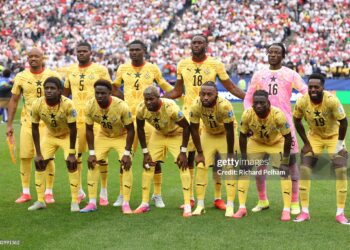
The handling of United States forward Folarin Balogun’s suspension at the 2026 World Cup is another issue expected to come under scrutiny.
Balogun was sent off against Bosnia and Herzegovina on July 1 and initially received a one-match suspension. FIFA’s disciplinary committee later overturned the ban, allowing him to play against Belgium in the round of 16. The United States lost that match 4-1.
The decision drew criticism after Trump revealed that he had personally asked Infantino to review the punishment. Infantino has denied involvement in the disciplinary committee’s decision.
FIFA is reportedly considering changes to its rules to prevent a repeat of the controversy. Football Association chair Debbie Hewitt and other officials have also called for documents relating to the case to be released.
Questions over FIFA’s Peace Prize
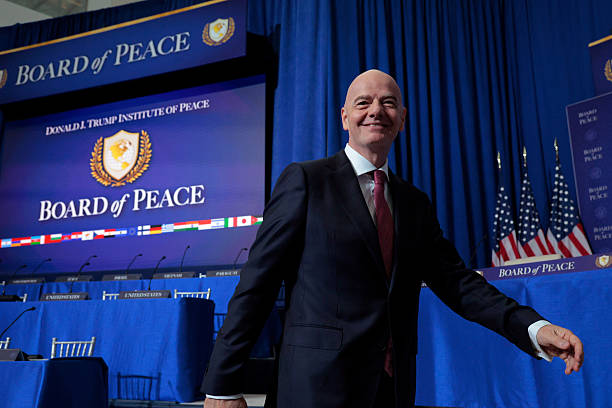
The inaugural FIFA Peace Prize, awarded to Trump at the 2025 World Cup draw in Washington, is also likely to attract attention.
Critics have questioned the circumstances surrounding the creation of the award and its presentation to the US president. Complaints have also been submitted to FIFA’s ethics and governance officials.
The controversy has added to concerns about Infantino’s relationship with political leaders and the independence of FIFA’s decision-making.
Financial reserves and FIFA’s future
The Council will also examine FIFA’s financial reserves and the funding available to its 211 member associations.
UEFA and CONCACAF have called for more development funding to be released to member associations, offering an alternative to the abandoned investment proposal.
The issue is significant for national federations, particularly smaller associations that rely heavily on FIFA’s development programmes to finance football projects.
The meeting comes as Infantino prepares to seek re-election in March 2027. Potential challengers face a November 18 deadline to submit their nominations and must secure the required backing from national associations.
Despite the growing criticism, Infantino retains support from significant sections of world football, including leaders in Africa and South America.
The key question in Zurich is whether his critics can secure meaningful governance changes or whether the meeting will strengthen his position ahead of next year’s election.