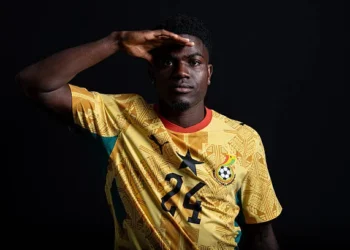


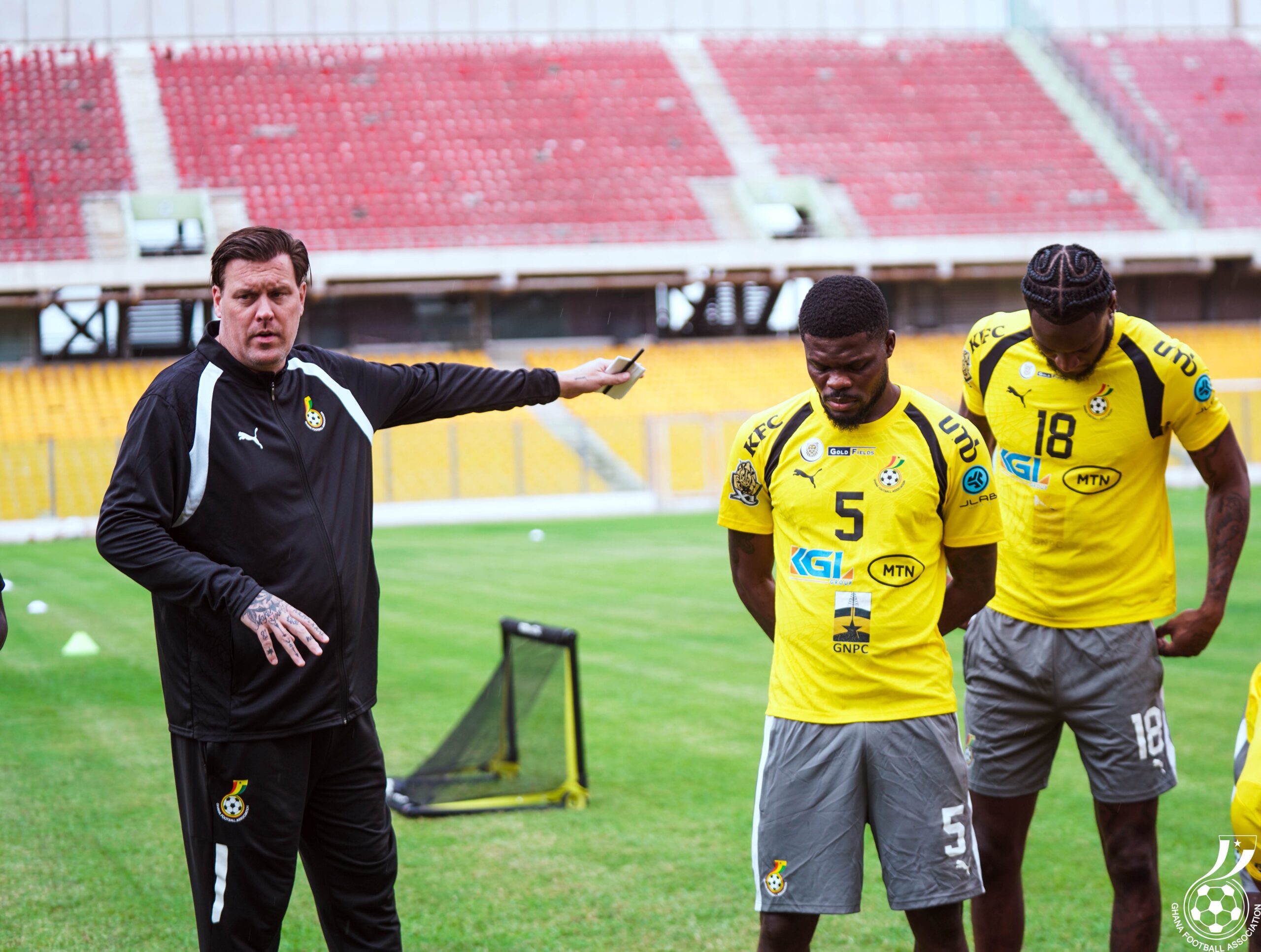
On Thursday afternoon in Sekondi-Takoradi, the Black Stars will face Somalia with a record that would trouble even a much smaller footballing nation: two qualifiers, two defeats and zero points. They lost 2-0 to Côte d’Ivoire before surrendering a 2-0 lead to suffer a 4-2 home defeat to The Gambia; a sad one for the Black stars
It is the latest setback for a team that failed to qualify for the 2025 Africa Cup of Nations in Morocco. Carlos Queiroz, who took charge after that disappointing campaign, is no longer in charge.
In his place is a Swedish coach with a background in women’s football, supported by two former Black Stars players who have built coaching careers in Ghana’s domestic game. His squad brings together players returning from injury and fresh faces from the Ghana Premier League.
Now comes a double-header that could define Ghana’s World Cup qualifying campaign. Six points would revive their hopes and put them back in contention. Anything less, particularly dropped points against a Somalia side without a home stadium of its own, would raise questions that go beyond tactics.
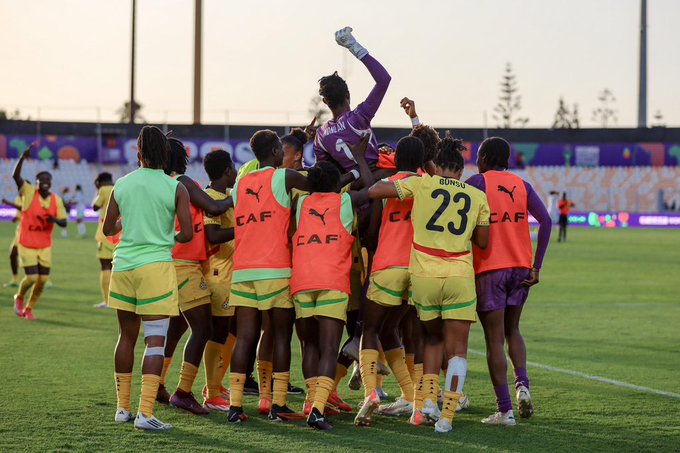
🎥 🇬🇭 Massive celebrations at full time as the Black Queens beat Côte d’Ivoire 2-1 to secure qualification for the Women’s World Cup intercontinental play-off tournament.
#CitiSports Credit: MAX TV https://t.co/L80JoRQSIi
— Citi Sports (@CitiSportsGHA) August 13, 2026
What Blackstars Ghanaians should expect
Before the names and the numbers, here is the short version of what Björkegren’s approach is likely to look like on Thursday.
It is drawn from how he set up the Black Queens, so treat it as an informed expectation and not a team sheet. The good news is that there is a real record to draw from, with wins, losses and lessons.
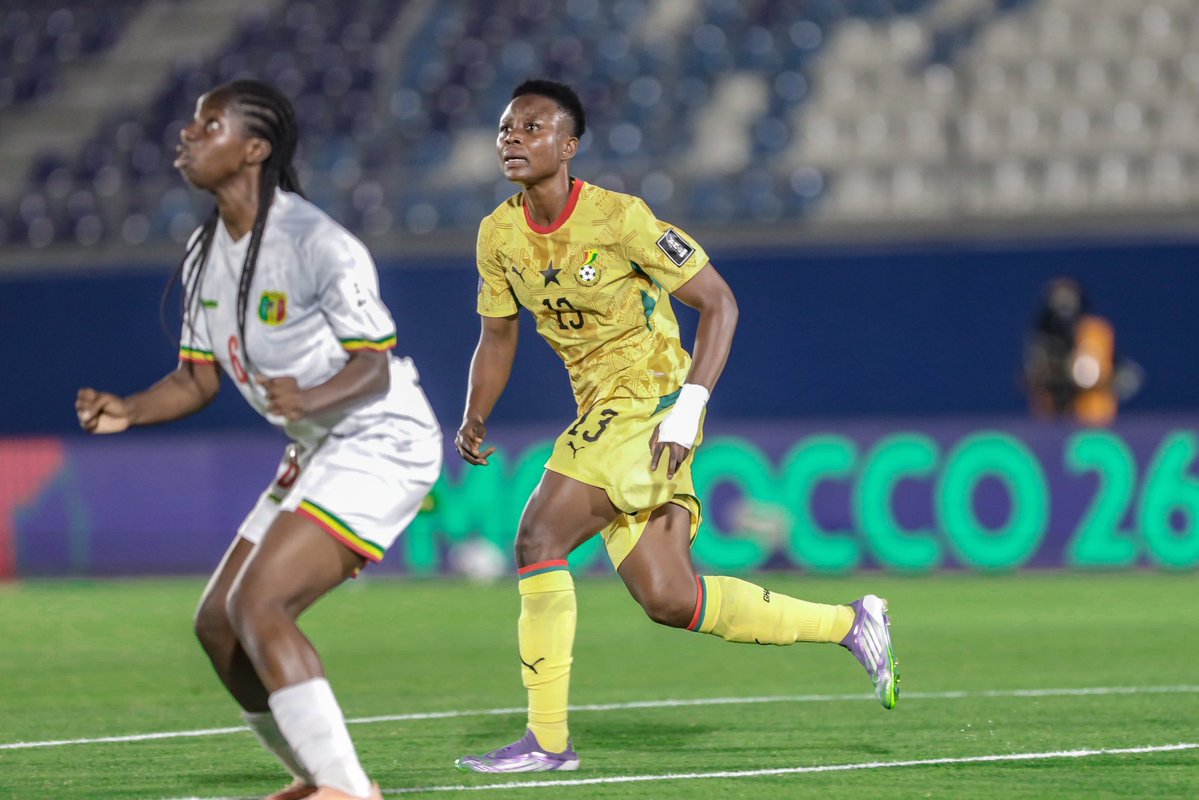
Team play: press from the first whistle, then keep the ball. The clearest recent example is the Queens’ 2-0 win over debutants Cape Verde in the opening game of the 2026 Women’s Africa Cup of Nations. Ghana pressed from the start and scored inside six minutes through Doris Boaduwaa , the high press, “as promised” by the coach, was causing problems early on.
From there Ghana controlled possession and the tempo, restricted Cape Verde to very few chances, and the goalkeeper was rarely called into action.
Tactics: press, adapt, repeat. Björkegren’s teams have shown they can change a plan in the middle of a tournament.
- At the 2024 WAFCON, the Queens opened with a 2-0 loss to South Africa, where the high press left gaps behind the defence. In the next games the press was reworked. Against Tanzania it was more compact, and a late winger kept the attacking intensity up in a 4-1 win. In the semi-final against hosts Morocco, the same analysis says the press was aimed at Morocco’s weaker left flank, which led to a first-half goal.
- At the 2026 WAFCON, Cameroon’s own press disrupted Ghana in the first half and the Queens struggled to control midfield. Björkegren changed things at the restart, bringing Evelyn Badu on for Ajegipina Zakaria, and later added Princess Marfo. Ghana dominated possession after the break and pushed Cameroon deep, but lost 1-0 after a late equaliser was ruled out for offside by VAR.
Ghana Black Queens🇬🇭 have been placed in Group D alongside Cameroon, Mali and Cape Verde in the 2026 Women’s AFCON in Morocco.
The tournament will begin from the 17th of March to 3rd April, 2026.
#CitiSports #WAFCON #BlackQueens https://t.co/hY2glx6nHd
— Citi Sports (@CitiSportsGHA) January 15, 2026
Style: pragmatic, and good at managing a lead. Against Cape Verde, once Ghana were ahead, Björkegren brought on fresh legs (Alice Kusi, Princella Adubea, Abena Opoku and Evelyn Badu) to keep the intensity up and protect the clean sheet. In the qualifier against Egypt, the Queens produced a strong second-half performance to win the second leg 4-0 and the tie 7-0 on aggregate which has been a problem for the Black Stars
The warning sign. The approach has limits, and Björkegren has been honest about them. After the Queens lost 2-1 to Malawi in the 2026 quarter-final, he said his side started well but began to kick the ball “a little bit too long” at the end of the first half, which turned the game into a “ping-pong” affair that suited the opponent.
He said they spoke at half-time about controlling the ball more. It worked for a while, but not for long enough. If Ghana start launching it long against Somalia, expect the coach to say the same thing.
🎥 GOAL!!! T. Chawinga equalises for Malawi against the Black Queens.
12’ | Malawi 🇲🇼 1-1 Ghana 🇬🇭
#CitiSports credit: MAXTV https://t.co/p4C9NTaERZ
— Citi Sports (@CitiSportsGHA) August 9, 2026
In short: organised, direct and hard to break down, with the speed to hurt Somalia on the break, and a coach who changes things when they aren’t working. If it works, it won’t always be pretty for the neutral, but it should be effective.
The man in the dugout for the Blackstars
Kim Lars Björkegren did not arrive with a reputation in the men’s game. What he brings instead is a track record with the Black Queens, whom he guided to a bronze medal at the Women’s Africa Cup of Nations.
His Black Queens sides pressed high, moved the ball quickly and made adjustments mid-game. Formation-wise he has been flexible as the 2024 tournament describes a 4-3-3, while other descriptions of his approach point to two holding midfielders shielding the back four.
The common thread is balance: a refusal to overcommit forward at the expense of defensive stability, and quick, vertical attacks through pacey wide players.

It has not all been glory. After the bronze, this August’s WAFCON ended in a 2-1 quarter-final defeat to Malawi, which Björkegren called “maybe potentially the worst feeling” he has had in 20 years of coaching. That honesty tells you something about the man now in charge of the Black Stars.
He is an interim appointment, working alongside assistants Ibrahim Tanko and Godwin Attram, so nobody expects a revolution. What Ghana needs from him in the next six days is simpler: shape, structure and a clear plan.
The off-field backdrop is not simple. GFA President Kurt Okraku has said Björkegren has been dealing with 13 months of unpaid salary owed by the state. It is a heavy thing to carry into a rescue mission.
The squad: returns, redemptions and a few first-timers
Björkegren named 26 players, and the list reads like three stories at once.
The returns. Mohammed Kudus is back. The Tottenham Hotspur attacker missed all of Ghana’s international assignments in 2026, including the World Cup, because of injury. Captain Jordan Ayew returns after a groin problem kept him out of both previous qualifiers. Thomas Partey is back in the fold, and Alidu Seidu returns in defence.
The redemption. Daniel Kofi Kyereh has not played for Ghana since December 2022. A serious knee injury, an anterior cruciate ligament tear suffered in early 2023, derailed his international career. At 30, he is back, nearly four years later.
🎥 🇬🇭 25 Black Stars players trained at the Accra Sports Stadium, with Alidu Seidu the only absentee, as Ghana stepped up preparations for their 2027 AFCON qualifying double-header against Somalia.
Pius Asack @asacksportsGH reports.
#CitiSports https://t.co/2y3P8s2vWV
— Citi Sports (@CitiSportsGHA) November 10, 2026
The new faces. Björkegren has dipped into the Ghana Premier League to reward form: FC Samartex left-back Isaac Afful, Asante Kotoko’s Musa Hamzata, and two players from Medeama SC, Etse Dogli and Emmanuel Annor, who both earn first call-ups. That is a nice twist for a club whose Champions League campaign ended this season with a heavy defeat to TP Mazembe. Two of its players are now going to play for their country.
The full list
| Position | Players |
|---|---|
| Goalkeepers | Benjamin Asare, Lawrence Ati-Zigi, Joseph Anang |
| Defenders | Gideon Mensah, Isaac Afful, Alidu Seidu, Jerome Opoku, Jonas Adjetey, Kojo Peprah Oppong, Salisu Mohammed, Musa Hamzata |
| Midfielders | Caleb Yirenkyi, Etse Dogli, Thomas Partey, Rahim Ibrahim, Daniel Kofi Kyereh, Augustine Boakye, Ibrahim Sulemana |
| Attackers | Mohammed Kudus, Abdul Fatawu Issahaku, Emmanuel Annor, Ibrahim Osman, Prince Adu Kwabena, Brandon Thomas-Asante, Felix Afena-Gyan, Jordan Ayew |
The names who are not there matter too. Kwasi Sibo, who was in Queiroz’s World Cup squad, has been dropped. Antoine Semenyo, Ernest Nuamah and Elisha Owusu are not on the list either.
What the XI could look like for blackstars
Nobody outside the camp knows Björkegren’s team, so this is an educated guess based on his Black Queens blueprint and the players available. In a 4-2-3-1:
| Role | Likely pick | Why |
|---|---|---|
| Goalkeeper | Lawrence Ati-Zigi | The most experienced option in a three-man group. |
| Back four | Seidu, Opoku, Adjetey, Mensah | A mix of recalled experience and established centre-backs. Afful is the left-back challenger. |
| Double pivot | Partey and Yirenkyi | Partey is the anchor Björkegren’s system is built around. Yirenkyi offers energy beside him. Sulemana is the alternative. |
| Attacking three | Fatawu, Kudus, Ibrahim Osman | Pace on the flanks for direct counters, with Kudus in the free role. |
| Striker | Jordan Ayew or Brandon Thomas-Asante | Ayew brings leadership. Thomas-Asante brings the pressing the coach prizes. |
Look at what that shape does. It puts Partey and a partner in front of a defence that conceded four against The Gambia. It gives Kudus room to hurt a team that, on paper, should sit deep. And it makes space for the wide pace of Fatawu and the others to turn possession into runs.
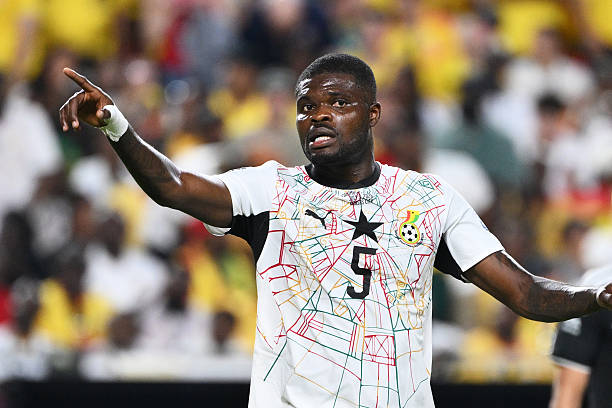
The wildcard is Kyereh. Nearly four years away from international football means rustiness is a risk, but few players in the squad can unlock a defence with a pass. If Ghana are chasing a game, expect him to be the first name off the bench.
The stakes, and the small print
Both teams enter the double-header with zero points. Somalia have no CAF-approved home stadium, so both legs are being played at the Essipong Sports Stadium in Sekondi-Takoradi, with Somalia staying in Ghana for their “home” fixture. The first game is Thursday 12 November at 15:00 GMT, and the second is Monday 16 November, same time, same ground.
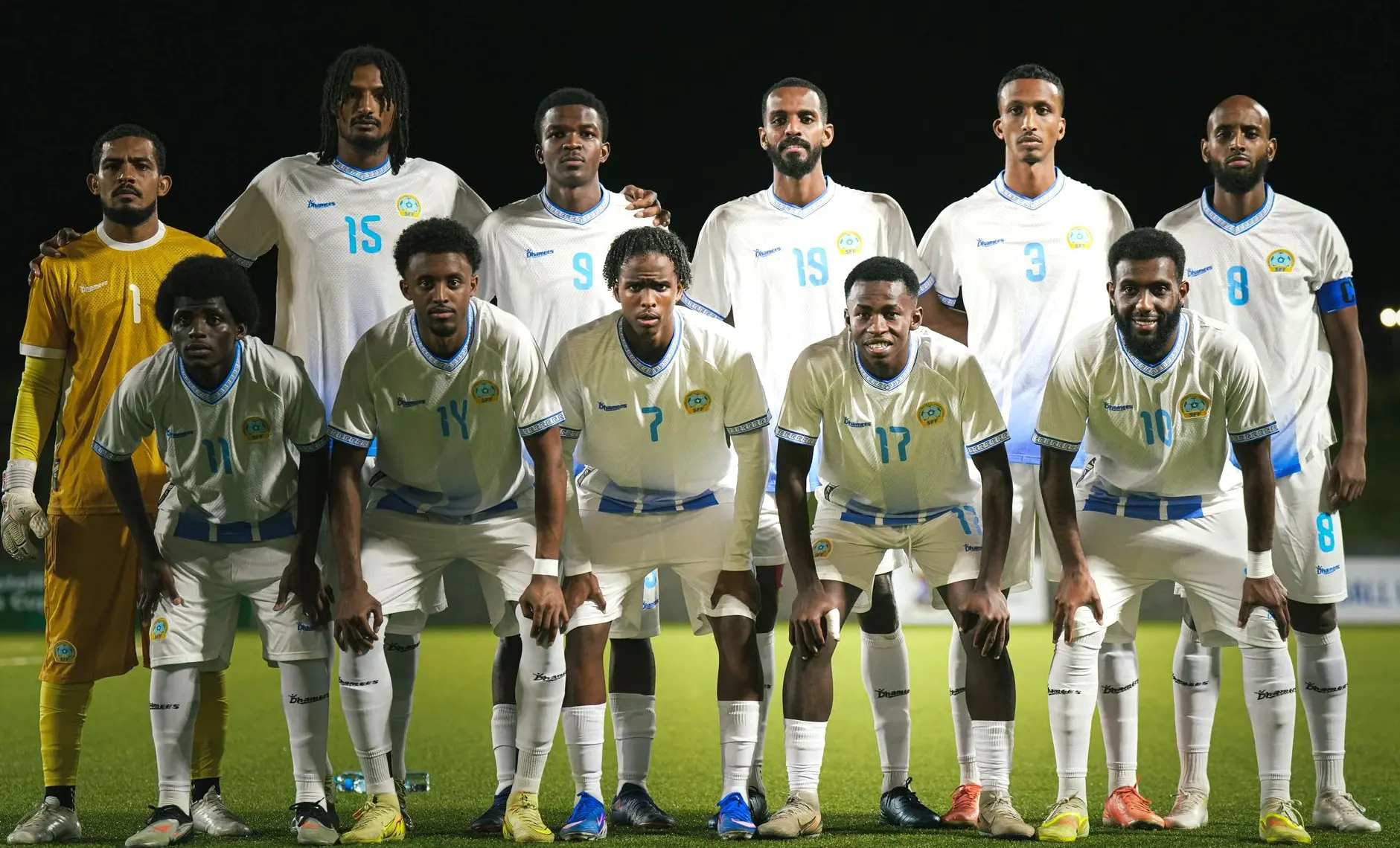
That arrangement removes one of the usual advantages of playing in front of your own people. It also removes any excuse for Ghana. They will play both matches in front of home fans, with a squad that has more pace, more experience and more quality than the opposition.
And yet, history says not to take that for granted. The Black Stars have been burned by teams they were expected to beat before.
The real question
Strip away the formations and the first call-ups, and this double-header asks something simple: can Ghana do the basic things again? Defend a lead. Control a midfield. Score when the chances come. Win a match they are supposed to win.
Björkegren’s task is not to reinvent Ghanaian football in six days. It is to give a group of talented players a clear structure and a reason to trust each other, and then let them play.
If he can, Thursday will be the first step back. If he can’t, the questions about Ghana’s football will get louder very quickly.