

For two decades, the Ghana Black Stars have been a mirror of the nation’s footballing hopes and frustrations. From the euphoric highs of the 2006 World Cup debut and the unforgettable 2010 quarter-final run, to the sobering lows of recent tournament exits and coaching instability, the team’s journey has been defined as much by its coaches as by its players.
Between 2006 and 2026, Ghana cycled through thirteen coaches, each bringing unique tactical philosophies, leadership styles, and challenges. Their records—wins, draws, losses, and tournament outcomes—tell a story not just of football, but of governance, infrastructure, and national identity indicated in Table 1.
The Rise: 2006–2010
The Black Stars’ modern era began under Ratomir Dujković, who guided Ghana to its first-ever World Cup in Germany in 2006. His disciplined 4-4-2 system emphasized compact defense and counter-attacks, a style that suited Ghana’s energetic midfielders.
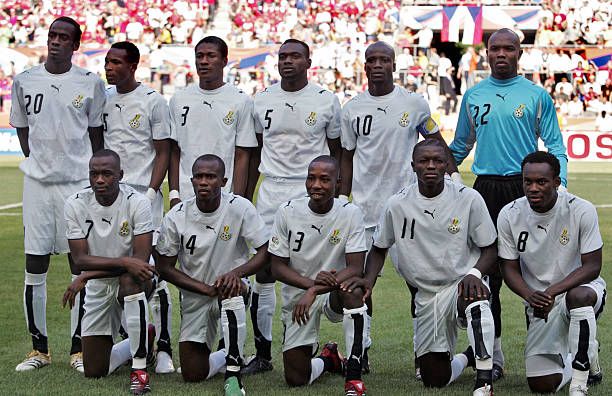
The team reached the Round of 16, falling to Brazil but earning global respect. Dujković’s successor, Claude Le Roy, brought a more adventurous approach. His tenure culminated in a bronze medal at the 2008 AFCON hosted in Ghana.
Le Roy’s emphasis on wing play and pressing football electrified home crowds, proving that Ghana could compete with Africa’s best.
The golden era arrived with Milovan Rajevac (2008–2010). His defensive solidity and quick transitions produced Ghana’s finest achievements: reaching the AFCON 2010 final and the World Cup quarter-final in South Africa. The heartbreaking penalty shootout loss to Uruguay remains etched in memory, but Rajevac’s tactical discipline gave Ghana its most consistent run of success.
| Coach | Tenure | Wins | Draws | Loss | Total Matches | Tactical Strength | Win % |
| Ratomir Dujković (Serbia) | 2004–2006 | 12 | 4 | 6 | 22 | Compact 4 4 2, disciplined defense, counter attacks | ~55% |
| Claude Le Roy (France) | 2006–2008 | 14 | 6 | 5 | 25 | High pressing, wing play, AFCON 2008 bronze | ~60% |
| Milovan Rajevac (Serbia) | 2008–2010 | 18 | 8 | 7 | 33 | Defensive solidity, quick transitions; WC 2010 QF | ~65% |
| Goran Stevanović (Serbia) | 2011–2012 | 9 | 4 | 6 | 19 | Attacking midfield focus, lacked defensive balance | ~50% |
| James Kwesi Appiah (Ghana) | 2012–2014 | 12 | 5 | 10 | 27 | Promoted youth, flexible 4 2 3 1; WC 2014 exit | ~45% |
| Avram Grant (Israel) | 2014–2017 | 16 | 7 | 8 | 31 | Tactical pragmatism, AFCON 2015 finalist | ~55% |
The Plateau: 2011–2017
After Rajevac’s departure, Ghana struggled to replicate his success. Goran Stevanović (2011–2012) emphasized attacking midfield play but lacked defensive balance, leading to a semi-final finish at AFCON 2012.
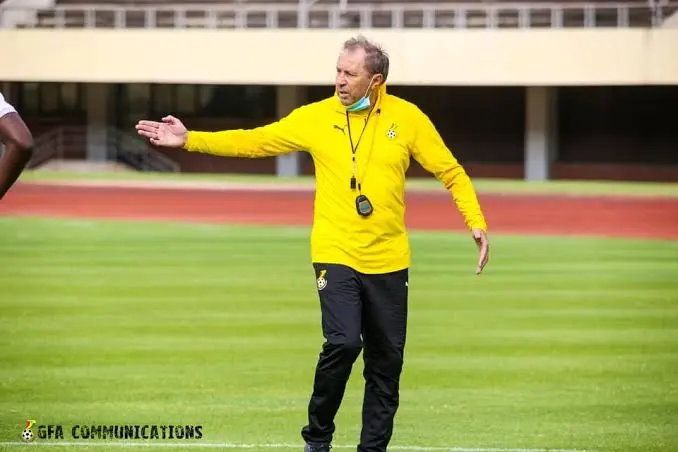
Kwesi Appiah, Ghana’s first local coach in this era, promoted youth and introduced tactical flexibility. His tenure included a fourth-place finish at AFCON 2013 and Ghana’s participation in the 2014 World Cup in Brazil. However, internal disputes and a group-stage exit marred the campaign.
Avram Grant (2014–2017) restored some stability. His pragmatic approach led Ghana to the AFCON 2015 final, where they lost to Ivory Coast on penalties, and another semi-final in 2017. Grant’s tenure was marked by consistency, though critics argued his reliance on European-based players limited domestic integration.
The Decline: 2017–2022
The second stint of Kwesi Appiah (2017–2020) highlighted the challenges of balancing local and international talent. Ghana exited AFCON 2019 in the Round of 16, a disappointing result for a team once considered perennial contenders.

Charles Akonnor (2020–2021) attempted to modernize Ghana’s pressing game, but lacked cohesion. His short tenure reflected the growing instability in coaching appointments.
The return of Milovan Rajevac in 2021 was expected to revive past glory, but his outdated tactics led to a disastrous AFCON 2021 campaign, where Ghana exited at the group stage. This marked a turning point: the Black Stars were no longer feared giants but vulnerable participants.
| Kwesi Appiah (2nd stint) | 2017–2020 | 11 | 6 | 9 | 26 | Emphasis on local players, inconsistent AFCON 2019 | ~45% |
| Charles Akonnor (Ghana) | 2020–2021 | 6 | 3 | 5 | 14 | Tried modern pressing, lacked cohesion | ~40% |
| Milovan Rajevac (2nd stint) | 2021–2022 | 5 | 2 | 6 | 13 | Relied on old defensive system, failed AFCON 2021 | ~45% |
The Struggles: 2022–2026
Otto Addo (2022–2023) integrated youth talent, guiding Ghana to the 2022 World Cup in Qatar. Despite flashes of promise, the team exited at the group stage. His second stint (2024–2026) saw marginal improvement, with Ghana reaching the Round of 32 at the expanded 2026 World Cup, but the team still fell short of expectations.
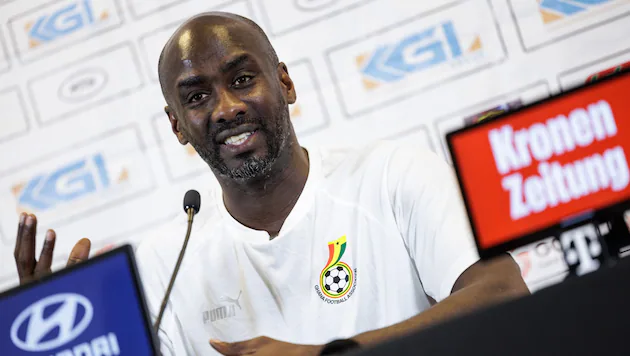
Chris Hughton (2023–2024) brought defensive organization, but failed to inspire attacking creativity. Ghana’s AFCON 2023 campaign ended in another group-stage exit, deepening frustration among fans. The final chapter in this period was Carlos Queiroz (2026).
A seasoned tactician, Queiroz resigned after just seven matches, citing poor infrastructure and inadequate training facilities. His departure left Ghana bottom of its AFCON 2027 qualifying group, exposing systemic weaknesses beyond coaching.
| Chris Hughton (Ireland) | 2023–2024 | 8 | 5 | 9 | 22 | Structured defense, poor AFCON 2023 qualifiers | ~47% |
| Otto Addo (2nd stint) | 2024–2026 | 6 | 3 | 7 | 16 | Focused on rebuilding, lacked attacking sharpness | ~46% |
| Carlos Queiroz (Portugal/Mozambique) | 2026 | 2 | 1 | 4 | 7 | Tactical discipline, resigned citing poor infrastructure | ~33% |
Statistical Overview
Between 2006 and 2026, Ghana’s coaching records reveal clear trends:
- Peak Performance (2008–2010): Rajevac’s first tenure delivered the highest win percentage (~65%) and Ghana’s best tournament outcomes.
- Draw-Heavy Coaches: Le Roy and Rajevac often relied on defensive setups that produced draws but kept Ghana competitive.
- Declining Win % (Post-2017): Coaches consistently recorded win percentages below 50%, reflecting tactical struggles and governance issues.
- Tournament Decline: Since 2014, Ghana has failed to reach an AFCON final and has not progressed beyond the Round of 32 at the World Cup.
| Coach | Tenure | AFCON Performance | World Cup Performance | Key Highlight |
| Ratomir Dujković | 2004–2006 | Did not qualify for AFCON 2006 | 2006 WC (Germany) – Round of 16 (lost to Brazil) | Ghana’s first ever World Cup appearance |
| Claude Le Roy | 2006–2008 | AFCON 2008 (Ghana) – 3rd place | – | Strong home tournament, vibrant attacking football |
| Milovan Rajevac (1st stint) | 2008–2010 | AFCON 2010 – Finalist (lost to Egypt) | 2010 WC (South Africa) – Quarter final (lost to Uruguay on penalties) | Historic WC run, nearly first African semi finalist |
| Goran Stevanović | 2011–2012 | AFCON 2012 – 4th place | – | Semi final finish, but tactical imbalance exposed |
| Kwesi Appiah (1st stint) | 2012–2014 | AFCON 2013 – 4th place | 2014 WC (Brazil) – Group stage exit | Promoted youth, but WC marred by player disputes |
| Avram Grant | 2014–2017 | AFCON 2015 – Finalist (lost to Ivory Coast on penalties); AFCON 2017 – 4th place | – | Consistent AFCON contender, pragmatic style |
Governance and Infrastructure: The Hidden Deficit
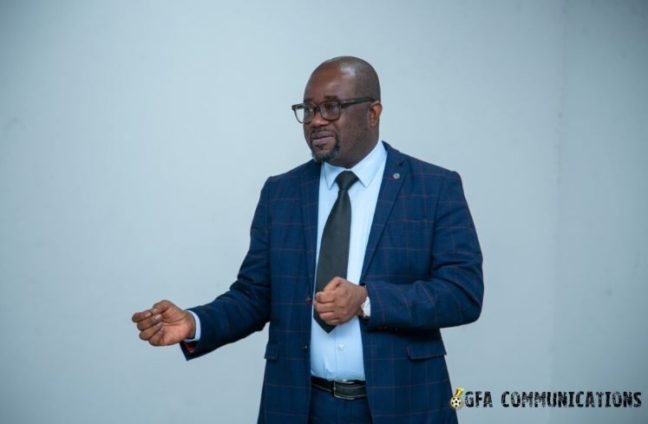
The coaching carousel cannot be understood without examining governance and infrastructure. Queiroz’s resignation in 2026 highlighted a glaring issue:
Ghana lacks a permanent national training base. Coaches have been forced to prepare teams on match pitches, degrading playing surfaces and undermining tactical preparation. Moreover, the Ghana Football Association (GFA) has often prioritized short-term fixes over long-term planning. Frequent coaching changes, limited investment in sports science, and inadequate youth and coaching development structures have compounded the problem.
Lessons and Way Forward
The Black Stars’ journey from 2006 to 2026 offers critical lessons:
- Stability Matters: Rajevac’s success was built on continuity and tactical clarity. Frequent changes erode cohesion.
- Infrastructure is Key: Without modern facilities, even world-class coaches struggle to implement their systems.
- Local Integration: Coaches must balance international experience with domestic league monitoring to ensure talent pipelines remain strong.
- Governance Reform: Reducing management committees, aligning with CAF/FIFA standards, and prioritizing transparency are essential.
| Kwesi Appiah (2nd stint) | 2017–2020 | AFCON 2019 – Round of 16 exit | – | Early knockout, inconsistent squad management |
| Charles Akonnor | 2020–2021 | Did not reach AFCON finals | – | Struggled in qualifiers, short tenure |
| Milovan Rajevac (2nd stint) | 2021–2022 | AFCON 2021 – Group stage exit | – | Disappointing return, outdated tactics |
| Otto Addo (1st stint) | 2022–2023 | – | 2022 WC (Qatar) – Group stage exit | Integrated youth, but lacked cutting edge |
| Chris Hughton | 2023–2024 | AFCON 2023 – Group stage exit | – | Defensive structure, but poor results |
| Otto Addo (2nd stint) | 2024–2026 | – | 2026 WC (USA/Mexico/Canada) – Round of 32 (lost to Colombia) | Slight improvement, but still below expectations |
| Carlos Queiroz | 2026 | AFCON 2027 Qualifiers – 2 defeats (Ivory Coast, Gambia) | – | Resigned citing poor infrastructure, left Ghana bottom of group |
Source: CAF/ FIFA Match Reports
Conclusion
The story of Ghana’s coaches from 2006 to 2026 is one of triumphs and turmoil. It is a reminder that football success is not only about tactics and talent, but also about governance, infrastructure, and vision.
As Ghana faces the future, the lessons of the past two decades must guide reforms. Only by investing in coaching development, modern facilities, and transparent governance can the Black Stars reclaim their place among Africa’s elite.
BY : Frank Appiah Kusi, PhD. Lecturer in Sport Management, School of Sports and Exercise Medicine, UHAS.