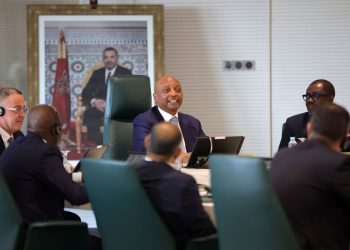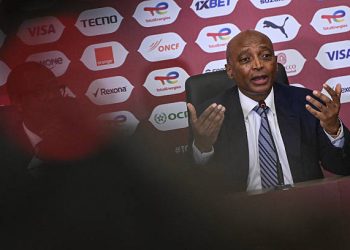



The fallout from CAF’s controversial decision to award the 2025 AFCON title to Morocco is almost certain to extend beyond the continent’s football structures and into the global legal arena, specifically the Court of Arbitration for Sport (CAS).
For Senegal, CAF, and Morocco, the process is not just legal, it is procedural, technical, and expensive.
Why CAS?
CAS is recognised as the final arbiter for most international sports disputes, including those involving confederations like the Confederation of African Football. It handles governance disputes, disciplinary appeals, and eligibility issues across sport.
In this case, Senegal’s route is an appeal to arbitration, challenging the CAF Appeals Board’s ruling that stripped them of the AFCON title and handed it to Morocco.
What happens at CAS
- Filing the appeal
Senegal must first file a Statement of Appeal within a strict deadline set by CAF statutes, usually 21 days. This includes legal arguments, evidence, and the relief sought, likely reinstatement as champions.
A non-refundable filing fee of $1,262 must be paid for the case to even be registered.
- Constitution of the panel
CAS then forms an arbitral panel, either:
- A sole arbitrator, or
- A three-member panel, which is more common in high-stakes disputes like continental titles
Each party typically nominates an arbitrator, with CAS appointing the panel president.
- Written submissions
Both sides exchange detailed legal briefs:
- Senegal submits its full appeal arguments
- CAF and Morocco respond
- A second round of submissions may follow
This stage is evidence-heavy, involving match reports, disciplinary records and regulatory interpretation.
- Hearing phase
CAS may hold:
- An in-person hearing in Lausanne, Switzerland, or
- A virtual hearing, which can reduce costs
This stage is where witnesses, experts and legal representatives are examined.
- Deliberation and award
The panel deliberates and issues a binding arbitral award, which can:
- Uphold CAF’s decision
- Overturn it
- Modify sanctions or outcomes
CAS decisions are final, with only limited appeal possible to the Swiss Federal Tribunal on procedural grounds.

Financial implications: What it costs to fight at CAS
CAS litigation is not cheap, especially for a case of this magnitude.
- Upfront and administrative costs
- Filing fee: $1,262 (non-refundable)
- Administrative costs: typically $2,525 to $31,564, depending on case complexity
- Advance on costs
Once the panel is formed, CAS sets an advance on arbitration costs, shared equally by the parties.
- These advances can run into tens of thousands of Swiss francs
- In some cases, estimates reach around $57, 251 or more, especially with a three-member panel
Failure to pay can lead to the case being terminated.
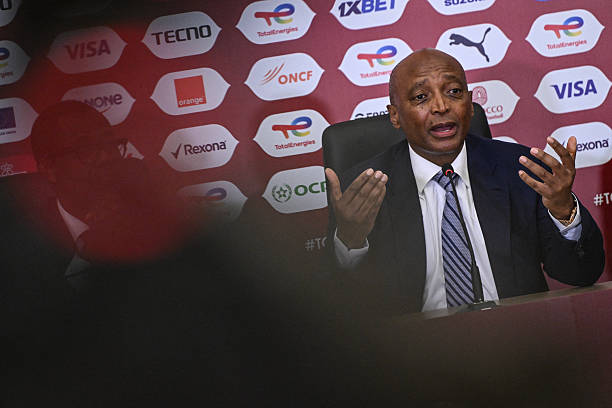
- Arbitrators, experts, and logistics
Costs include:
- Arbitrators’ fees and expenses
- Clerks, billed at $189 to $252 per hour
- Travel, accommodation, and hearing logistics
- Witnesses, interpreters, and expert reports
- Legal fees
Each party bears its own legal costs, which often exceed CAS administrative costs, especially in complex international disputes.
CAS may order the losing party to cover part of the winner’s costs, but this is not automatic.
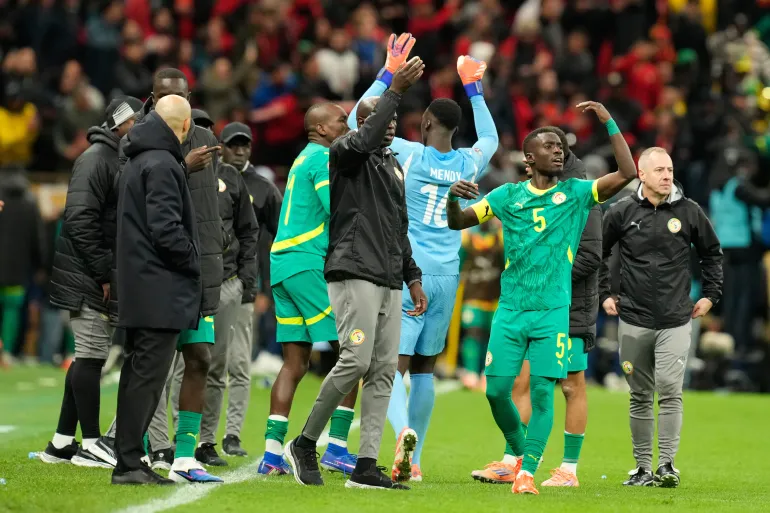
What is at stake
Beyond legal fees, the financial implications extend further:
- Prize money redistribution from AFCON
- Commercial rights and sponsorships
- Reputational damage for CAF and participating nations
For Senegal, the appeal is as much about restoring sporting integrity as it is about reclaiming financial and historical recognition.
A CAS case of this nature will test not only CAF’s disciplinary processes but also the credibility of African football governance.
It also highlights a broader reality, justice in global sport comes at a cost, and for federations and national teams, pursuing it requires both legal endurance and financial muscle.