

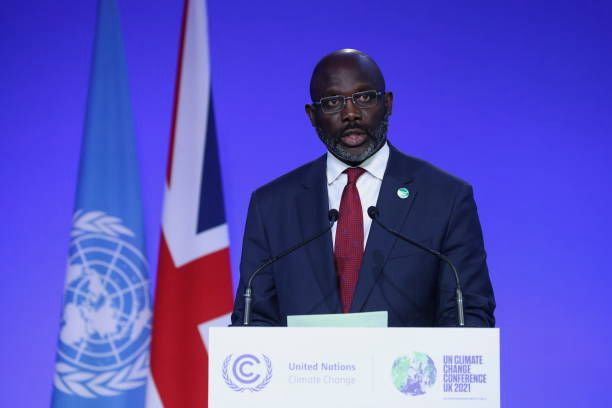
Former Ballon d’Or winner George Weah has strongly criticised the Confederation of African Football following its controversial decision to strip Senegal of the 2025 Africa Cup of Nations title and award it to Morocco.
The ruling, announced on March 17, came after CAF determined that Senegal’s brief walk-off during the final constituted a breach of its regulations, resulting in a 3–0 forfeiture in favour of the host nation. The decision has since sparked widespread debate across the football world.
Reacting in a post on his official Facebook page, Weah described the development as deeply damaging to the image of African football, warning that it risks eroding public trust in the sport’s governance structures.
“This decision has further scarred and blemished African football, undermining confidence in the fairness, consistency, and integrity of football on the continent. I call on the Court of Arbitration for Sport and other relevant authorities to move decisively so that this travesty does not stand.”
Weah also questioned the legitimacy of overturning a result after the conclusion of a match, insisting that football outcomes should be determined on the field of play in line with established rules.
“In football, the Laws of the Game are clear: the referee on the pitch is the final authority on decisions made during the match. Once play is allowed to continue and the match is completed, the result obtained on the field must stand.
Under the applicable rules of the Confederation of African Football (CAF), match officials have full authority during the game. CAF regulations are in line with the FIFA Laws of the Game, which provide that:
‘The referee has full authority to enforce the Laws of the Game in connection with the match to which he has been appointed, and his decisions on facts connected with play are final.’
— Law 5, Laws of the Game (applied by all Confederations including CAF competitions).”
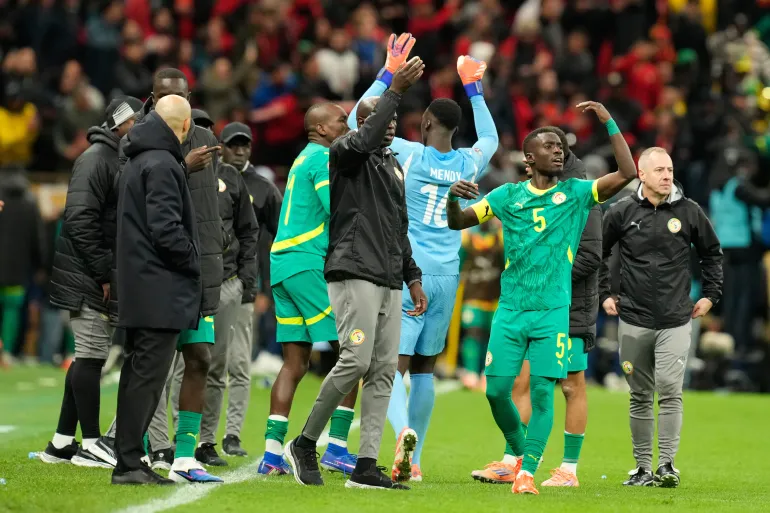
The former Liberia international further pointed to the handling of the match itself, noting that the referee allowed play to continue after Senegal’s protest and oversaw the completion of the game, including extra time, with a result decided on the pitch.

“Additionally, post match, the referee report noted a stoppage during the match, not a forfeiture and recommended appropriate sanctions for the infractions during the match.
For this reason, the subsequent decision by CAF committee, taken after the match had already been concluded, should not override the authority exercised by the referee during the game in keeping with the Laws of the Game – Law 5.
Football must be decided on the pitch, not re-decided after the final whistle.
There is therefore no sporting justification to nullify a match that was completed in accordance with the referee’s authority and the Laws of the Game otherwise the beautiful game will head down a slippery slope where committee room officials and not match officials will be making post match rulings to override referees on-field decisions like penalties, offside and red cards.”
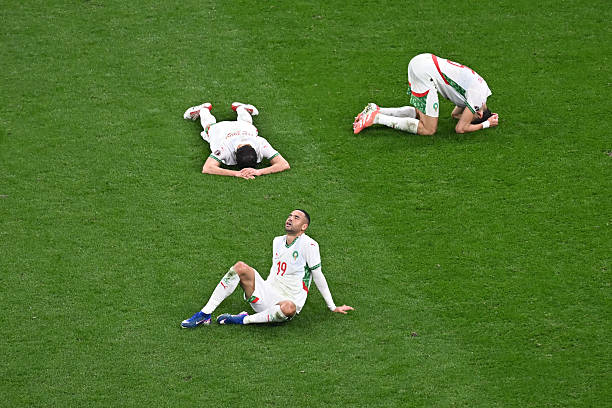
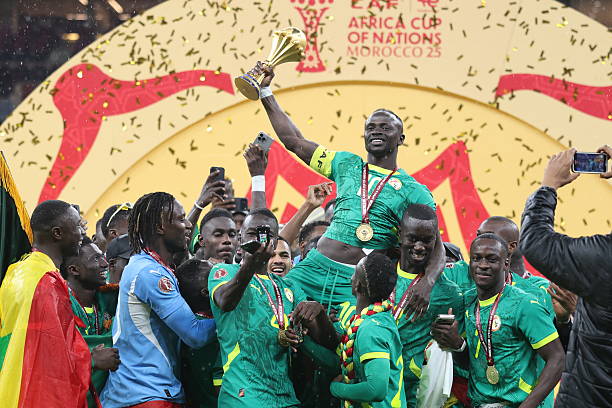
The controversy stems from the AFCON final played in Rabat on January 18, 2026, where Senegal initially secured victory on the pitch before CAF’s Appeals Board later overturned the result.
Senegal now have a 10-day window to challenge the ruling and are expected to take the case to the Court of Arbitration for Sport in Lausanne, as the dispute continues to raise serious questions about governance, consistency, and the credibility of decision-making in African football.