


Security concerns surrounding the 2026 FIFA World Cup have intensified after an Iran-linked hacking group claimed it had breached FBI surveillance systems and issued a warning involving teams participating in the tournament.
According to the SITE Intelligence Group, the group known as Handala alleged that it gained access to surveillance footage from FBI-operated drones and suggested that World Cup teams could be targeted.
Handala, which presents itself as a pro-Palestinian hacktivist collective, has been linked by U.S. authorities and Western intelligence analysts to Iranian state interests. The group has previously claimed responsibility for a series of cyberattacks targeting Israeli institutions and Western entities since late 2023.
In a statement cited by SITE, the hackers claimed they had monitored footage from first-person-view (FPV) drones allegedly used by the FBI for counterterrorism operations, including facial-recognition and licence-plate tracking systems.
The group also issued a direct threat related to the World Cup.
“Better tighten your World Cup security. We don’t like some of those teams at all. Don’t forget: FPVs are everywhere; you never know when one might end up right in your team’s bus.”
Despite the alarming message, questions have emerged regarding the credibility of the claims. SITE noted that one of the videos presented as evidence of the alleged breach appeared to originate from a promotional clip released by a software company in December 2024, raising doubts about whether Handala had actually compromised FBI systems.
The hacker group attracted international attention earlier this year when it claimed to have accessed the personal email account of FBI Director Kash Patel and subsequently published photographs and personal material online.
U.S. authorities continue to monitor the organisation closely. The United States Department of State has offered a reward of up to $10 million for information leading to the identification or location of individuals associated with Handala.
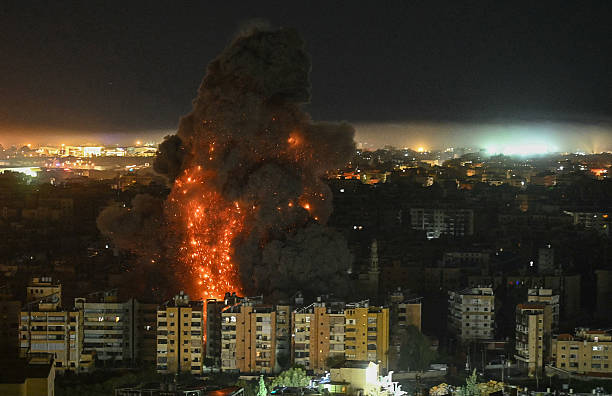
AFP covers the war in the Middle East through its extensive regional network, including bureaus in Tehran, Jerusalem, and several neighboring countries. Since the start of the conflict, journalists have been working under increasingly restrictive conditions. Authorities in several countries have limited reporters’ movements, photo and live video coverage from sensitive locations. Some governments and armed groups have banned images of missile or drone strikes and other security-related sites. /
The threat comes as security remains a major focus for the expanded 48-team World Cup being hosted across the United States, Canada and Mexico.
Federal, state and local agencies have deployed extensive security measures around stadiums, training bases and team transportation routes throughout the tournament.