

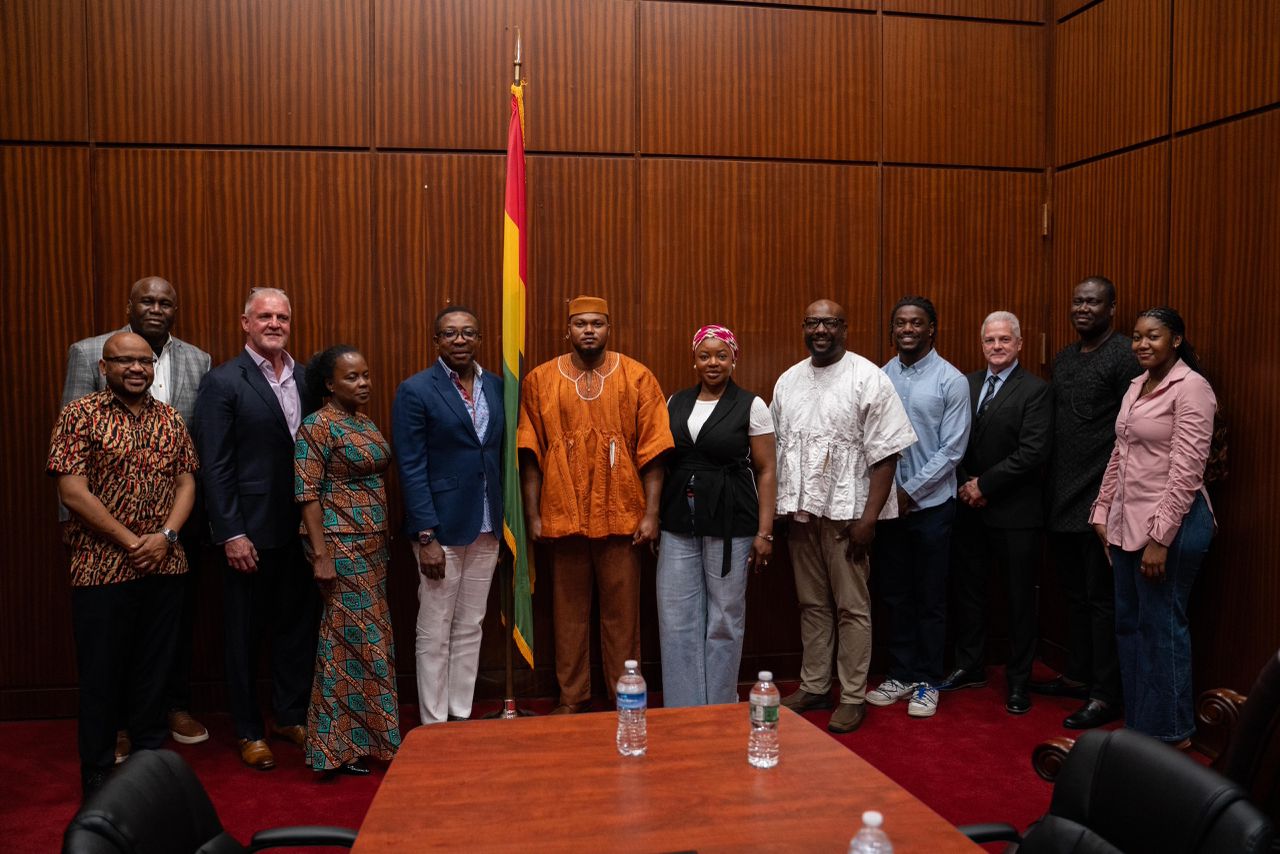
The Ghana Federation of American Football (GFAF) has officially launched its support for the Black Stars’ 2026 FIFA World Cup campaign through a strategic partnership with the Embassy of Ghana in Washington, D.C.
The engagement, which took place on May 29, 2026, marks a new chapter in sports diplomacy, with the federation positioning American football as a bridge for strengthening relations between Ghana and the United States.
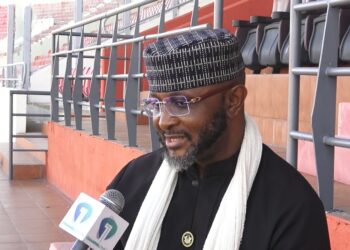
The GFAF delegation was led by Secretary General Mohammed Osman Nkosi and Senior Coaching Advisor Chadwick Louisville, who also serves as Head Coach of West Potomac High School in Alexandria, Virginia. The delegation was warmly received by Hon. Bernard Quantson, Head of the Consular Section, along with members of the embassy team.
The meeting underscored the growing collaboration between Ghanaian sports organisations and diplomatic missions abroad, with both sides exploring opportunities to leverage sport as a tool for national development and international engagement.
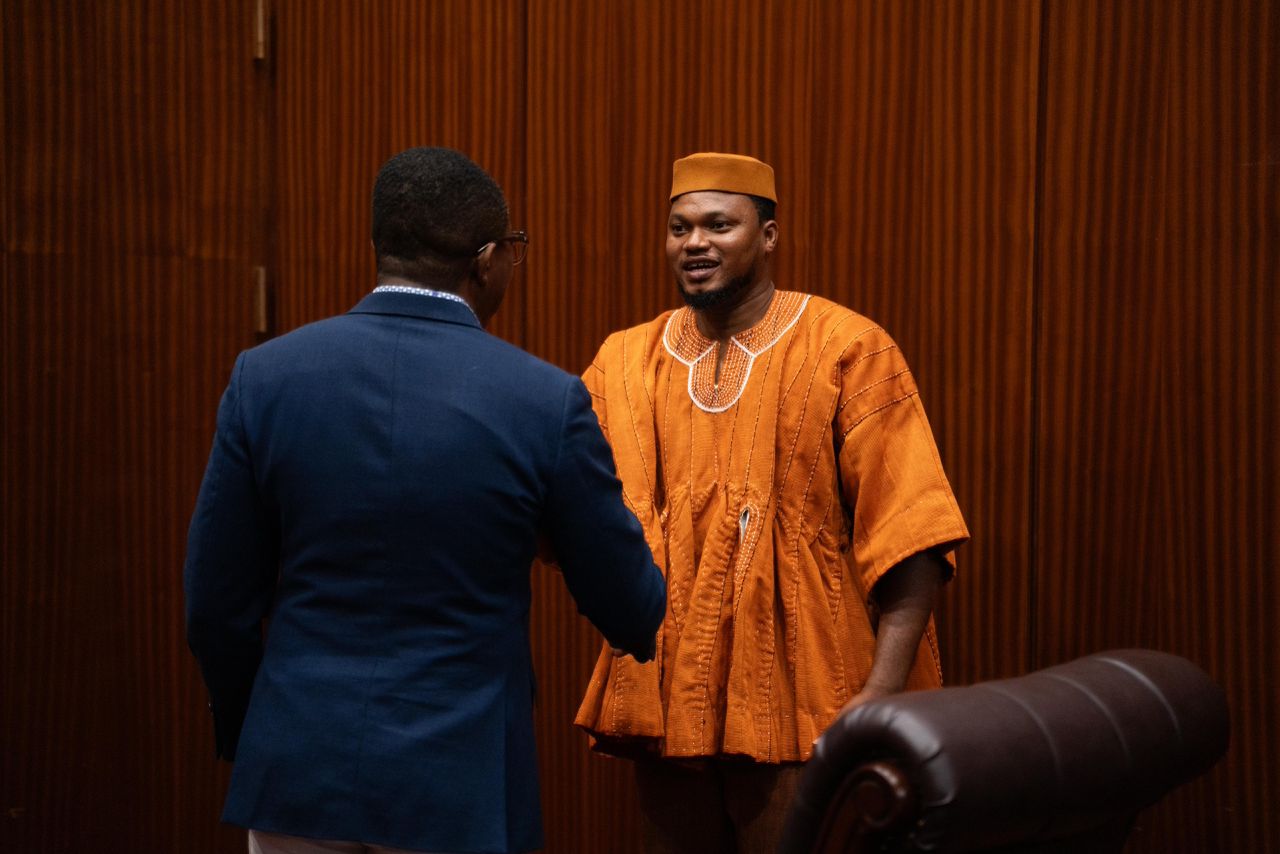
Speaking during the engagement, Mohammed Osman Nkosi highlighted the significance of the partnership and pointed to the growing global profile of American football.
He noted that the sport’s inclusion in the Los Angeles 2028 Olympic Games presents a major opportunity for athlete development and international cooperation.
“The importance of such partnerships is key, especially as American football is set to make its debut at the LA 2028 Olympic Games. This Olympic inclusion offers a clear target for athlete development and international collaboration over the next four years,” he said.
During the meeting, GFAF outlined its vision of using American football as a platform for cultural exchange while creating opportunities for Ghanaian youth both in Ghana and across the United States.
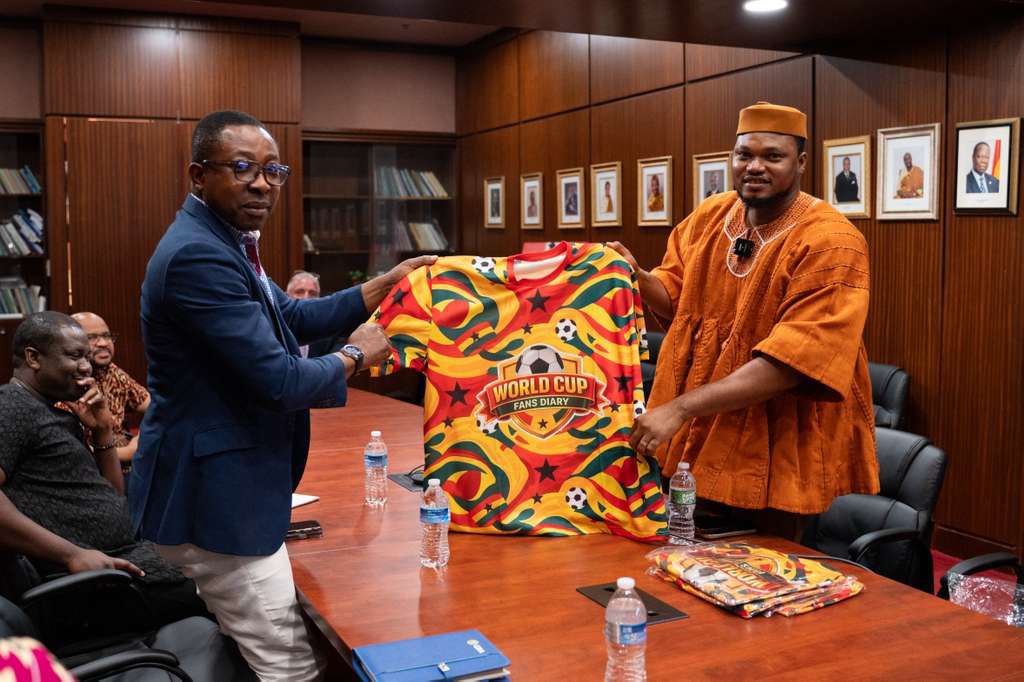 Among the initiatives discussed were coaching clinics, talent development pathways, educational exchange programmes, and other projects aimed at supporting the growth of the sport.
Both GFAF and the Ghana Embassy expressed a shared commitment to using sport as a catalyst for sustainable development, youth empowerment, diaspora engagement, and stronger Ghana–United States relations through athletic and cultural initiatives.