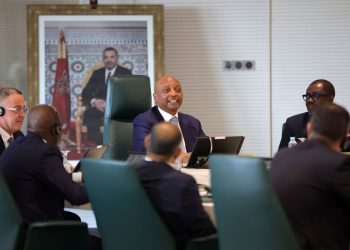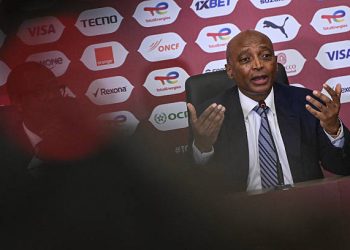


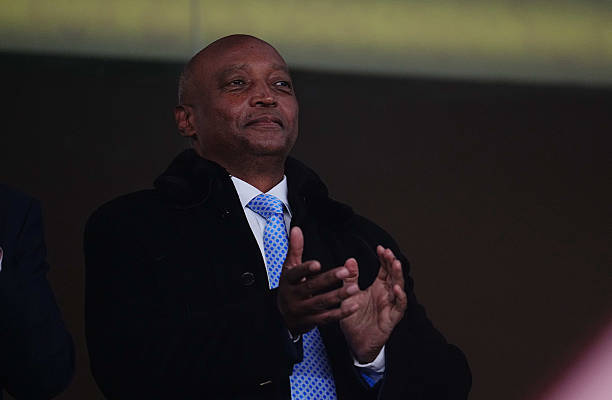
Confederation of African Football president Patrice Motsepe’s latest comments on the controversial 2025 AFCON final go beyond a routine response , they point to a deeper crisis facing African football.
While CAF has stood by its decision to strip Senegal of the title and award it to Morocco, Motsepe’s tone and messaging suggest the issue has evolved into something far bigger than a single match.
Below are the key takeaways and what they really mean.
1. CAF Fears a Credibility Crisis
Motsepe repeatedly referenced “integrity”, “ethics”, “governance”, and “credibility”.
Explainer:
This signals that CAF sees the situation as a threat to trust across the continent not just a controversial refereeing decision. The governing body is now battling a perception problem that could affect its authority long-term.
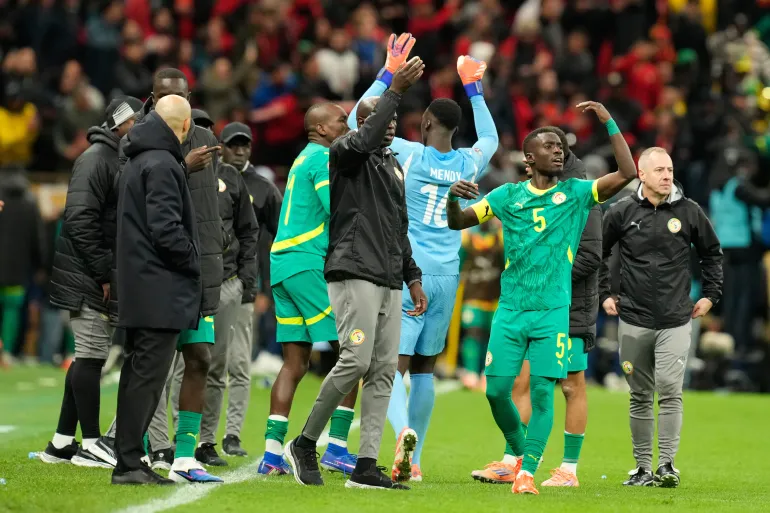
2. Subtle Admission Something Went Wrong
Without directly criticising the ruling, Motsepe referenced:
-
“incidences that undermined good work”
-
“deficiencies”
-
“need for improvement”
Explainer:
These phrases strongly suggest CAF acknowledges that the final ; whether through officiating, VAR decisions, or match control was not handled perfectly.
3. “Legacy Issue” Points to Deep-Rooted Distrust
Motsepe described ongoing suspicion in African football as a “legacy issue”.
Explainer:
This reflects long-standing concerns that:
-
Some nations receive favourable treatment
-
Host countries may have an advantage
The Senegal-Morocco controversy has reignited these long-held beliefs.

4. Strong Defence of Judicial Independence
Motsepe detailed how CAF selects its judicial bodies:
-
Independent lawyers and judges
-
Representation from all six CAF zones
-
Inclusion across 54 member associations
Explainer:
CAF is actively trying to protect the legitimacy of its Appeals Board decision, especially as scrutiny intensifies.
5. Conflicting Rulings Raise Questions
The case has seen:
-
One outcome from the Disciplinary Board
-
A different verdict from the Appeals Board
Explainer:
This inconsistency fuels confusion and speculation, making CAF appear divided and weakening confidence in its decision-making process.
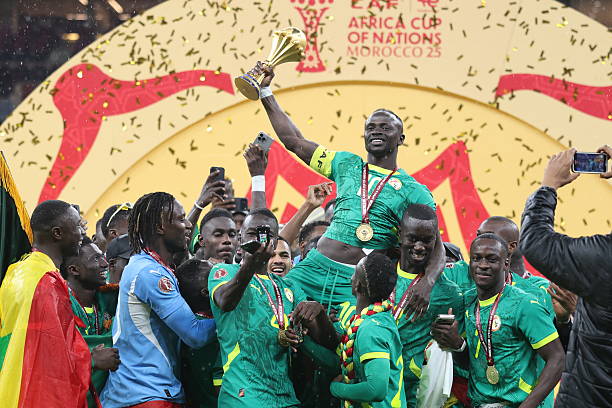
6. Backing Senegal’s Appeal – A Strategic Move ?
Motsepe has openly welcomed Senegal’s decision to challenge the ruling.
Explainer:
This achieves two things:
-
Projects transparency
-
Shifts the final responsibility to a higher authority like the Court of Arbitration for Sport
In effect, CAF is allowing external validation of its process.
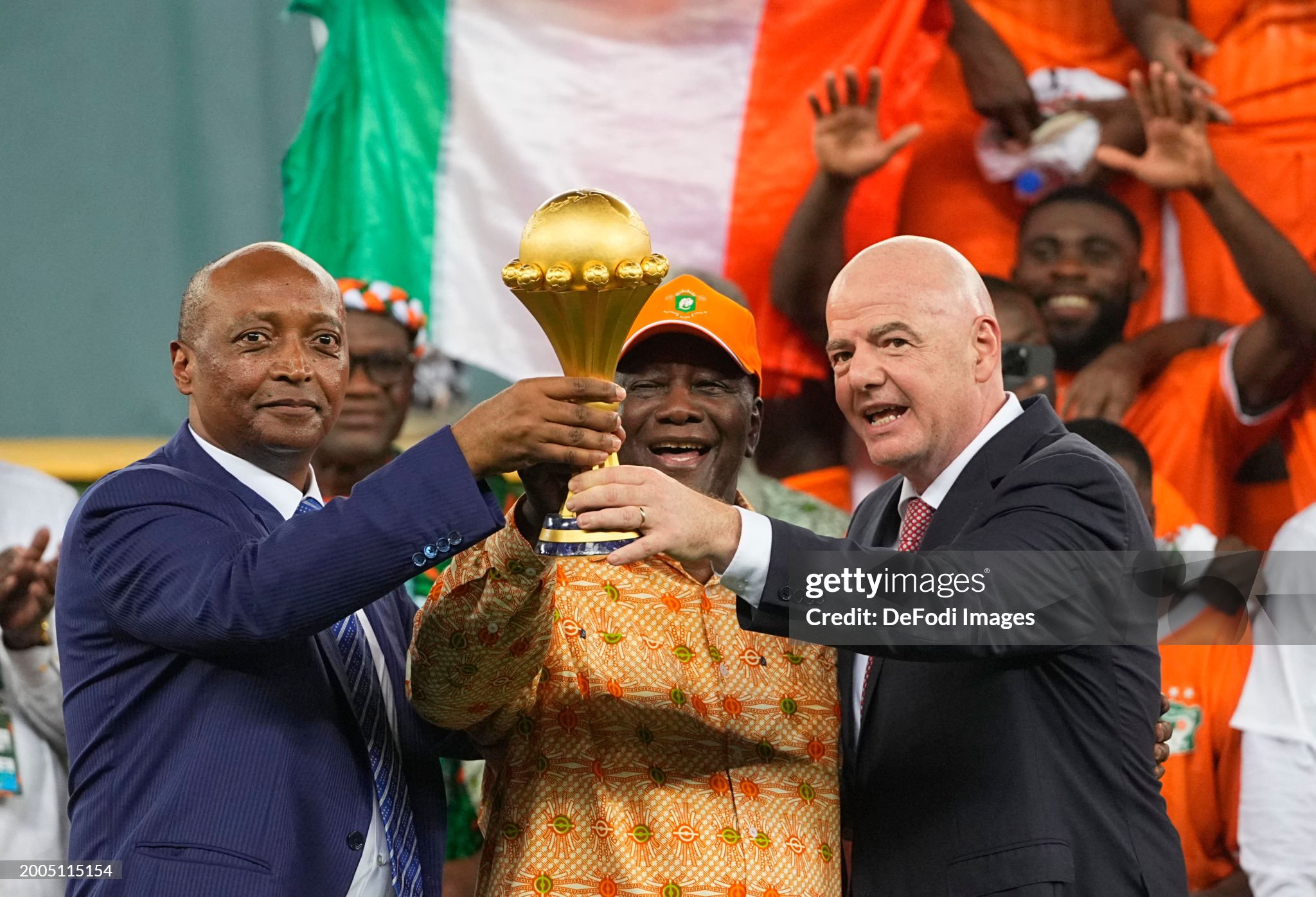
7. “No Favouritism” Message Targets Public Doubts
Motsepe stressed that no nation would be treated more favourably than another.
Explainer:
This directly addresses widespread belief that Morocco may have benefited as hosts highlighting how strong that perception has become.
8. Focus on Fan Perception
A key theme in Motsepe’s comments was that fairness must not only exist it must be seen.
Explainer:
CAF understands that even correct decisions lose value if fans do not trust them. This is a reputational battle as much as a regulatory one.
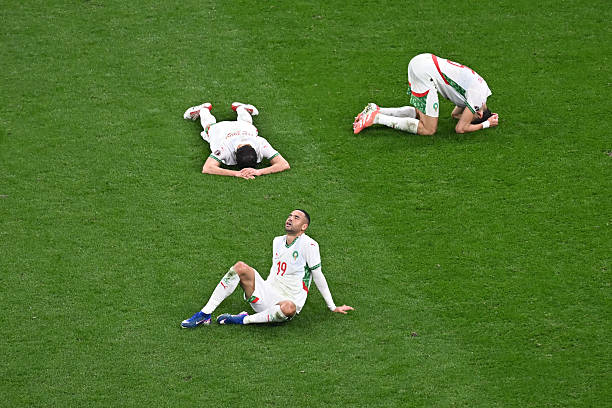
9. Reform Promises Without Detail
Motsepe confirmed that:
-
“important steps” are underway
-
“deficiencies” will be addressed
Explainer:
Likely focus areas include:
-
VAR operations
-
Refereeing standards
-
Match management
However, no concrete reforms have been announced yet.
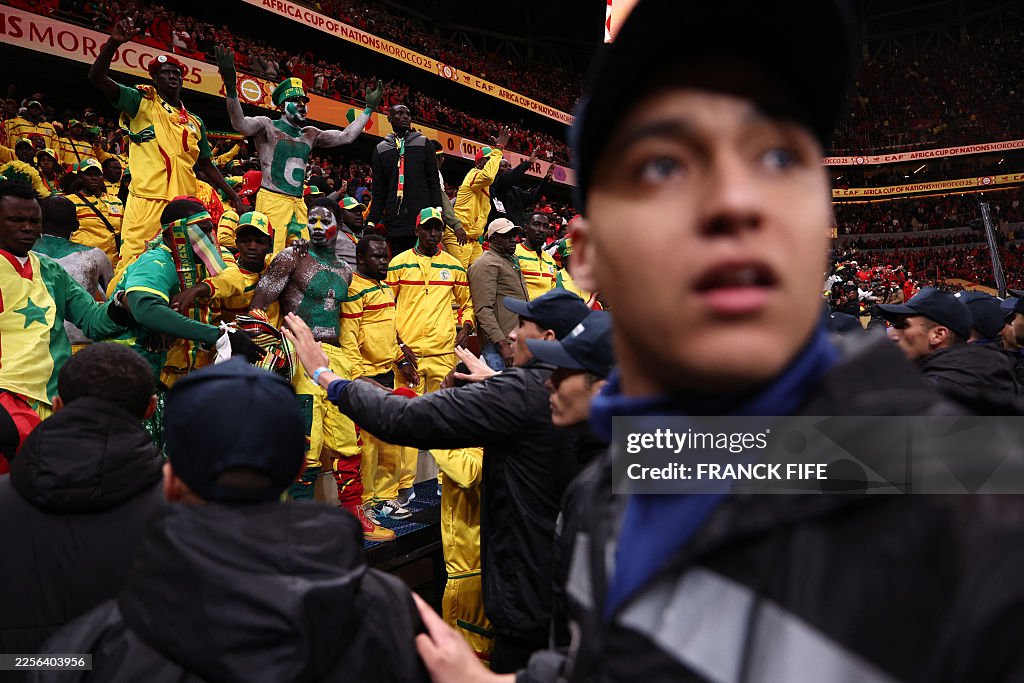
Big Picture
This controversy is no longer just about a final result.
It reflects a broader struggle within African football between:
-
Authority vs Trust
-
Decisions vs Perception
-
Governance vs Credibility
The Senegal-Morocco dispute has exposed deeper structural and reputational challenges within CAF.
The next steps particularly any ruling from the Court of Arbitration for Sport could define not just the outcome of AFCON 2025, but the future credibility of football governance on the continent.