

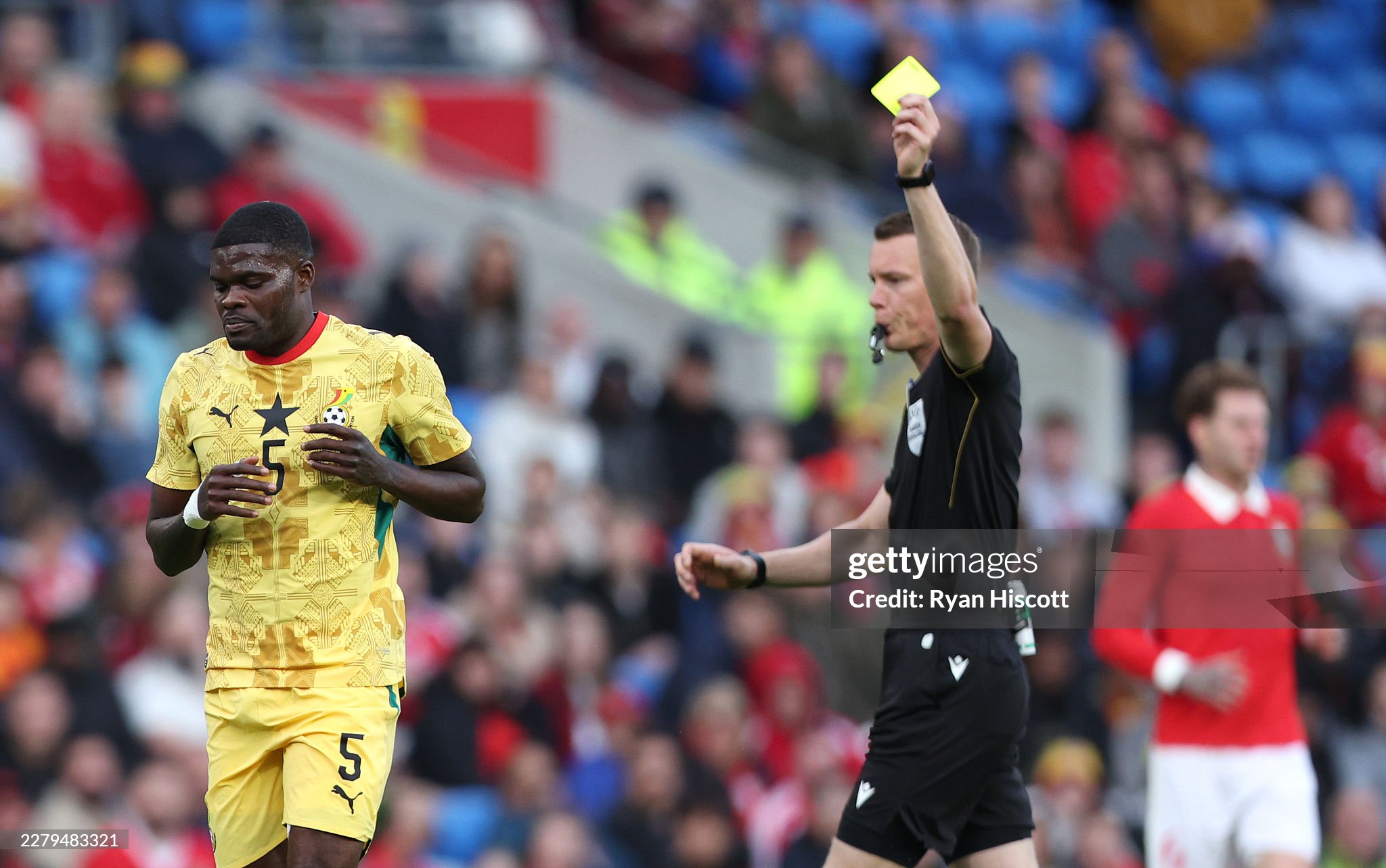
Though not on the same level as the political drama series playing out in the backdrop of the 2026 World Cup as a result of the United States of America’s war with Iran, the 2018 FIFA World Cup had major political characteristics written all over it.
Perhaps the reason for the understated political tone for the 2018 edition was down to Russia hosting the competition almost four full years after annexing Crimea compared to the United States hosting this year’s tournament in the heat of the Iran-US war though at the time of writing, a peace deal has been reached.
Looking at the multiple times, US President Donald Trump has stated that a deal had been struck with Iran only for the opposite to be true, the latest version of “we’ve struck a deal- in Trump’s voice” should definitely be taken with a big grain of salt.
In Russia in 2018, one of Africa’s representatives and easily its best, Senegal, missed out on progressing to the round of 16 stage.
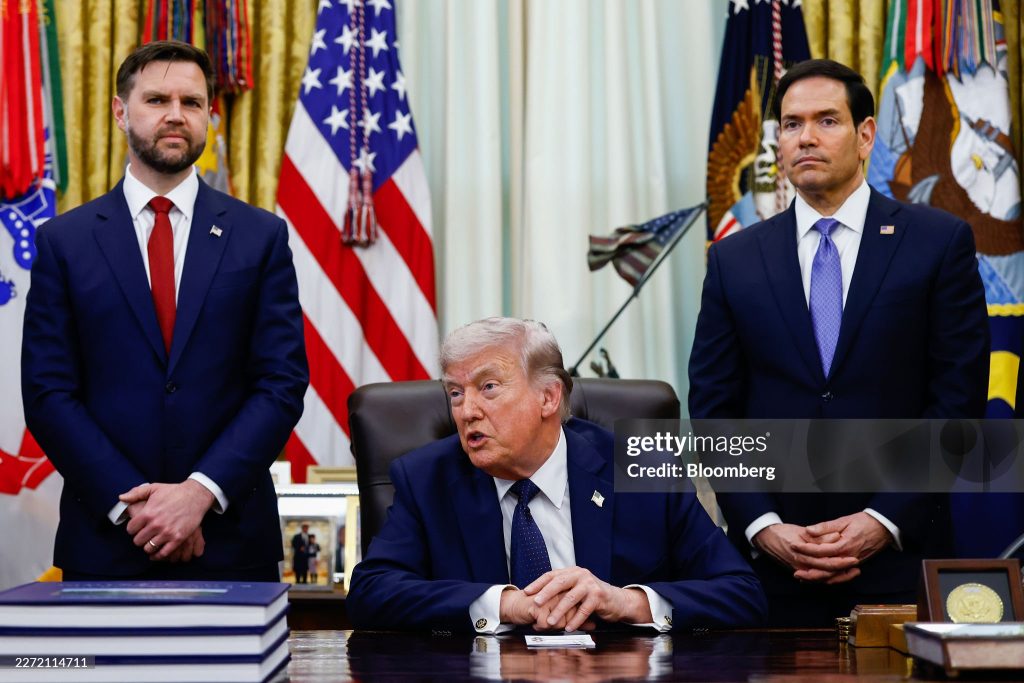
The Teranga Lions’ elimination meant that no African nation made it beyond the group phase but unlike the others, Senegal’s elimination wasn’t down to tallying few points but on disciplinary grounds.
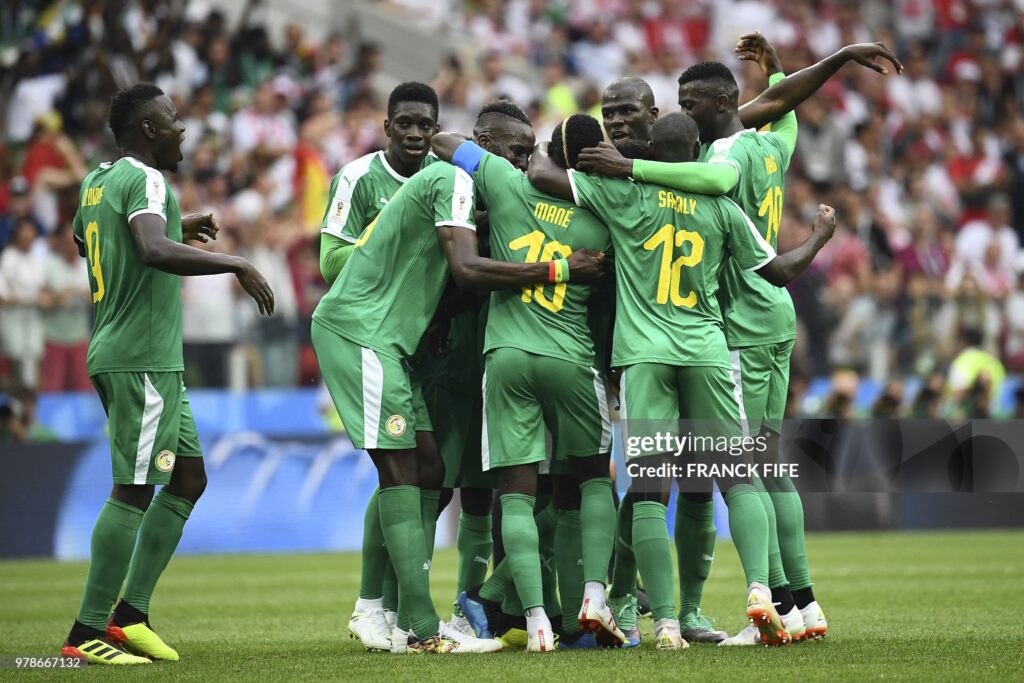
After playing out a 2-2 draw nullifying the head to head advantage and locked on the same points, goals scored and goals conceded, there was no separation of Senegal and Japan but the yellow cards count. Japan receiving four yellow cards in comparison to Senegal’s six yellow cards proved to be the difference that got Japan through to the next stage and Senegal out of the competition.
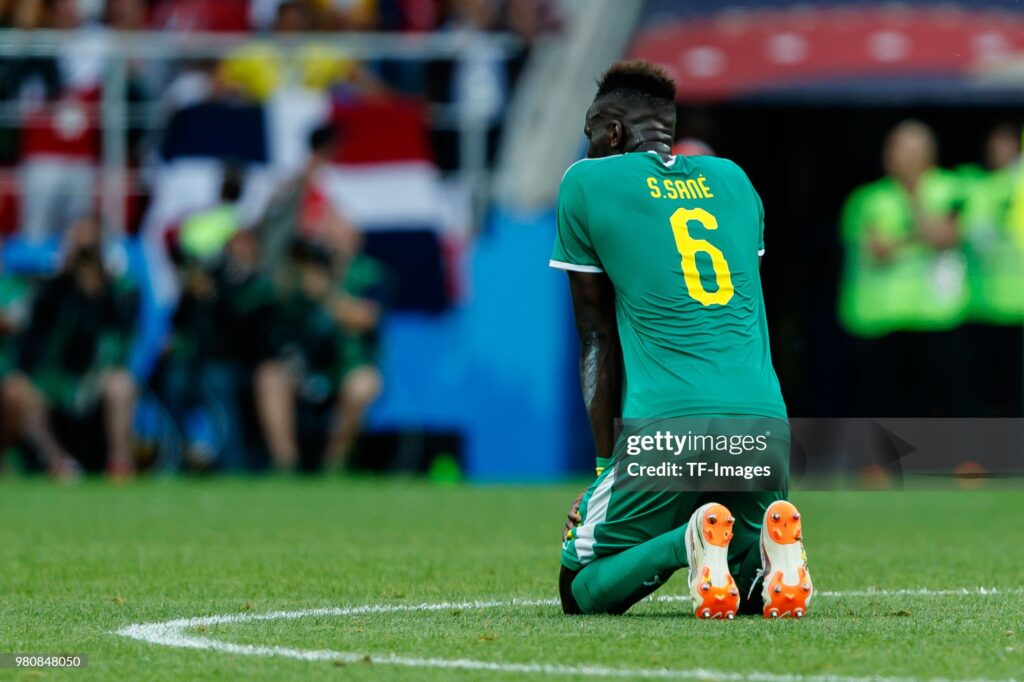
As if things couldn’t get any worse for Ghana at the 2026 FIFA World Cup, Thomas Partey is very likely to miss the Black Stars opening game against Panama and that further dampens Ghana’s chances of earning a win over Panama and realistically be half way through securing a qualification spot to the Round of 32 stage.
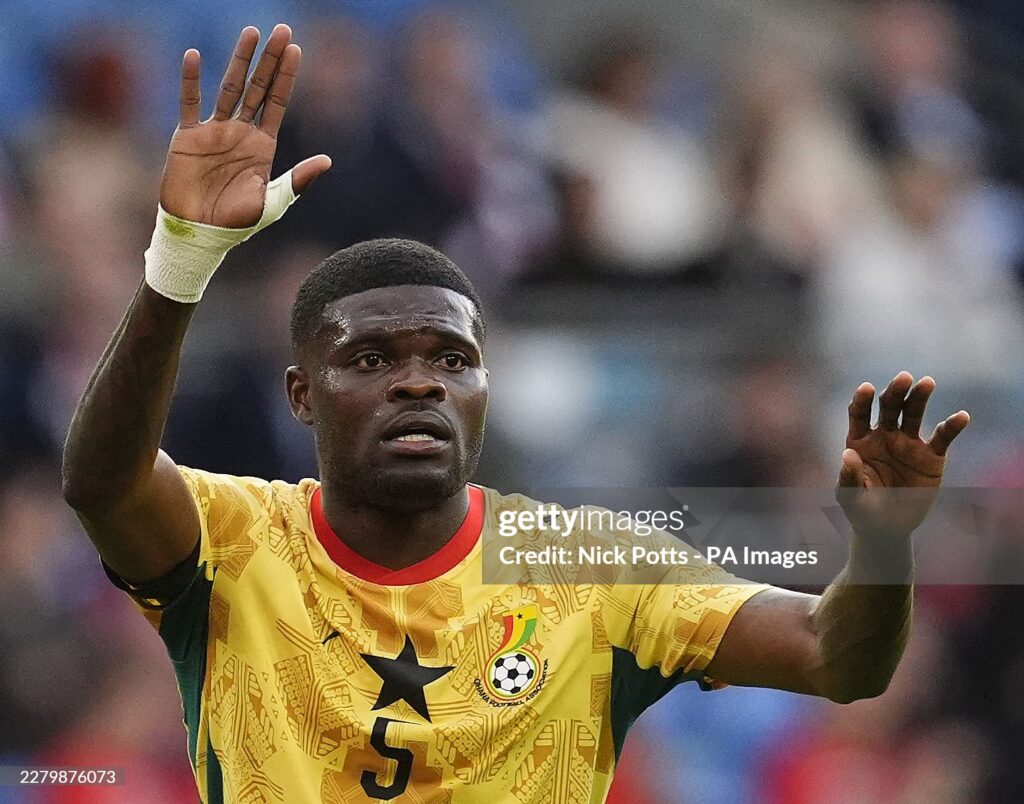
Prior to Partey’s visa denial by the Canadian Ministry of Immigration, the handlers of the Black Stars failed to secure a friendly game beyond the 1-1 draw with Wales which ultimately means Ghana will play against Panama undercooked. For the sake of context, Panama have played three friendlies ahead of the game against Ghana recording a loss to Brazil, a win over Dominican Republic and a draw against Bosnia and Herzegovnia.

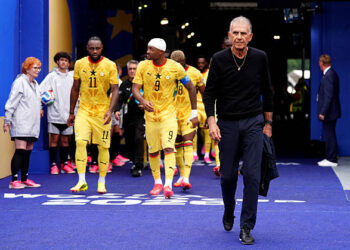
Even in the face of appointing former Manchester United assistant manager, former Real Madrid head coach, Egypt and Iran head coach Carlos Queiroz, the odds of Ghana’s progression to the next round remain low considering his appointment was done in March leaving him with just three weeks to work with the squad.
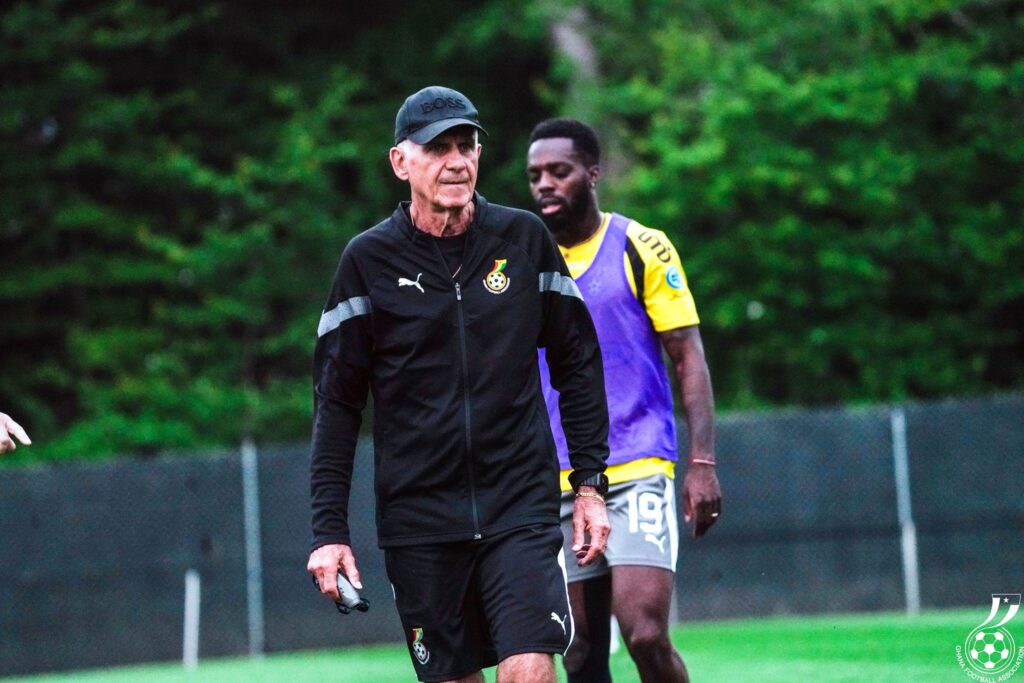
Speaking of the playing squad, Ghana has qualified to compete at five World Cups and it is fair to say, this year’s unit is the weakest in overall squad quality. This is easy to note considering the perpetual strongest part of Ghana’s playing unit, its midfield, is considerably weak compared to the 2006, 2010, 2014 and 2022.
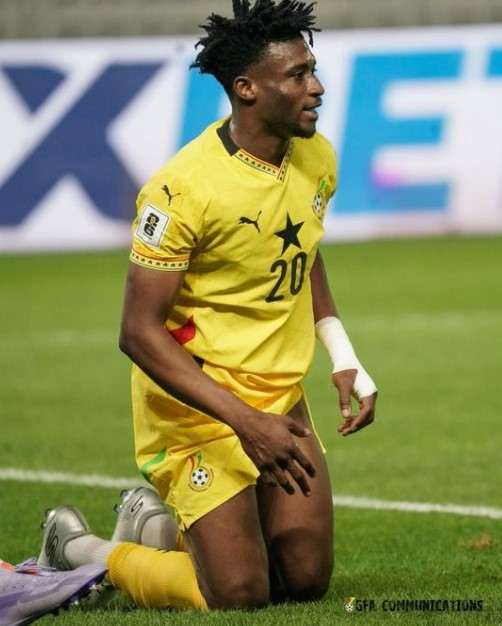
Part of the reason the 2026 World Cup group falls short of the past units is down to the list of notable absentees due to injuries to the likes of Mohammed Kudus, Alexander Djiku, Mohammed Salisu and Tariq Lamptey. As the lowest ranked nation in the group and among the 10 African nations competing at the World Cup, Ghana’s realistic chance of clinching a win at the group stage is against Panama not England or Croatia but that too has been compromised over Partey’s set absence.

Looking at the aforementioned issues raised, there are several excuses to point at should Ghana suffer an early elimination from the tournament but a common thread in the challenges highlighted above is that they lie outside the team’s control.
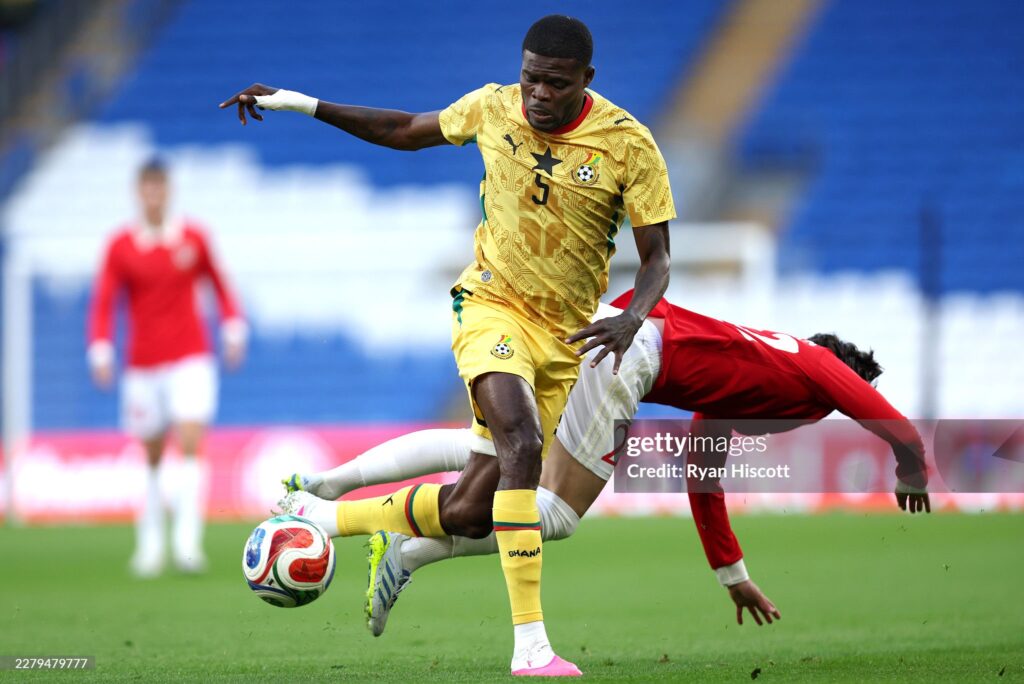
On the flip side, there is one major issue that could get Ghana eliminated at the group stage and lies within the control of the team and that is discipline. Just like Senegal, Ghana’s qualification chances could get scratched off because of a high level of accumulated yellow cards.
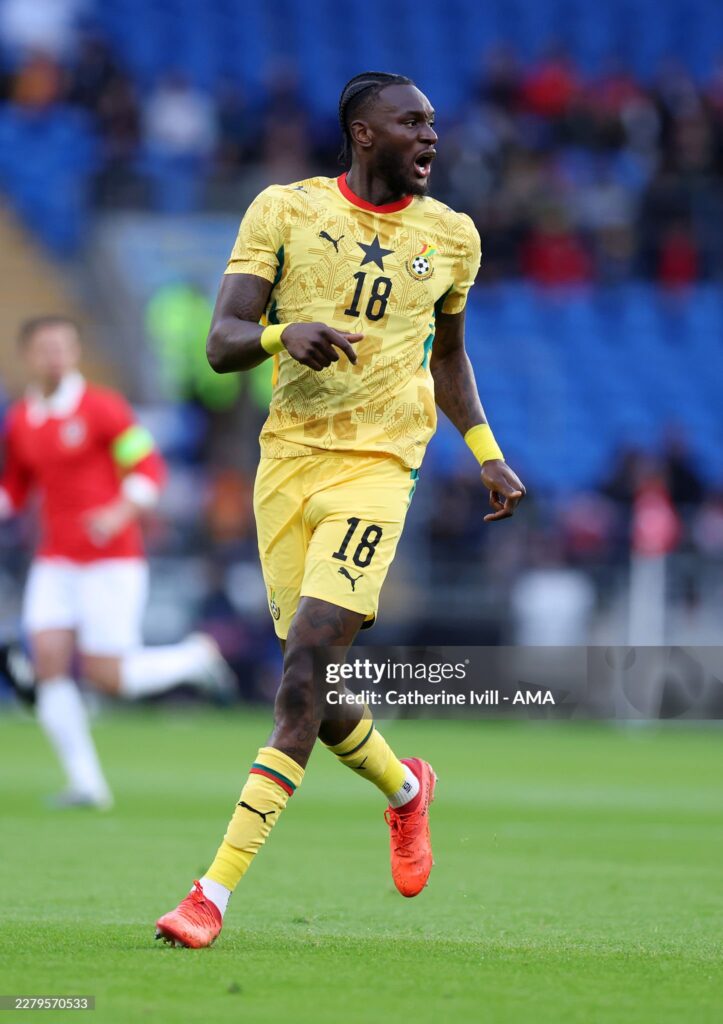
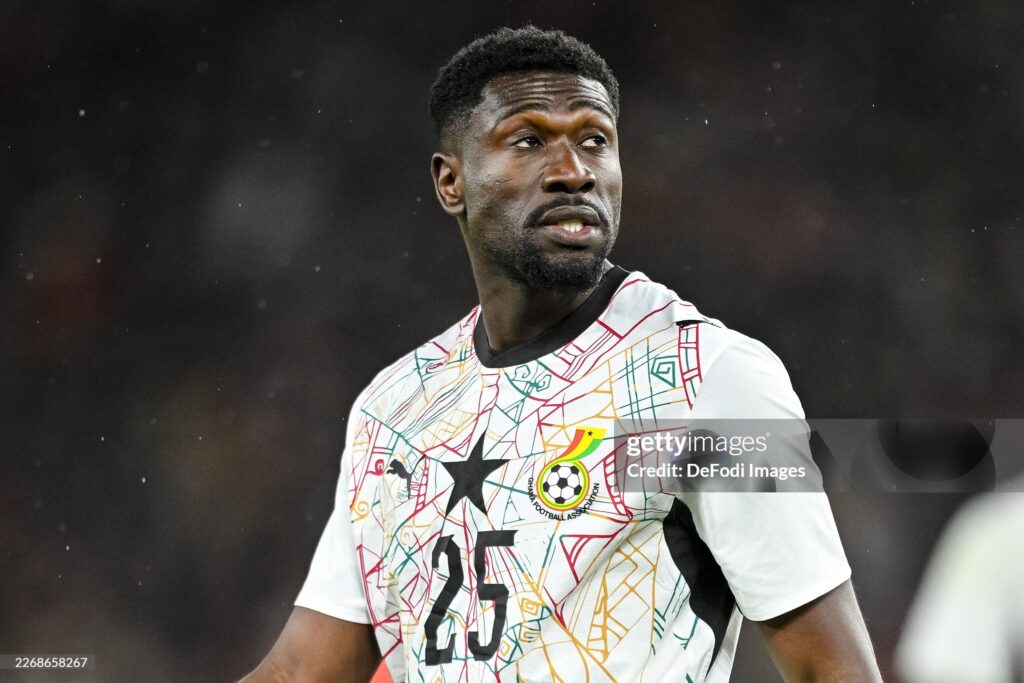
Jerome Opoku has 72 yellow cards in 219 games in his career, Derrick Luckassen has 72 yellow cards in 248 games while Alidu Seidu and Jonas Adjetey do collect a fair number of yellow cards. This unit represents three of five defensive options of the Black Stars and more dangerously, Ghana could be without their service come Game Three against Croatia where the Black Stars may be in desperate need of a win to progress.
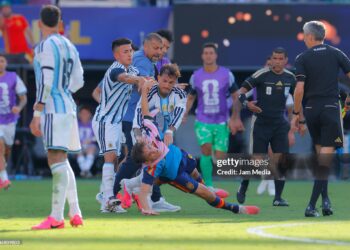
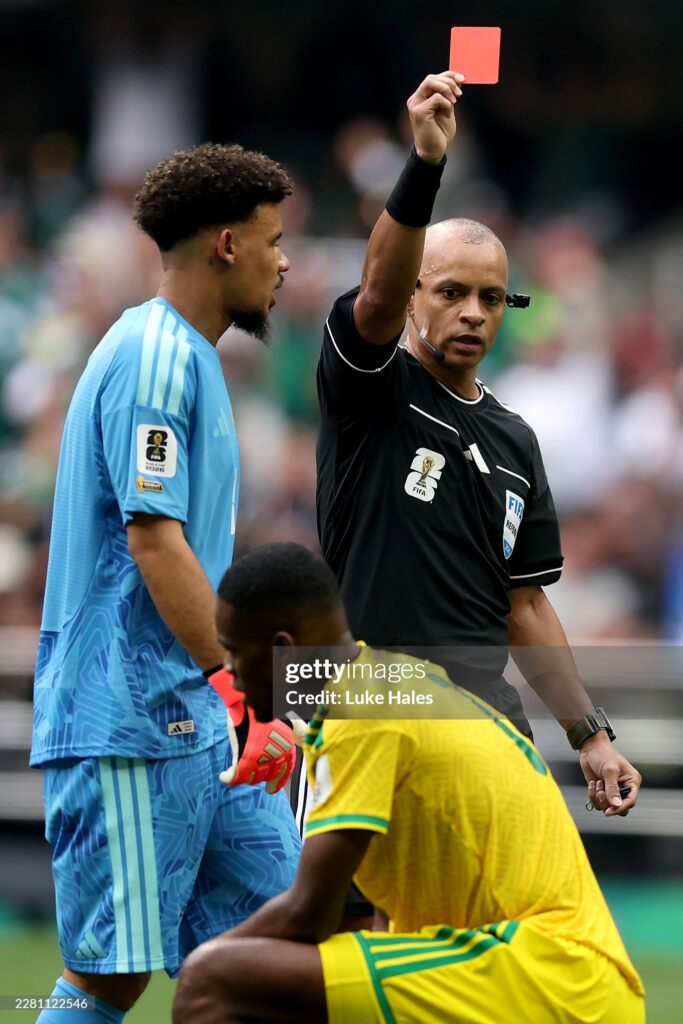
The opening game of this year’s World Cup showed how important discipline or the lack of it, will play in determining which nations progress to the next round and which nations don’t.
Three red cards in the opening game including one to a co-host nation’s player-Cesar Montes- in the final minutes of a game that was already won over an infringement that arguably didn’t deserve that kind of attention, shows how game officials have taken a hardline to handle games in the World Cup.
After toiling away in the heat of the Russian summer period, it was truly heartbreaking for Senegal to miss out on qualifying from the group stage not on points or wins but on yellow cards’ count, it is very likely Ghana suffers the same fate should the Black Stars fail to pay attention to staying disciplined.
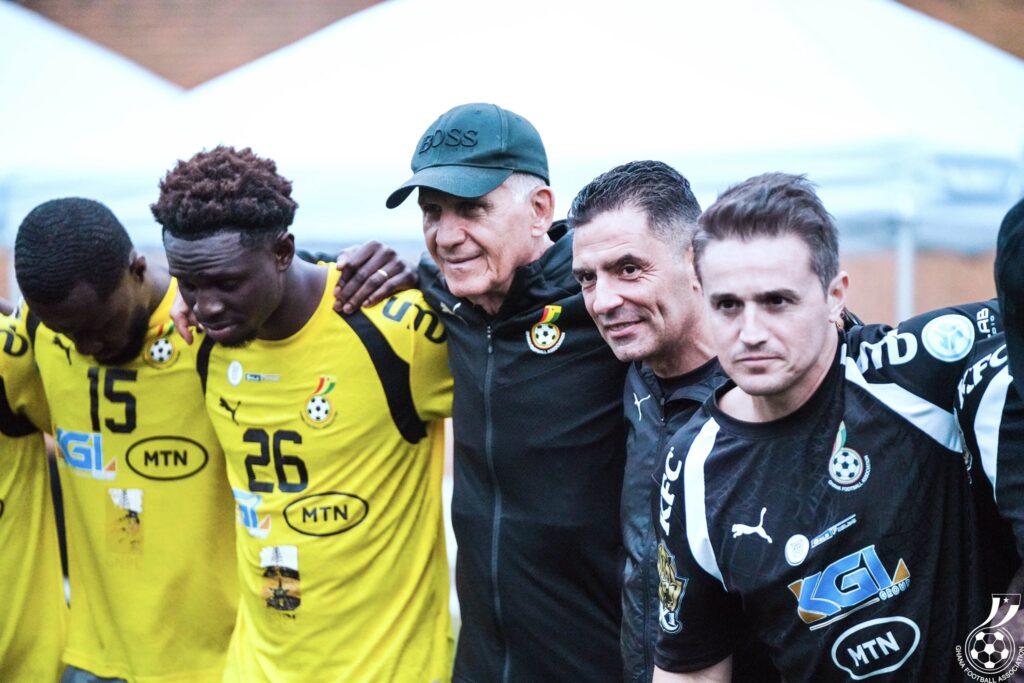
While all looks lost for the Black Stars given the trying circumstances the Black Stars have been handed, there is enough quality in Carlos Queiroz’s team to defy its low ranking to make it past the group stage for the first time since the 2014 edition especially when as many as eight third best placed teams also get to qualify too. However, the most innocuous factor-yellow cards-could prove to be the biggest hurdle for Ghana.