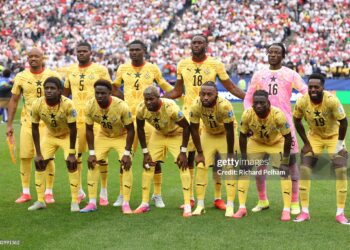


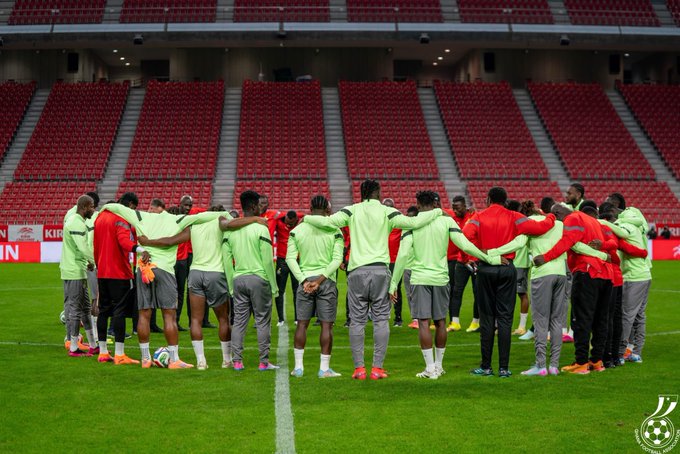
Few Ghanaians believed the Black Stars would make it beyond the group stage of the 2026 FIFA World Cup.
The scepticism was understandable. Under former coach Otto Addo, the team had struggled for consistency and confidence, leaving many supporters expecting another disappointing campaign.
Everything changed when the Ghana Football Association replaced Addo with experienced Portuguese coach Carlos Queiroz shortly before the tournament.
The first signs of progress came in a disciplined draw against Wales in a pre tournament friendly, ending a run of poor results and showing renewed defensive organisation.
Those signs carried into the World Cup. Ghana opened with a dramatic 1,0 win over Panama before producing one of the tournament’s biggest surprises, a resilient goalless draw against England.
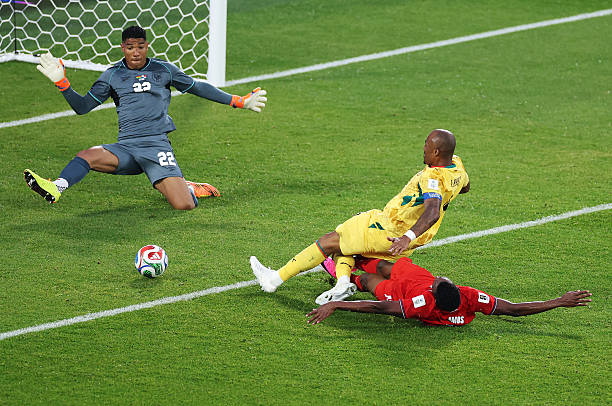
Thomas Partey dominated his battle with Harry Kane, while goalkeeper Benjamin Asare produced a series of outstanding saves to earn Ghana a valuable point. Suddenly, a team many had written off was proving it belonged on football’s biggest stage.
The team’s performances also lifted spirits at home. Patriotism swept across the country as demand for Black Stars jerseys, Ghana flags and other merchandise surged, providing a welcome boost for traders.
Although Ghana lost 2,1 to Croatia in its final group game and exited with a narrow 1,0 defeat to Colombia in the Round of 32, this campaign deserves far more praise than criticism.
Simply reaching the knockout stage exceeded expectations. Injuries to Alexander Djiku, Mohammed Salisu and Mohammed Kudus deprived Ghana of three key players, yet those who stepped in responded with discipline, commitment and belief.
Thomas Partey emerged as one of the tournament’s biggest winners. Despite off field distractions before the competition, including visa issues and the widely discussed handshake snub involving England’s Djed Spence, he remained focused.
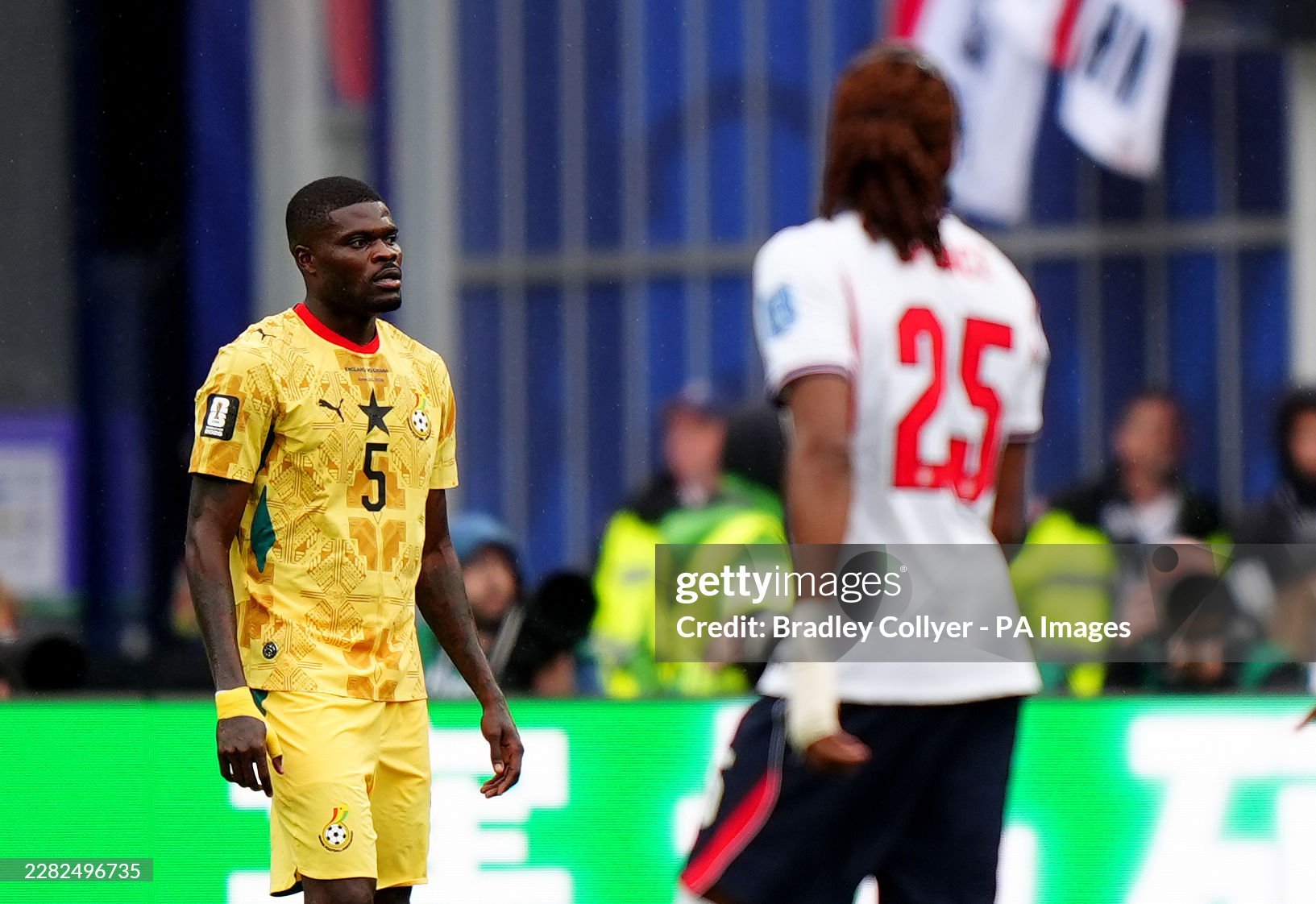
His leadership, composure and ability to shield the defence reminded everyone why he remains Ghana’s most influential midfielder.
Marvin Senaya was another major success story. Ghana has searched for a reliable right back for years, and his performances suggest that search may finally be over. Defensively solid and confident going forward, he produced Ghana’s best displays in that position since the days of Hans Adu Sarpei, John Pantsil and Samuel Inkoom.
Caleb Yirenkyi also announced himself on the world stage. Calm in possession and mature beyond his years, he looks capable of becoming a mainstay in Ghana’s midfield for years to come.
Gideon Mensah continued to prove his reliability, while Jerome Opoku and Jonas Adjetey developed into a dependable central defensive partnership.
Perhaps no player captured the imagination of Ghanaians more than Benjamin Asare. His journey from Hearts of Oak to the World Cup was remarkable, but it was his performances that truly stood out.
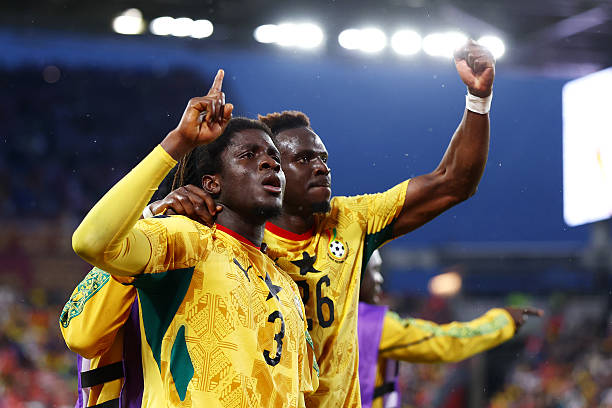
His shot stopping, command of the penalty area and composure under pressure, particularly against England, repeatedly kept Ghana in matches. A move to one of Europe’s top leagues would be a deserved reward.
The tournament also exposed areas that require honest reflection.
Jordan Ayew has been an outstanding servant to Ghanaian football, but every generation must eventually make way for the next. His experience remains valuable, yet the time has come to begin handing greater responsibility to younger attacking players.
Kamaldeen Sulemana also has questions to answer. His pace remains a major weapon, but his decision making and end product continue to fall short of the expectations placed on a player of his talent.
Elisha Owusu likewise failed to make the desired impact. Greater consistency will be needed if he is to cement his place in future squads.
Above all, Carlos Queiroz deserves enormous credit. In a matter of weeks, he transformed a fragile team into one that was organised, disciplined and difficult to beat. Every match reflected a clear tactical identity.
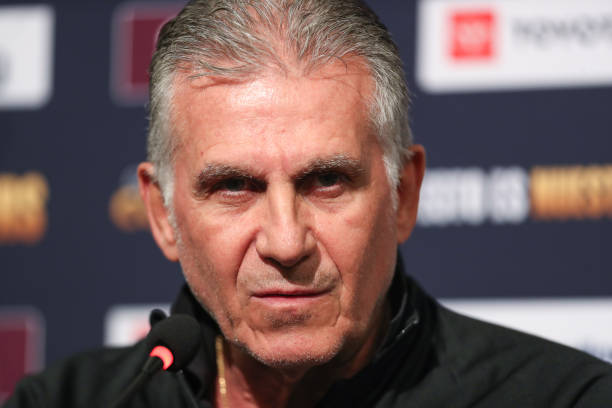
His defensive masterclass against England highlighted the value of experience at the highest level. Ghana did not dominate possession, but its compact shape, intelligent pressing and discipline frustrated opponents throughout the tournament.
It is difficult not to wonder how far this team could have gone had Queiroz been appointed earlier. While that question can never be answered, the improvement under his leadership was undeniable.
For that reason, the Ghana Football Association should seriously consider retaining him on a long term contract. Stability, continuity and a clear football philosophy are exactly what the Black Stars need.
One of the most refreshing aspects of this campaign was the embrace of what supporters affectionately called “kakalika football”, a style built on grit, organisation, resilience and efficiency rather than endless possession. It may not have resembled Pep Guardiola’s possession based philosophy, but tournament football is often won through discipline and tactical intelligence, not aesthetics.
The World Cup ended with defeat to Colombia, but this campaign should be remembered for much more than its final result. It restored belief in the Black Stars, introduced a new generation of dependable players and reminded Ghanaians that their national team can still compete with the world’s best.
The challenge now is clear. Build on the progress, address the weaknesses, continue trusting the emerging talent and maintain the technical direction that has brought renewed hope. If Ghana does that, this World Cup will be remembered not as the end of a journey, but as the foundation of a team capable of ending the country’s long wait for another Africa Cup of Nations title.