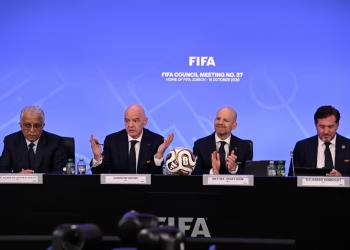


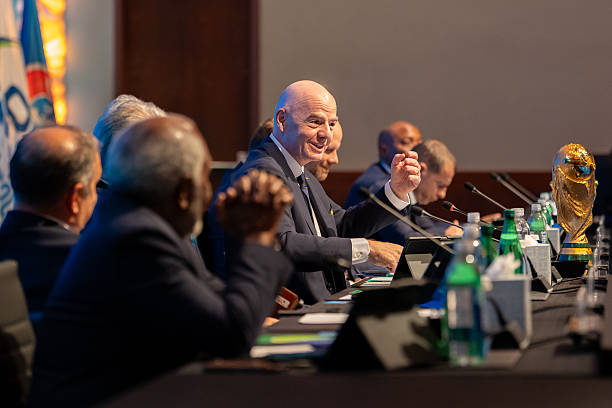
FIFA has proposed increasing its football development funding to $6.35 billion for the 2027-2030 period, more than doubling planned investment following strong commercial returns from the 2026 World Cup.
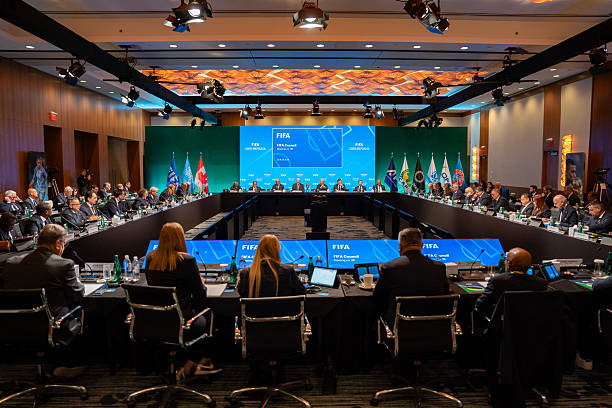
The proposed FIFA Surplus Solidarity Programme was presented to the FIFA Council at its meeting in Zurich on Thursday, October 15. If approved, allocations to member associations could reach $25 million each.
The initiative would use part of FIFA’s reserves to increase funding for its 211 member associations, confederations, regional and zonal associations, and other football stakeholders.
FIFA says the proposal is based on an unaudited surplus forecast of between $5.2 billion and $5.6 billion for the 2023-2026 financial cycle.
The administration has proposed retaining $1.7 billion in reserves to cover unforeseen circumstances, in line with FIFA’s requirement to balance revenue and expenditure over each four-year cycle.
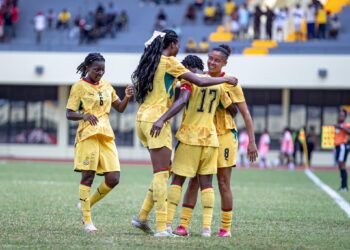
Funding would be linked to the development of women’s and youth football, long-term projects and football infrastructure.
FIFA says the programme aims to widen access to the game and strengthen football development across all regions, with increased investment channelled through national associations.
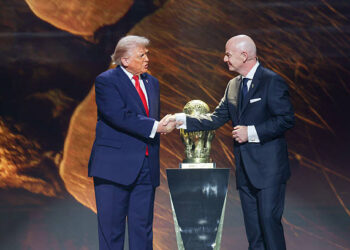
“As has been said many times since 2016, FIFA’s money, including its reserves, belongs to the 211 FIFA Member Associations,” FIFA president Gianni Infantino said.
He added that the proposed increase would reinforce FIFA’s commitment to supporting football development worldwide.
However, the plan is not yet final. FIFA said the relevant committees would establish eligibility criteria, application procedures, approval processes, disbursement arrangements and audit controls before the proposal returns to the Council in December 2026.
The programme would then be included in FIFA’s 2026 Annual Report and submitted for approval at the 77th FIFA Congress in March 2027.
If approved, the proposal would significantly increase the funding available to national associations, with potential benefits for football infrastructure, youth development and the growth of the women’s game.