

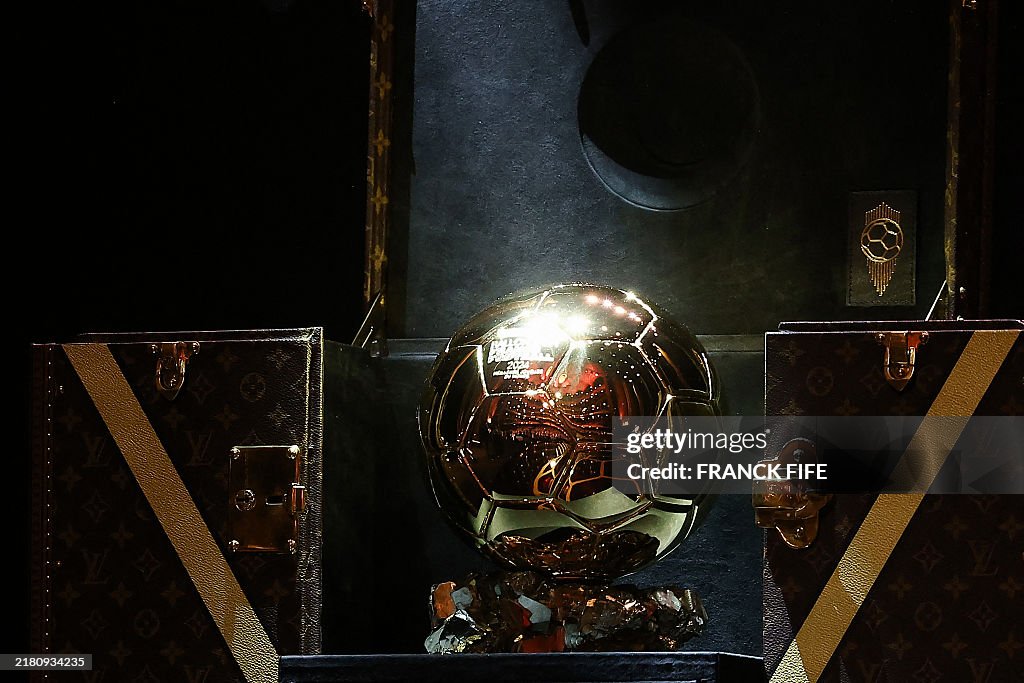
The Ballon d’Or ceremony takes place later today with several players making compelling cases for football’s most prestigious individual award.
From prolific goalscorers to creative forces and emerging superstars, the race raises a familiar question: should the award reward individual brilliance, team success or both?
Case Study 1 : Kylian Mbappé
It is remarkable that Kylian Mbappé, the teenage sensation who lit up the 2018 World Cup in Russia, is already 27. He has built an outstanding career, winning multiple titles with Paris Saint-Germain before moving to Real Madrid, where he is expected to add to the club’s rich history of superstar players.
Mbappé’s consistency in front of goal remains one of his greatest strengths. His scoring records across domestic and international football underline his ability to deliver season after season.

His 2025/26 campaign was another statement of individual brilliance, with 42 goals for Real Madrid across all competitions and 16 for France, including 10 in eight World Cup appearances.
But does individual excellence outweigh a lack of major trophies? The Ballon d’Or is an individual award in a team sport, yet collective success often shapes the debate. Mbappé’s numbers and consistency make him a strong contender, but the question is whether his performances will be enough to secure the ultimate individual honour.
Case Study 2 : Harry Kane
Harry Kane’s numbers make a compelling case. The England captain scored 73 goals for club and country in 63 appearances during a remarkable season, putting him among the most prolific players in the game.
His campaign was capped by a German Cup final hat-trick as Bayern Munich secured a domestic double. England also enjoyed a historic World Cup run, adding to Kane’s achievements on the international stage.

After years of near misses with England and a trophyless spell at Tottenham Hotspur, Kane’s move to Bayern has brought the silverware that once seemed elusive. His game has also evolved beyond goalscoring, with his ability to drop deep, create space and provide assists making him a more complete forward.
At 33, Kane may have a limited number of opportunities to win the Ballon d’Or. But this is not simply a case for rewarding a long career. His goals, influence and team success give him one of the strongest arguments of his career.
Case Study 3 : Lamine Yamal
Lamine Yamal’s rise has been extraordinary, and the 2025/26 season offered another glimpse of his potential to dominate world football for years to come.
The Barcelona winger combined flair with greater maturity and decisiveness, helping his club secure a second consecutive league title under Hansi Flick. He was named La Liga Player of the Season after recording 16 goals and 11 assists, becoming the youngest player to win the award.

celebrates the championship. (Photo by Maria Gracia Jimenez/Soccrates/Getty Images)
Barcelona’s domestic success strengthened his case, although their exits from the Copa del Rey and Champions League limited their trophy haul. His World Cup campaign, meanwhile, attracted scrutiny after he struggled to make the expected impact.
Spain’s triumph provided another dimension to the debate, particularly given Rodri’s role in their success and his previous Ballon d’Or win following the 2024 European Championship.
Yamal’s case rests on more than statistics. His dribbling, creativity and ability to influence matches are difficult to capture fully in numbers. Yet his contribution to Spain’s World Cup triumph must be weighed against the performances of other key players. His talent is undeniable; whether his season warrants the award is a separate question.
Case Study 4 : Michael Olise
Michael Olise has established himself as one of Europe’s most exciting attacking players since joining Bayern Munich from Crystal Palace.
His combination of technical ability, direct running and composure in decisive moments has made him a major influence for club and country. He has also backed up his performances with impressive numbers, recording 21 goals and 31 assists as Bayern won the domestic double.

Bayern’s Champions League semi-final exit prevented them from completing an even more successful campaign, but Olise’s individual contribution remained significant.
His form continued at the 2026 World Cup, where he recorded seven assists and helped France reach the semi-finals before they lost to Spain.
Olise may not command the same public attention as some of his rivals, but his performances have made him difficult to overlook. His case is built on production, creativity and influence in important matches rather than reputation alone.
Case Study 5: Ousmane Dembélé
Ousmane Dembélé’s case for retaining the Ballon d’Or reflects both his individual quality and Paris Saint-Germain’s continued success in Europe.
Dembélé emerged as a leading contender after a standout 2024/25 campaign, helping PSG win their first Champions League title following Kylian Mbappé’s departure for Real Madrid. His contribution silenced doubts about whether the club could replace Mbappé’s attacking influence.
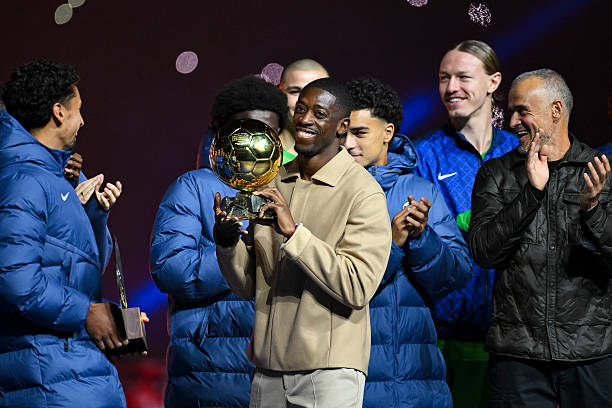
PSG’s subsequent Champions League success has kept Dembélé in the conversation, but his own numbers declined during an injury-disrupted season, with 20 goals and 11 assists.
That makes his case more complicated. His influence on one of Europe’s strongest teams remains significant, but the Ballon d’Or debate inevitably asks whether his individual performances justify another award.
The question is whether collective achievement should outweigh a drop in personal production. Dembélé’s supporters can point to his role in PSG’s success, while his rivals have strong individual cases of their own.