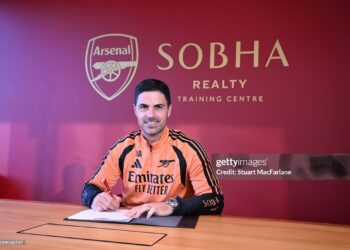


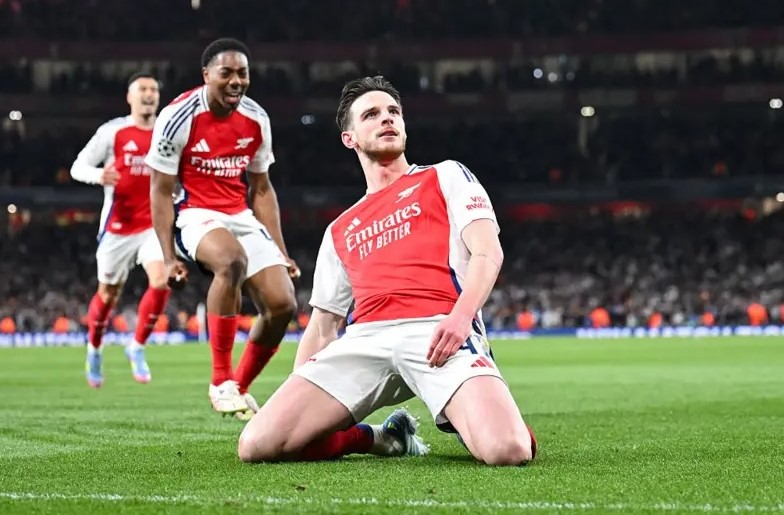
The attention for the 2025-2026 season for Arsenal is all on how Mikel Arteta fares in what many have termed as a title or bust campaign. Missing out on a title is sure to get the Spanish manager sacked from his role despite having the Gunners finish second in the English Premier League three times in a row.
The last time, the Gunners finished in second place three times in a row had them break the glass ceiling on the fourth try to win the 2001-2002 EPL title under Arsene Wenger.
Beyond that, Arsenal reached the UEFA Champions League semifinals for the third time in its history in the last campaign losing to eventual champions Paris Saint-Germain in the process.
Recording these marks fall way short of Arsenal’s past achievements of making it to the Champions League final game and winning multiple EPL titles including one that came on the back of an unbeaten season. That EPL record still holds till this day and pretty much set the standard for Arsenal and anything short of this is somewhat an underachievement.

However, in the context of Arteta turning Arsenal from a club that records middling results in the late 2010’s to a team that has only been bested by some of the best outfits in Premier League history, the Spanish coach needs to be shown a bit more love than he gets.
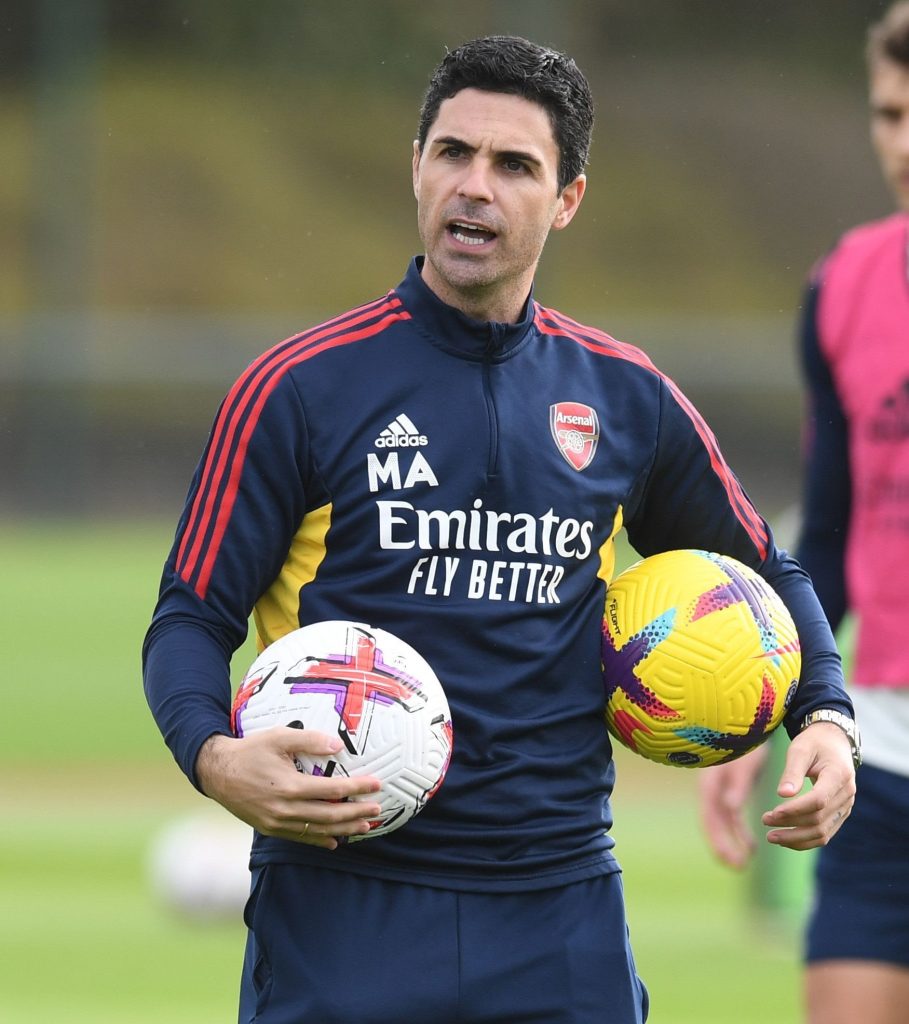
Looking at the build up to the season in connection to those second place finishes, winning another FA Cup title might even prove not enough to save Arteta from the axe especially after Arsenal finally got a true striker in Viktor Gyokeres who has been prolific over the past three seasons. Only a UEFA Champions League title win or EPL title win makes Arteta stay as Arsenal boss a foregone conclusion.

The Gunners lost elite defensive midfielder Thomas Partey this offseason and have made signings to tackle aspects of Partey’s game that he took to Villarreal. Martin Zubimendi provides the passing range and playmaking skills from deep in midfield while Christian Norgaard sorts out the physicality aspect Partey brought to the table but Zubimendi doesn’t possess.

As such, Arsenal look primed to have a breakthrough season but even the greatest teams have some defects and weaknesses that make them beatable particularly in recent years where sports has fully embraced technology and even minuscule detail is fished out and heavily perused. It isn’t surprising that little dynastical runs are quite fewer than those witnessed in previous decades in football.

For Arsenal, the club’s biggest weaknesses are offensive production from its right full back or wing back position and consistent top production from the left side of attack but moving away from Arteta’s go-to system of playing a four man backline and embracing a 3-1-4-2 formation solves the team’s weaknesses and makes them, on paper at least, practically unbeatable.
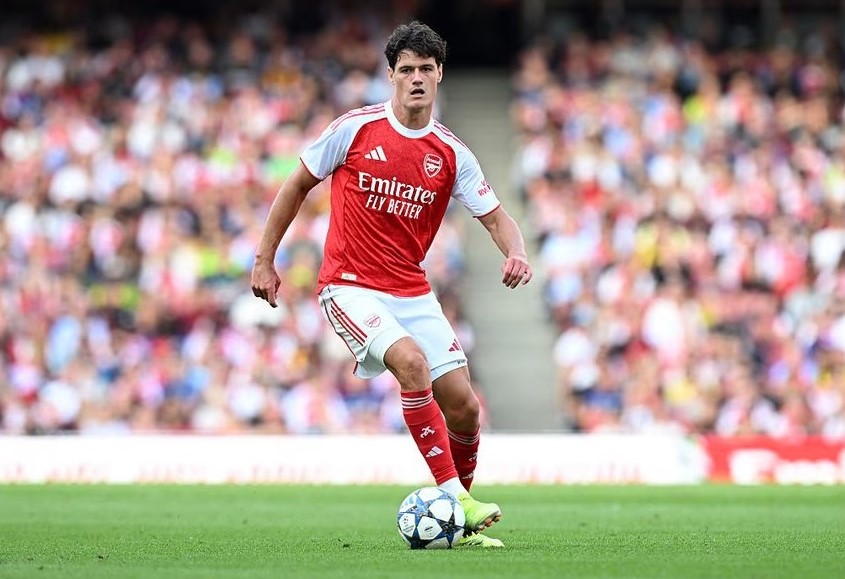
Starting David Raya in goal with Gabriel Magalhaes, William Saliba and Ben White in defence and Martin Zubimendi as the sole pivot behind a four man unit that has Myles Lewis-Skelly as a left wing-back, Kai Havertz and Martin Odegaard in the middle with Declan Rice at right wingback and Saka and Gyokeres up front, gets this done.

Addressing the second bit of weakness first, the inconsistent form of Gabriel Martinelli, Leandro Trossard, Gabriel Jesus and new signing Noni Madueke (per his performance at previous club Chelsea) coupled with, and more importantly, the lack of width, is addressed by playing Gyokeres and Saka at the top of Arsenal’s attack which gives natural left footed winger Lewis-Skelly acres of space to operate and stretch the field.
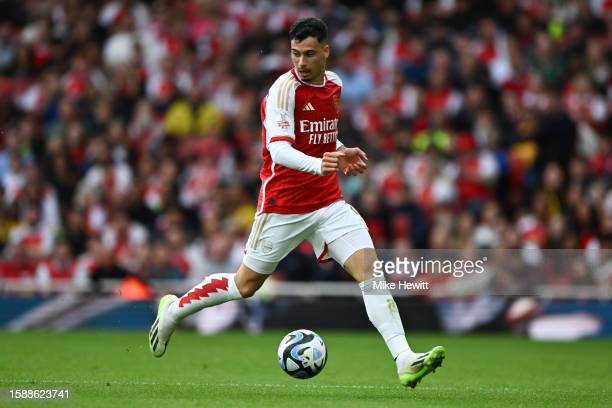
In Arteta’s usual system, Lewis-Skelly tucks into midfield as an inverted midfielder limiting the amount of width Arsenal can operate with particularly when inverted wingers like Martinelli and Trossard also need to cut in-field to be effective.

On the issue of a lack of offensive production from the right full back spot for Arsenal, the 3-1-4-2 formation addresses this by embracing the concept of using Declan Rice as a right wing back. Arteta has routinely played a variation of Timber, Takehiro Tomiyasu and Ben White at right full back in past seasons to great effect from a defensive standpoint but with limited success from an attacking standpoint.

Since the 2021-2022 season, Liverpool have completed the most crosses in the EPL (514) thanks to the combined play of former right back Trent Alexander-Arnold and left full back Andrew Robertson while Arsenal rank 10th with 126 according to StatMuse in the same period. Beyond team comparison, Alexander-Arnold has completed 262 crosses in the EPL from the 2021-2022 season to the 2024-2025 campaign while Ben White has 124 crosses to his credit.
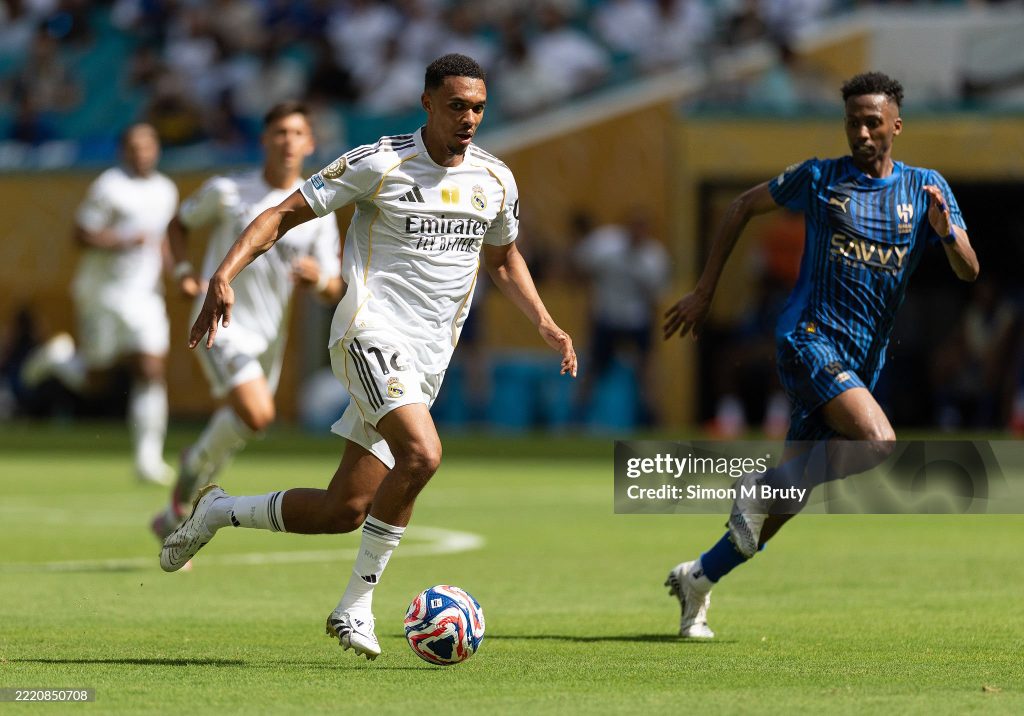
On occasions where Ben White has crossed the ball, the floated attempts have failed to find the target and on most occasions failed to even beat the first line of defense and end up getting easily cleared. Track Arsenal’s games with Tomiyasu or White as a right full back and you’d spot several great opportunities the Gunners couldn’t score from because the cross was poor. For instance, in the past season, according to FotMob, Ben White registered a crossing accuracy of 17.6%.
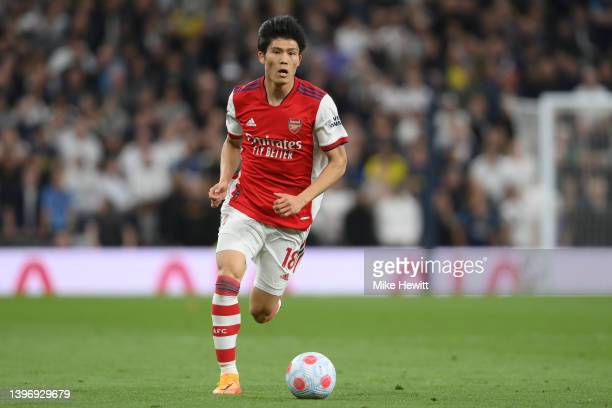
Since growing into a star midfielder, Declan Rice has had a nose for delivering quality passes and crosses which makes him ready to use as a right wing back. He should improve the offensive phase of Arsenal’s from that position as evidenced in scoring a 54.5% mark on crossing accuracy last season.

While not necessarily equipped to play as a full blown right full back, inserting Rice into the wing back slot gives Gyokeres the chance to score a ton of headed goals by running across the penalty box to meet crosses whipped from the area tucked in between midfield and the touch line on the right side.

Defensively, deploying Lewis-Skelly and Declan Rice as wingbacks in a 3-1-4-2 system doesn’t compromise Arsenal defensively as the system easily switches to a four man backline with Rice tucking into midfield to pair with Zubimendi in a double pivot. With the Gunners having as many as seven central defenders, starting three members of that group is an efficient way of keeping the defenders sharp without burning them out and managing injuries.
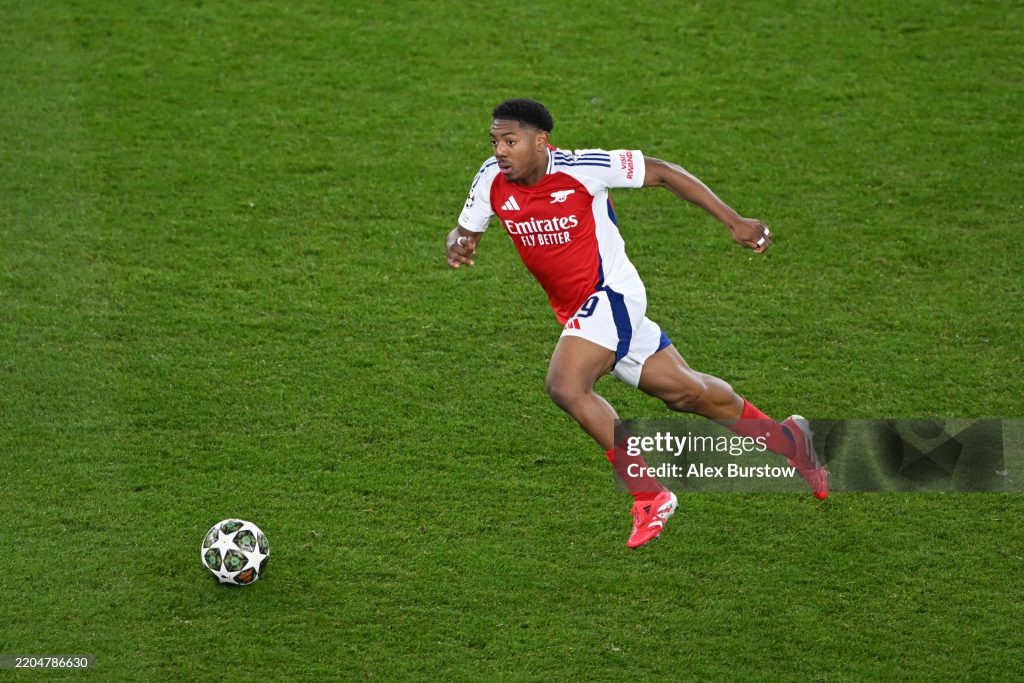
After five full seasons in charge at Arsenal with little variations under Arteta, Arsenal have become predictable with limited creativity coming through the middle. By pairing Havertz and Odegaard in the middle, Arsenal get a pair of Number 10’s who thrive arriving late in the box to score while providing passes that break defensive lines and reducing the overdependence on Odegaard to provide a spark from midfield.

Having recruited well over the past years, Arsenal’s roster is stacked to replace the starters in the aforementioned formation without a drop off in quality with Mikel Merino, Fabio Veira and Norgaard as quality second unit options to use.
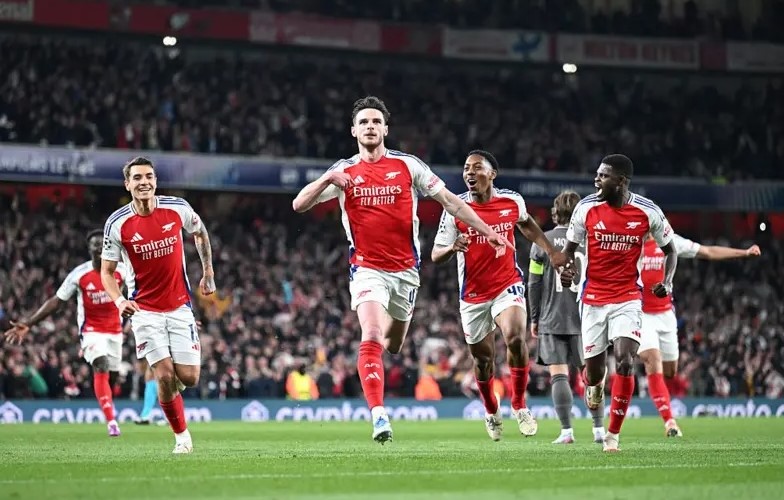
In modern football’s congested calendar, preseason isn’t enough for teams to fully execute new ideas; as such, Arteta should have his team play with this new system as early as possible to firstly, catch teams off guard to score early season wins and secondly, to get the team to be very familiar with the changed set up before heading into the crucial portions of the season where any dropped point has bigger consequences than the early arts of the season.
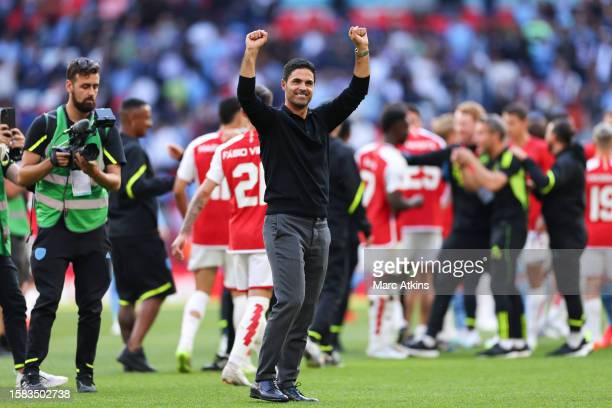
Mikel Arteta has tweaked, shredded and changed his way to turn his side into the outfit that is next in line to win the coveted EPL title and utilizing Rice’s versatility should be embraced as much as possible and as soon as possible to make this happen.