


CAF is facing renewed turbulence following the resignation of its General Secretary, Veron Mosengo-Omba, in the midst of the escalating dispute surrounding the Africa Cup of Nations 2025 final between Senegal and Morocco.
In a statement released from Cairo, the DR Congo official confirmed his departure, bringing an end to a tenure that blended administrative reforms with mounting internal controversy.
“After over 30 years of an international professional career… I have decided to step down… to devote myself to more personal projects,” Mosengo-Omba announced, signaling a voluntary exit amid growing pressure behind the scenes.
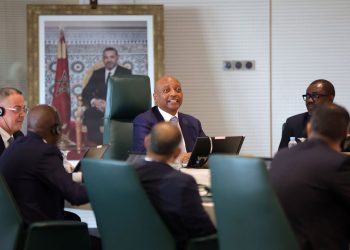
His resignation comes at a critical moment, coinciding with a CAF Executive Committee meeting, where reports had suggested members were prepared to push for his removal if he failed to step aside.

Pressure mounts on CAF
Mosengo-Omba’s position had increasingly come under scrutiny due to concerns over governance and compliance with CAF regulations. Under the organisation’s rules, staff are expected to retire at 63, with only a limited extension permitted.
Having been appointed in 2021, his extended stay beyond the allowable period reportedly backed by CAF president Patrice Motsepe raised questions within sections of the leadership about accountability and adherence to internal statutes.

In his farewell remarks, Mosengo-Omba appeared to address the controversy:
“Now that I have been able to dispel the suspicions… I can retire with peace of mind… leaving CAF more prosperous than ever.”
A Mixed Legacy of Reform and Criticism
During his time in office, Mosengo-Omba oversaw a period of structural and commercial progress within African football. CAF recorded improved financial stability, expanded competitions, and strengthened its administrative framework.
His tenure also coincided with closer collaboration with global football bodies, particularly under the leadership of Gianni Infantino, which helped elevate CAF’s international profile.
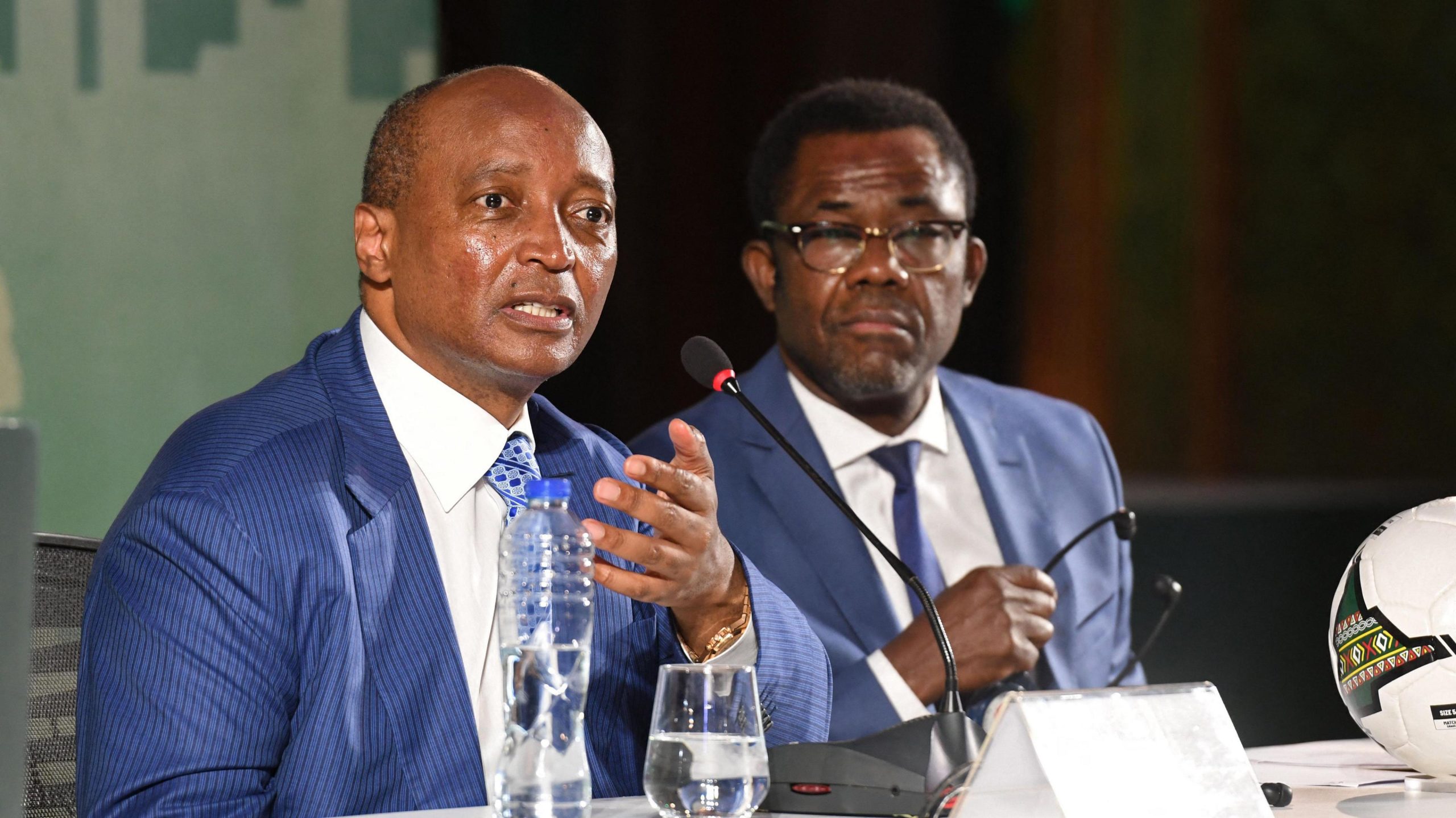
However, these achievements were often overshadowed by criticism surrounding internal appointments, allegations of favouritism, and concerns about transparency in decision-making processes.
For many observers, his leadership represented both progress and persistent governance challenges within African football’s top institution.
Uncertainty Over Succession
Mosengo-Omba’s exit leaves a significant vacuum at the heart of CAF’s administration. Notably, there are currently no deputy general secretaries in place, complicating any immediate transition plan.
CAF is now expected to move swiftly to appoint either an interim replacement or outline a clear succession strategy, particularly as it navigates a packed football calendar and ongoing institutional scrutiny.
The timing is especially sensitive, coming amid broader controversies, including the fallout from the Africa Cup of Nations 2025 decision involving Senegal and Morocco.
A Defining Moment for CAF
Beyond the individual departure, Mosengo-Omba’s resignation may signal a deeper shift within CAF’s governance structure. With increasing calls for transparency and accountability, the organisation faces a crucial period of reflection and reform.
His final message struck a tone of cautious optimism:
“Let us hope that the progress made will last and be sustained.”
For CAF, the challenge now is clear to stabilise its leadership, rebuild trust, and ensure that the next phase of its evolution strengthens both its credibility and its role in advancing African football.