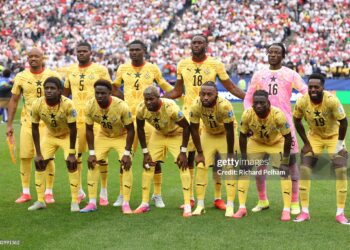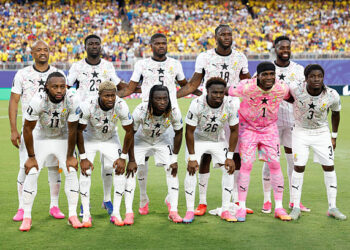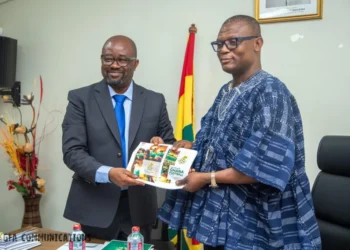



The search for a new head coach of the Black Stars was always going to dominate headlines. But as the process stretches into its second week, a more uncomfortable question is emerging.
What exactly is the Ghana Football Association looking for? Despite meetings, speculation and a steady stream of names, clarity still feels distant.
A vacancy driven by urgency, but not certainty
The role became officially vacant at the end of March following the departure of Otto Addo. His exit came after a difficult run, including heavy friendly defeats to Germany and Austria, and Ghana’s failure to qualify for AFCON 2025.
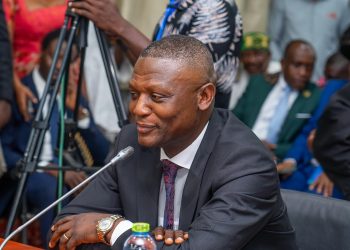
Yet Addo had also led Ghana to qualification for the 2026 FIFA World Cup only months earlier. That contrast between progress and disappointment has shaped the urgency around the appointment. GFA President Kurt Okraku has outlined the kind of profile being targeted.
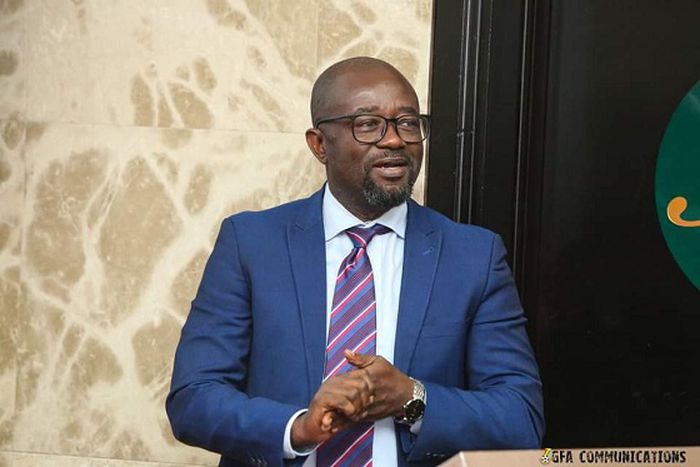
“He will be the person with a good record, someone who has won trophies and will bring confidence to the changing room.”
He added that players should be able to look at the coach and trust his experience. On paper, that suggests direction. In practice, the picture appears less settled.
Hundreds of applications, limited clarity
More than 600 coaches are said to have applied for the job, ranging from established international managers to lesser-known tacticians. The timeline has also been tightly framed. Minister for Sports and Recreation Kofi Adams has indicated that an announcement should come within days.

“If by this weekend we don’t announce the coach, then by Monday at the latest we should be able to present our new Black Stars coach.”
There is urgency, and there is activity. But there is also a growing sense of a process that is shifting as it unfolds.
From early favourites to widening options
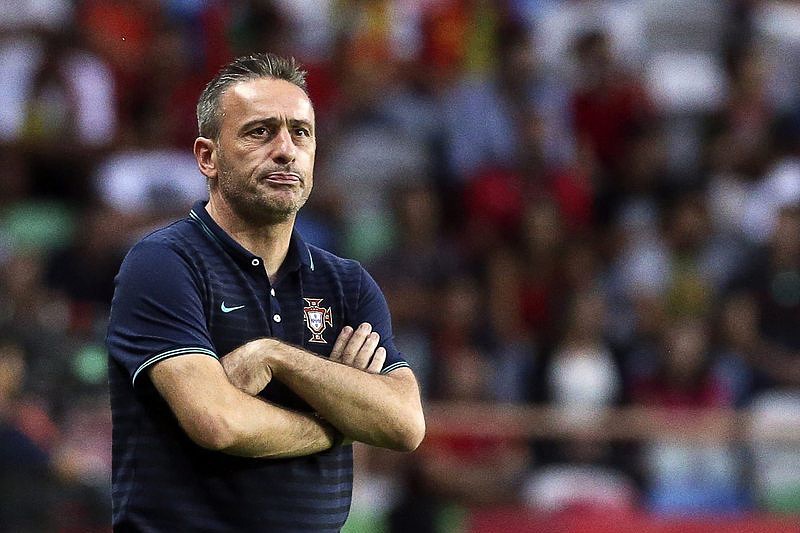
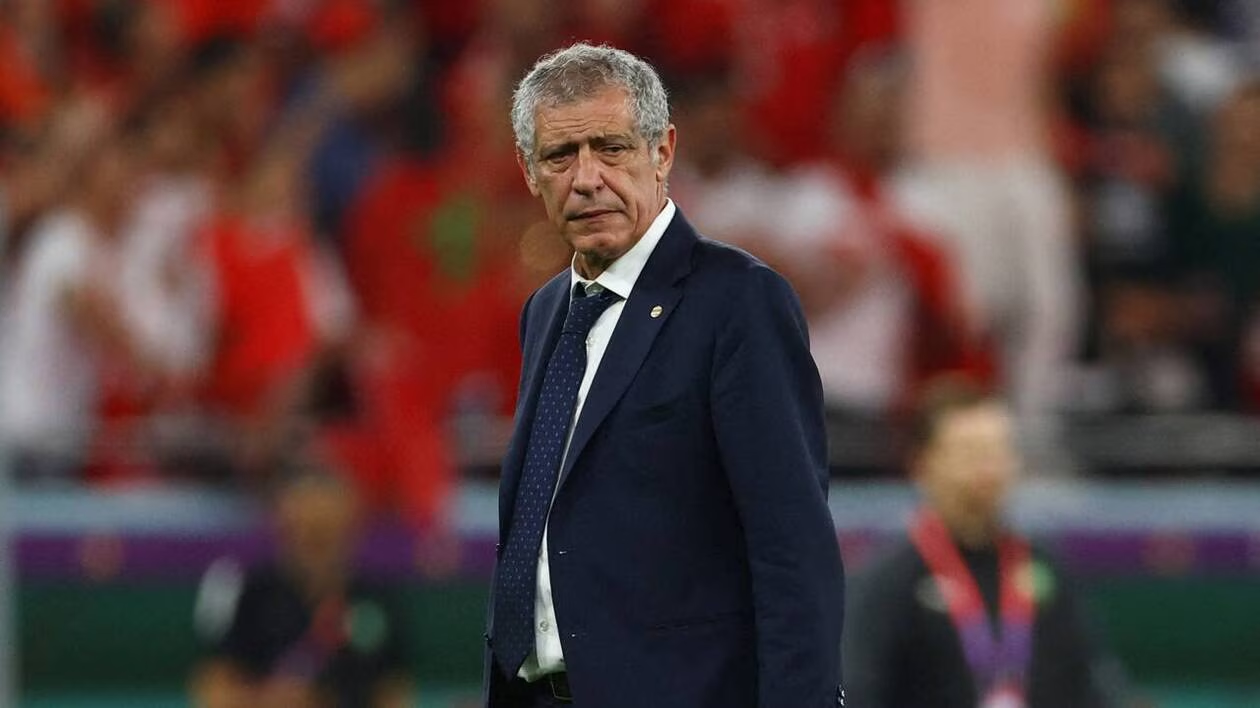
In the days after Addo’s departure, attention appeared to focus on three Portuguese coaches, Fernando Santos, Carlos Queiroz, and Paulo Bento. All brought similar credentials, including World Cup experience and a reputation for structure and discipline.

The early direction suggested a preference for stability and tournament management. That narrative has since broadened. Names such as Slaven Bilić and Tom Saintfiet have now entered the conversation, changing the tone of the debate and raising questions about consistency in the selection criteria.
Two profiles, two different directions

Bilić is associated with a European pedigree, attacking structure, and experience managing high-profile squads. His teams are often organised but progressive in possession.
Saintfiet offers a different profile entirely, with deep experience in African football, tactical flexibility, and a reputation for compact, disciplined setups. Both have clear strengths. But they reflect contrasting football philosophies. As one analyst noted, the contrast is stark.
“Bilić and Saintfiet represent two completely different football ideas, so which direction is Ghana taking?”
Results first or identity first
Some voices argue that Ghana cannot afford to overthink style at this stage. Another put it simply.
“We are not in a position to worry about the style of our new coach. Substance first, style can come later.”
It is a view shaped by urgency, with a World Cup cycle already underway and limited preparation time ahead. But it also raises a familiar question. Is the process driven by strategy, or by pressure?
The call for a decisive appointment
Football administrator Nyaho Nyaho-Tamakloe has argued for a more direct approach.
“If the government has the money, they should pay well and go for a top-class coach.”
He added that experienced coaches can make an immediate impact. Yet even the term “top class” remains open to interpretation. It could mean European pedigree, African experience, or simply a strong record in international tournaments.
Mixed signals from the process
Even among the reported candidates, clarity has not always been consistent. Saintfiet has previously expressed interest in the role, saying he would take it to help Ghana succeed rather than for financial reasons. However, reports at various stages suggest formal engagement has not always been straightforward.
Bilić, meanwhile, has joined the race without publicly commenting on the position. The result is a process that feels active, but not fully defined.
A decision that goes beyond coaching
At its core, this is not just about filling a vacancy. It is about defining direction ahead of one of Ghana’s most important football cycles.
Do the Black Stars need a disciplinarian organiser, an attacking moderniser, a tournament specialist, or a long-term builder? At present, the answer appears to be all of these, and none at once.
Final whistle
The GFA has spoken about experience, leadership, and winning mentality. It has reviewed hundreds of applications and engaged multiple profiles under tight timelines.
Yet one key element still appears missing. Clarity.
Because until the criteria are as defined as the urgency surrounding the appointment, every new name will feel less like a solution and more like another question. And for a nation heading toward the World Cup, that uncertainty may be the biggest concern of all.