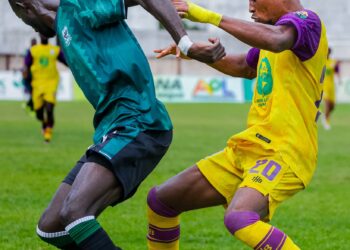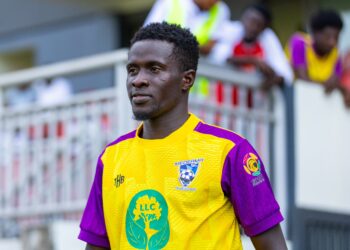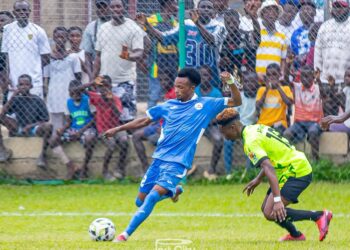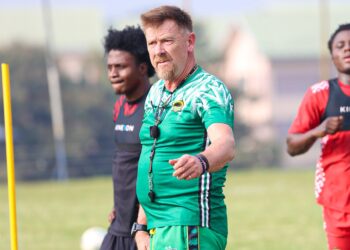


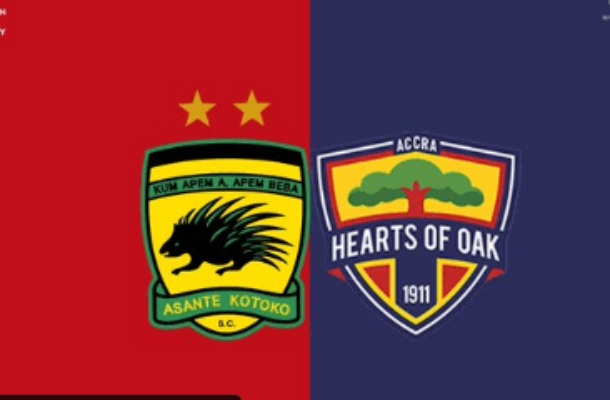
There was a time when Ghanaian clubs did not just compete in Africa. They terrified Africa.
Back then, when Accra Hearts of Oak or Asante Kotoko arrived in continental competition, there was genuine fear. Stadiums were packed. Nights felt historic. Ghanaian football carried weight.
Real weight. On December 17, 2000, Hearts of Oak reached the peak of that power.
The famous “64 Battalion” defeated Tunisian giants Espérance 3-1 in a chaotic and unforgettable night at the Accra Sports Stadium to win the CAF Champions League 5-2 on aggregate. That victory completed a historic continental treble ; GPL title, FA Cup, and CAF Champions League; making Hearts the first and only West African club to achieve it.
It felt like Ghanaian football had touched the sky. But Hearts were not alone in carrying Ghana’s continental pride. Asante Kotoko had already built its own dynasty decades earlier.
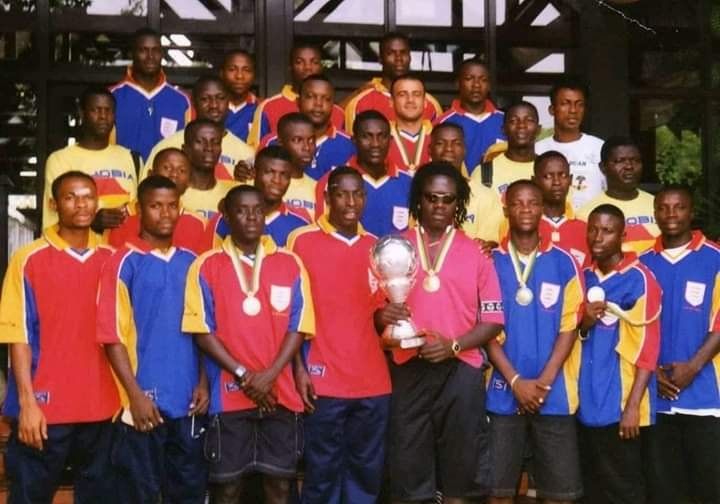
The Porcupine Warriors conquered Africa in 1970 and 1983, winning the CAF Champions League twice and reaching several other finals. Their consistency across generations earned them recognition as one of Africa’s greatest clubs, with some football historians even describing them as the African Club of the 20th Century.
Kotoko did not just win trophies. They built mythology. From Opoku Nti to Karim Abdul Razak, from Baba Yara Stadium nights to continental finals against Al Ahly and TP Mazembe, Kotoko represented power, intimidation, and prestige.
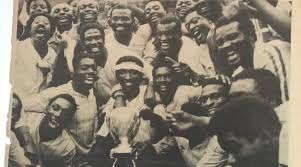
Hearts and Kotoko were not simply football clubs. They were institutions. But fast forward to 2026, and the contrast is painful.
The shine has faded. The fear factor is gone. And a difficult question now hangs over Ghana football:
Are Hearts and Kotoko cooked?
While the names remain massive, the reality looks very different. Smaller clubs are now winning league titles.
Medeama. Samartex. Bibiani Gold Stars. Meanwhile, the two giants spend more time changing coaches than building dynasties. The truth is, the decline did not happen overnight.
After Hearts conquered Africa in 2000, they remained dominant for years. They won league titles in 2001, 2002, 2004-05, 2006-07, and 2008-09. They even added another continental trophy in 2004 by winning the CAF Confederation Cup.
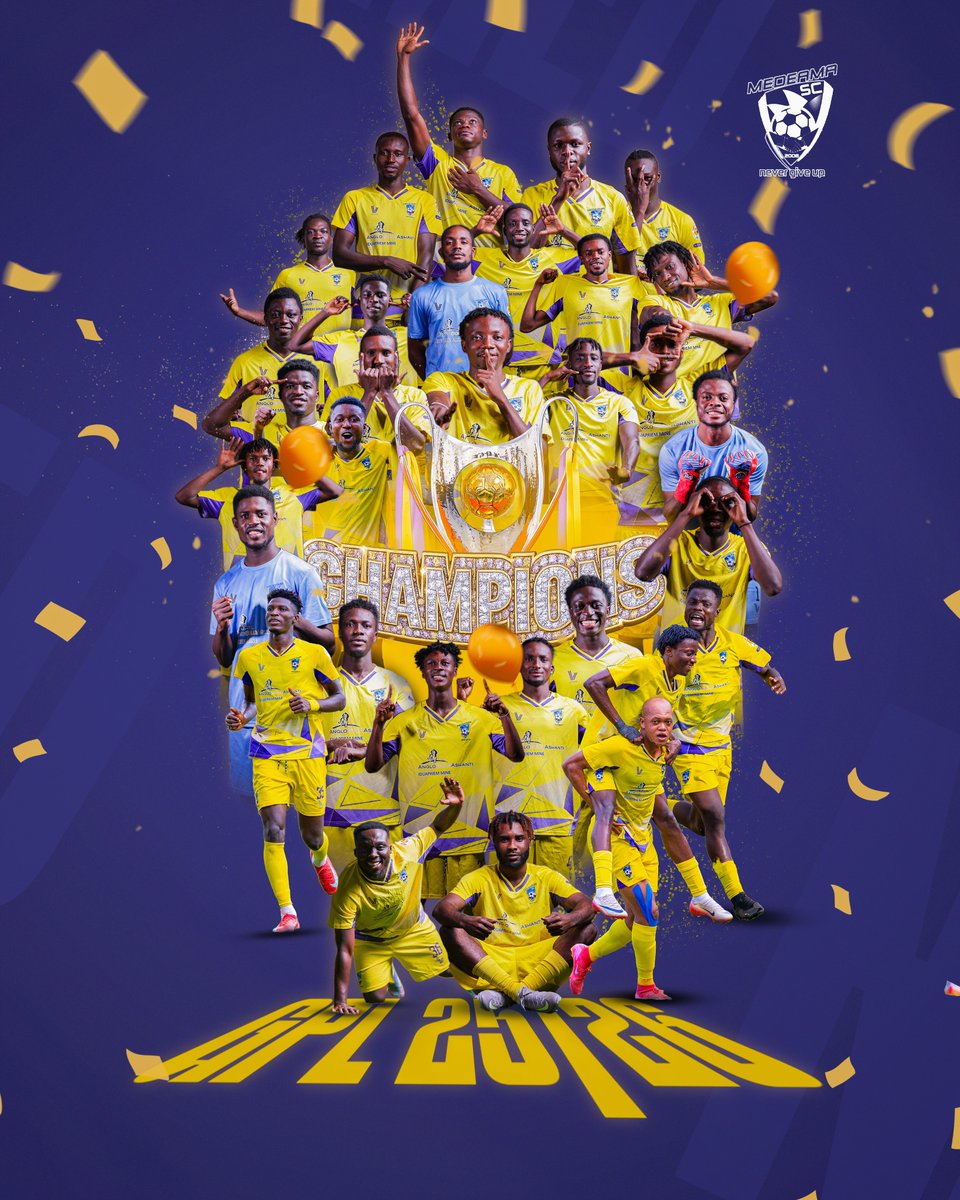
Kotoko also remained competitive domestically and continentally for years after their golden eras.
So this was never an immediate collapse.
It was slower than that.
More subtle.
Like watching a giant slowly lose its balance.
Now look at the modern landscape.
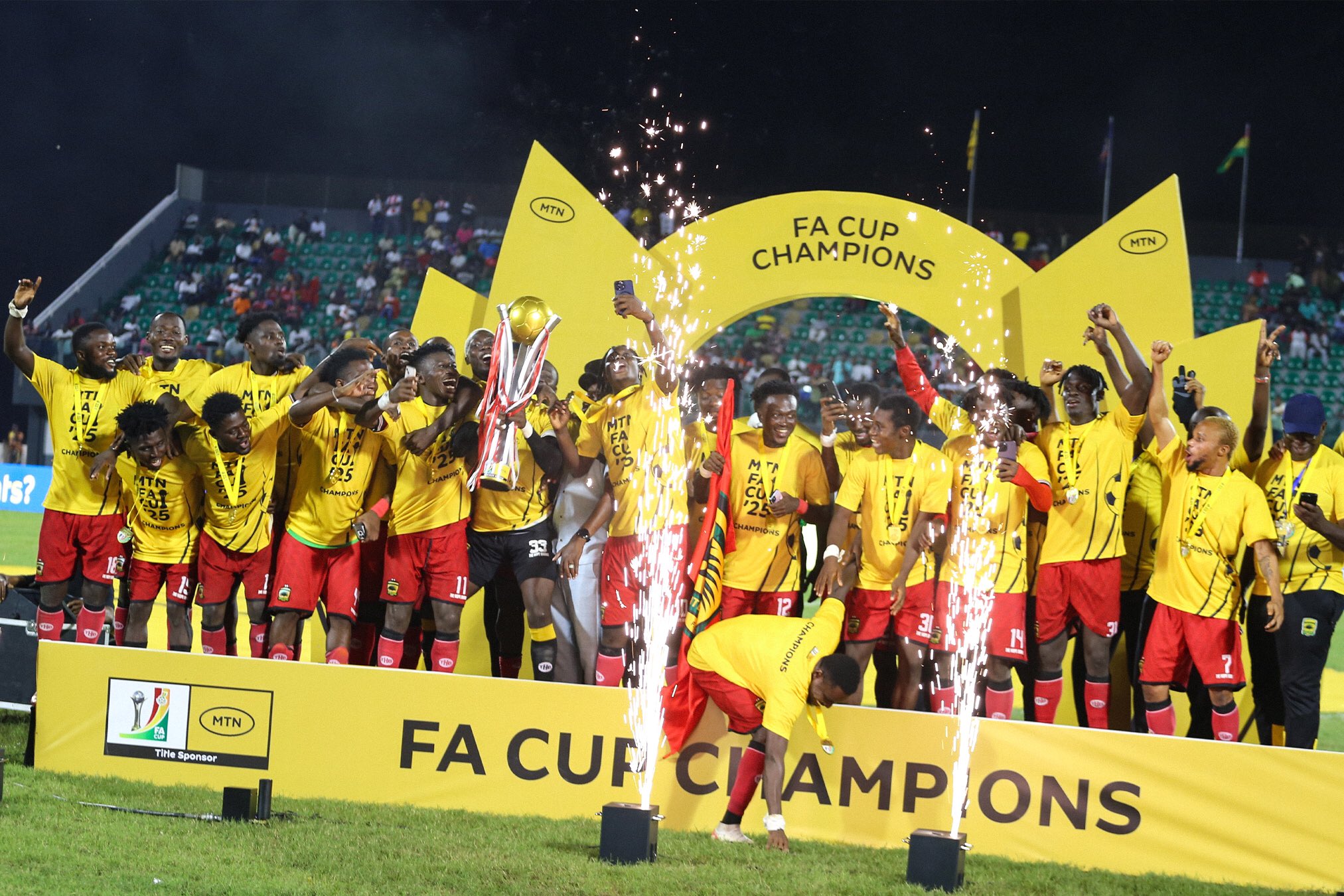
Hearts’ last league title came in 2020-21 under Samuel Boadu. Since then, there have been flashes of competitiveness but no real dominance. The club won back-to-back FA Cups in 2021 and 2022, but since then, the trophy cabinet has remained untouched.
Even more worrying is the instability.
Since winning the CAF Champions League in 2000, Hearts have gone through nearly 30 coaches, including interim appointments.
Think about that for a second.
Nearly 30 coaches.
From Cecil Jones Attuquayefio to Herbert Addo, Kosta Papic, Kenichi Yatsuhashi, Kim Grant, Samuel Boadu, Slavko Matić, Martin Koopman, Aboubakar Ouattara, and most recently Didi Dramani ; the turnover never stops.
And every new coach arrives promising “rebuilding.”
But rebuilding never truly happens because patience barely exists anymore.
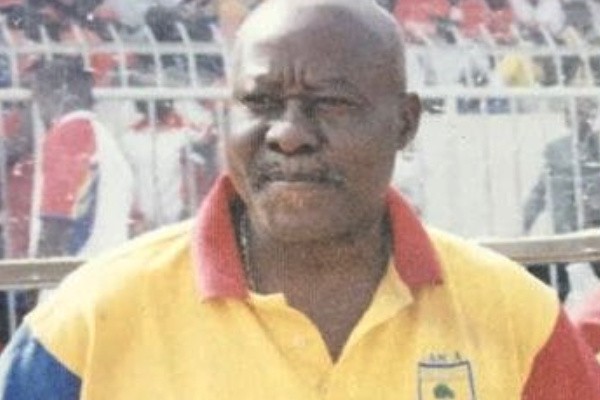
The latest example was Didi Dramani.
He finished third in the 2025-26 Ghana Premier League season and built one of the strongest defensive sides in the league, conceding only around 15 goals.
Still, it was not enough.
No trophy meant no future.
Kotoko are not very different.
Yes, they won the 2025 MTN FA Cup and added the Champion of Champions trophy, but league consistency remains a problem. Since winning the GPL title in 2021-22, they have struggled to maintain momentum while coaching changes continue to disrupt progress.
Prosper Narteh Ogum brought success.
Then came Seydou Zerbo.
Then Ogum again.
Then Karim Zito.
Then another transition.
The cycle keeps repeating itself.
And while Hearts and Kotoko continue searching for stability, the rest of Ghana football has moved on.
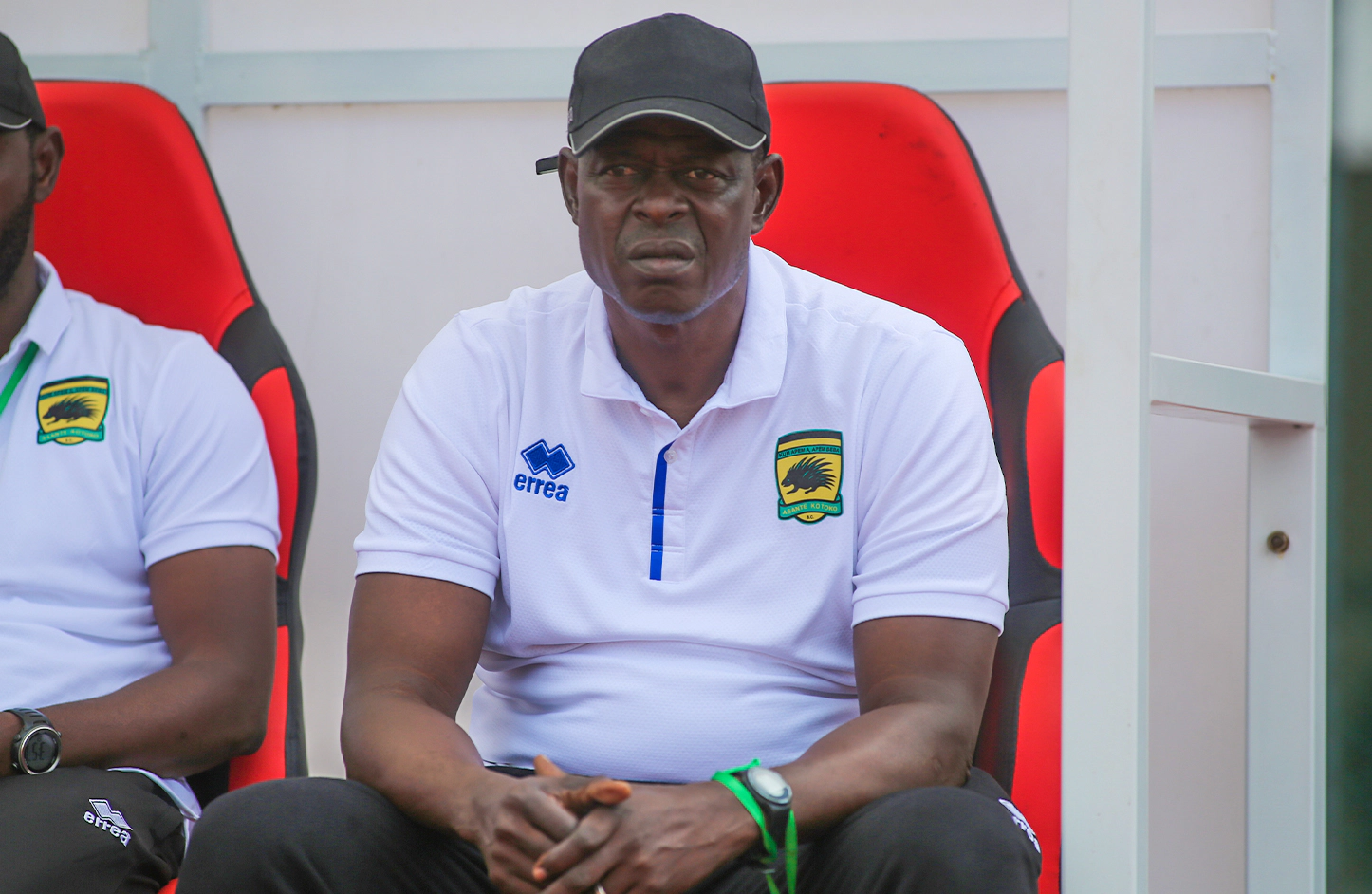
Clubs like Medeama and Samartex now look more modern, more patient, and in some ways, more functional.
That is the uncomfortable reality.
For the first time in decades, Hearts and Kotoko no longer feel untouchable.
Even on the continent, Ghana’s biggest clubs have become almost invisible.
CAF competitions used to be their stage.
Now, early exits have become normal.
North African clubs dominate financially and structurally. South African clubs are operating on another level professionally. Moroccan football has exploded with investment and infrastructure.
Meanwhile, Ghana’s giants are still battling the same problems:
coaching instability
financial issues
poor player retention
administrative chaos
and inconsistent long-term planning

The biggest issue may actually be identity.
What exactly are Hearts and Kotoko today?
Are they development clubs?
Title challengers?
Commercial brands?
Rebuilding projects?
Nobody seems fully sure anymore.
And yet, despite all of this, calling them “finished” still feels dangerous.
Because clubs this big never truly die.
The fanbases remain enormous.
The rivalry still stops the country.
A Hearts vs Kotoko match still feels bigger than any other fixture in Ghana.
That cultural power still matters.
But culture alone cannot win trophies forever.
At some point, structure must return.
Modern football punishes disorganization brutally.
And right now, that is where both clubs are struggling the most.
So are Hearts and Kotoko cooked?
Not completely.
But they are no longer African giants either.
What we are watching is not death.
It is something more uncomfortable:
a long, painful struggle to stay relevant in a football world that has moved forward faster than they have.
The good news?
History still gives them a chance.
Few clubs in Africa possess their level of support, history, pressure, and emotional connection.
But history alone cannot carry a football club forever.
Sooner or later, the rebuilding must become real.
Otherwise, two of Africa’s greatest football institutions risk becoming permanent memories instead of living powers.
And honestly?
That would be one of the saddest stories in African football.