

FIFA has responded to criticism over visible empty seats at World Cup matches after questions were raised about attendance figures during South Korea’s 2-1 victory over the Czech Republic in Guadalajara.
The match at Estadio Akron was officially reported as attracting 44,985 spectators in a stadium with a capacity of approximately 46,000. However, television images showing noticeable sections of empty seats prompted accusations that attendance numbers had been inflated.
In a statement, FIFA rejected those claims and explained that official attendance figures are based on ticket scans and spectators present within the stadium complex rather than the number of fans visibly sitting in their seats at any given moment.
“Official attendance figures reflect the number of tickets scanned and spectators present within the stadium footprint, rather than visual assessments of seating occupancy at any given moment during the match,” FIFA said.
The governing body added that many supporters were watching from concourse areas instead of remaining in their allocated seats throughout the game.
FIFA also released a photograph showing the venue appearing close to capacity, seeking to counter suggestions that large numbers of seats had remained unsold.
Ticket Demand Under Scrutiny
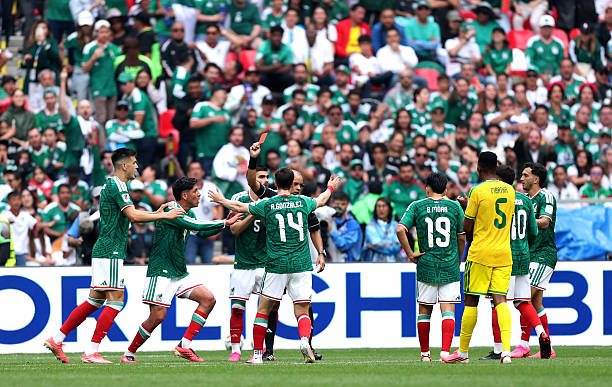
The issue has reignited debate around ticket sales and fan attendance at the expanded 48-team World Cup, which is being hosted across the United States, Mexico and Canada.
Before the tournament, concerns had already emerged regarding high ticket prices, fluctuating resale values and the availability of seats for matches involving less prominent nations.
Thursday’s fixture in Guadalajara attracted a sizeable South Korean following, but there appeared to be a relatively small Czech contingent, partly due to the team’s late qualification in March and the demanding travel schedule facing supporters.
Questions over attendance were also raised during Canada’s Group B clash against Bosnia and Herzegovina in Toronto, where television broadcasts showed significant patches of empty seats after half-time before crowds gradually returned to their sections.