

In hindsight, world football governing body FIFA would have regretted having Spain taking on England in the 2026 FIFA World Cup Final looking at the stark difference in quality between the two sides.
At least based on what happened in the semifinals, this year’s World Cup Final was bound to be a one-sided, boring game, dominated by Spain running rings around Thomas Tuchel’s men mainly due to Spain’s overwhelming quality exposing the technical limitations in England’s team.
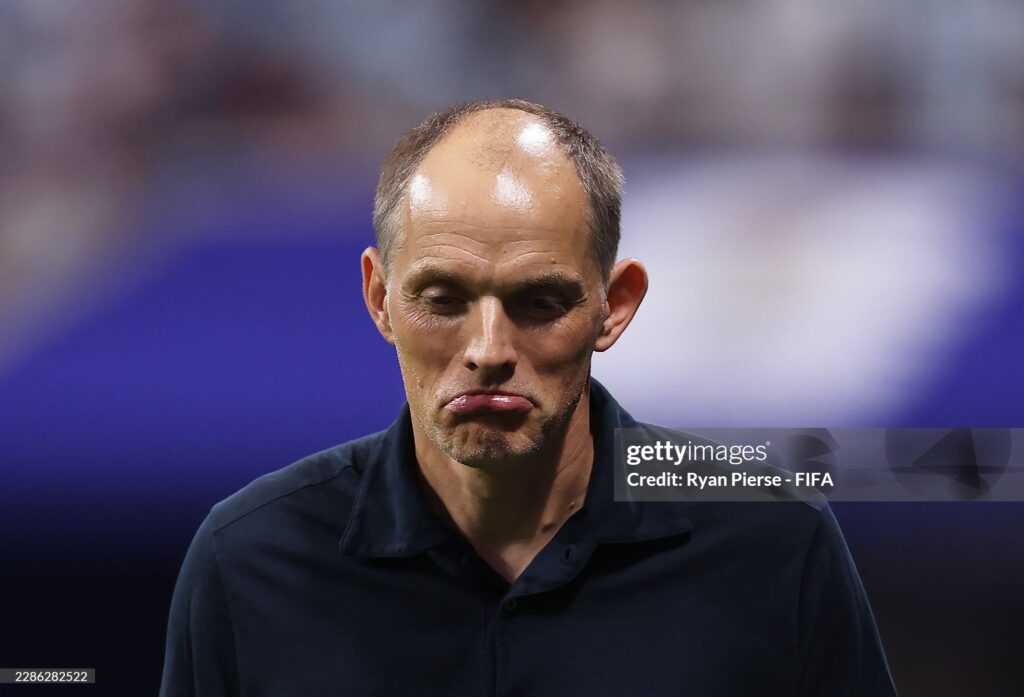
As the massive fallout from England’s loss continues in the King’s Land, the repercussions are far reaching and consequential than many imagine particularly over the future of manager Thomas Tuchel.
For a man who was billed as the one to deliver the crucial fine details that went amiss under his predecessor Gareth Southgate [bravery against elite teams like Argentina and not just against non-elite teams like Mexico], he failed to do so.
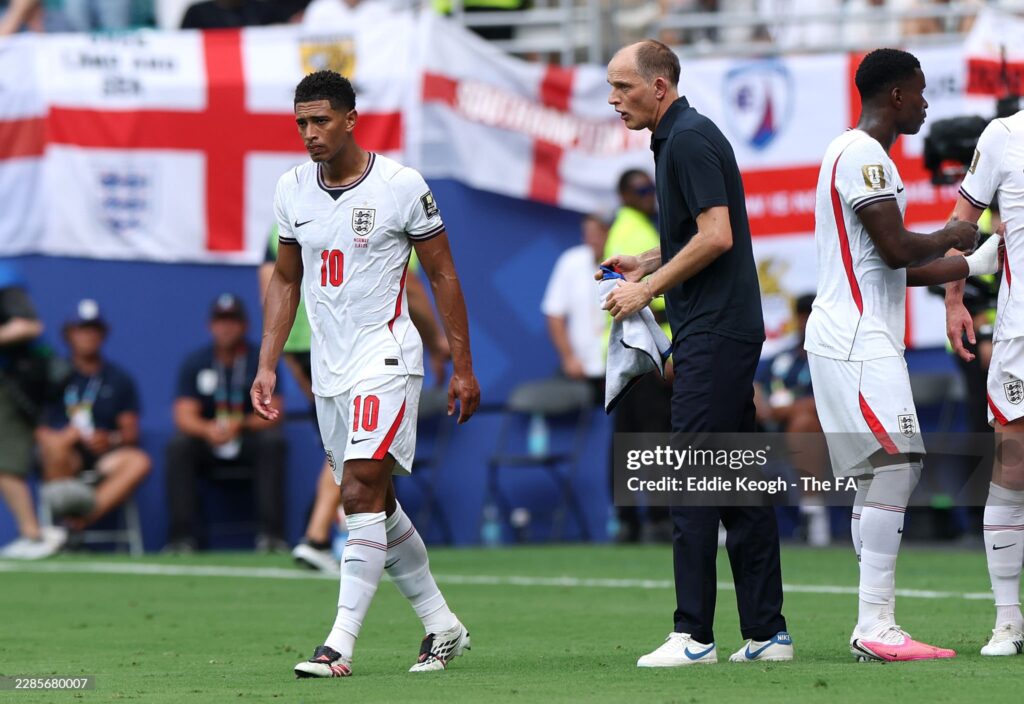
For that and the brewing discord between him and the team particularly key players like Jude Bellingham, a quicker than expected divorce is the best thing for England.
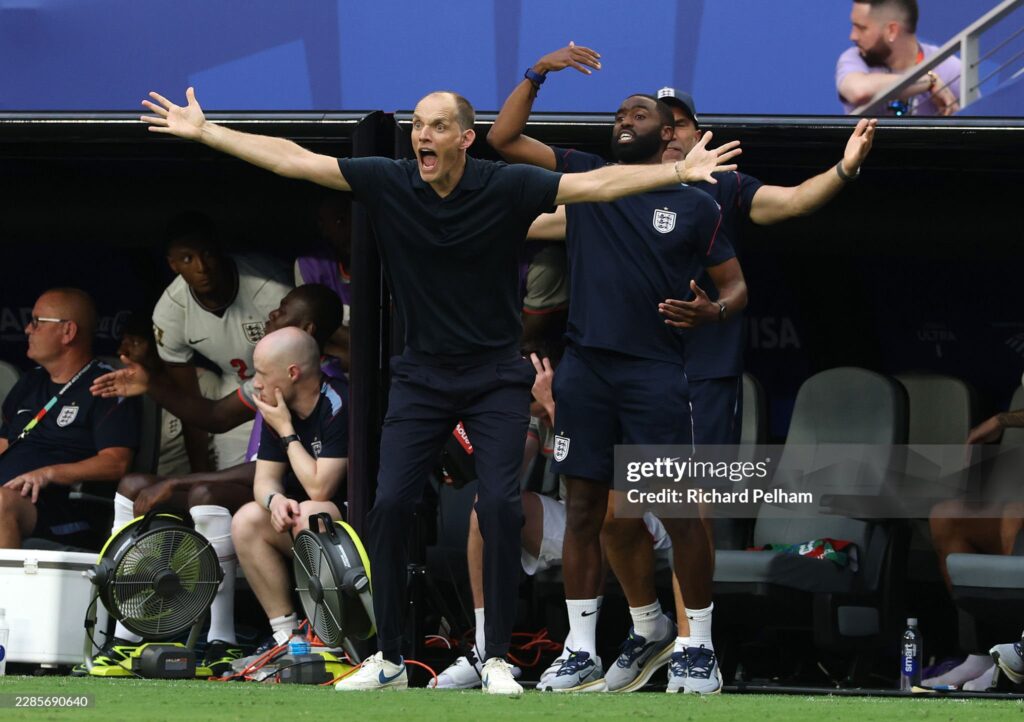
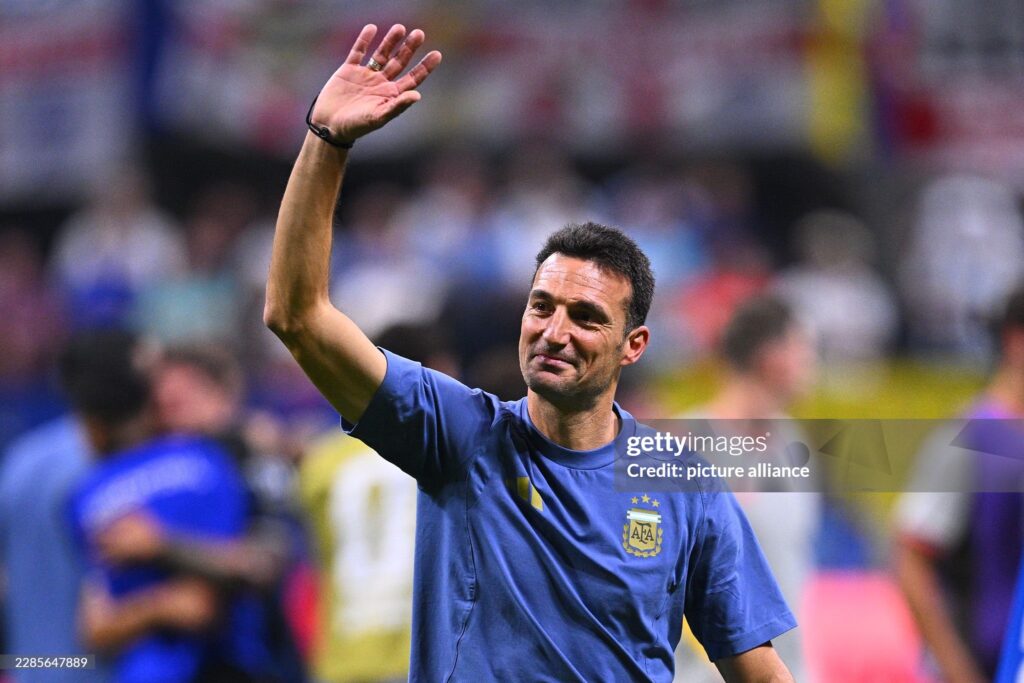
Should the calls for Tuchel’s exit continue, from all indicators, Pep Guardiola is a non-starter as Tuchel’s replacement and that is a blessing in disguise as this presents an opportunity for England to toe the line of 2026 World Cup finalists Spain and Argentina. Both finalists don’t have a headline name running affairs from the bench in Lionel Scaloni and Luis De La Fuente but both have proven to be more than competent of achieving big things despite their “humble” coaching backgrounds.
A similar path could lead England to Rob Edwards, a young English coach who has shown massive potential despite working with less quality in the English Premier League at Luton Town and Wolverhampton Wanderers.

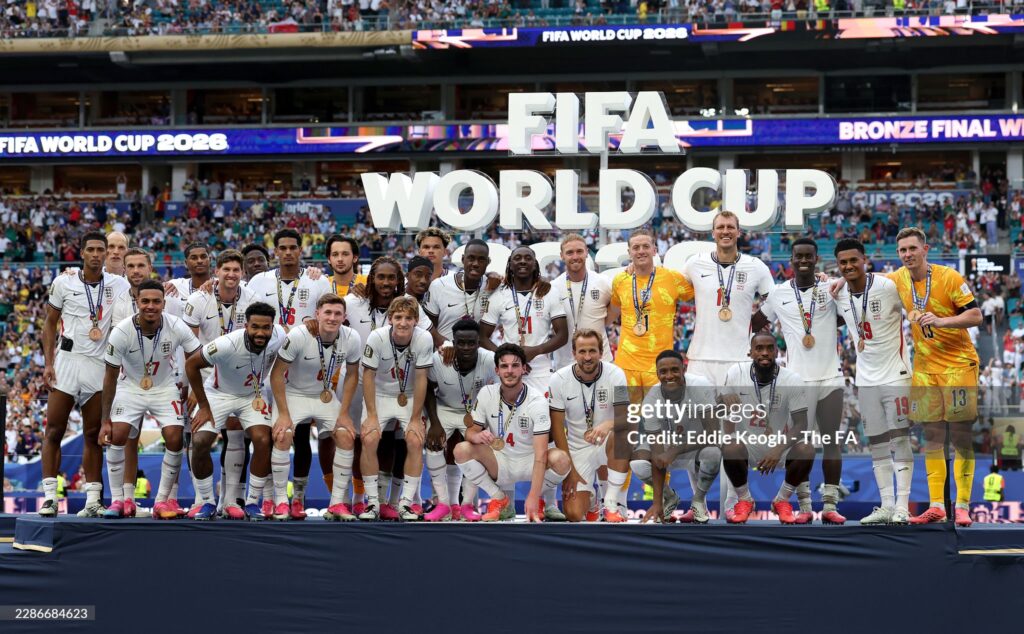
Replacing Tuchel was the growing consensus until the former Chelsea manager’s Three Lions’ scrapped through a very entertaining bronze medal game against France to finish third in the tournament via a 6-4 win. Winning bronze marked England’s best ever finish at the World Cup since winning the title in 1966 so it turned out that the game Tuchel flat out condemned might just have turned out to be his career after all in a major storm of criticism.
While Thomas Tuchel’s stay for now looks safe, the margin for error has dwindled to the point where a poor run of results in friendly games in the lead up to the 2028 European Championship could push the shot callers to sack him before England, Scotland, Wales and Ireland host the next Euros.
Now to the 2026 FIFA World Cup Final and styles make fights and though Argentina are a better side technically overall than England, they like England, don’t do what Spain excel in.
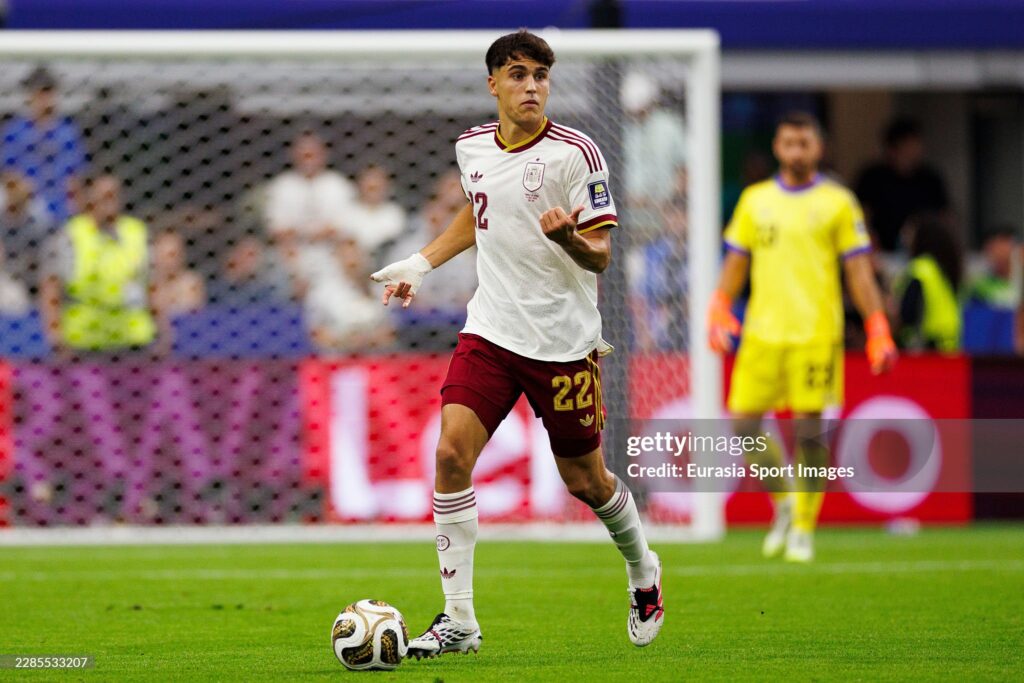
Between the 55th minute and 84th minute, England registered just three successful passes against Argentina while the Lionel Messi-led group registered 122 successful passes according to Opta before scoring the equaliser in the 85th minute en route to a 2-1 win. Spain on the other hand, have three players who occupy the top three spots in completed passes category among all players at the World Cup in Rodri, Pau Cubarsi and Aymeric Laporte respectively.
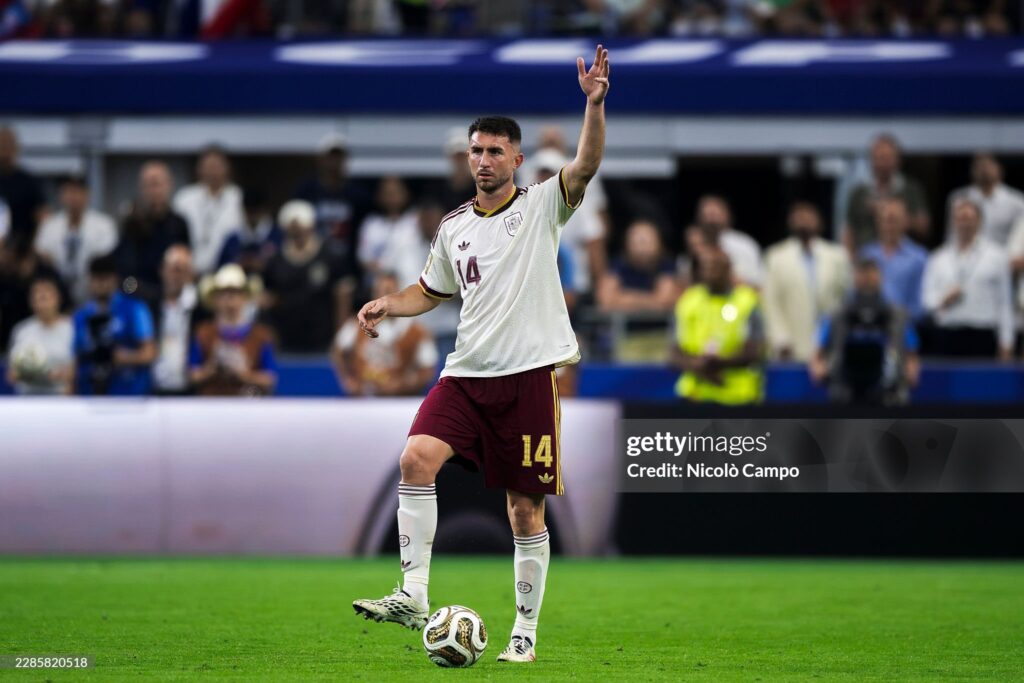
Possessing the ball was what England lacked in the crucial moments against Argentina but De La Fuente’s Spain are masters of that art and they used it to devastating effect to make the swash buckling French team look very ordinary. It’s not just about the sheer number of passes but about the sheer quality of the passes that does the trick for Spain because Laporte (91) and Cubarsi (83) are the defenders who have played the most line breaking passes in the 2026 FIFA World Cup.
That kind of quality beats any brilliant form of pressure from opposing teams in the half of Spain including the kind the French offered with their collection of athletic players. This is set to happen against Argentina even if Lionel Messi’s running mate in attack, Julian Alvarez, has delivered the most intense pressures (318) in an opposing team’s half than any other player in the past two World Cups.
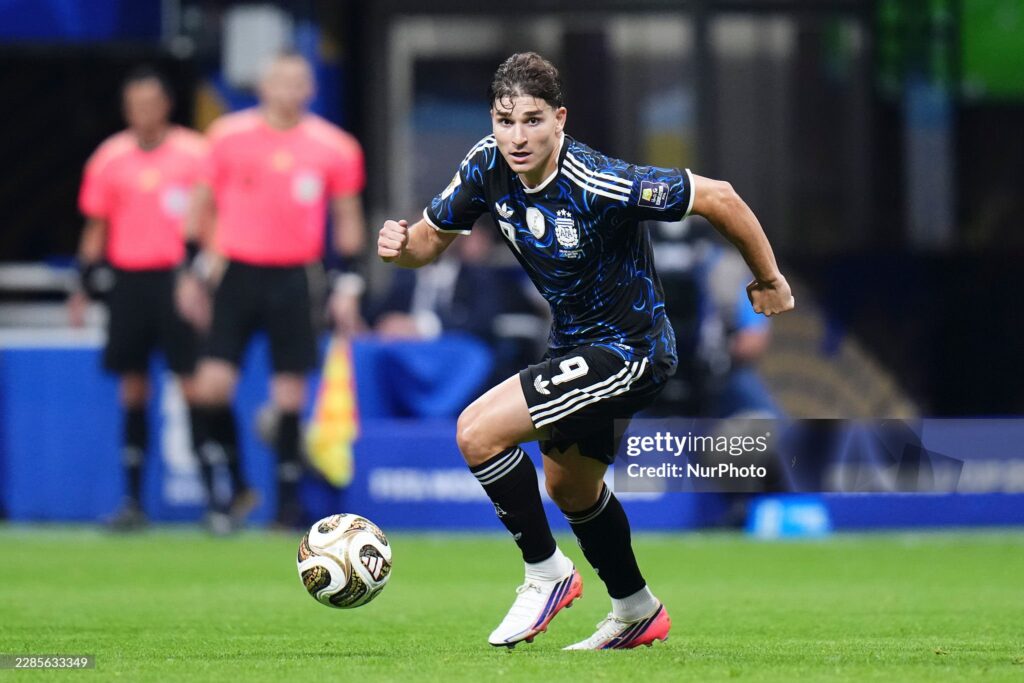
Staying on the theme of passes, the Spanish have weaponized this facet of the game as the key item to propel their tournament leading defensive front. Through seven games in this year’s World Cup, Spain have conceded just once and have done so mainly by limiting the scoring opportunities opponents get through possession denial; if you don’t get the ball, how can you score?
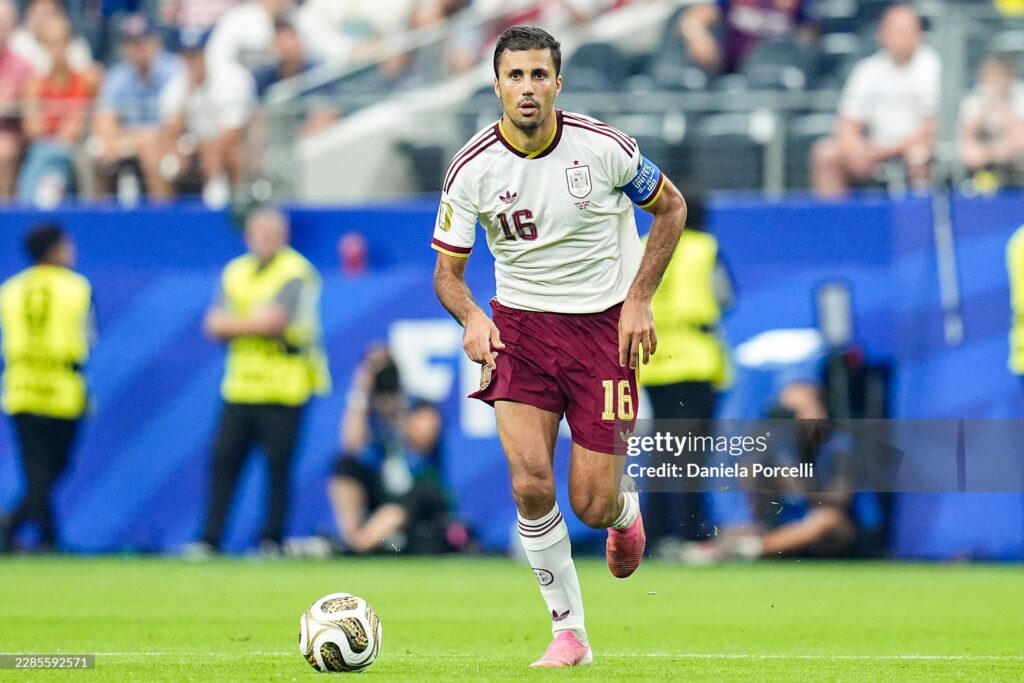
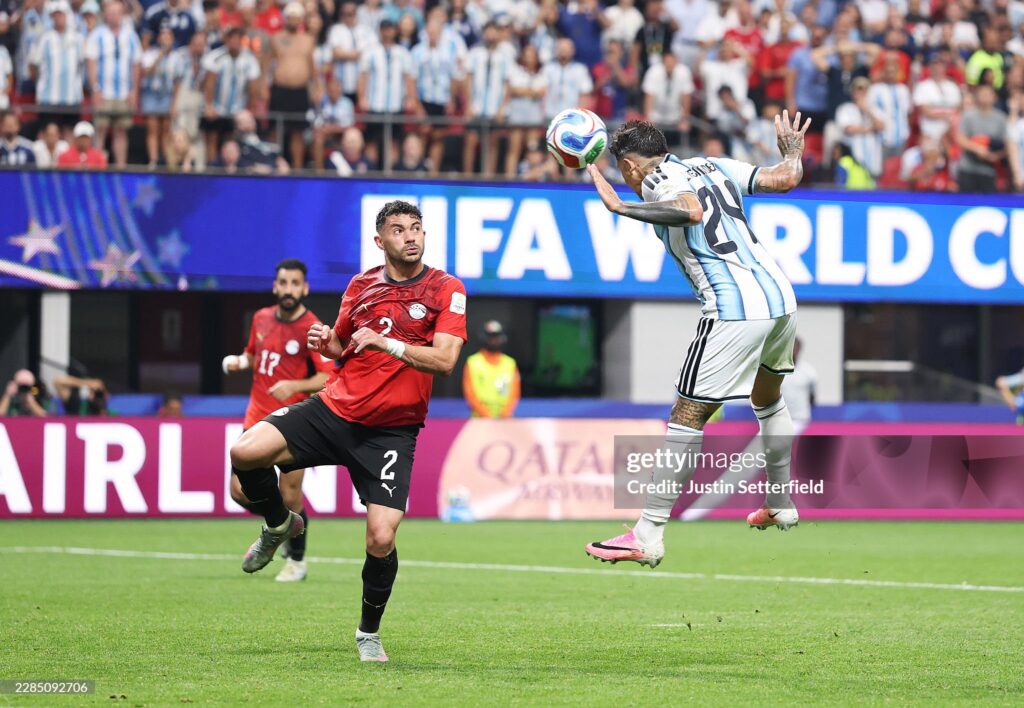
On the flip side, Argentina have struggled to keep teams out by conceding in every game they have played in the knockout stage including conceding twice against Cape Verde and Egypt apiece. There is no shame conceding against England but conceding goals against teams with far inferior attacks than Spain isn’t exactly the kind of momentum to have going into the final.
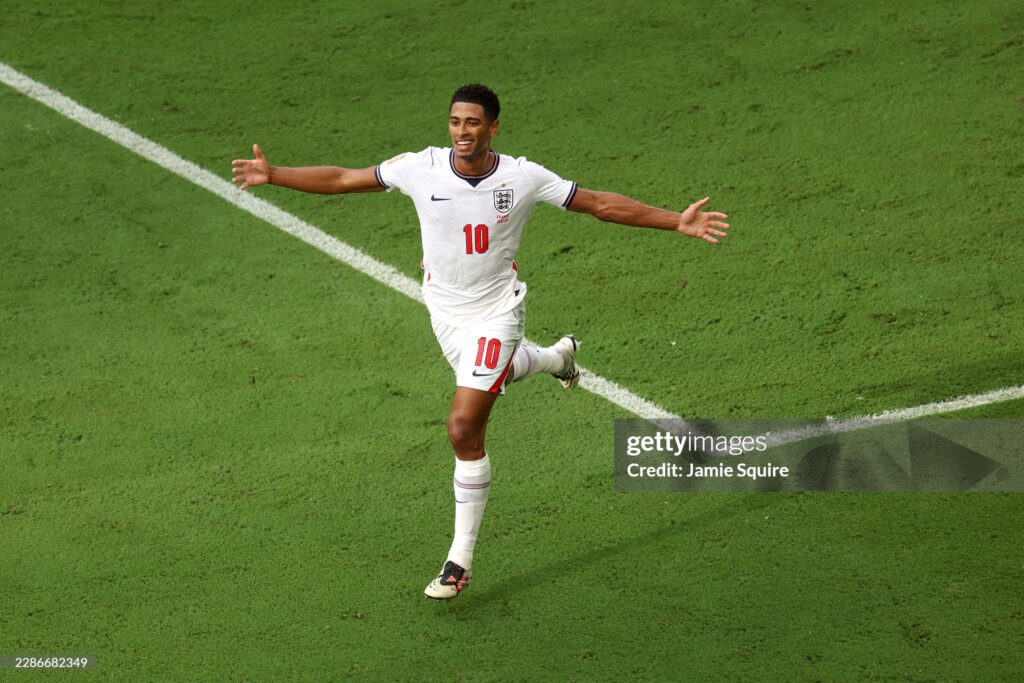
Beyond keeping the ball away from opponents to hold them at bay, out-possessing teams has also given Spain ultimate control of games. Dictating the rhythm in games or lack thereof, has led to the collapse of many a team in this World Cup; bet Senegal wouldn’t want to have a play back of that game against Belgium. England’s ordeal in the second half against France was only saved by a hydration break and only God knows what would have happened to Jude Bellingham and company had that timeout not come in to save them.
Argentina scored three times against Egypt in 14 minutes after trailing 2-0 through 78 minutes in their round of 16 fixture. While Argentina thrive in chaos, Spain opt for methodical often boring but incisive ways of scoring and then go about pacing themselves to bag wins.
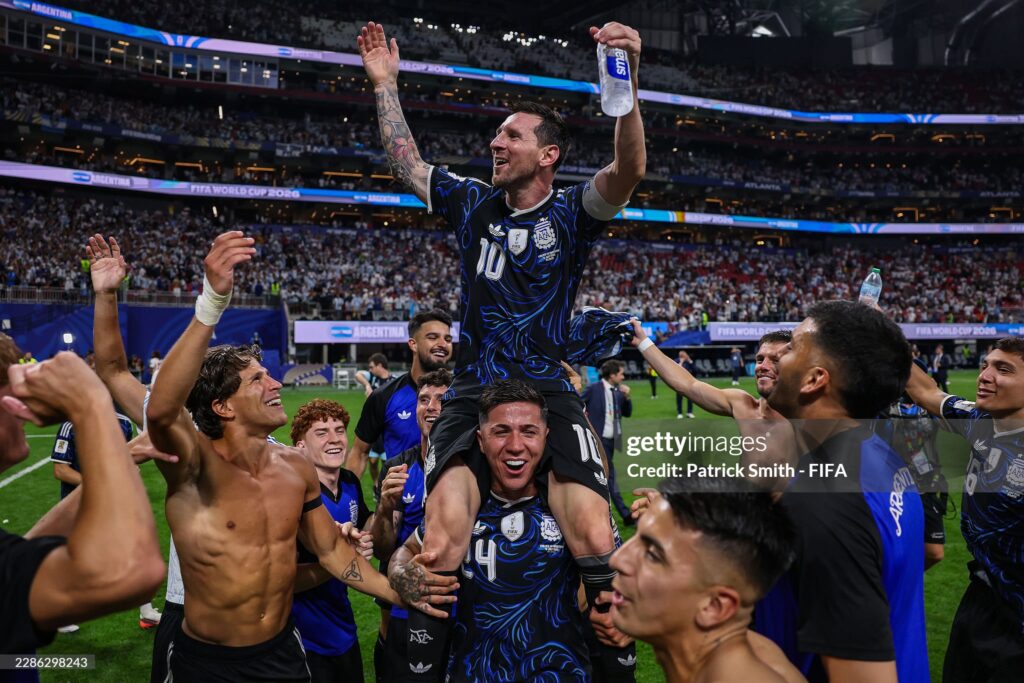
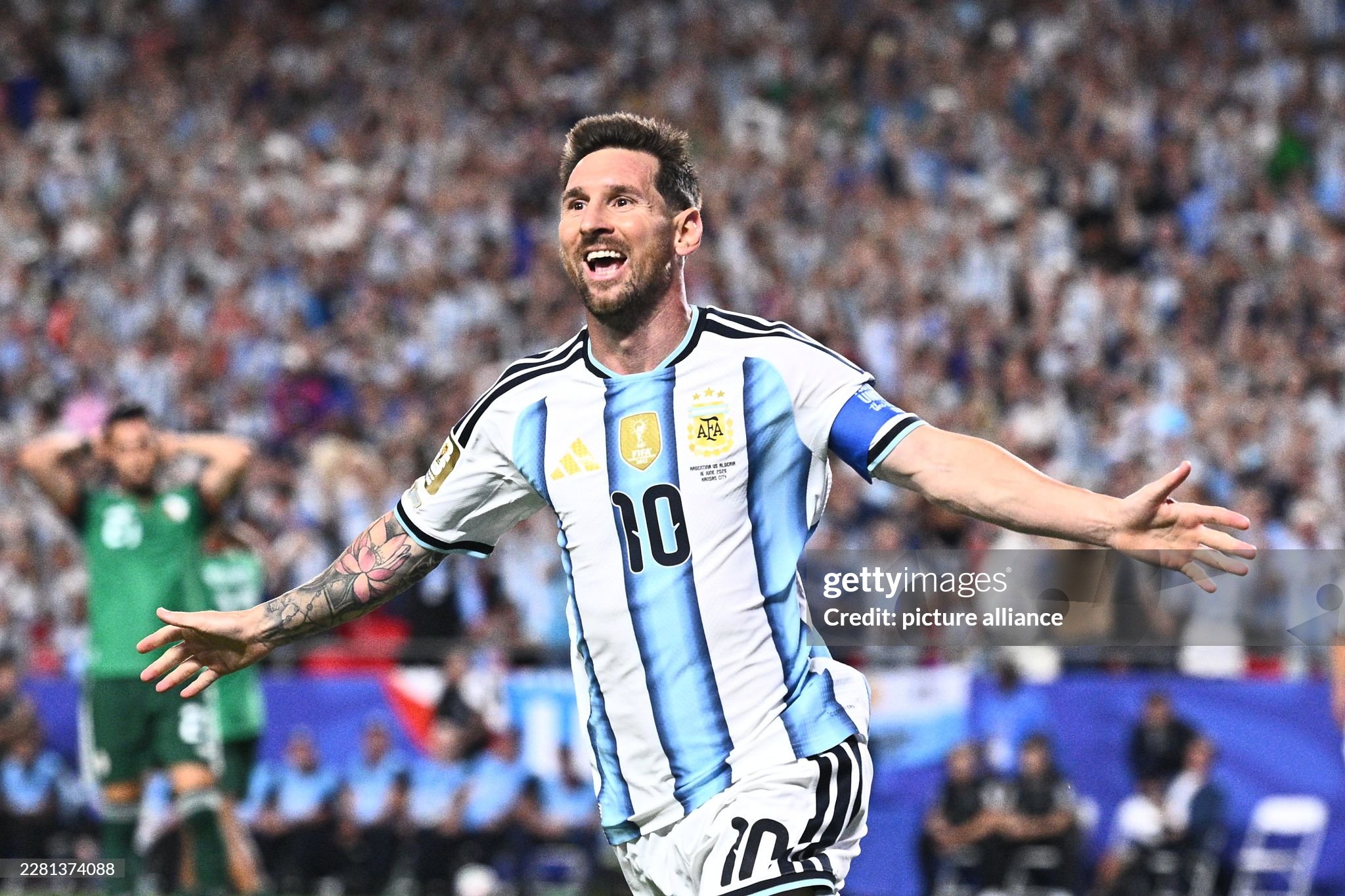
Realistically, this is Lionel Messi’s last World Cup and Sunday’s game is very likely his final game in an Argentine shirt on the world’s biggest football stage and regardless of the outcome against Spain, the Inter Miami man will win the Golden Ball Award. That will mark the third time he wins the award considering no player in the final has left his mark on this World Cup than Messi.
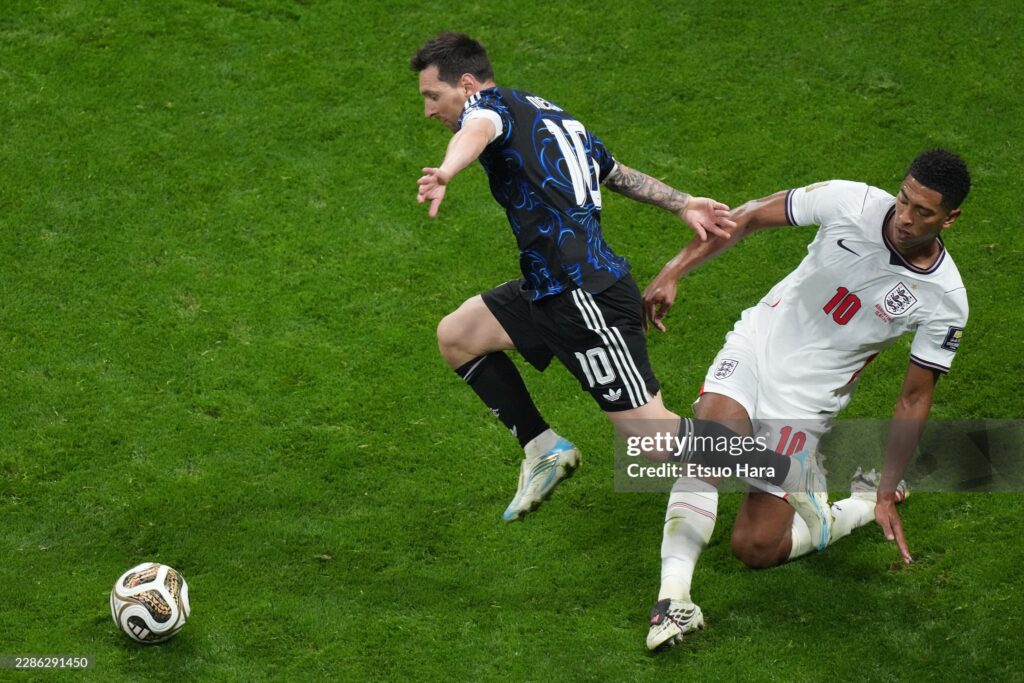
While Rodri has been brilliant, he is very much the definition of Spain’s wholesome system whereas Messi is the outlier to a system that functions best by running through him hence the description-the Lionel Messi Complex. It will surely help Spain’s course to keep Messi in the middle of the park as long as possible to constantly keep him in the line of vision of the defensive line rather than having him operate from the wings where he often bends defenses out of their structure leaving gaps in the middle for his teammates to exploit.
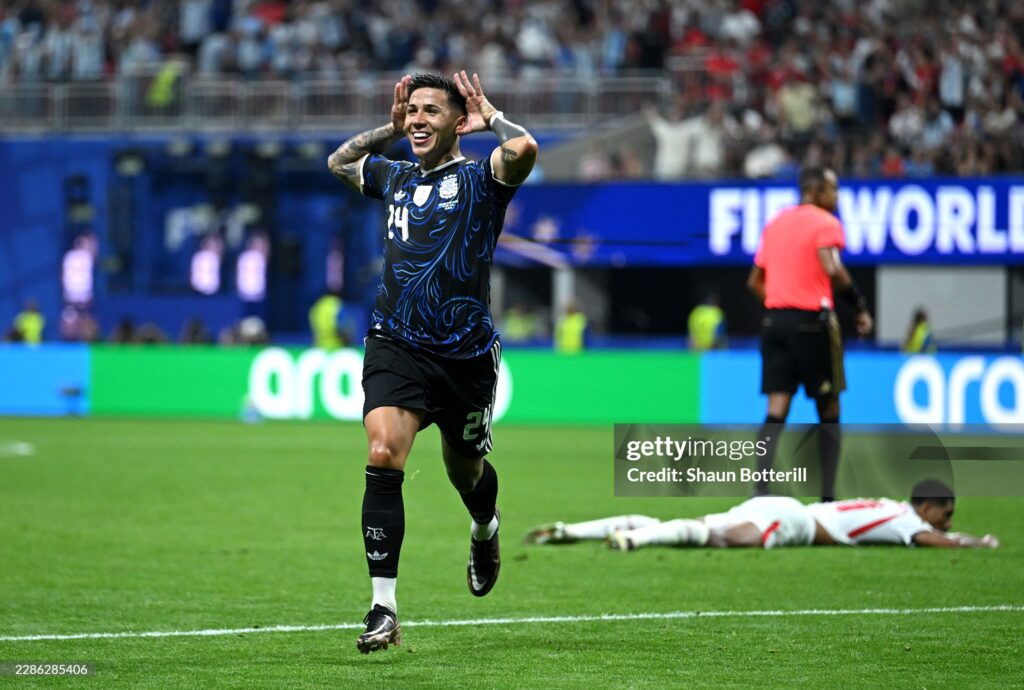
Enzo Fernandez’s crucial goal against England came after Messi bent the backline out of shape by having Elliott Anderson, Djed Spence and Harry Kane cave in to stop his cross only to leave Fernandez unmarked at the edge of the penalty box to receive Messi’s pass and strike at goal.

After five years, Spain’s playing unit has too much confidence in De La Fuente’s system to panic and break character even with Messi on the opposite side and playing inverted full backs is one sure way of reducing Messi’s threat from the laterals.

However, Spain’s biggest trump card-passing- solves this complexity by getting the Argentines to run around chasing the ball and in the process, empty the little fuel they have left in the tank after making those grueling comebacks that included two wins after extra time. If there ever was a team to take down an excellent super motivated French side, it was Spain and if there is a team built to foil Lionel Messi’s fairy tale ending, it is Spain.