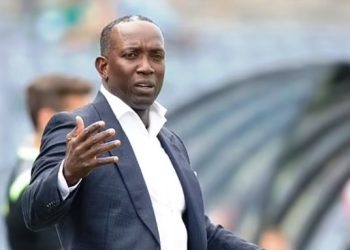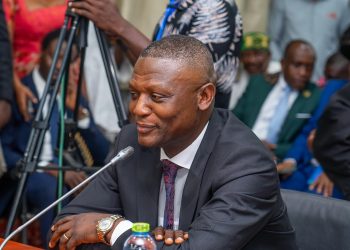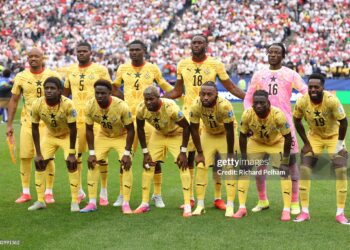


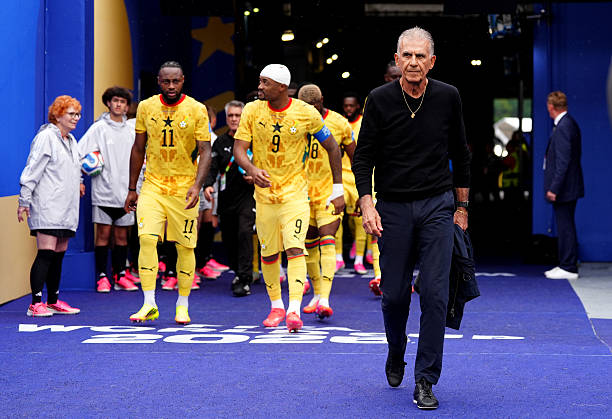
Former Black Stars midfielder Emmanuel Agyemang Badu has questioned the Ghana Football Association’s approach to repeated coaching changes, following the mutual dissolution of its contract with Carlos Queiroz.
The GFA and Queiroz agreed to part ways on Wednesday, October 1, 2026, less than 48 hours after Ghana suffered a 4-2 home defeat to The Gambia in the 2027 Africa Cup of Nations qualifiers.
The defeat left the Black Stars without a point from their opening two Group C matches, having also lost 2-0 to Côte d’Ivoire in their first qualifier.
While Agyemang Badu acknowledged that the results justified scrutiny of the coach, he believes Ghana must look beyond the technical bench to understand the recurring problems affecting the national team.
Speaking exclusively to Citi Sports, he questioned why coaching changes continue to be the primary response.
“Why always the coaches alone? We need to find a deep root of what is happening because if for seven years or six years, we have sacked six coaches, that means the entire problem doesn’t lie on the coaches.”
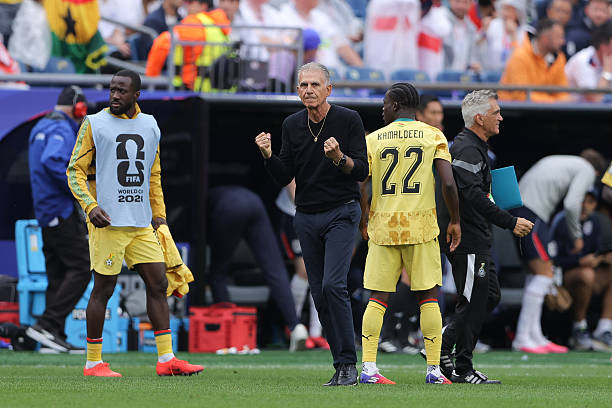
Agyemang Badu said he was therefore not surprised by Queiroz’s departure given the Black Stars’ results, but insisted the wider issues within Ghanaian football must also be examined.
“But I’m not surprised of the sack because the results speak for itself,” he added.
The former midfielder also identified continuity and consistency as key areas Ghana has struggled with in its attempts to rebuild the Black Stars.
He questioned whether the focus has been too heavily centred on qualifying for tournaments rather than developing a sustainable national-team model.
“Forming a national team needs continuity and consistency as well. So, it’s all the time about the coaches. Is it that we concentrate only on tournaments? Is it that we want to build a team and leave a legacy?”
For Agyemang Badu, Ghana’s approach should involve a long-term pathway that connects the various national youth teams to the senior side.
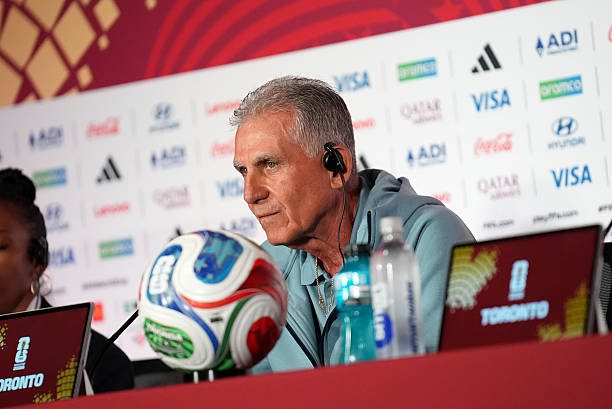
He believes the country should return to developing players from the U17 level through the U20s and U23s, creating a clearer transition into the Black Stars.
“We need to go back to our normal business and try to build a model that was tried from the scratch. That is from the scratch from the U17s while we know at first the U20s, the U23s, so that we can have a transition of some of the players,” he said.
He acknowledged that such a system would not guarantee that every player would successfully make the transition to senior international football, but argued that a structured pathway would provide greater continuity.