


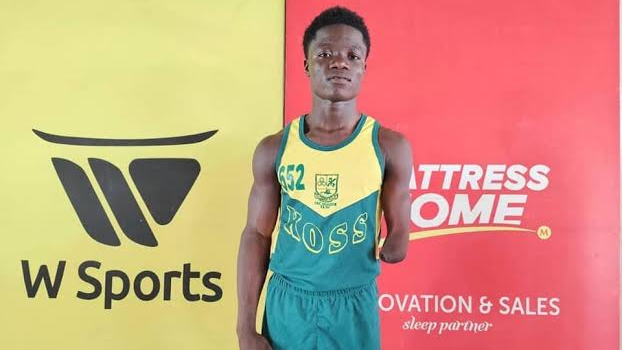
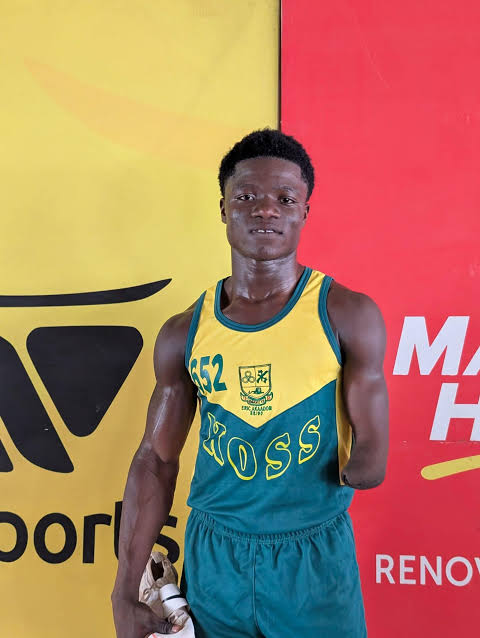
At 17, Hayford Addai is already representing Ghana on the international stage. But his experience at the 2026 Commonwealth Games in Glasgow exposed a gap in the country’s preparation of para-athletes ahead of the Los Angeles 2028 Paralympic Games.
Addai told me he had never used a starting block before. When he arrived in Glasgow and saw the other athletes in his heat using one, he chose not to. Unfamiliar with the equipment, he feared using it could put him at a disadvantage. He later admitted that the decision affected his race.
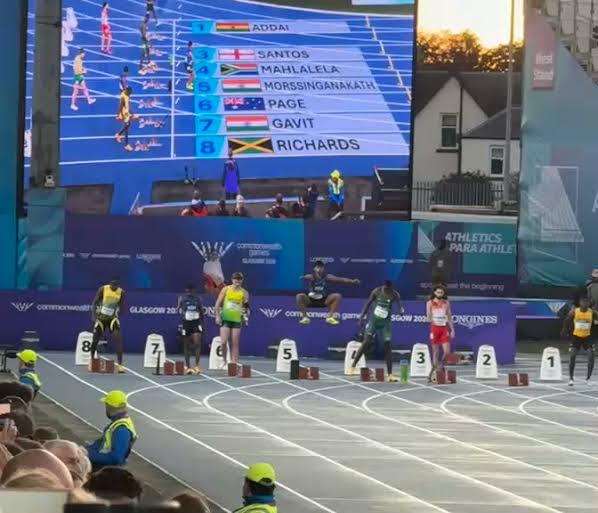
Months after the Games, Addai still has not used a starting block. He believes he needs hand support before he can begin using one, although he continues to train and prepare for future competitions.
At 17, he has time to develop, but he needs the right equipment, guidance and technical support to do so. These are things that should be addressed in training, not at a major international competition.
His experience reflects some of the concerns raised by veteran wheelchair racer Botsyo Nkegbe, who says that despite representing Ghana for 20 years, he has had to fund his own running equipment.
As he prepares for the Los Angeles 2028 Paralympic Games, Nkegbe wants the government to invest in his preparation rather than wait for him to win a medal before rewarding him.
His proposal is simple but telling. He would rather the government invest $9,000 in his preparation and equipment and give him $1,000 if he wins a medal.
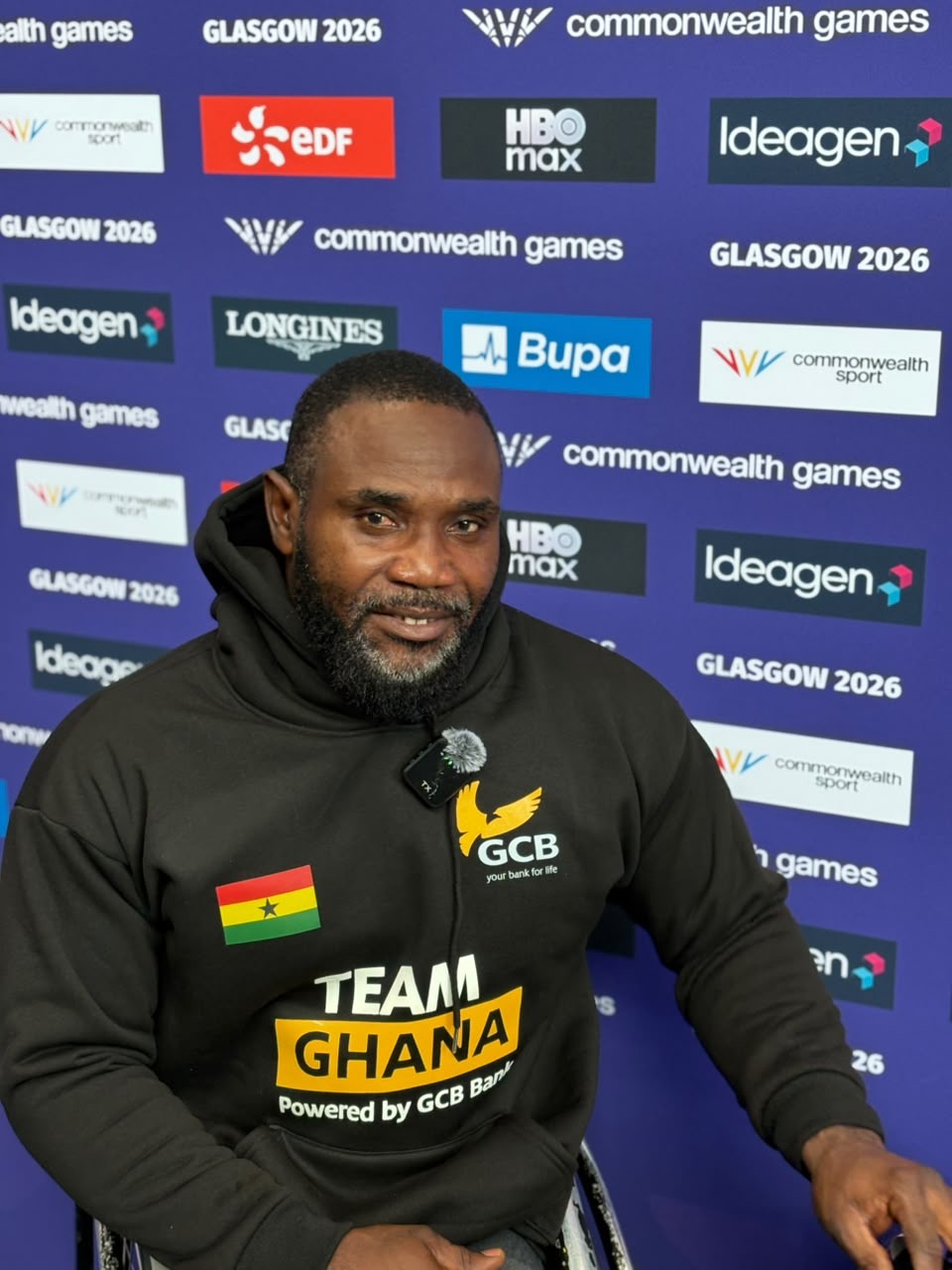
He wants to know that the country has invested in him and given him the resources to compete before expecting him to deliver results. That is a point Ghana’s sports authorities must take seriously.
Ghana celebrates athletes who return from international competitions with medals. Their achievements attract praise and public attention, but the investment required to produce those results often receives less attention. Equipment, coaching, technical support and consistent training opportunities are just as important as the medals athletes are expected to win.
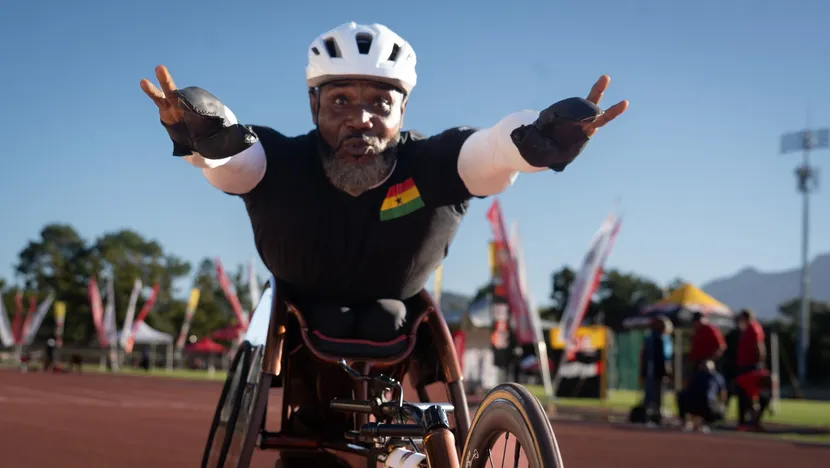
For para athletes, specialised equipment is not a luxury. It is often essential to their preparation and performance. A sprinter who has never practised with a starting block may struggle when faced with one at a major competition. A wheelchair racer who needs specialised equipment cannot simply make do with whatever is available.
Talent and determination are important, but they cannot replace the resources athletes need to compete.
Nkegbe’s proposal challenges Ghana to rethink how it invests in sporting success. Rather than focusing mainly on medal bonuses, Ghana must consider what it takes to prepare athletes to win those medals.
This requires a support system that identifies athletes’ individual needs and provides the equipment and technical assistance they need throughout their preparation.
The National Paralympic Committee of Ghana, the Ghana Olympic Committee, the National Sports Authority and the government all have roles to play. Corporate Ghana must also be encouraged to invest in para sports.
There have been efforts to support Ghanaian para athletes and create opportunities for them to compete internationally. However, the experiences shared by Addai and Nkegbe raise questions about whether existing support is adequate and whether it addresses the specific needs of individual athletes.
Who identifies the equipment each athlete needs? Who pays for it? Can athletes access the equipment during training, long before major competitions? And how quickly do the relevant authorities respond when an athlete identifies a gap?
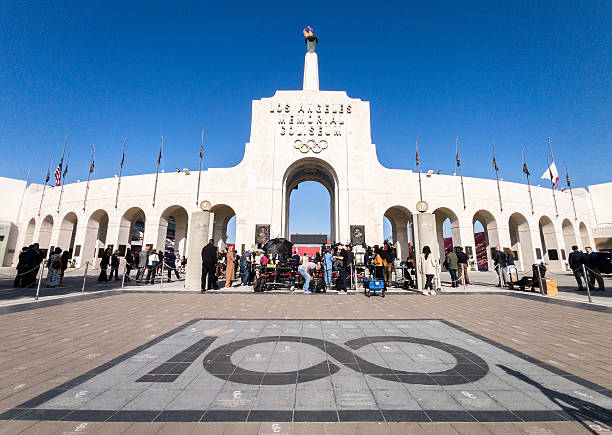
With Los Angeles 2028 approaching, Ghana needs a clear investment plan covering equipment, coaching, technical support, training and international competition exposure. Athletes must also be involved in decisions about their preparation. Those responsible for supporting them cannot adequately address their needs without listening to them.
Addai is 17. Nkegbe has spent 20 years representing Ghana. Their experiences may be different, but both point to the same problem: athletes cannot be expected to compete at the highest level without adequate preparation and support.
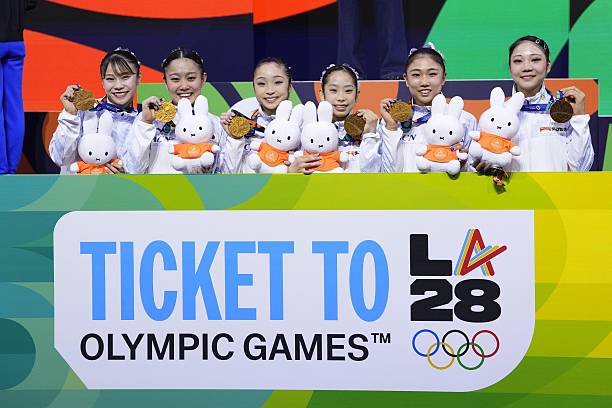
Ghana should celebrate its athletes and reward their achievements. But if the country wants medals in Los Angeles, it must invest in the athletes long before they get there.
Nkegbe has put a figure on what he believes meaningful preparation could look like. The authorities may have a different assessment of the cost, but they must be able to explain what athletes need, what support is available and what more must be done.
Ghana should not wait for Hayford Addai to become a champion or for Botsyo Nkegbe to win another medal before investing in them. If the country wants to celebrate Paralympic success in 2028, the investment must start now.
🎥 🇬🇭 Ghana’s Hayford Addai finished fifth in the men’s 100m T47 at the 2026 Commonwealth Games, recording a time of 11.00 seconds.
#CitiSports https://t.co/pNoh4XRMPQ
— Citi Sports (@CitiSportsGHA) July 29, 2026


