

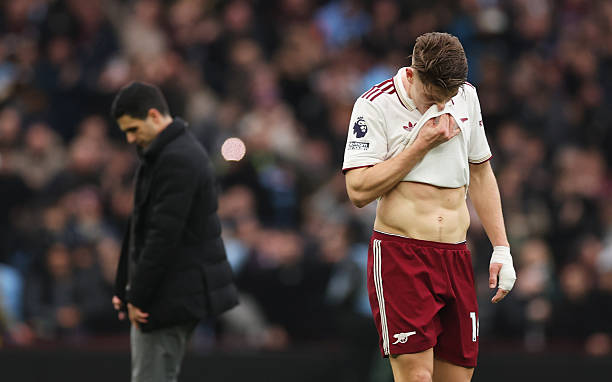
As of Monday, April 6, 2026, the dust settled on Arsenal’s exits from two domestic competitions, leaving fans reeling.
The Gunners were knocked out of the Carabao Cup final after a 0-2 defeat to Manchester City on March 22, 2026 and suffered a shock 1-2 home loss to Southampton in the FA Cup quarter-finals on April 4.
These results have reignited the “perennial second-place” narrative, especially after three consecutive runner-up finishes in the Premier League from 2022/23 to 2024/25.
However, all is not lost. Arsenal still have two major trophies in sight: the Premier League title and the UEFA Champions League.
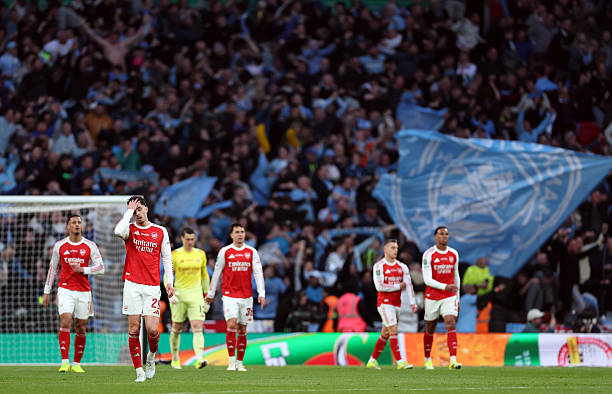
With the first leg of the UCL quarter-final against Sporting CP which they won albeit in a lackluster fashion, the next six weeks will be decisive for Mikel Arteta, the squad, and the management.
The Numbers: Premier League Form Under Arteta
Mikel Arteta’s tenure since December 2019 has seen Arsenal rise steadily, but also experience repeated near-misses in the league. Here’s a summary of league finishes:
- 2020/21: 8th place, 61 points, +7 goal difference
- 2021/22: 5th place, 69 points, +13 goal difference
- 2022/23: 2nd place, 84 points, +35 goal difference (5 points behind Manchester City)
- 2023/24: 2nd place, 89 points, +51 goal difference (2 points behind Manchester City)
- 2024/25: 2nd place, 74 points (behind Liverpool)
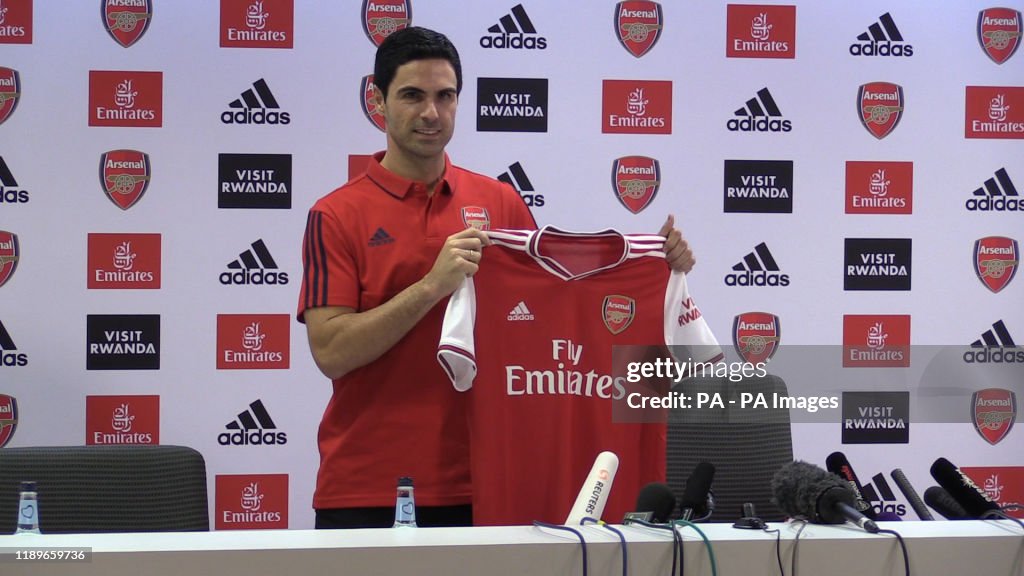
Entering 2025/26, expectations were high after significant summer investments. Currently, Arsenal sit atop the Premier League table with 70 points from 31 games (21 wins, 7 draws, 3 losses), a +39 goal difference, and only 22 goals conceded.
Manchester City trail by nine points with a game in hand. Arsenal have the league’s best defensive record and an expected points-per-game average of 2.26, demonstrating their strongest title-chasing form under Arteta to date.

Trophies exits: Why the pain feels worse
The disappointment in domestic cups compounds the frustration of previous seasons. The Carabao Cup final loss against City marked the fourth win in five years for the Citizens in this competition, while the FA Cup defeat to Southampton was particularly galling.
For Arsenal legend Ian Wright who’s Arsenal’s all-time leading Premier League goalscorer voiced his concerns about mental fragility (“jittery nerves”) in the run-in especially after domestic cup exits:
“Arsenal have to reset, refocus… it’s not over.”
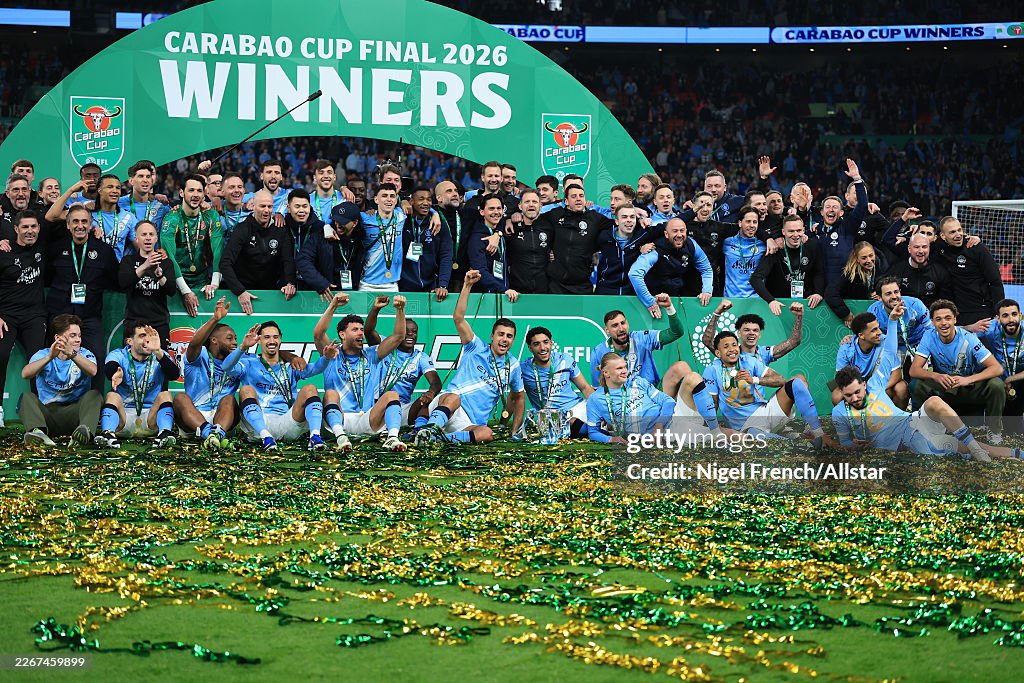
Arsenal dominated possession (68%) and fired 24 shots, yet were undone by two counter-attacks. Exiting both cups before the semi-finals is unprecedented since Arteta’s first FA Cup victory in 2020, and it stings because the squad has never been better equipped to succeed.
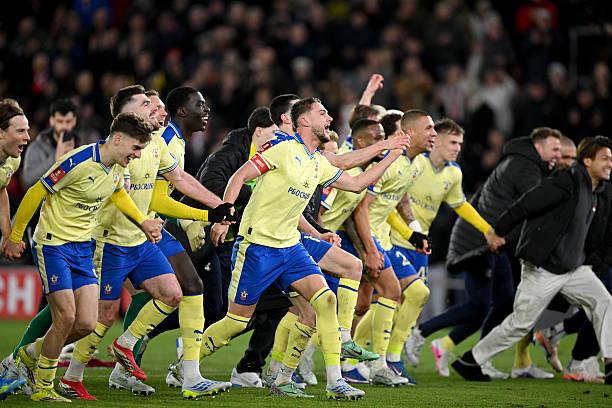
A response when it mattered most
On April 7, 2026, Arsenal travelled to Lisbon to face Sporting CP in the UEFA Champions League quarter-final first leg and delivered something that may define their season.
It wasn’t pretty. It wasn’t dominant for 90 minutes. But it was decisive.
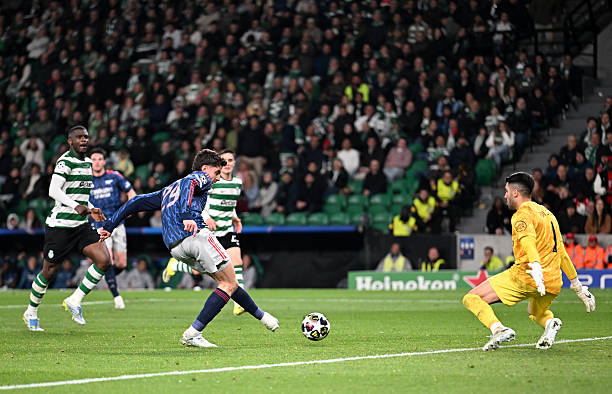
A tense, tactical battle at the Estádio José Alvalade looked destined for a stalemate until the 90+1 minute, when Kai Havertz came off the bench to snatch a dramatic winner.
Latching onto a brilliant assist from Gabriel Martinelli, Havertz silenced the home crowd and ended Sporting’s 17-game unbeaten run at home.
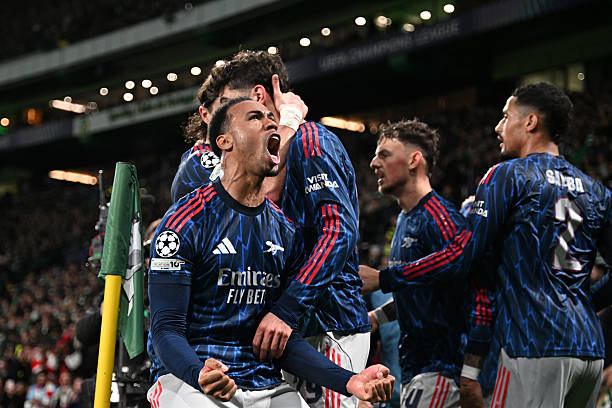
Arsenal had ridden their luck, hitting the woodwork, surviving a disallowed goal, and relying on key saves from David Raya. But in knockout football, context fades. Results remain.
And this was a massive one.
Arteta’s numbers still tell a different story
Despite the cup setbacks, Arsenal’s league campaign remains their strongest under Arteta. After 31 games, they sit top with 70 points; 21 wins, 7 draws, just 3 losses, and a +39 goal difference.
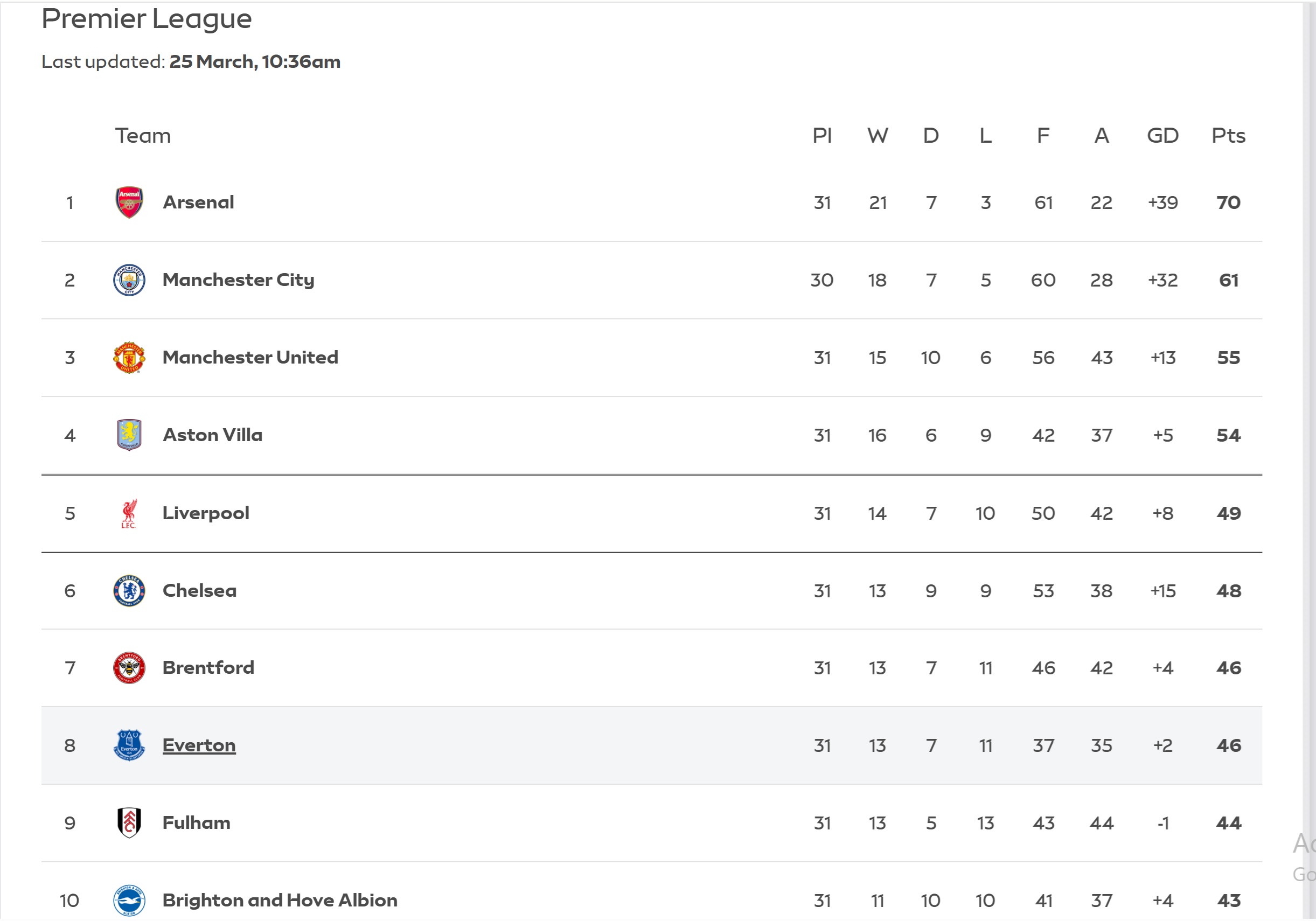
They boast the best defensive record in the league and average 2.26 points per game. City trails by nine points, albeit with a game in hand. This is not a team collapsing, it’s one pushing the ceiling higher.
And yet, perception lags behind progress.
Pain, Pressure… and a Shift in Mentality
Arteta was clear after the Sporting win: the scars of the past are now fuel.
“We had a point to prove… This was a big night in the season,” he said.
“Feel that pain, feel that emotion, and use it to be better… We’re hungrier than ever.”
It’s a message that reflects the transformation he’s tried to build, turning near-misses into motivation.
Kai Havertz, the match-winner, echoed that belief:
“Football is made from moments like this… we controlled most of the game and can be proud.”
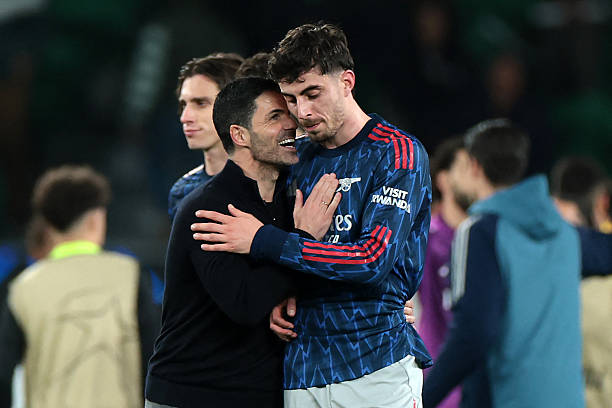
Even the critics took note. Former Arsenal defender Matthew Upson described it as a “massive” result, praising the resilience after back-to-back domestic setbacks.
Club legend Thierry Henry, often one of the sharpest voices, held back judgment but still acknowledged the importance of grinding out wins like this at the highest level.
Because that’s the key shift: this Arsenal side is learning how to win ugly.
Implications for Arsenal
Structurally, Arsenal have come a long way. Since Arteta arrived, the club has become a consistent Champions League qualifier, with squad value exceeding £1 billion and academy graduates like Bukayo Saka, Ethan Nwaneri, and Myles Lewis-Skelly forming the spine of the team. Commercial revenue has grown by 40% since 2022, boosted by sponsorships and a modernized club identity.
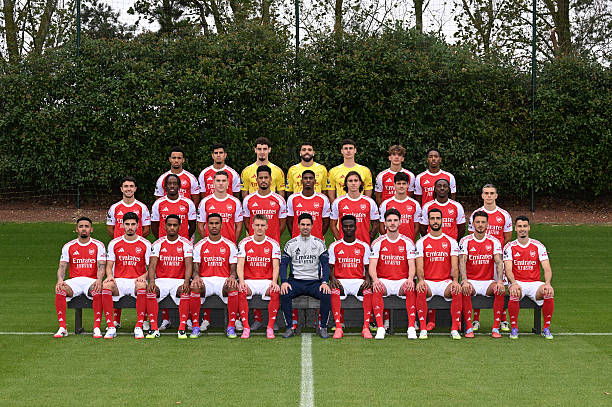
Securing either the league or a deep UCL run would bring over £100 million in additional prize money and reinforce Arsenal’s elite status.
Yet the trophy drought since the 2020 FA Cup remains a concern. Fans are vocal about another near-miss season, and players like Saka and Rice could consider moves if silverware continues to evade the club. The Kroenke ownership has been patient, but repeated “so close” seasons test even the most loyal support.
Arteta’s Legacy at Stake
Mikel Arteta has rebuilt Arsenal’s culture, implemented a high-pressing tactical identity, and delivered elite-level European football. His contract runs until 2027, with extension talks reportedly underway.
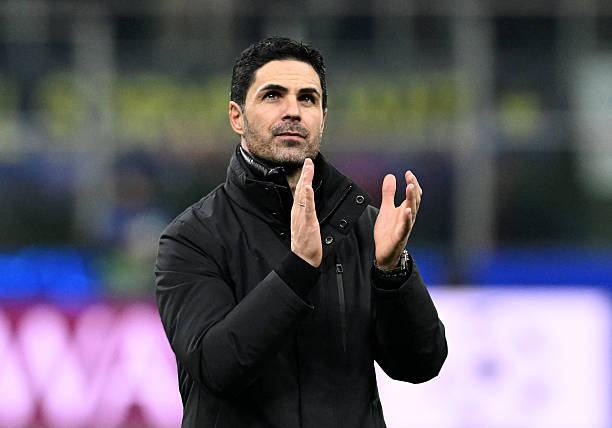
However, the “bottler” narrative persists due to consecutive near-misses: three straight second-place league finishes, the Carabao Cup final loss, and the FA Cup upset. His 58% Premier League win rate this season and only three league losses show elite performance, but trophies remain the ultimate metric of success.
The Next Six Weeks: Make-or-Break
With seven league games left and UCL finals and semi-finals imminent, Arsenal’s season hinges on both domestic and European results.
Winning the league would validate Arteta’s project and end a 22-year Premier League drought. Reaching the UCL semi-finals would solidify Arsenal’s continental reputation.
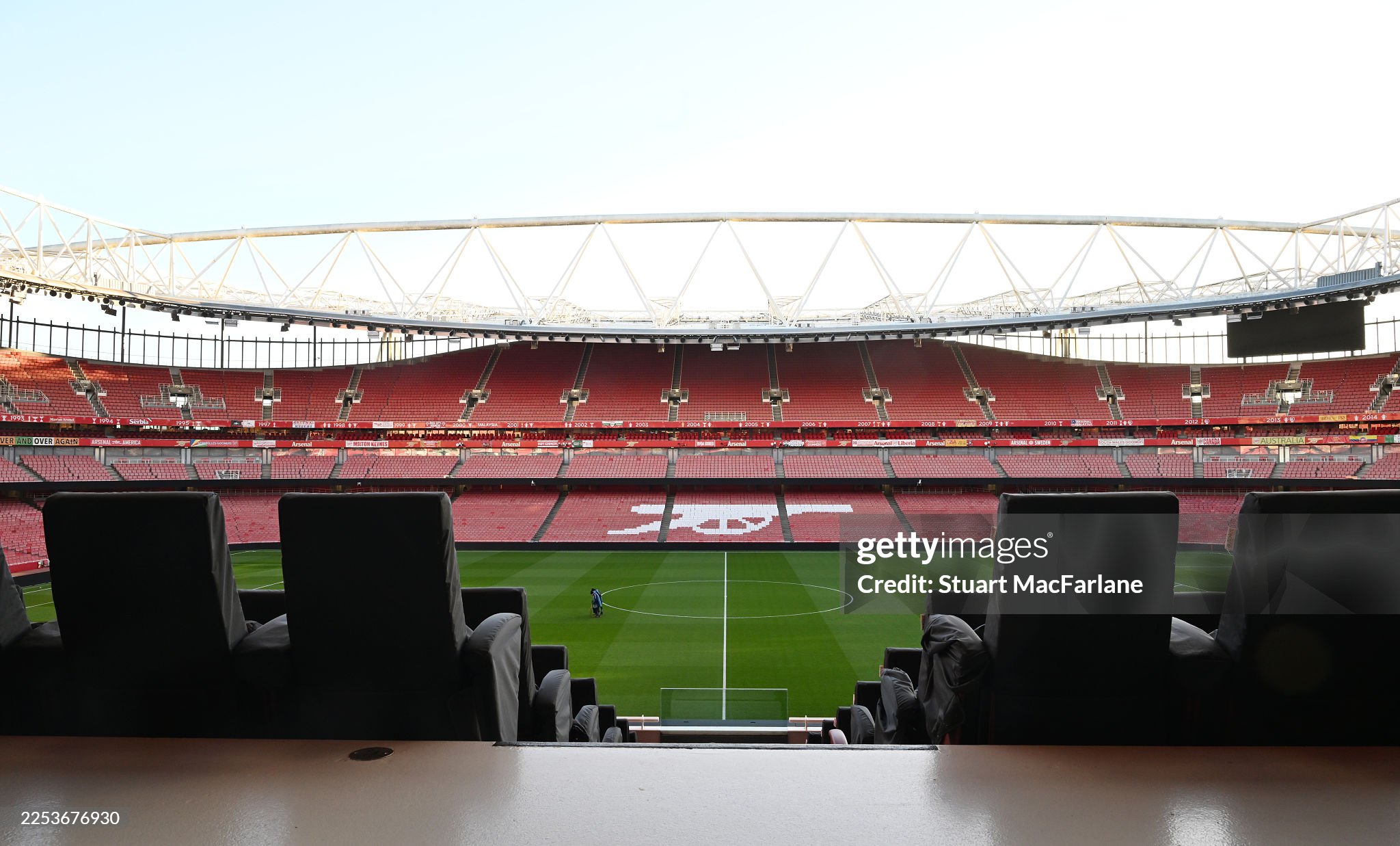
Conversely, a fourth consecutive second-place finish combined with an early UCL exit would intensify scrutiny over the squad, recruitment strategy, and Arteta’s ability to deliver when it matters most.
Arsène Wenger who was Arsenal longest-serving manager spoke historically about the post-2004 trophy drought and the weight of expectation:
describing the “difficult years” of living up to the level he created and the constant need to justify why they weren’t winning more titles.
In short, Arsenal are in their best position in over a decade to break the trophy drought, but the next month will determine whether this era is defined by triumph or yet another story of “so close, yet so far.” For the club, it’s about cementing elite status; for Arteta, about legacy; for the management, about balancing patience and ambition.
The facts are clear: this is Arsenal’s best shot since 2004, and the coming weeks will write the final chapter of the 2025/26 campaign.