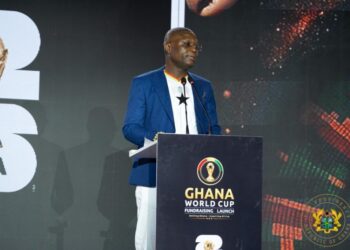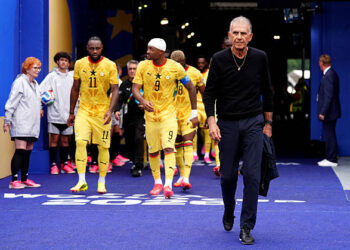


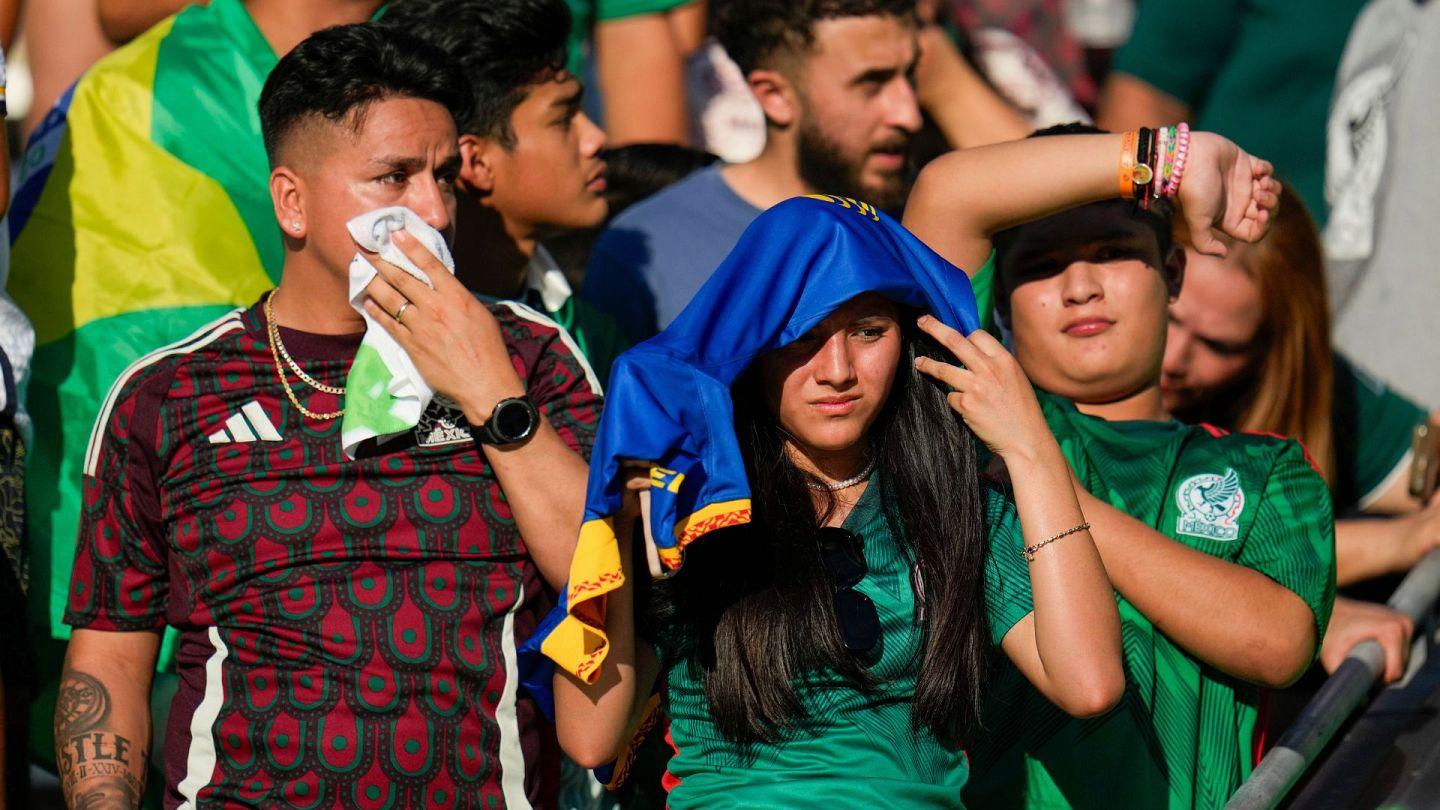
All too soon, in less than 48 hours, the 2026 FIFA World Cup begins. What was billed as the biggest and most inclusive tournament in history now arrives under a cloud of skepticism, controversy, and division.
Back in 2018, when the host nations; The United States, Canada, and Mexico were confirmed, excitement was palpable.
Plans promised a groundbreaking expansion: 48 nations, 104 matches, and 16 host cities with state-of-the-art stadiums spanning three countries.
Yet as kickoff nears, many wonder if this edition will be remembered for the football at all or for the bitter geopolitical, social, and logistical issues surrounding it. The scale is undeniable.
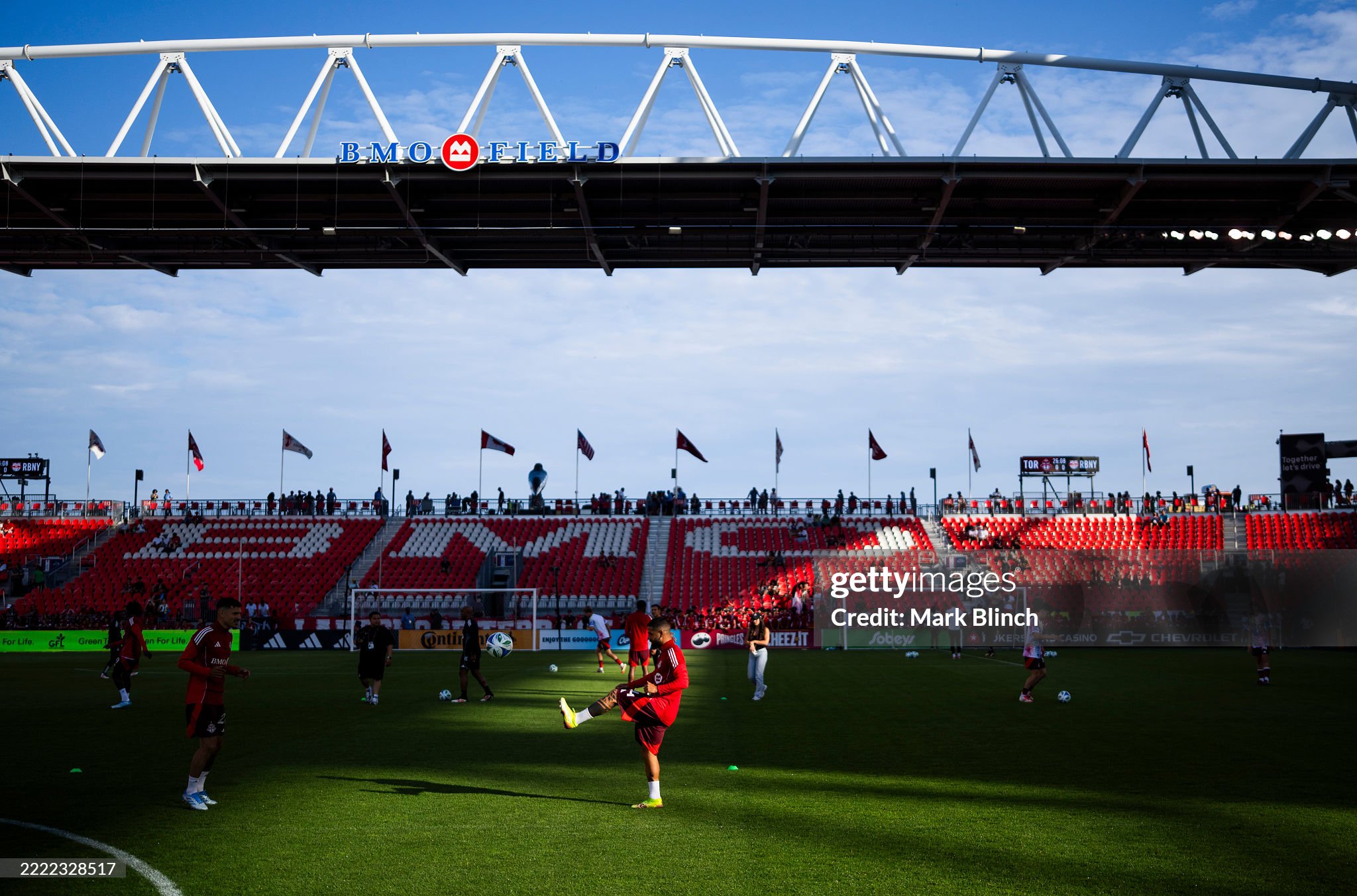
Sixteen venues, including iconic sites like Mexico City’s Estadio Azteca, Toronto’s BMO Field, Vancouver’s BC Place, and U.S. giants such as MetLife Stadium in New York/New Jersey, AT&T Stadium in Dallas, and SoFi Stadium in Los Angeles, will host the action.
The tournament stretches from June into July, culminating in the final on July 19 at MetLife. Proponents hailed it as a celebration of North American unity and football’s global growth.
Critics, however, see a bloated, commercialized spectacle already undermined before a ball is kicked.
I might be wrong…………..
The football hasn’t started yet, and on-pitch magic has a way of transcending off-pitch noise.
But the pre-tournament atmosphere feels poisoned; Geopolitical tensions, allegations of racism in organization and entry policies, extreme weather risks, and prohibitive costs have created a bitter aftertaste that FIFA and the hosts seem unable or unwilling to fully address.
First, the Iran-U.S. conflict looms largest for world cup
In February 2026, strikes against Iranian targets resulted in the death of Supreme Leader Ali Khamenei and triggered retaliatory attacks.
A fragile ceasefire holds, but tensions remain raw. Iran qualified for the World Cup, yet the war has created unprecedented complications.
Never before has a host nation been in direct conflict with a participating team aide England 1996 ( The United Kingdom was actively engaged in the Indonesia–Malaysia Confrontation (Konfrontasi), a military conflict in Southeast Asia where British forces fought against Indonesian troops) that can be precedent
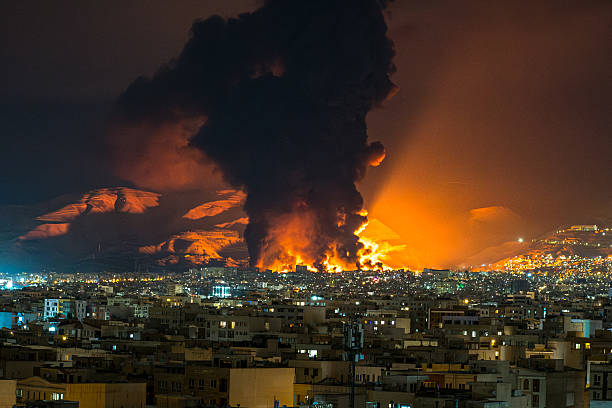
Iran’s football federation has accused the U.S. of “vindictive behavior” and “politically biased interference,” claiming key managerial and administrative members were denied visas.
This has forced logistical headaches and heightened security concerns. FIFA’s “football unites the world” mantra feels hollow amid such politicization, raising questions of double standards for many fans.
Second, the racism allegations; exemplified by the Omar Artan case.
Somali referee Omar Abdulkadir Artan, Africa’s referee of the year in 2025 and the first Somali selected for a World Cup, was denied entry to the United States despite a valid visa and diplomatic passport.
Turned away after lengthy questioning, Artan expressed profound disappointment: “I am very, very disappointed. I’m just simply a referee who’s trying to live his dream; the biggest dream of my life.”
The case has fueled widespread outrage.
Former England striker and pundit Ian Wright captured the broader frustration: “Every few hours it’s another story… fans denied, players denied, officials denied, journalists denied, now refs… something has to be said.”
Similar scrutiny affecting other African and Middle Eastern officials and fans has amplified perceptions of bias, especially amid broader immigration policies.
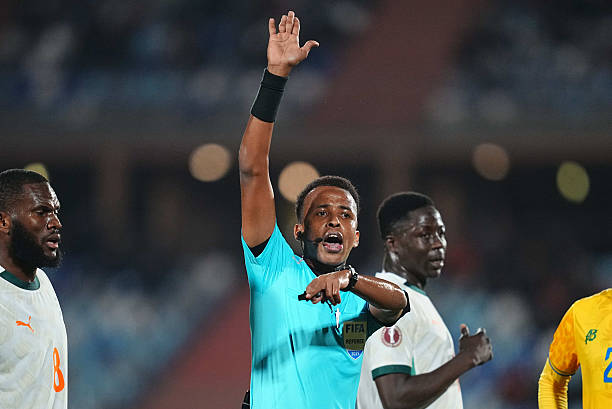
In a tournament meant to showcase diversity, these incidents risk alienating large portions of the global audience.
Third, the weather poses a serious threat to player safety and enjoyment.
Climate experts warn this could be the hottest World Cup on record. Around 25% of matches could see Wet Bulb Globe Temperature (WBGT) levels of 26°C or higher, with some potentially exceeding 28°C—conditions FIFPro considers unsafe.
Venues in the southern U.S. and Mexico face extreme heat and humidity risks.
Players and scientists have voiced strong concerns. A group of current and former professional players stated in an open letter to FIFA:
“Many of us have experienced heat impacting our sport. It can make you feel light-headed, dizzy, experience fatigue, muscle cramps and worse.’
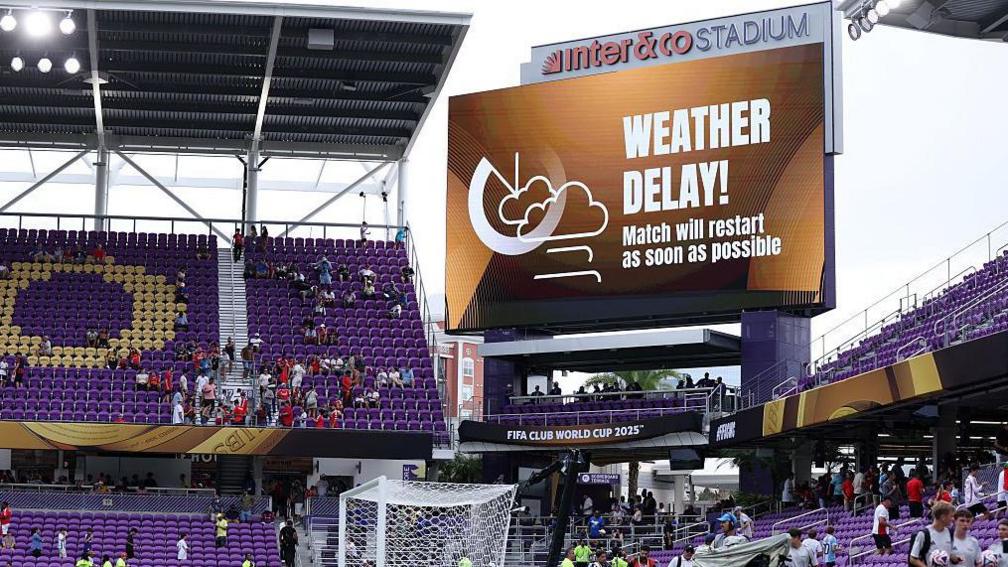
You can run less and it becomes impossible to play with the same intensity as with more average temperatures.
“During the 2025 Club World Cup in similar conditions, coaches were outspoken. Chelsea coach Enzo Maresca said: “It is almost impossible to train or to make a session because of the weather. This morning’s session has been very, very, very short.”
Atletico Madrid’s Marcos Llorente described the weather as “impossible.”England captain Harry Kane, however, has downplayed the issue after acclimatization:
“To be honest, I don’t think the heat’s been too bad. Obviously, we’ve been getting used to it in training. After the first couple of days, I felt like most of the lads were used to it… I don’t think it will be as big a factor as people say. The drinks breaks help.”
While elite preparation helps stars like Kane, FIFPro and scientists continue to criticize FIFA’s protocols as inadequate for broader player welfare.
Finally, the economics exclude the average fan.
Ticket prices have sparked fury, with Category 1 seats for group stages ranging from hundreds to over a thousand dollars and resale markets pushing some finals tickets into the thousands.
The three-country format adds massive travel and accommodation costs. Many tickets remain unsold or discounted closer to kickoff, leaving the tournament feeling tailored for corporate sponsors and wealthy spectators rather than grassroots fans.
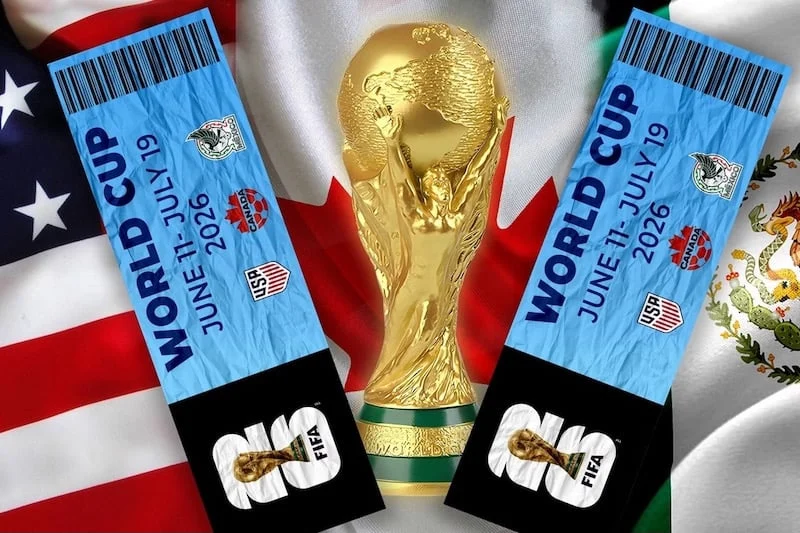
U.S. player Timothy Weah and others have raised concerns about accessibility and pricing. Beyond these flashpoints, broader issues include strained trilateral relations, heightened security, sustainability questions for the sprawling event, and over-commercialization.
The expansion to 48 teams dilutes quality for some critics, while the political backdrop makes “unity” seem performative.
Coaches and players express a pragmatic mix of excitement and concern. Many focus on football-first preparation, with host-nation figures highlighting infrastructure and passion.
Yet unions and affected parties voice stronger criticisms on fairness, safety, and access. The buildup has left many describing it as chaotic.
Will the football rescue it? History suggests great goals, underdog stories, and drama often overshadow prelude controversies. Favorites like Spain, France, England, and others promise quality, with the volume of matches offering chances for magic.

New stars could emerge, and memorable moments might yet define 2026 positively.
But the pre-tournament scars run deep.
This World Cup tests whether sport can truly rise above geopolitics, inequality, and division or if it has become too entangled in them.
As the opening match approaches, the world watches not just for goals, but to see if the beautiful game can healor merely reflect our fractured reality.
The next few weeks will tell. For now, the bitter taste lingers. Football purists hope for redemption on the pitch; skeptics fear this bloated, troubled edition may indeed go down as one of the worst in spirit, if not in play. Only time and the results will judge.