

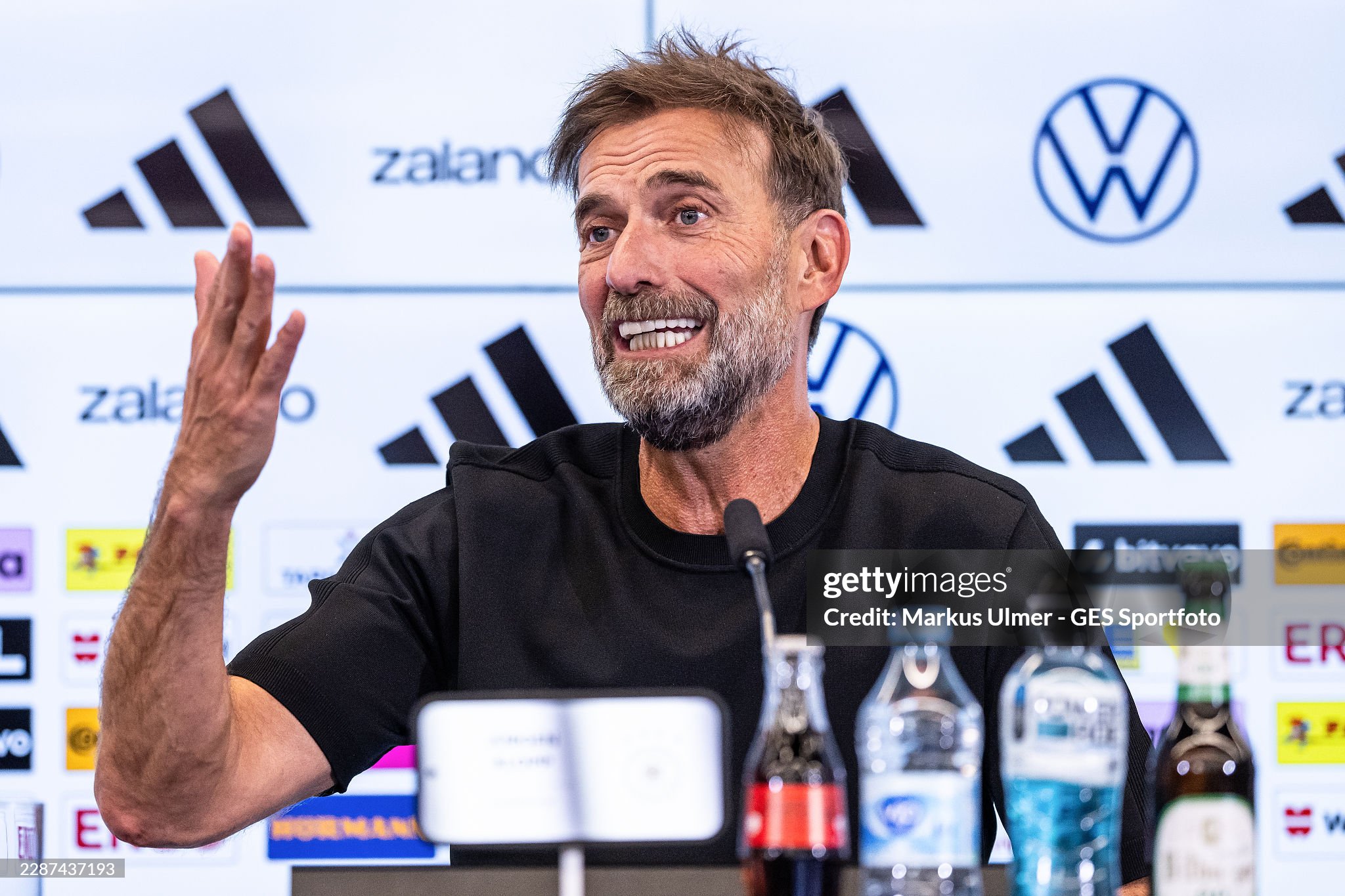
It was coming; we heard him talk about it, we could sense it but no one thought it would come at the time it did, yet it did happen and Jurgen Klopp brought an incredible nine year run with Liverpool to an end.
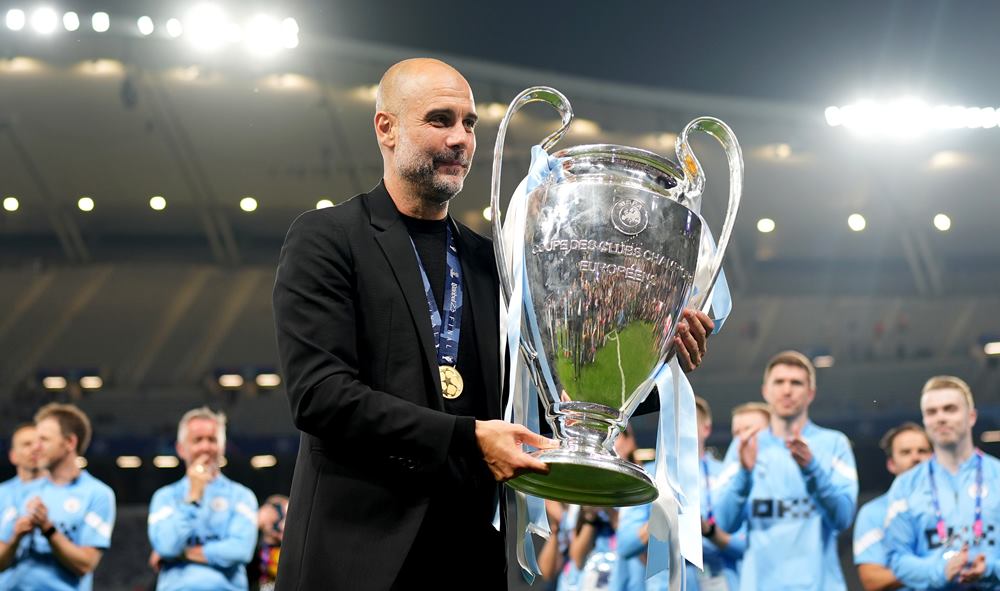
The manner his biggest and by far, most potent rival Pep Guardiola left Manchester City, was the way most people envisaged Klopp’s departure and not one that came off a reported standoff between the club and its beloved manager.
Aside the power play between the German and higher ups in Liverpool’s hierarchy, the extreme demands of club management, not just coaching, had taken its toll on Klopp who dragged Mainz 05 through the mud to become a constant feature in the German Bundesliga and topped it up by defeating the Bundesliga’s behemoth in Bayern Munich not once but twice.
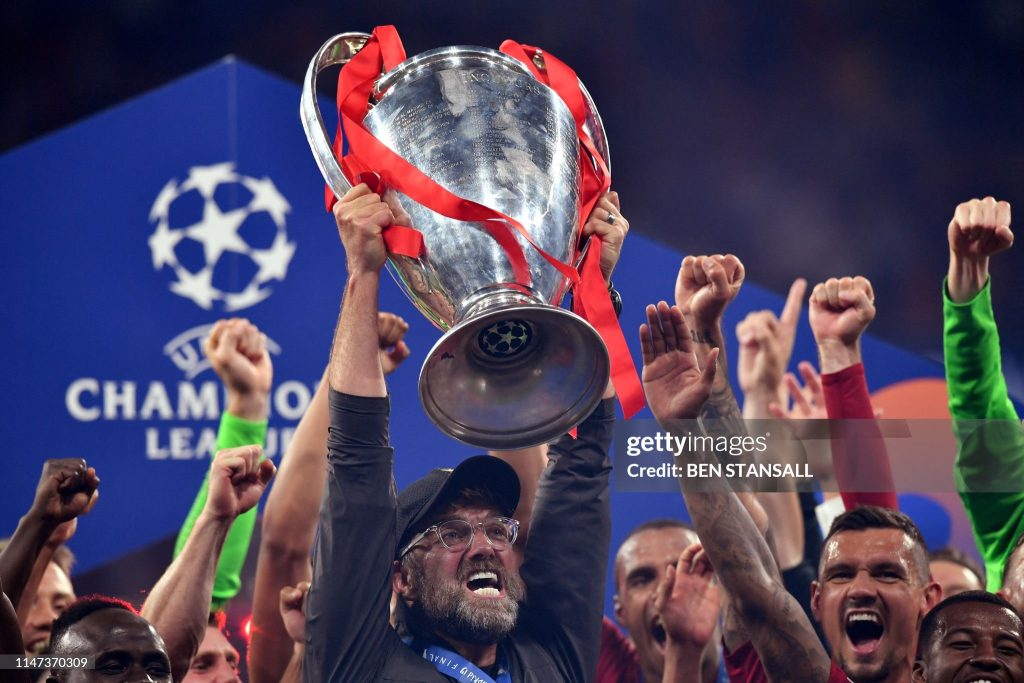
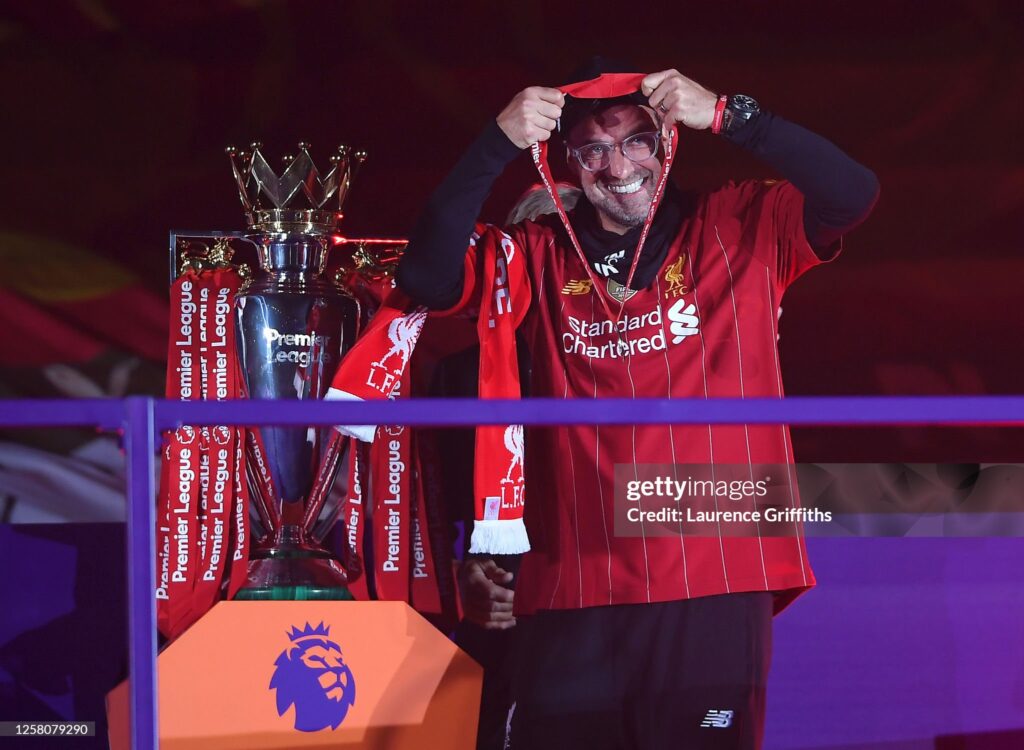
With Borussia Dortmund, Klopp etched his name in the books as the best coach for a big club in need of a return to the elite ranks, gaining him a spot at Liverpool- where he took on and eventually took down another giant in Guardiola’s Man City.

Nothing has come easy for Klopp; both his coaching career and his playing career that was mainly played out in the second tier of German football and his journey to the German National Men’s Football Team proves it and embodies everything “Homer’s legendary literary piece-The Odyssey”- is about.
In the big moments, the best teams have players who take up responsibility and that is one of the main reasons why Germany failed to excel at the 2026 FIFA World Cup per the assertion of football legend Oliver Kahn. German players simply failed to step up to take responsibility and own the big moments and that is the reason why the four-time World Cup winners’ latest shuffle to its national team’s technical unit is very pivotal.
Imagine living long enough to see Germany win the 1990 and 2014 World Cup titles, battle one of the greatest teams ever and eventually lose to THAT BRAZIL TEAM in the 2002 FIFA World Cup Final and juxtaposing it to the present day where German players literally run from taking penalties as witnessed at the recently concluded World Cup.
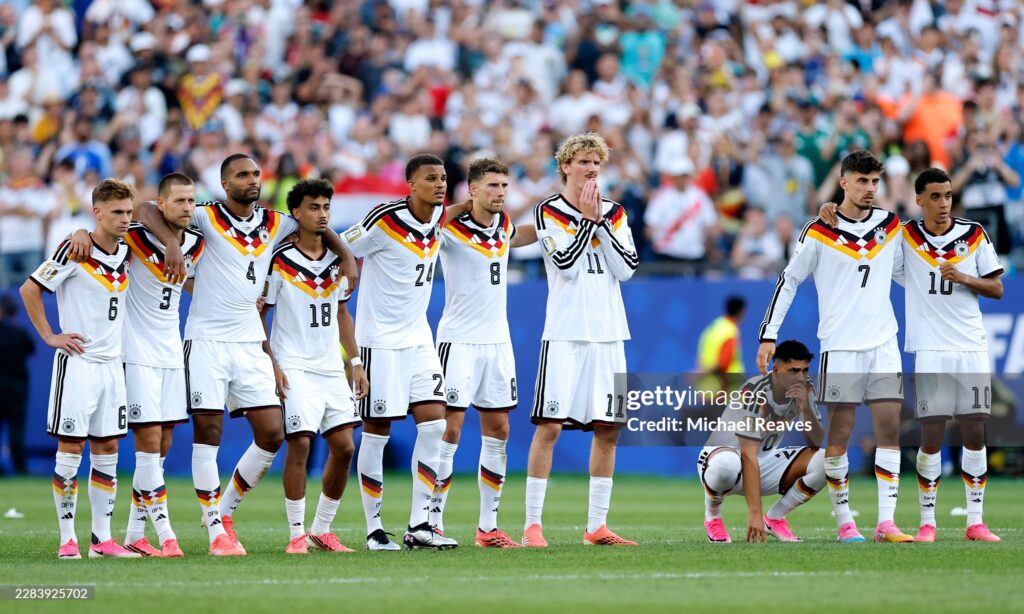
In Germany’s exit at the round of 32 stage, multiple players including Nathaniel Brown and Leon Goretzka turned down the chance to attempt a penalty during a shootout against Paraguay of all teams marking a sharp contrast with the type of supreme mental toughness usually associated with Germany. To highlight how revered Germany’s mental capacity to overcome impediments to excel was, Gary Lineker’s infamous quote readily comes to mind.
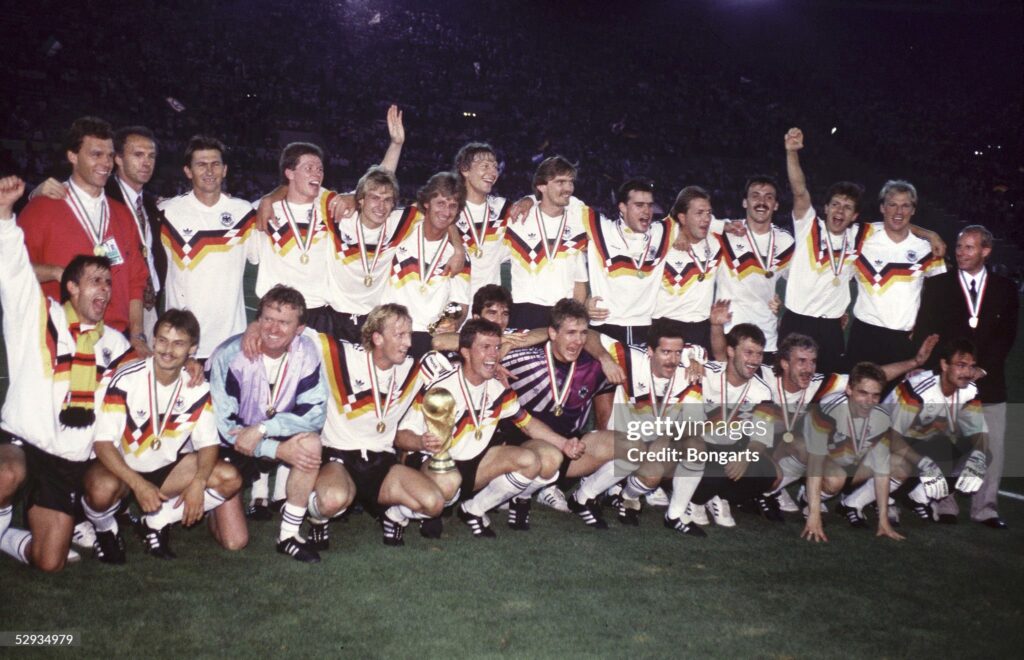
“Football is a simple game. 22 men chase a ball for 90 minutes and at the end, the Germans always win” were the words Gary Lineker said after his beloved England lost to the Germans in a penalty shootout in the semifinals at the 1990 World Cup. Another example is Germany’s brilliant collection of talent finishing third at the 2010 World Cup but resurfacing to win the 2014 World Cup.
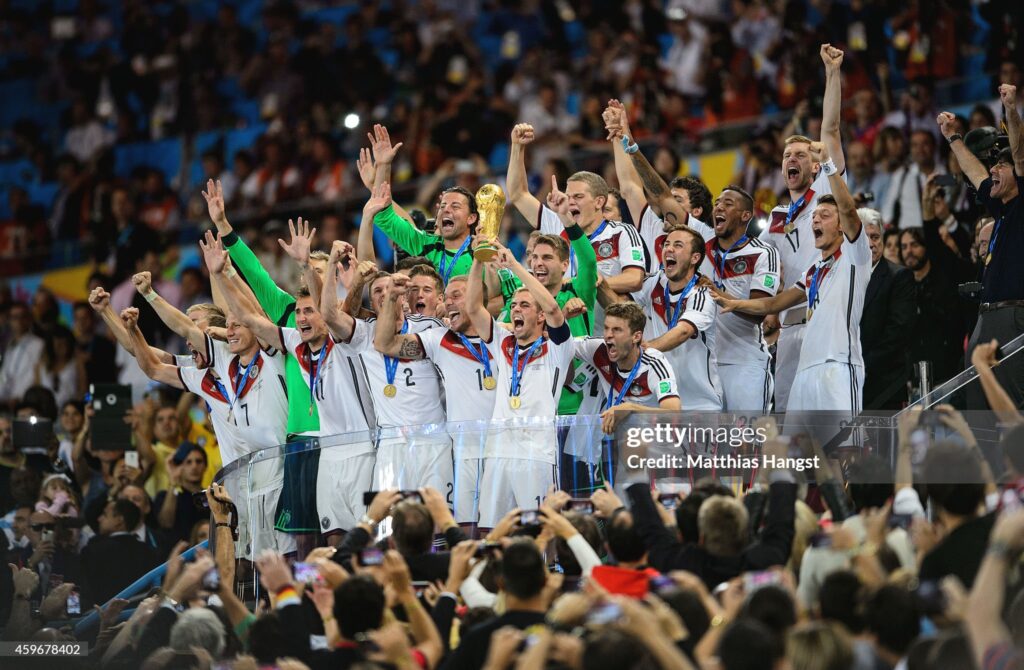
Many critics have panned the bronze medal game and have called for the so-called losers’ final to be scrapped altogether but if there is any reason to keep the tradition of the bronze medal game going, Germany is the best example based on their exploits at the 2010 and 2014 World Cups.
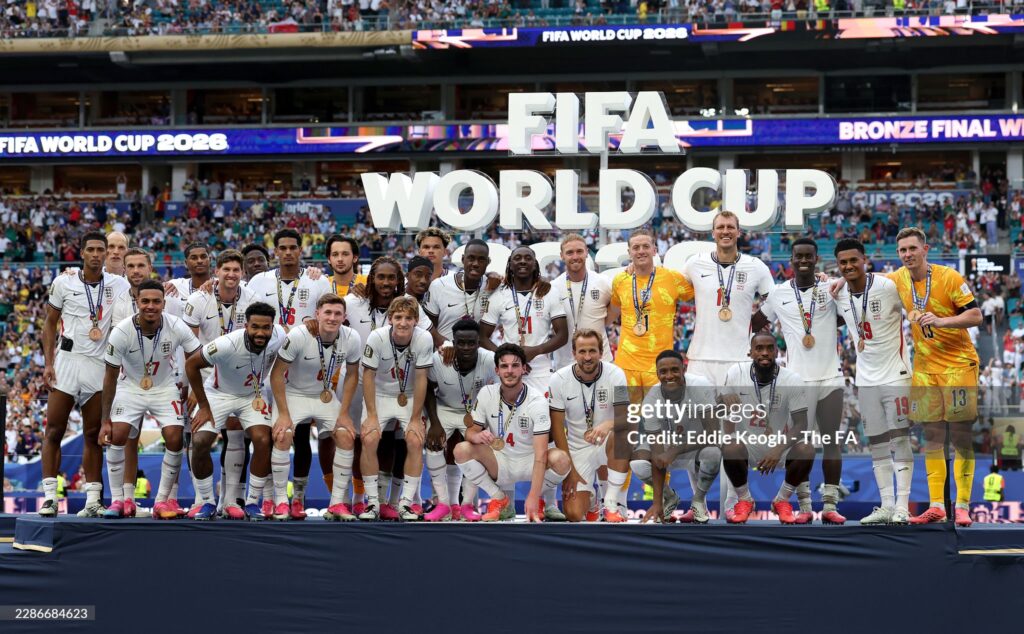
After finishing third to record their best ever finish at the World Cup since winning the competition in 1966, England could take a cue from their rivals to fuel their ambitions of winning the 2030 World Cup or at least the 2028 European Championship.
There is something wrong with Germany and it has nothing to do with coaching [tactics] and talent but everything to do with something that has gone amiss in their psyche. At the 2022 World Cup, Germany exited the competition at the group stage under Hansi Flick and under Julian Nagelsmann at the 2026 World Cup, Germany got dumped out by Paraguay in the extended group stage game.

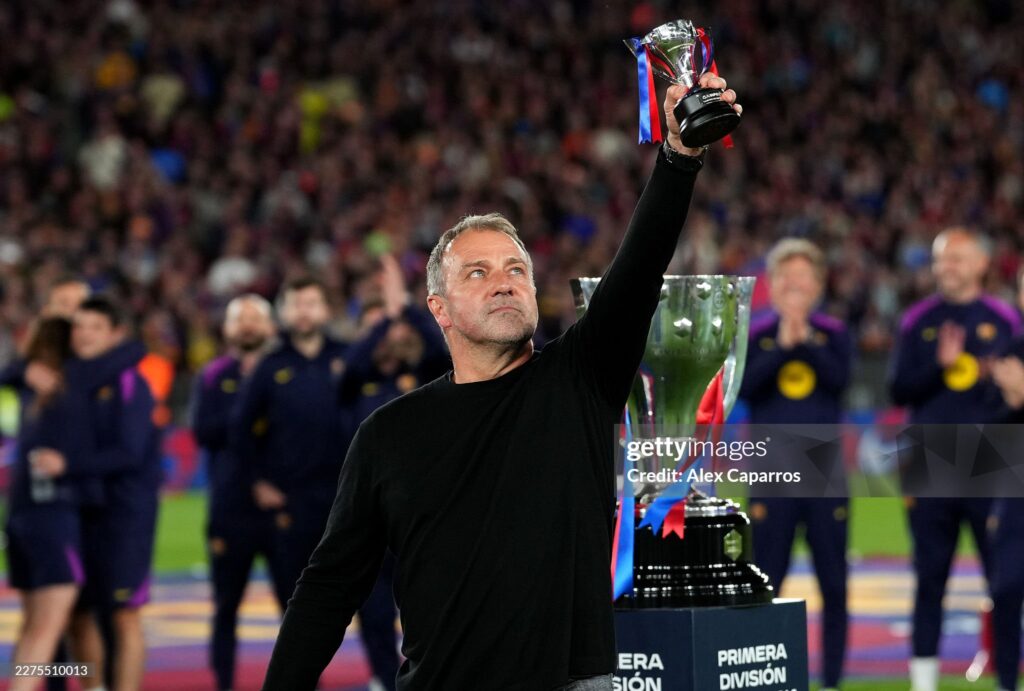
Flick won the treble with Bayern Munich and has underlined how good a coach he is by guiding Barcelona to win the Spanish League twice in a row while Nagelsmann is still one of the highly rated coaches despite the embarrassing World Cup run he endured.
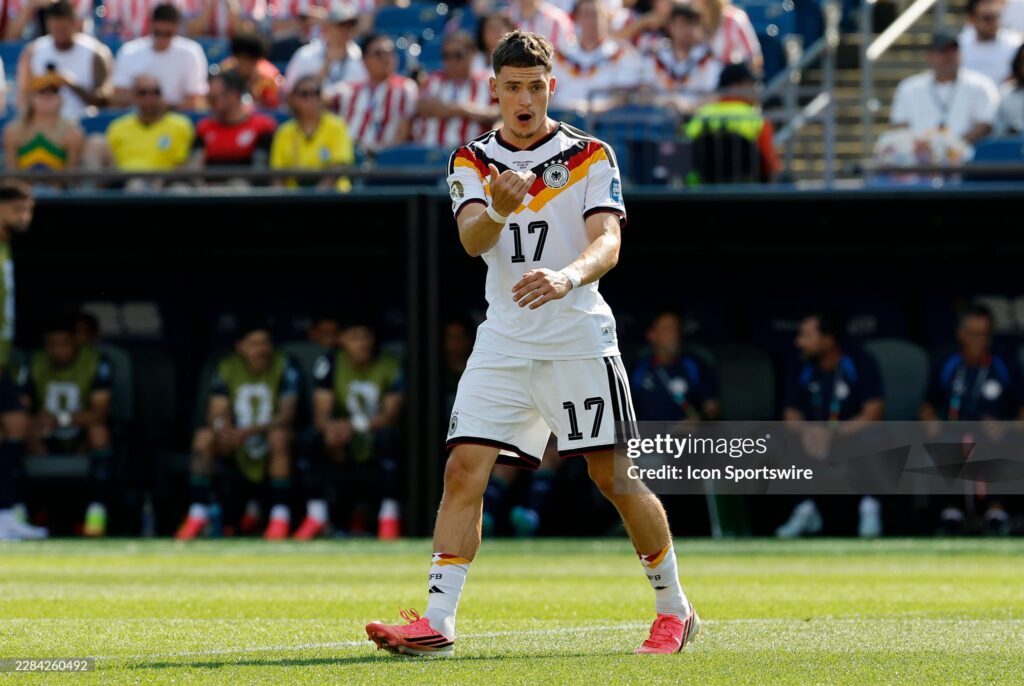
On the issue of talent, which has been heavily drummed up as the biggest reason behind Germany’s fall from grace, this isn’t exactly the case as Germany has three of the highly rated talents in football in Jamal Musiala, Florian Wirtz and Aleksandar Pavlovic with a supporting cast of very good players like Joshua Kimmich, Nick Woltemade, Felix Nmecha, Kai Havertz, Malick Thiaw and Angelo Stiller.
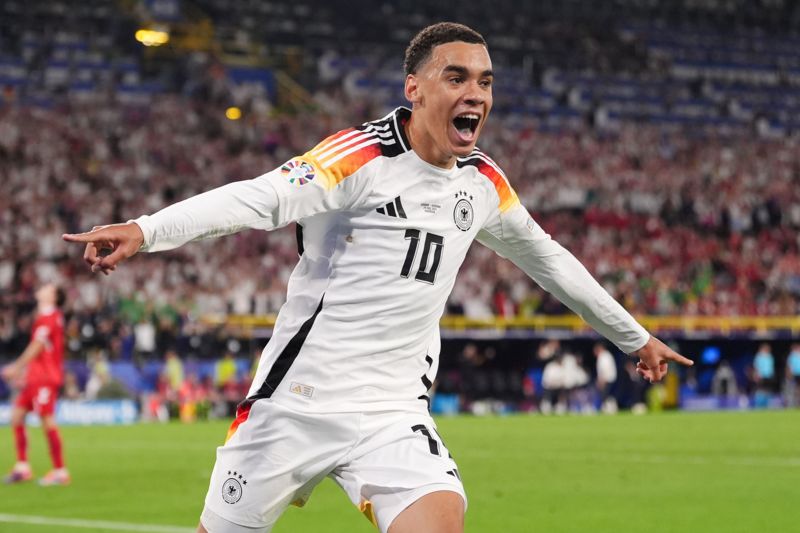
Antonio Rudiger and Jonathan Tah are still good players while Karl Lennart is one of the next big things in world football. So clearly Germany’s slide from the top of the football mountain can’t be about the lack of talent leaving mentality as Die Mannschaft (The Team)’s biggest problem.
Going up against the big boys, fighting, losing and fighting again to eventually winning is something Klopp has grown used to throughout his coaching career. At this point, Germany is a minnow in the ranks of the historically accomplished football nations in the world. It is interesting that Italy- a country that is in this spot too- has made attempts and reportedly failed to sign Guardiola as its next head coach to overturn the Azzurri’s terrible state that has translated into failing to qualify to the World Cup in three straight editions.
Since winning the 2014 World Cup, Germany has sharply fallen behind the likes of Spain, France, Portugal [who have won the Euros and two UEFA Nations League titles] Argentina, Brazil and England. Even tiny Croatia has been to two World Cup semifinals and a Nations League Final since 2014.
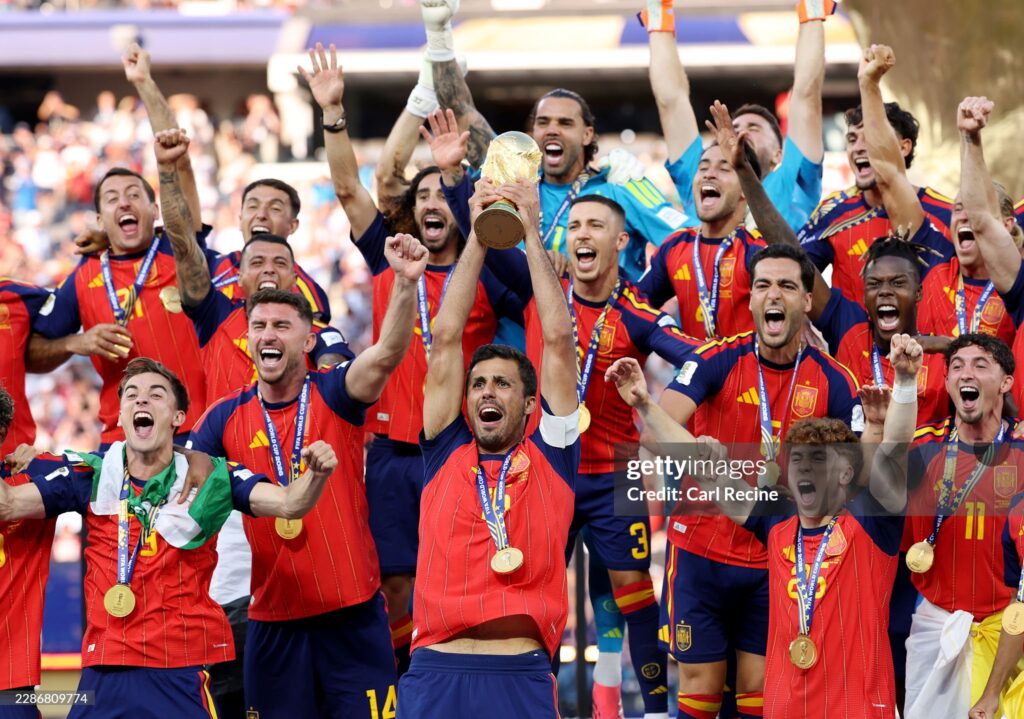
To reorganise Germany’s seemingly flawed mentality over the past half-decade, Klopp’s tendencies to be aggressive and set the tone first will mark a departure from the recent iterations of Germany that has wanted to feel its way into games which works for the most part against teams that can’t match Germany’s talent quality. However, in games against opponents with a matching talent base or better talents, Germany often falls short.
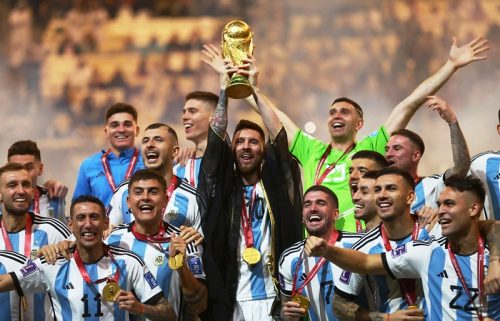
Speaking of talents, earlier in the piece, the collection of highly rated offensive players like Musiala, Wirtz, Woltemade and Havertz were highlighted but there is a “softness” about this unit considering the lack of ruthlessness associated with these players.
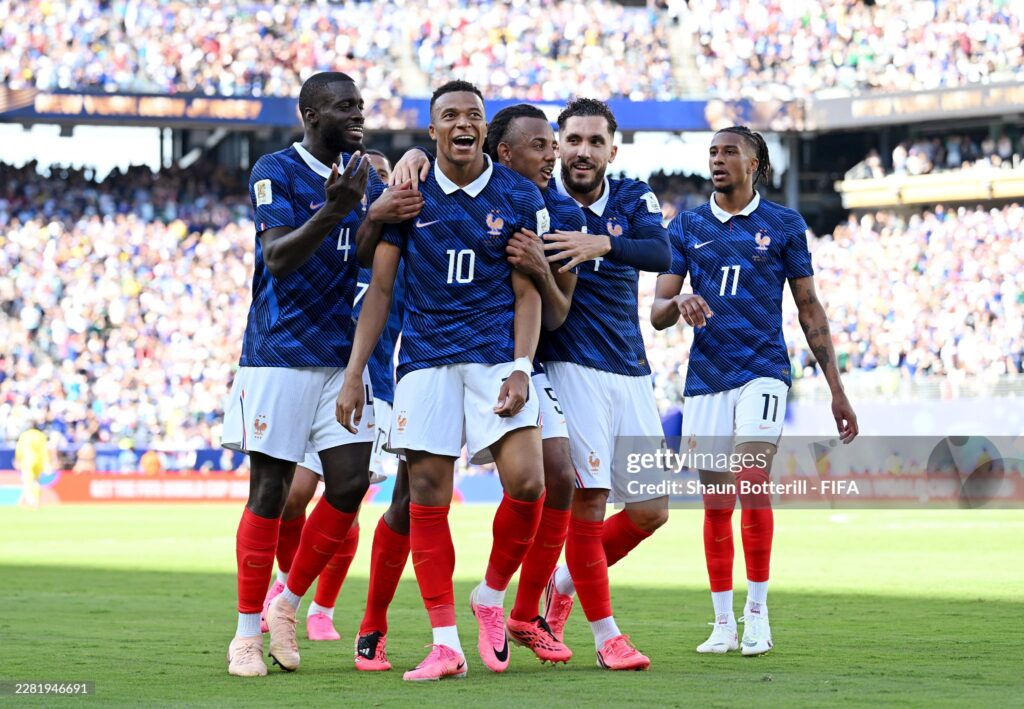
Through the “talent” lens, they are a tough bunch to hang around with but beneath all that talent is a soft underbelly where defenders have literally bullied elite talents like Wirtz and Musiala on the pitch into ordinary players. This is bound not to happen under Klopp whose teams have always had a serious bite about them.
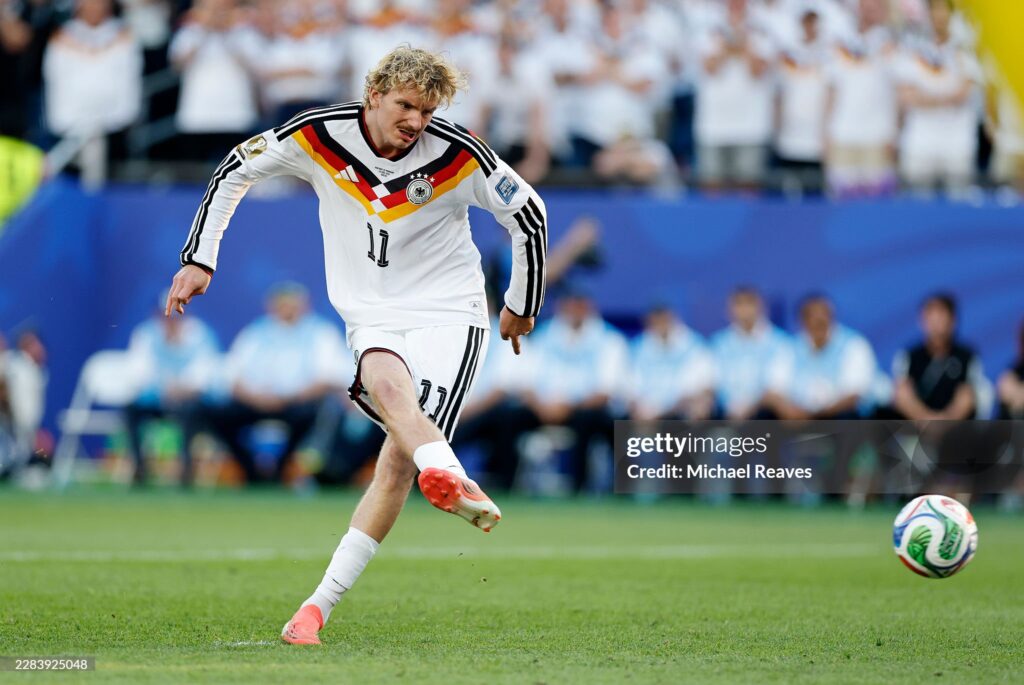
Seeing multiple players turn down the chance to effect penalty kicks in a high stakes game like the World Cup knockout round signaled the time for a change. A change in tactics would be fine but a change in mentality for Germany’s Men’s Team is the most important issue and who better to get that done than the man who gets his teams to attack opponents like hyenas do and literally turns them into mentality monsters.
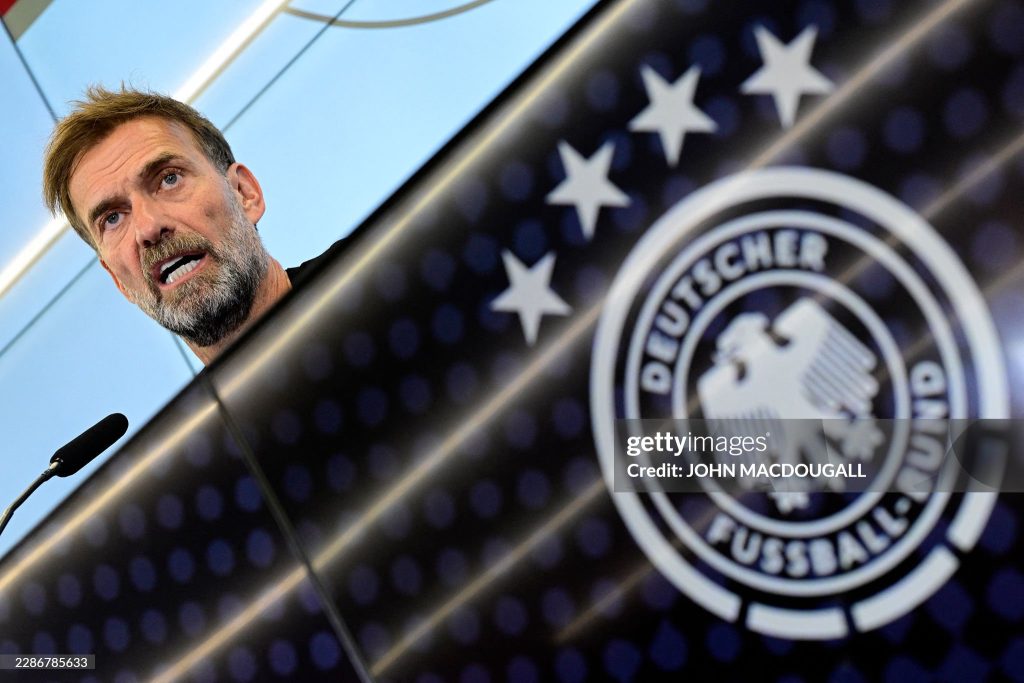
No World Cup winning team has had a foreign head coach so by appointing a native of the land as its head coach, Germany has checked one of the boxes winning teams always do and Die Mannschaft is in for a return to the big leagues and Jurgen Klopp is the man to get them there.