

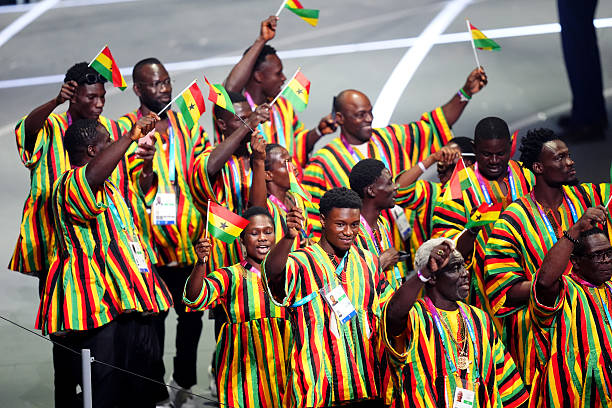
As the 2026 Commonwealth Games came to a close in Glasgow, Ghana returned home with two medals. On the surface, it was another modest campaign. But the result reflects a deeper problem that has followed Ghana across major international competitions for years.
The issue is not a lack of talent. Ghana continues to produce athletes capable of competing at the highest level. The challenge is turning that talent into consistent podium finishes.
At the 2022 Commonwealth Games in Birmingham, Ghana won five medals, two silver and three bronze, to finish 28th on the medal table.
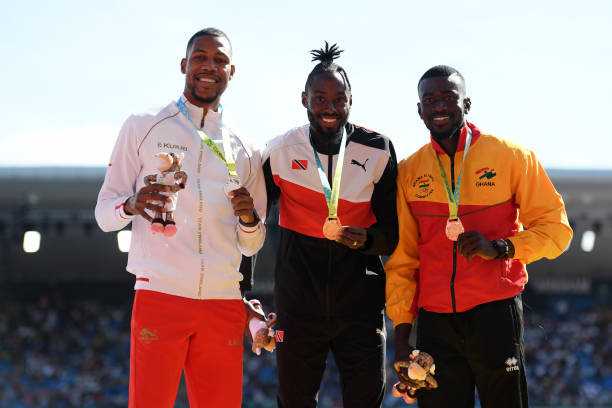
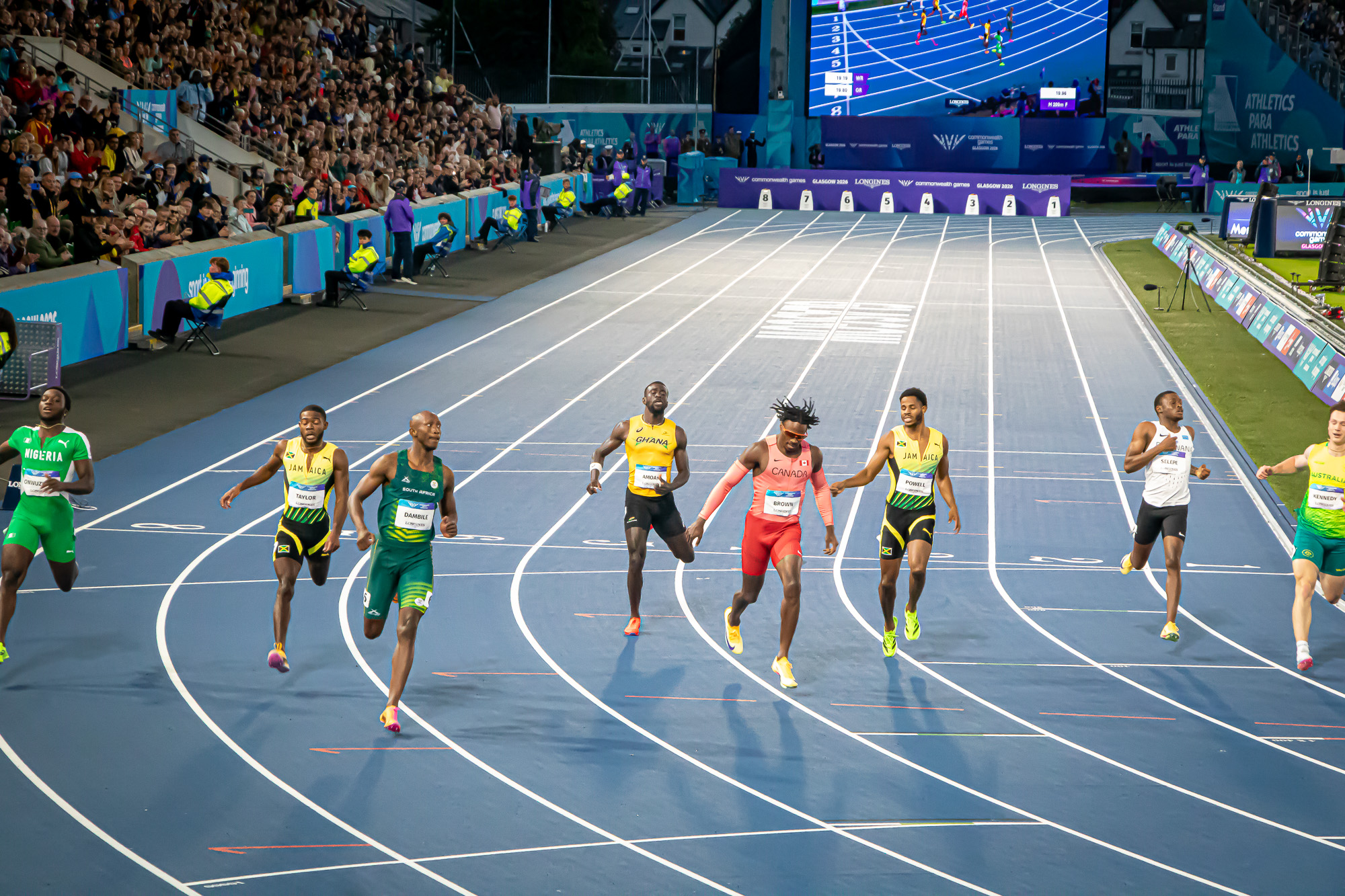
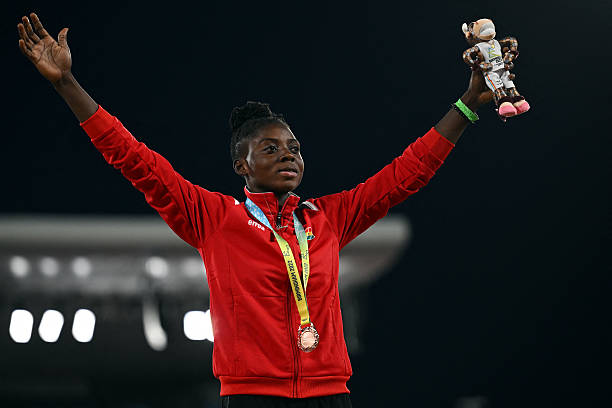
Athletics and boxing accounted for every medal, with Joseph Paul Amoah winning the men’s 200-meter final with a time of 20.49s and Deborah Acquah winning the bronze medal in the women’s long jump with a national record leap of 6.94 meters, becoming the first Ghanaian woman to win a long jump medal at the Games.
Abdul Wahid Omar claimed bronze in the men’s Light Welterweight, with Abraham Mensah and Joseph Commey claiming silver medals in Bantamweight and Featherweight, respectively.
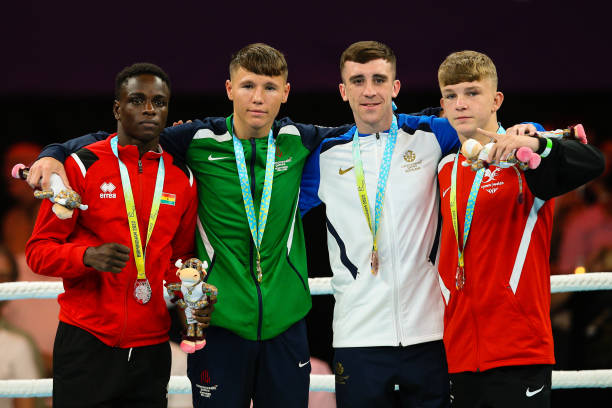
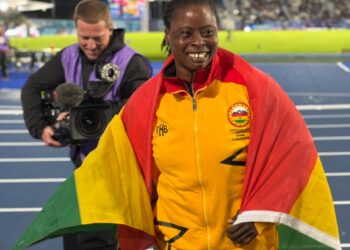
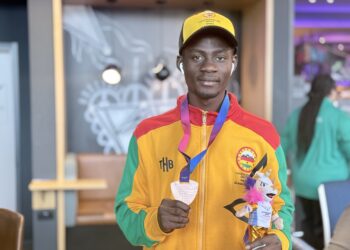
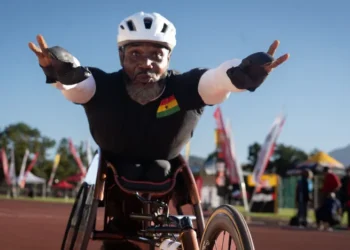
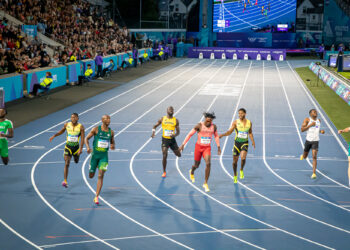
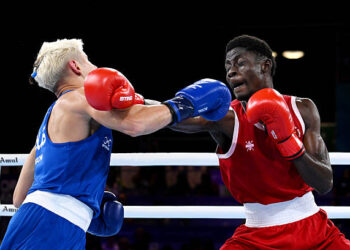
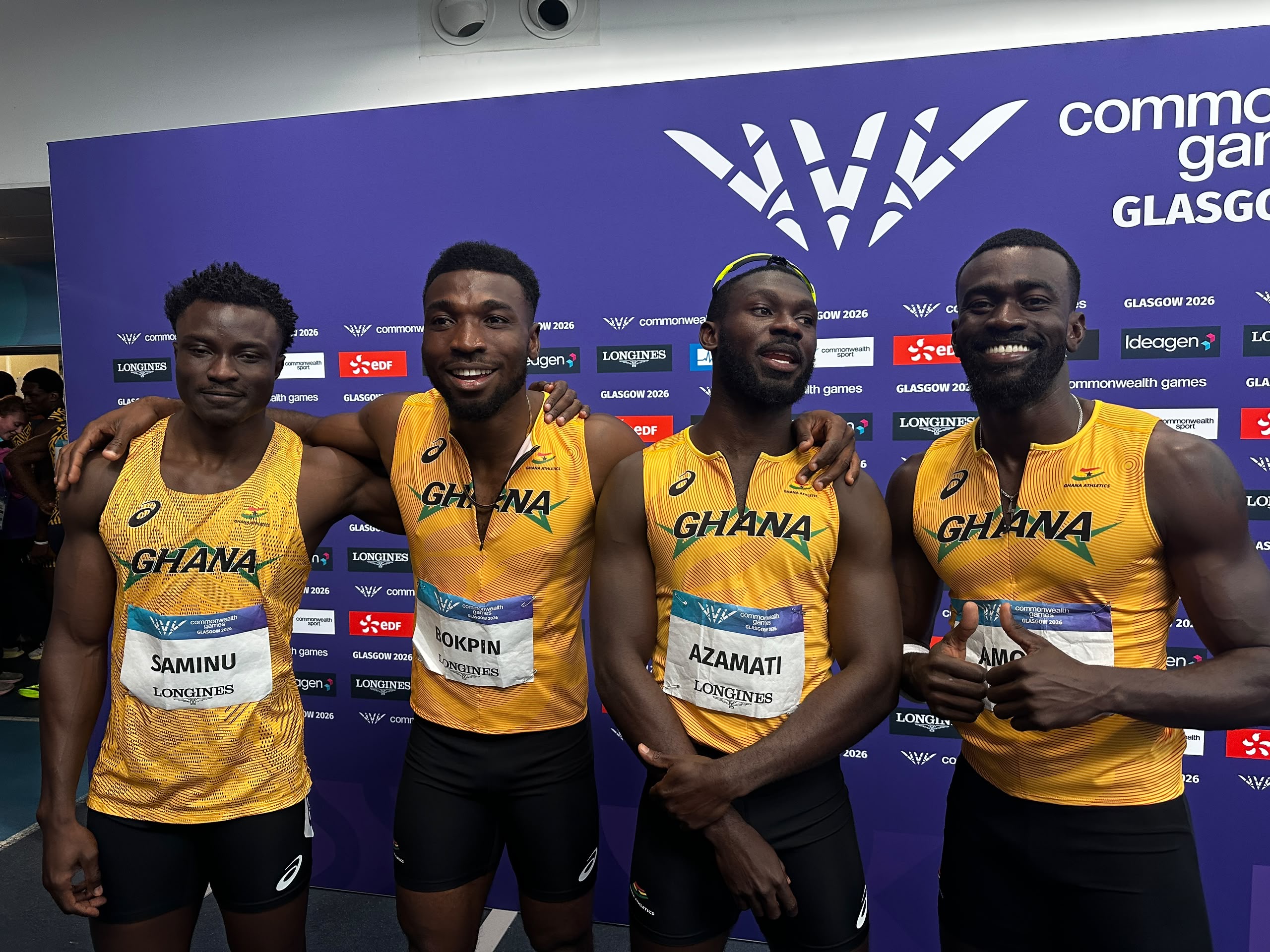
In Glasgow, Ghana’s tally dropped to two. Para athlete Zinabu Issah won silver in the women’s F57 shot put with a season-best throw of 8.65 metres, while boxer Amadu Mohammed took bronze in the men’s 55kg division. A brief celebration in the men’s 4x100m relay ended when Canada successfully overturned its disqualification, leaving Ghana fourth.
Although Glasgow featured fewer medal events than Birmingham, the decline raises questions about Ghana’s sporting progress. There were encouraging performances throughout the Games.
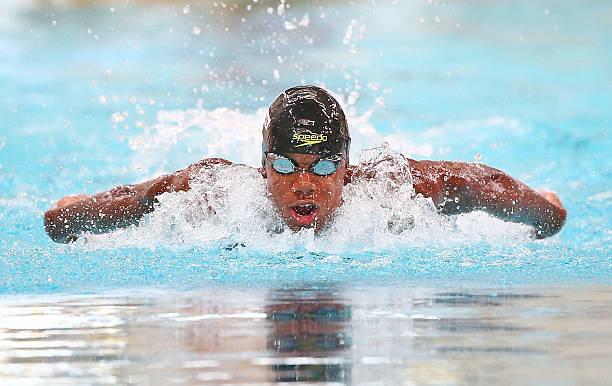
Benjamin Azamati reached another major sprint final, Joseph Paul Amoah qualified for the men’s 200m final, and swimmer Abeiku Jackson set another national record. Ghana’s relay teams also remained competitive.
But none of those performances produced medals. That has become a familiar story. Ghanaian athletes regularly reach finals but struggle to make the leap to the podium.
The comparison between Birmingham and Glasgow highlights a problem that extends beyond individual athletes.
Preparation remains inconsistent. Funding delays, late training camps, and logistical challenges continue to dominate the build-up to major competitions. Athletes also face limited international competition and inconsistent access to elite coaching and sports science, areas that often determine the outcome of closely contested events.
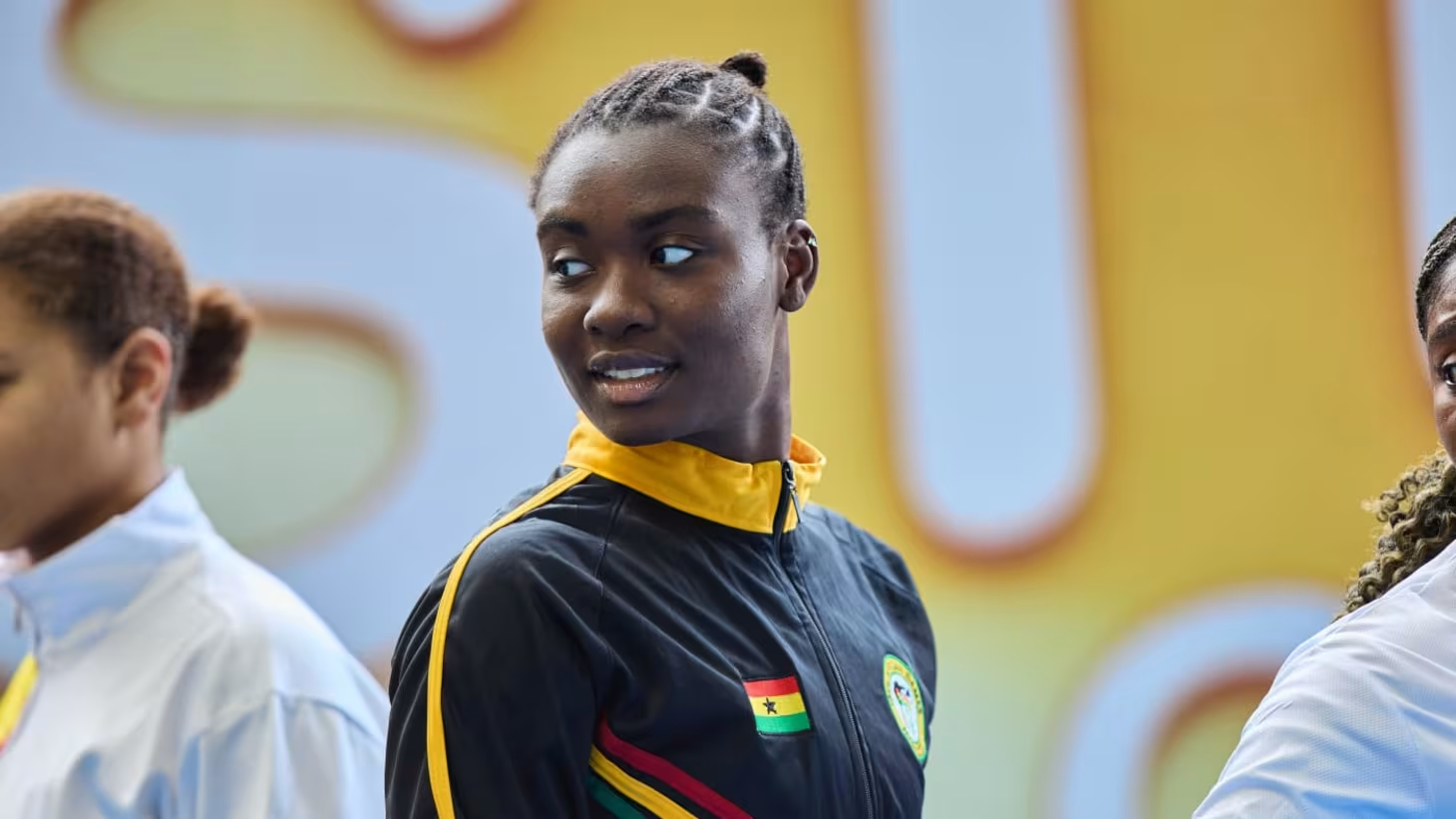
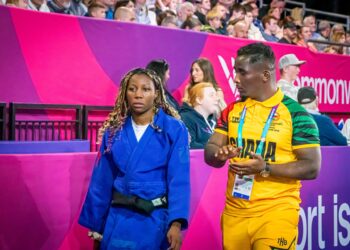
Ghana’s dependence on athletics and boxing is another concern. Those two sports have delivered almost all of Ghana’s 65 Commonwealth Games medals, while disciplines such as swimming, weightlifting, Judo, cycling, and para-sport receive far less support despite showing growing potential.
The biggest weakness is Ghana’s approach to athlete development. Successful sporting nations build athletes over several years through structured pathways that combine talent identification, quality coaching, sports science, and regular international competition.
Ghana, by contrast, too often shifts into preparation mode only when a major event approaches. Ghana continues to produce talented athletes through Senior High Schools and local competitions. Still, many struggle to make the transition to the elite international level because the support system is inconsistent.
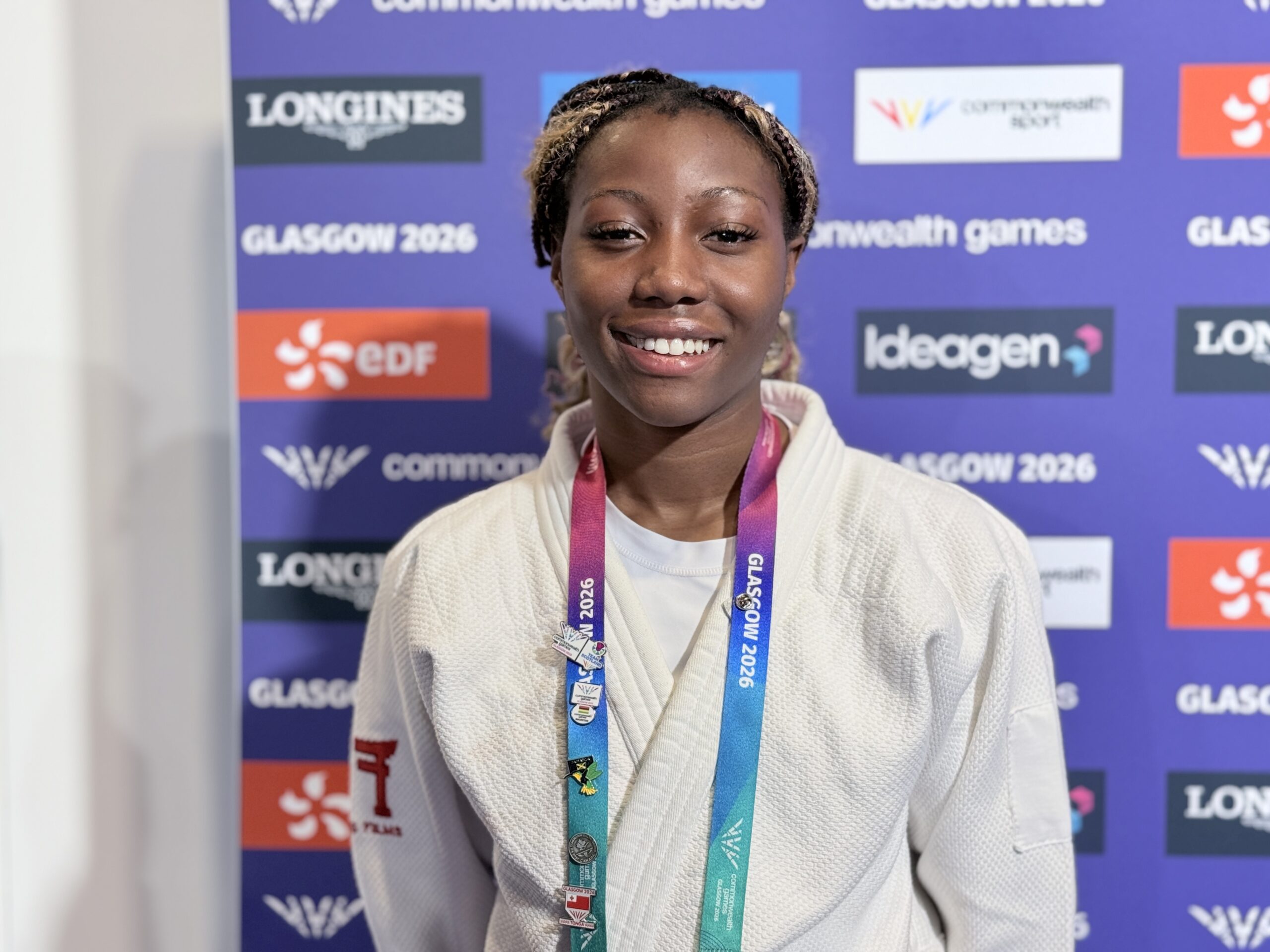
With four years until the next Commonwealth Games in Ahmedabad, Ghana has an opportunity to reset. That starts with releasing funding on time, investing in coaching and sports science, expanding international competition opportunities, and strengthening school and university sport. It also means broadening investment beyond athletics and boxing to sports that have shown the potential to deliver medals.
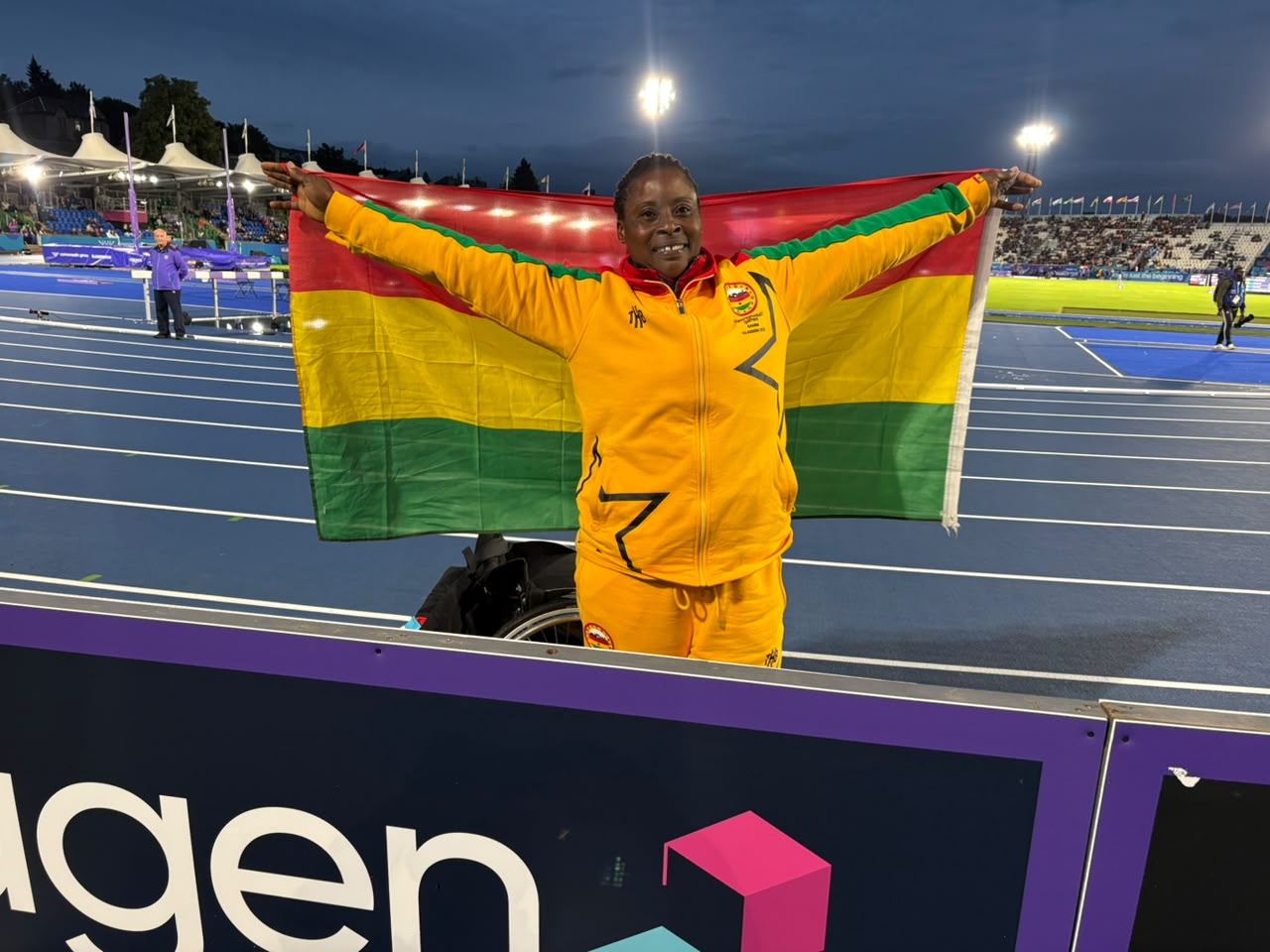
Glasgow 2026 should not be remembered simply as a two medal Games. It should serve as another reminder that Ghana’s challenge is not producing talented athletes, but creating a system that consistently helps them succeed.
Until that changes, Ghana risks repeating the same cycle every four years, celebrating qualification while others celebrate medals.