


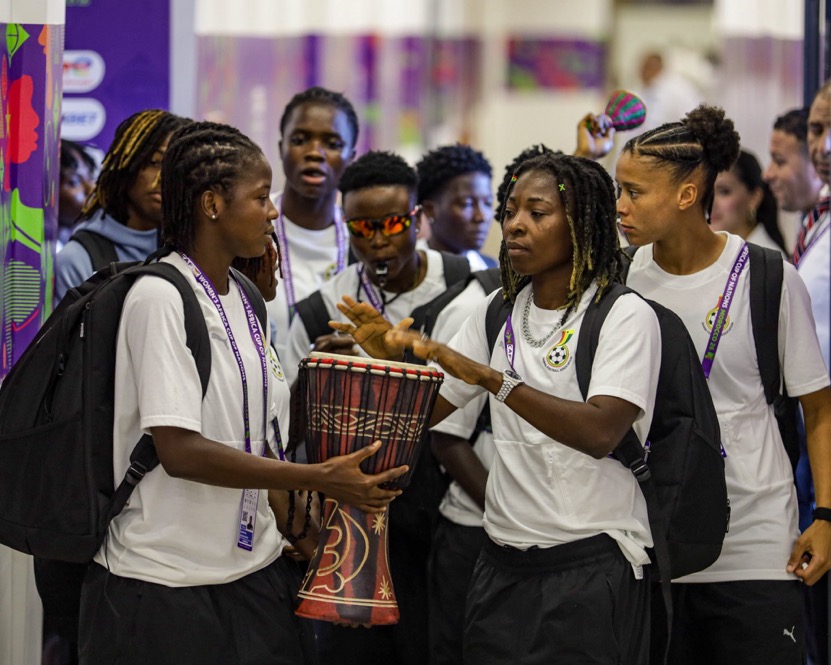
Ghana’s Black Queens suffered a 2–1 defeat to Malawi in the quarter-finals of the 2026 Women’s Africa Cup of Nations, ending their hopes of reaching the semi-finals and securing automatic qualification for the 2027 FIFA Women’s World Cup.
However, the defeat has not ended Ghana’s hopes of reaching Brazil. The Black Queens still have a route to the World Cup through the play-offs, giving them another chance to qualify despite their WAFCON exit.
The 2026 WAFCON doubles as Africa’s qualifying tournament for the 2027 Women’s World Cup. The four teams that reach the semi-finals will qualify automatically for the World Cup. Ghana’s defeat to Malawi means the Black Queens have lost that direct route.
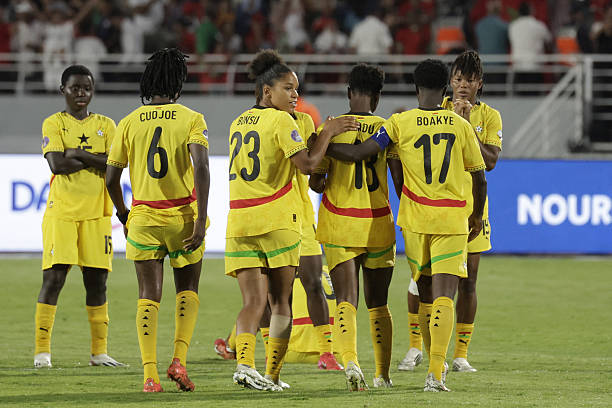
However, the four quarter-final losers remain in contention. Ghana will face Côte d’Ivoire, who also exited at the quarter-final stage after a 2–1 defeat to Algeria, in an African play-off for a place in the intercontinental World Cup play-off tournament.
The match is therefore effectively a World Cup qualification decider for the Black Queens. The Queens must quickly put the disappointment against Malawi behind them and focus on Côte d’Ivoire.
Victory would keep their World Cup hopes alive and send them into the next stage of qualification. Defeat, however, would end Ghana’s hopes of reaching the 2027 World Cup.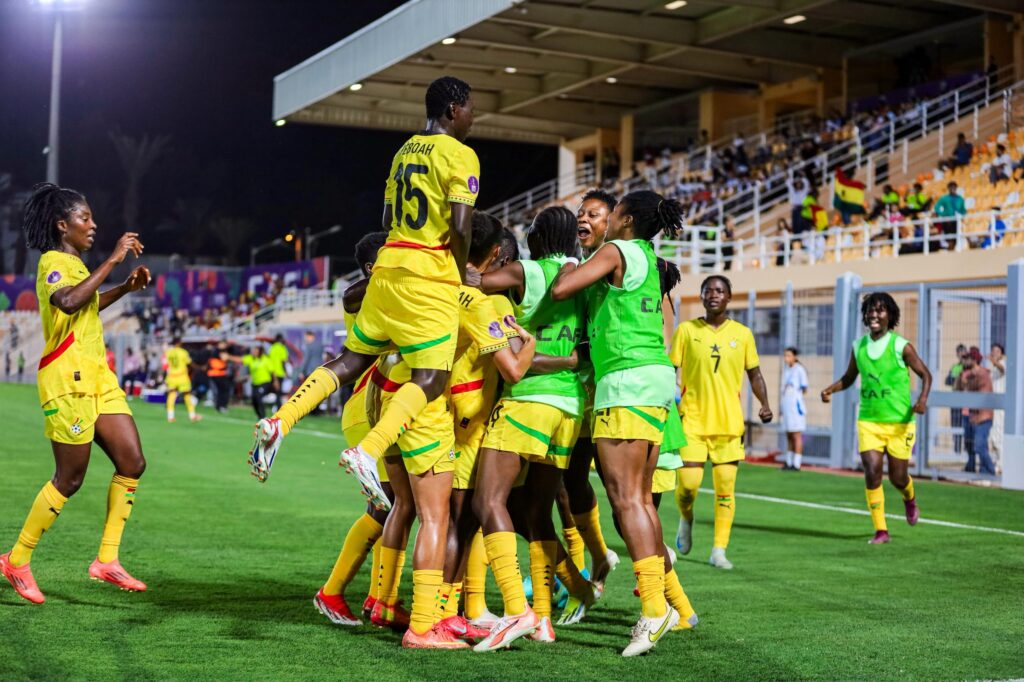
The Black Queens, therefore, face another high-pressure knockout match, with no room for error. Ghana is not the only African team taking the longer route to the World Cup.
Defending WAFCON champions Nigeria were also eliminated in the quarter-finals after a 1–0 defeat to Cameroon. The Super Falcons will face South Africa in another African play-off, with a place in the intercontinental World Cup play-off tournament at stake.
Cameroon, meanwhile, reached the WAFCON semi-finals and secured automatic qualification for the 2027 World Cup.
Winning the African play-off would not guarantee Ghana a place at the World Cup. Instead, the Black Queens would advance to the FIFA Women’s World Cup Play-Off Tournament, where they would compete against teams from other confederations for one of the remaining World Cup places.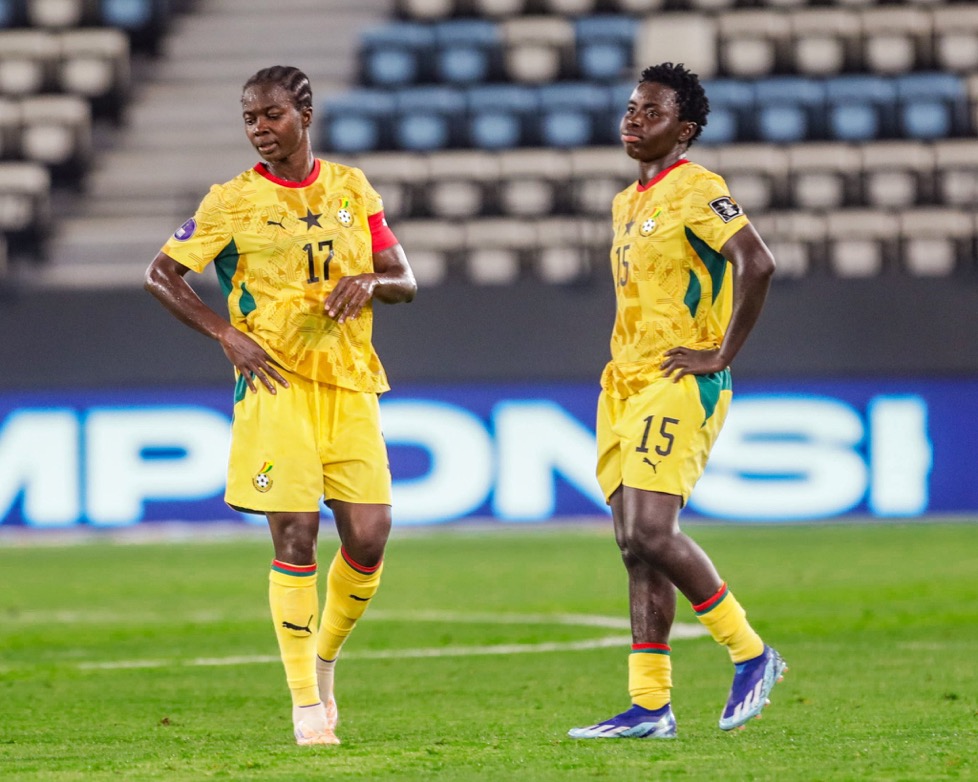
The intercontinental play-off tournament will be played in two phases, with the first phase scheduled for November and December 2026 and the final phase in February 2027.
Ten teams will compete for the final three World Cup places. The two African representatives will join teams from the other FIFA confederations in the global play-off tournament.
The first phase will feature six teams, two from CAF, two from the AFC, one from CONMEBOL, and one from the OFC.
The teams will be ranked before the draw, with the highest-ranked sides receiving a direct route into the final phase. The remaining teams will compete for the other places.
Ghana would therefore have to win the African play-off and then successfully navigate the intercontinental play-off tournament to secure a place at the 2027 World Cup.
A longer road, yes, but the dream remains alive. The new qualification format gives African teams additional opportunities to reach the expanded 32-team Women’s World Cup.
Brazil will host the 2027 tournament, which will feature 32 teams for the first time.
For Ghana, the route has become more difficult after the defeat to Malawi, but the World Cup dream remains alive. The immediate task for the Black Queens is clear: beat Côte d’Ivoire. If the Black Queens overcome that hurdle, they will remain in contention for a place in Brazil.
The Malawi defeat ended Ghana’s hopes of winning the WAFCON, but it did not end the Black Queens World Cup dream.