

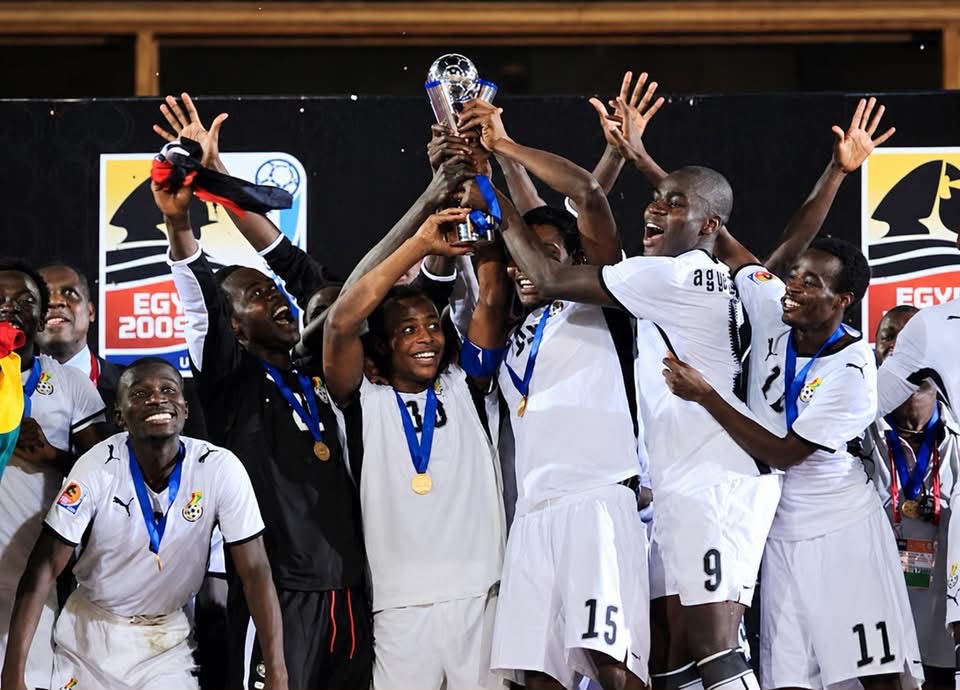
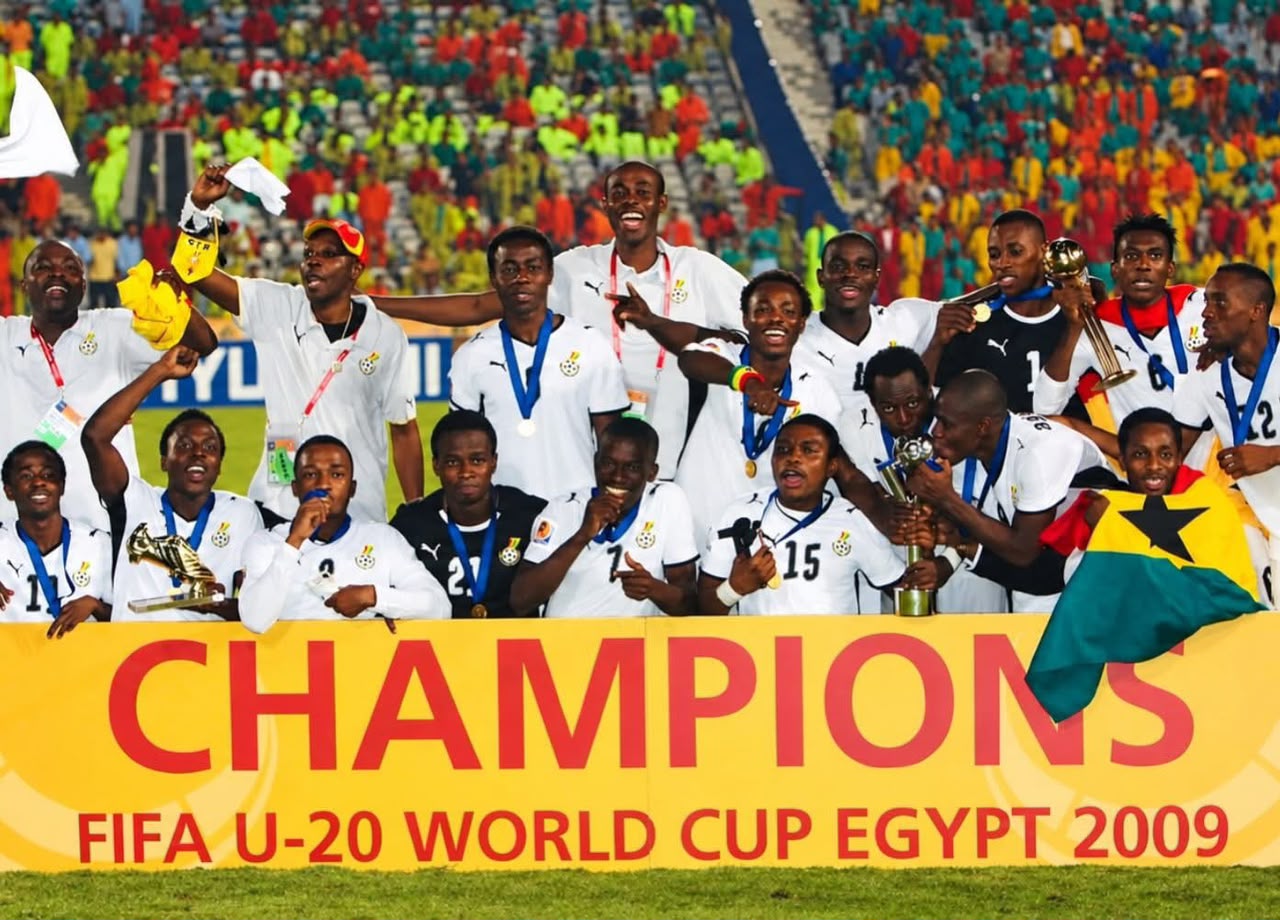
On October 16, 2009, Ghana made history by becoming the first African nation to win the FIFA U-20 World Cup. The Black Satellites conquered the world, defeating Brazil in a dramatic final in Cairo, Egypt, to achieve a milestone that remains one of Ghanaian football’s greatest moments.
It was a triumph that captured the imagination of a nation and reinforced Ghana’s reputation as a powerhouse of African football.
Seventeen years later, the achievement remains a source of pride, a reminder of what Ghanaian football can accomplish with talent, determination and belief.
As the anniversary returns, Citi Sports revisits the remarkable journey that took the Black Satellites to the summit of world youth football.
The final at Cairo International Stadium was a daunting test for Ghana. The Black Satellites had previously lost to Brazil in the 1993 final, while their 2001 campaign ended with a defeat to Argentina in the semi-finals.
Having fallen short in previous attempts, Ghana faced another opportunity to claim the title, this time against a Brazilian side with a formidable record at the tournament.
Brazil’s reputation alone was enough to make the task difficult. But Ghana had little room for error, especially with the weight of a nation’s expectations resting on the players.
Things became even more complicated in the 37th minute when defender Daniel Addo was sent off for a foul on Brazilian attacker Alex Teixeira.
“Asɛm aba,” as Ghanaians would say. Trouble had arrived.
The dismissal left Ghana with 10 men for the remainder of the match and appeared to tilt the balance in Brazil’s favour. The South Americans had already won the tournament four times and were chasing another title.
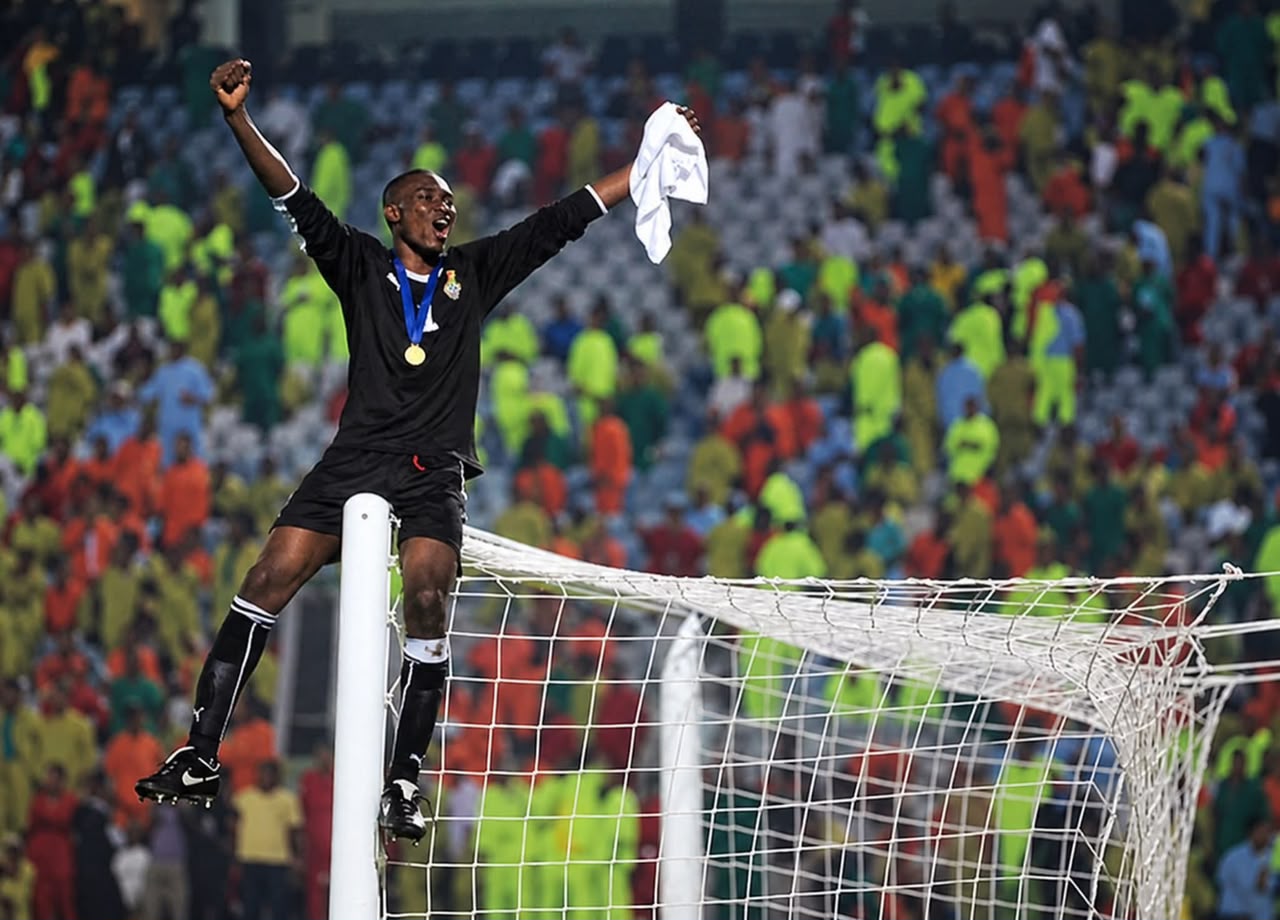
Brazil created several scoring opportunities, but Ghana’s disciplined defending and goalkeeper Daniel Agyei’s crucial saves kept the game goalless through regulation time and extra time.
With neither side able to find the breakthrough, the final went to penalties. Agyei and Agyemang-Badu seal history. The shootout delivered the drama the final had promised.
Ghana captain Andre Ayew, Samuel Inkoom and Dominic Adiyiah converted their penalties, while goalkeeper Daniel Agyei emerged as a key figure by saving efforts from Souza and Alex Teixeira. Brazil’s Maicon also missed, sending his kick over the crossbar.
With the shootout finely balanced, Emmanuel Agyemang-Badu stepped forward to take the decisive penalty.
He kept his composure, beat Brazilian goalkeeper Rafael and secured a 4-3 victory for Ghana.
The celebrations that followed were a fitting reward for a team that had endured a major setback but refused to be beaten.
The Black Satellites were world champions. Ghana had overcome Brazil, despite playing much of the final with 10 men, to become the first African nation to win the FIFA U-20 World Cup.
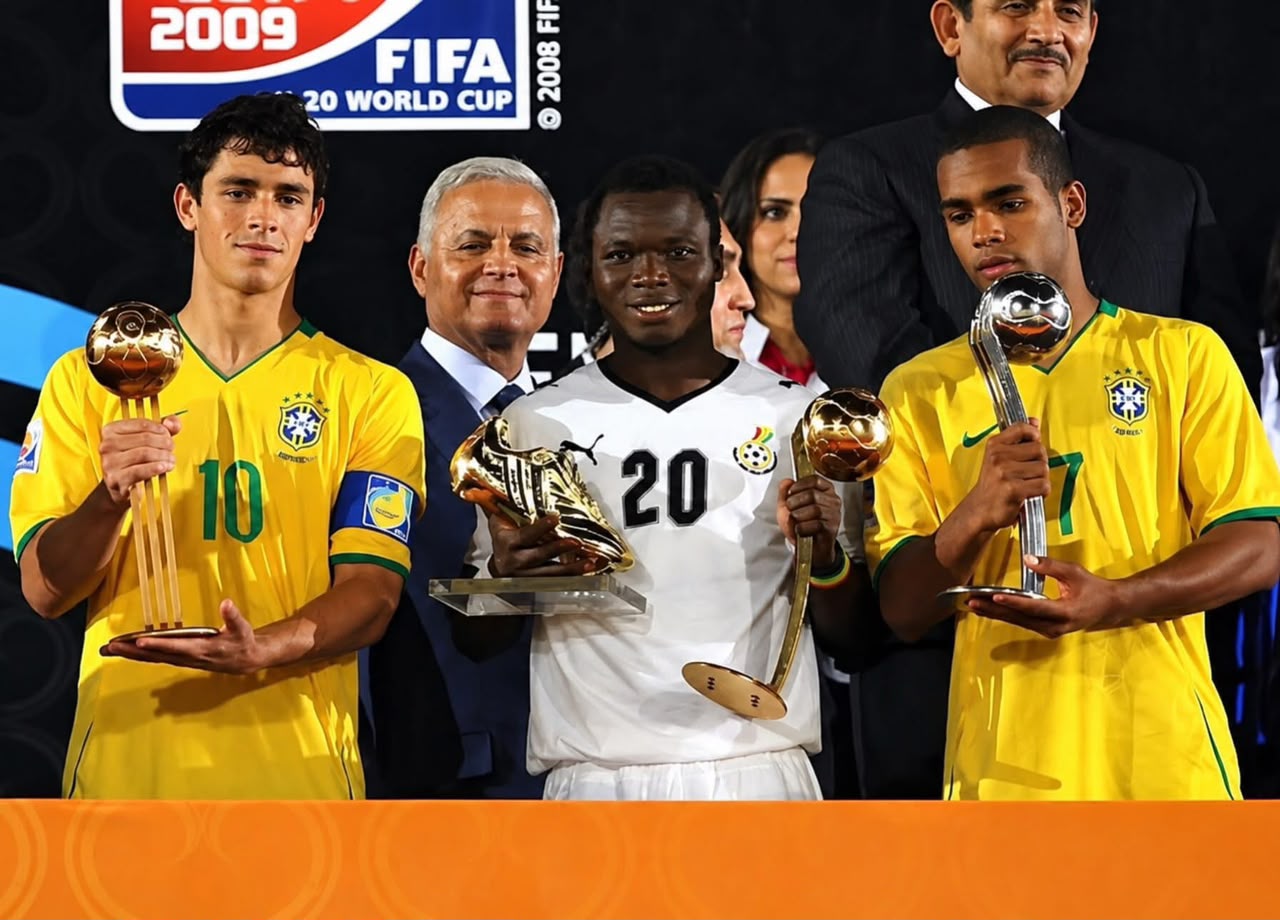
It was a victory built on resilience, defensive discipline and the nerve to deliver when it mattered most.
The triumph also helped raise the profiles of several players who went on to feature prominently in Ghanaian football. Ayew continued to lead the senior national team, while Inkoom and Agyemang-Badu established themselves as notable talents in the years that followed.
But the significance of the 2009 victory went beyond the careers of individual players. It showed that an African nation could conquer the world at the Under-20 level, breaking a barrier that had stood for decades.
Ghana’s achievement remains a benchmark for the country’s youth teams and a defining moment in its football history.
As we look back 17 years later, the memories of Cairo offer more than an opportunity to celebrate past glory. They should also inspire renewed efforts to rebuild Ghanaian football and restore the Black Satellites and the senior national team to the heights that once made the country a force to be reckoned with. The 2009 team showed what was possible.
Story by Gabriel Tecco Mensah