


Former Black Stars psychologist Dr Patrick Ofori says one of the driving forces behind the current progress of women’s football in Ghana is the absence of conflict of interest within the sport’s administration a factor he believes has helped the game develop more fairly and effectively.
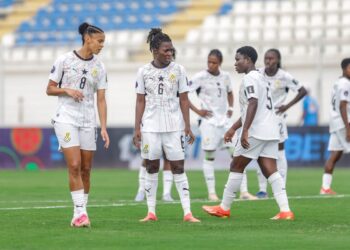
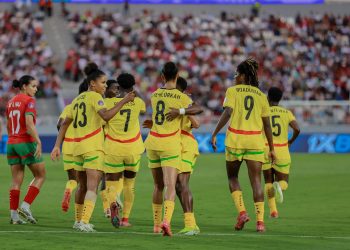
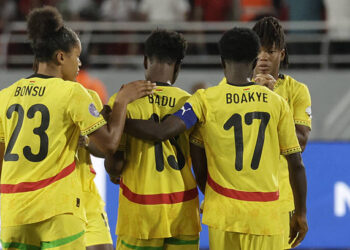
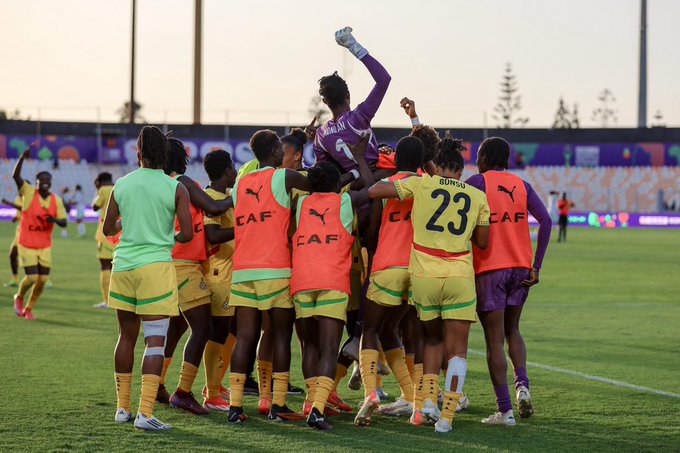
Ghana’s women’s national team, the Black Queens, have demonstrated significant improvement on the international stage in recent months.
They secured a dominant 7–0 aggregate victory over Egypt to qualify for the 2026 Women’s Africa Cup of Nations (WAFCON), highlighting their attacking strength and cohesion. In addition, the Queens made a strong showing at the 2025 WAFCON, advancing to the quarter-finals with a 4-1 win over Tanzania their best progression at the tournament in years.
Dr Ofori elaborated on what he sees as a key difference in the women’s game:
“I would say yes, but why the women’s football would thrive at the pace that it is going is that there are no issues about conflict of interest.”
According to Dr Ofori, officials involved in the management of women’s football within the Ghana Football Association (GFA) do not own female teams or have stakes that could influence decision-making.
“Those in the key positions within the FA, none of them are the owners of the female teams — not the EXCOs, not the management committees.

He pointed out that unlike in some other areas of the sport where individuals may push certain players or teams for personal gain, the women’s game has been shielded from such practices.
“So you look at the commercial aspect of the women’s game, especially people wanting their players in the youth team so that their players’ profile would go up so that they can quickly transfer those players. The agenda and the self-seeking interest is not that high within the women’s game.
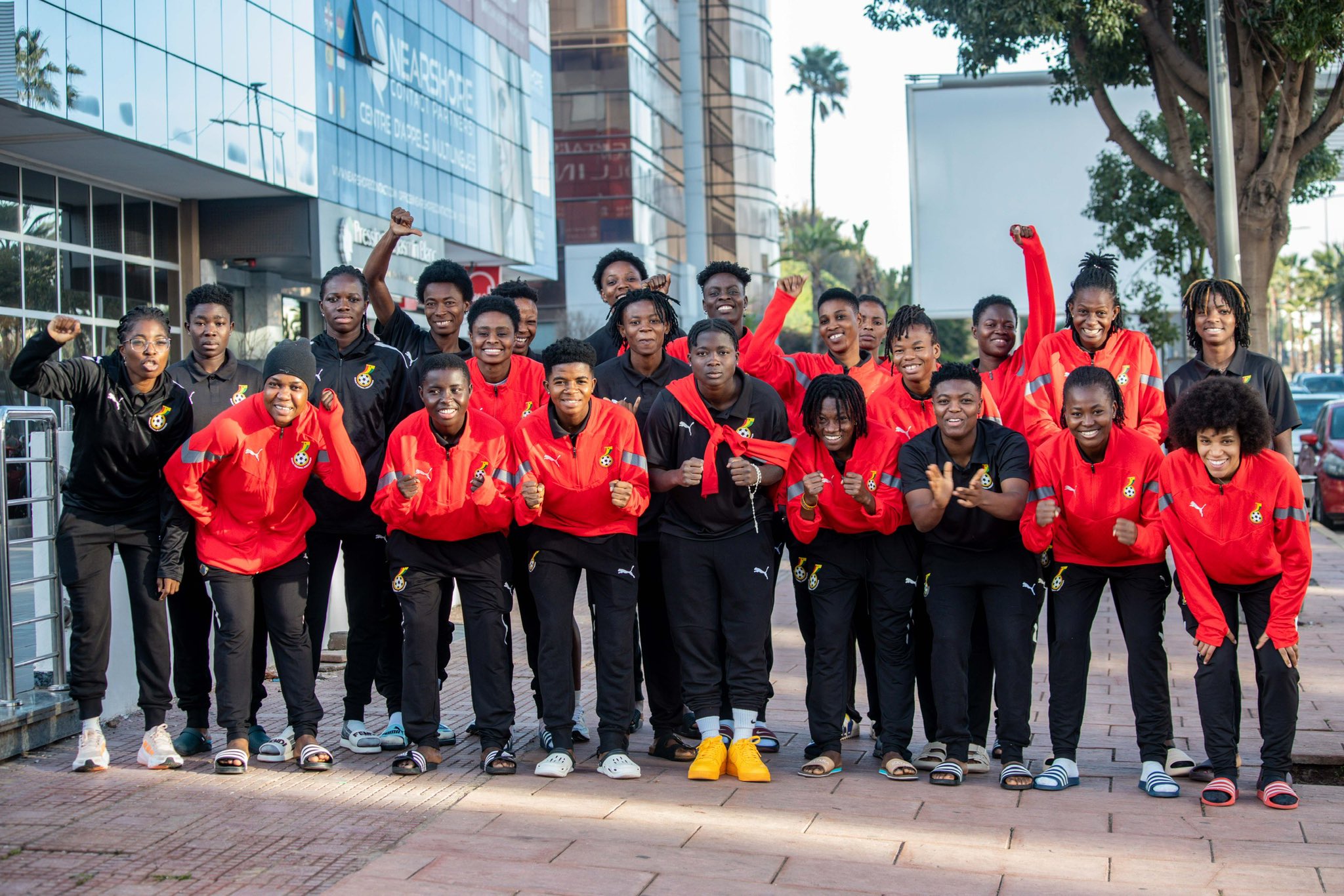
Dr Ofori believes this environment, free from overriding personal interests, creates room for sustainable success and meaningful progress.
For that matter, you are likely going to see successes and the gains. When personal interest overrides that of the overall national goals, it becomes an issue.
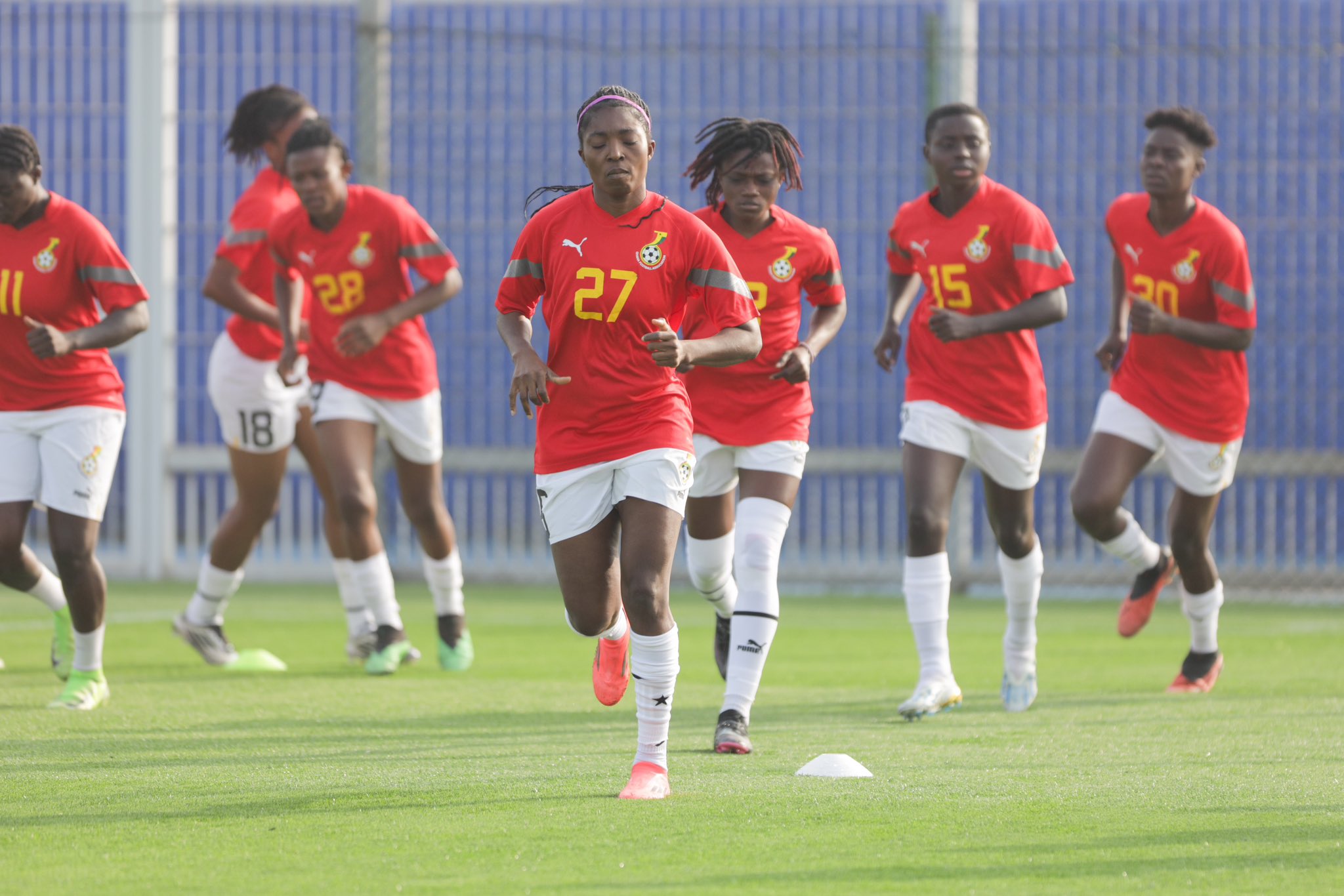
He also dismissed claims that the departure of former head coach Nora Häuptle halted the momentum in the women’s game.
That is why you can’t also necessarily say that when Nora left, she left with Ghana football. The talent was there, the female game was there.
Their performances have contributed to Ghana climbing five places in the latest FIFA Women’s World Rankings to 62nd overall, placing them third in Africa behind Nigeria and South Africa.