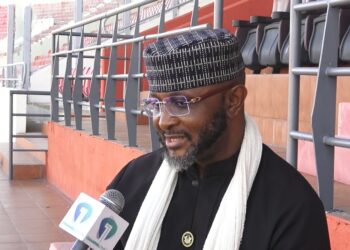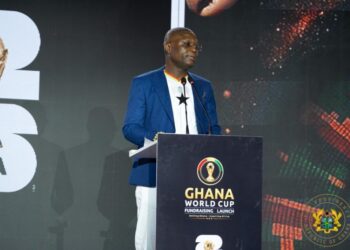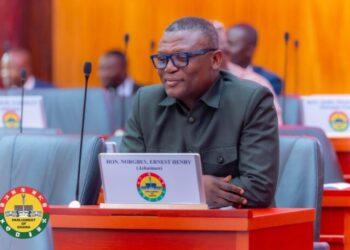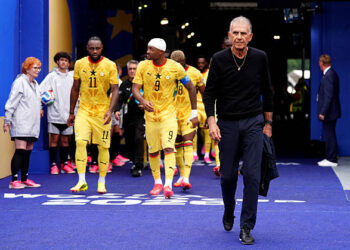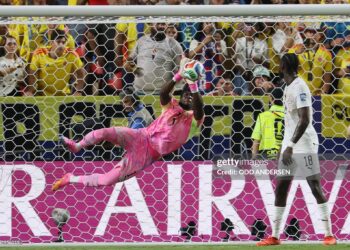



Member of Parliament for Ketu North, Eric Edem Agbana, says the government should not use public funds to sponsor supporters to the upcoming 2026 FIFA World Cup.
The 2026 World Cup is the largest in history, featuring a record 48 teams (up from 32) and 104 matches played across 16 cities in the US, Canada, and Mexico is expected to attract thousands of fans from across the world. Ghanaian supporters in particular have built a reputation for creating a vibrant atmosphere at global tournaments, often described as the team’s “12th man”.
However, speaking to Sammie Wiafe on Eyewitness News on Monday, March 9, Agbana said government resources would be better spent elsewhere.

“This is my very personal view and I hope I’m not misquoted,” he said. “I have tried to do some rough calculations on what it would cost government to send a single supporter to the World Cup, even just for the group stages, and if you ask me, I do not think government should invest public funds to take supporters there.”
According to the MP, the estimated cost of sending one fan to the tournament ; covering flights, match tickets, accommodation and basic allowances could reach about $9,000.
“If you take just one supporter, it will cost around $9,000. If government intends to send about 2,000 supporters, we are talking about roughly $18 million,” he explained.
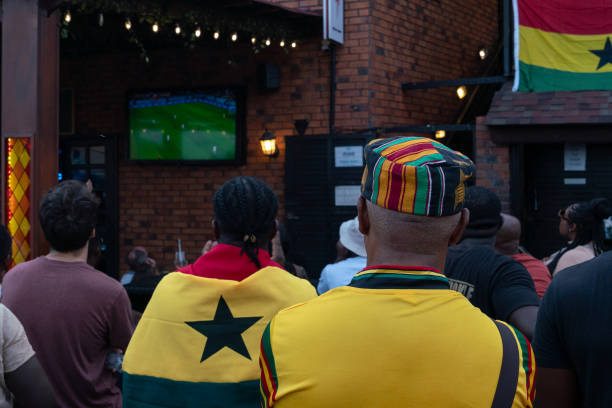
Agbana believes such an amount would be better invested in sports infrastructure across the country rather than funding travel for a limited number of fans.
“If you spread 2,000 supporters across the 276 constituencies in Ghana, each constituency would get less than ten people. If you asked me to bring even ten people from Ketu North to the World Cup and spend about $90,000, I would rather say use that money to build an AstroTurf or a sports complex in my constituency,” he said.
The MP added that many Ghanaians already travel independently to major tournaments and that there are also large Ghanaian communities in countries where the World Cup will be staged.

“A lot of people are able to travel on their own, and we also have many Ghanaians living in those countries who will support the team,” he said.
Agbana suggested that government should instead prioritise long-term investments in grassroots sports development, such as building pitches and modern sporting facilities that will benefit young athletes across the country.
“Beyond the World Cup, you will still have a turf or a sports complex where young people can train and develop their talents,” he noted.
While acknowledging that some governments raise private sponsorship to support fan travel, Agbana maintained that Ghana should focus on building sustainable sports infrastructure that will have a lasting impact.