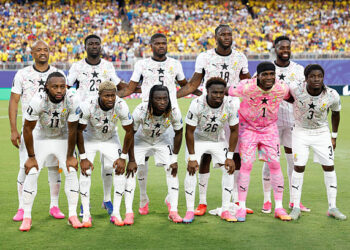


The wait is finally over.
After all the noise, shifting shortlists, and weeks of speculation, the Black Stars have made their decision and it is a big one.
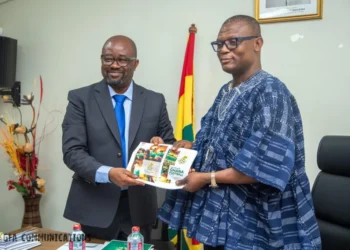
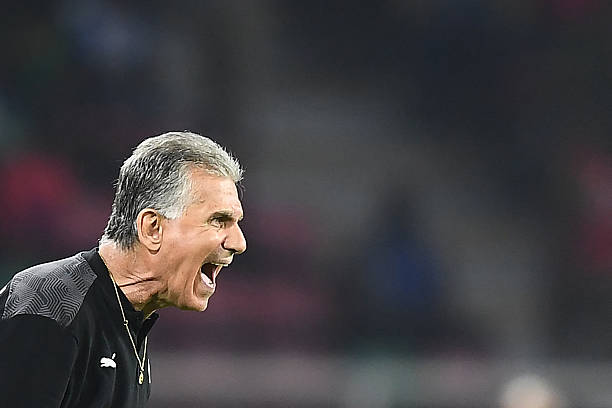
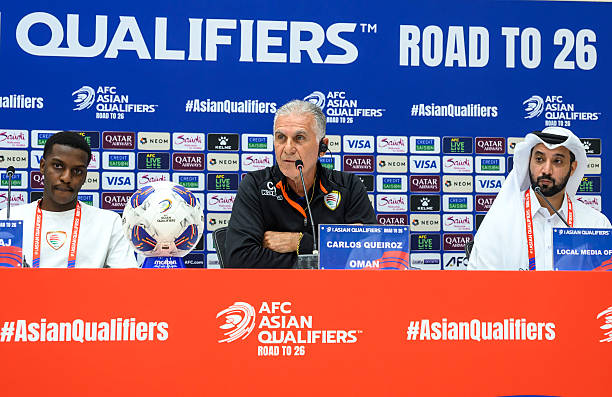
On April 13, 2026, the Ghana Football Association confirmed the appointment of Carlos Queiroz as the new head coach.
And just like that, the conversation changes. It is no longer about who gets the job. It is about what this appointment actually means for Ghana, and what direction this team is now heading into the 2026 FIFA World Cup with.
Because this is not a routine hire. This is a statement.
A CV That Commands Attention
Whatever your opinion is of Queiroz, his football résumé is impossible to ignore. This is a man who has operated at the highest level of the game for decades, across continents, under pressure, and often with teams that were not expected to compete.
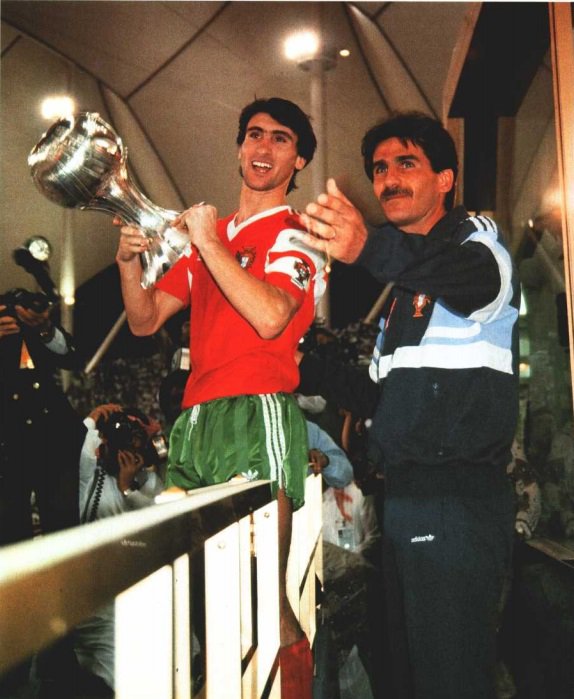
He won two FIFA U-20 World Cups with Portugal in 1989 and 1991, laying the foundation for what became one of the country’s greatest football generations like Luis Figo and Rui Costa
He worked under Alex Ferguson at Manchester United during one of the club’s most successful eras, winning multiple Premier League titles and a Champions League.
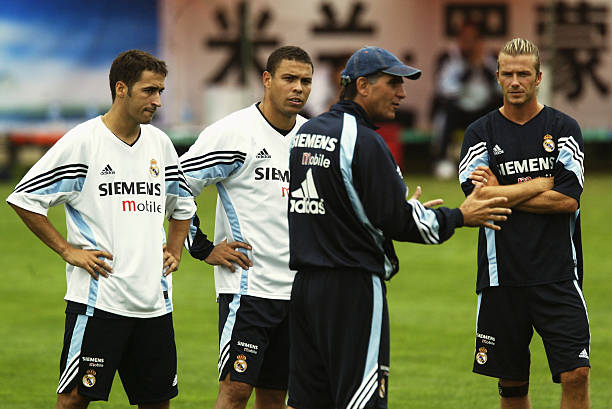
He has managed giants like Real Madrid, and more importantly for his reputation, he has taken “non-elite” national teams and turned them into disciplined, hard-to-break-down units on the biggest stage.
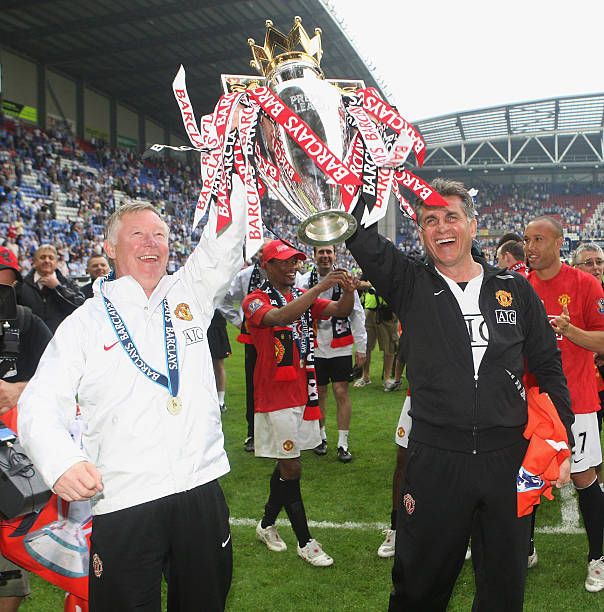
This is where Queiroz has built his identity not as a stylist, but as a problem-solver.
A Specialist in Tournament Football
Queiroz is not really a club coach in the traditional sense. He is a tournament coach.
His strength has always been national teams environments where time is short, pressure is high, and results matter more than long-term philosophy.
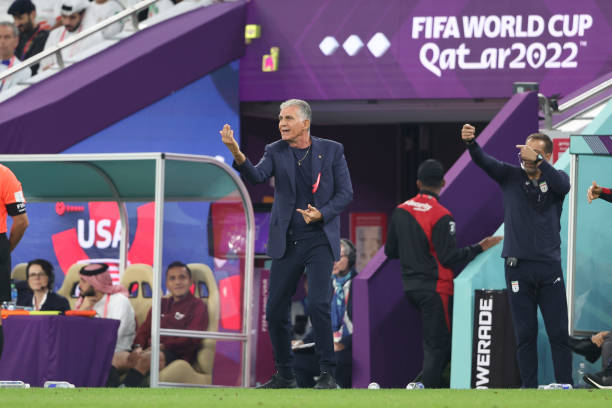
He guided Iran to three consecutive World Cups and built one of the most organised defensive structures in international football during his time there. At one point, Iran went 23 World Cup qualifiers unbeaten under his leadership, a record that speaks to consistency and structure more than flair.
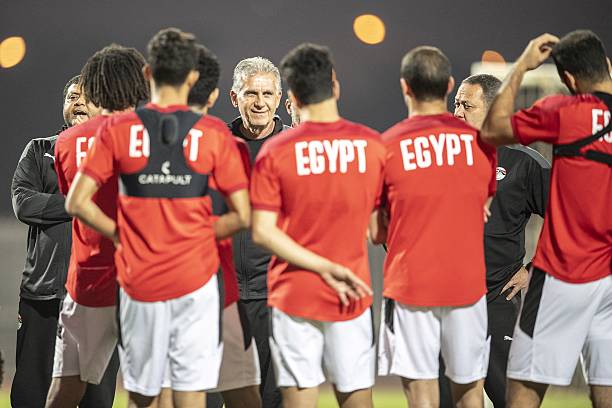
He also led Egypt to the AFCON final in 2021, and earlier in his career, qualified South Africa for the 2002 World Cup.
The pattern is clear: Queiroz doesn’t always produce exciting teams, but he produces difficult ones.
Why This Appointment Makes Sense for Ghana
For the Black Stars, this appointment is less about entertainment and more about correction.
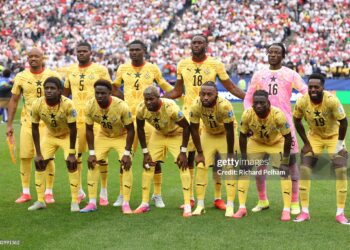
In recent years, Ghana have not lacked talent. Players like Thomas Partey, Mohammed Kudus, Antoine Semenyo and others have shown quality at top levels of football. But that quality has not always translated into control, consistency, or defensive stability.
Too often, matches have followed the same pattern periods of brilliance followed by lapses in structure, concentration, and game management.
This is exactly the problem Queiroz is known for fixing.
His football is built on organisation first. Compact defensive shape, clear roles, minimal risk in dangerous areas, and quick transitions when opportunities arise. It is not designed to impress. It is designed to survive and compete.
And in tournament football, survival is often the difference.
The “Rottweiler” Approach
There is a reason Queiroz has been described as a “Rottweiler” by Alex Ferguson relentless, detailed, and uncompromising.
His teams do not drift. They do not lose structure easily. They do not depend on moments of individual chaos to stay in games.
he has famously said that
My basic football philosophy is to win games the old Arsenal way; 1-0. I see a sound defense as the platform and my immediate aim is to score one more goal than the opposition to win.”
Instead, they function as units.
The philosophy is simple: stay compact, stay disciplined, and punish mistakes when they come.
It is a style that has frustrated bigger teams and made underdogs competitive in ways that many thought were impossible.
For Ghana, that could be the missing layer.
What Changes Immediately
Expect a different Black Stars side almost immediately. Not necessarily more entertaining, but certainly more controlled.
The defensive line will sit deeper and more compact. The midfield will prioritise protection and structure over freedom. The team will move as a single unit, with far less fragmentation between attack and defence.

In possession, Ghana will likely become more direct. Fewer risky build-ups from the back, more emphasis on quick transitions, and more calculated attacks when space opens up.
The overall idea is simple: reduce chaos, increase control.
The Demands on the Players
This system will not suit everyone.
Queiroz’s football demands discipline, positioning, and constant work off the ball. It is not a system where talent alone guarantees selection or freedom.
Players like Thomas Partey become central to the entire structure, acting as the anchor in midfield. Mohammed Kudus could thrive in transition, where his ability to carry the ball and exploit space becomes even more dangerous. Wide players like Antoine Semenyo will be expected to contribute defensively as much as they do in attack.
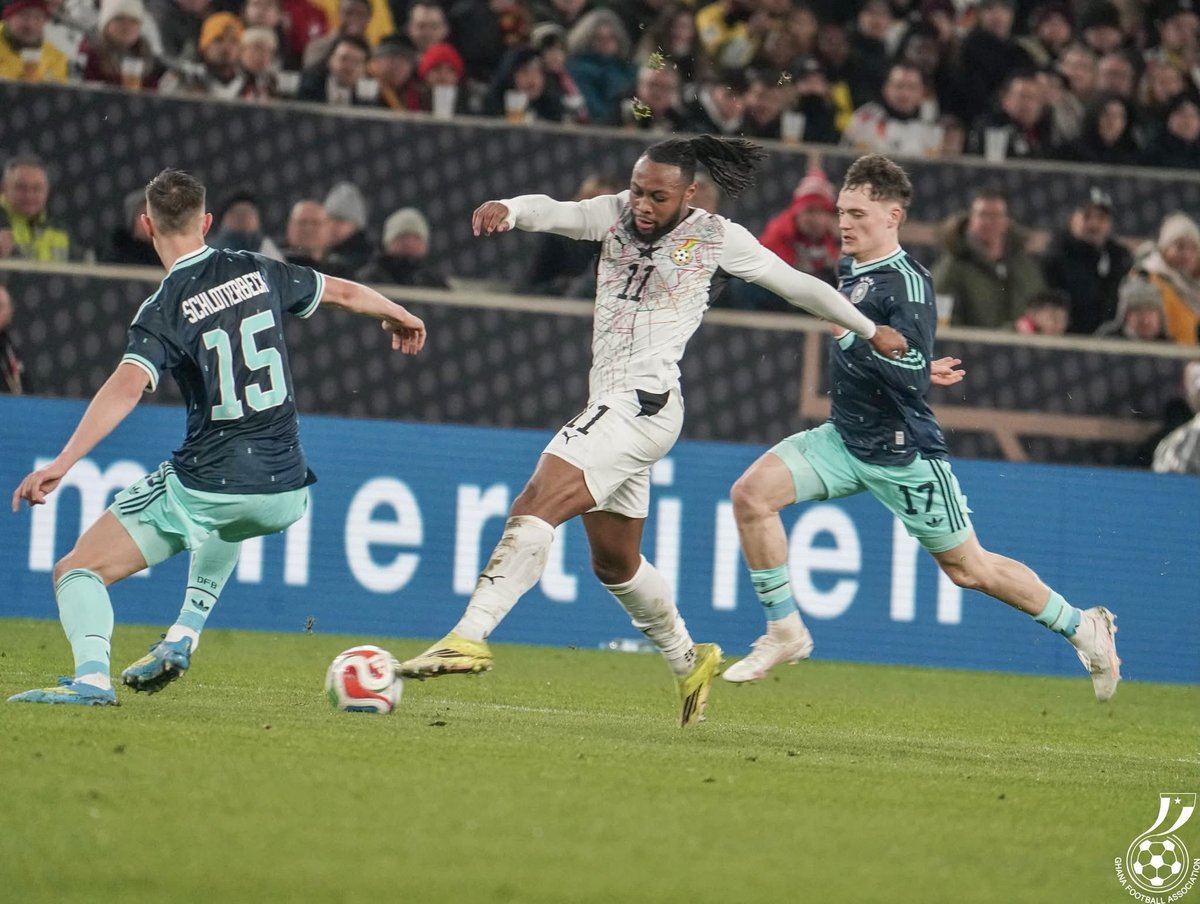
There are no passengers in this setup. Every player has a job and must execute it repeatedly.
If the squad adapts, Ghana becomes a very difficult team to play against. If they don’t, the system collapses quickly.
A Familiar Risk
Because wherever Queiroz goes… there is usually tension.
Let’s not ignore it:
Oman — left after failing to qualify for the World Cup
Qatar — gone in under a year amid concerns over style
Egypt — exited after missing out on qualification
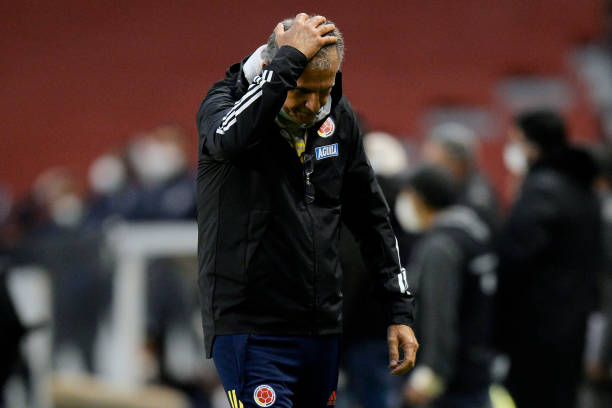
Colombia — sacked after heavy defeats
Iran — repeated clashes over resources and control
Portugal — sacked after poor results and controversy
South Africa — walked away after disputes with the federation
That is the trade-off.
If you hire Queiroz, you are not just hiring a coach. You are hiring a strong personality with strong demands.
And that will test not just the players, but the entire football structure around him — including the Ghana Football Association.
Short-Term Fix or Smart Decision?
This appointment feels very clearly tied to the 2026 FIFA World Cup. It is immediate, results-focused, and built around experience rather than long-term development.
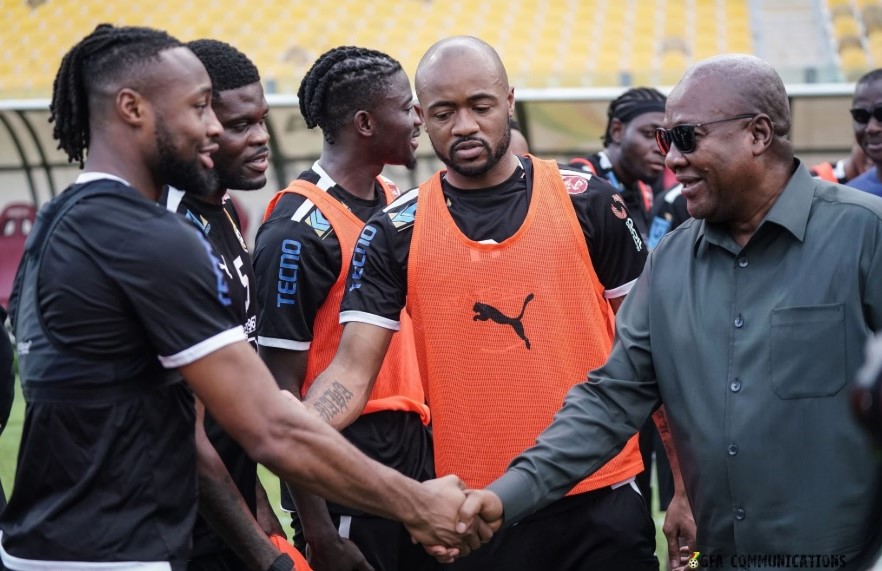
That raises a familiar question for Ghana.
Is this a stepping stone toward something sustainable, or another short-term solution designed to steady the ship before the next reset?
It is a debate that has followed the Black Stars for years, and now it returns again — just under a different coach.
Final Thought
This is not a romantic appointment.
It is a practical one.
Ghana have chosen structure over style, control over chaos, and experience over experimentation.
And in many ways, that may be exactly what this team needs right now.
Because at the World Cup, reputation alone is not enough. Talent alone is not enough. Even moments of brilliance are not enough if they are not supported by structure.
What matters is whether a team can stay organised when pressure rises.
So now the question becomes very simple:
Can Carlos Queiroz bring order to the Black Stars… and keep it that way when it matters most?
Because if he can, this might not just be a safe appointment.
It might be one of the most important decisions Ghana has made in years.