

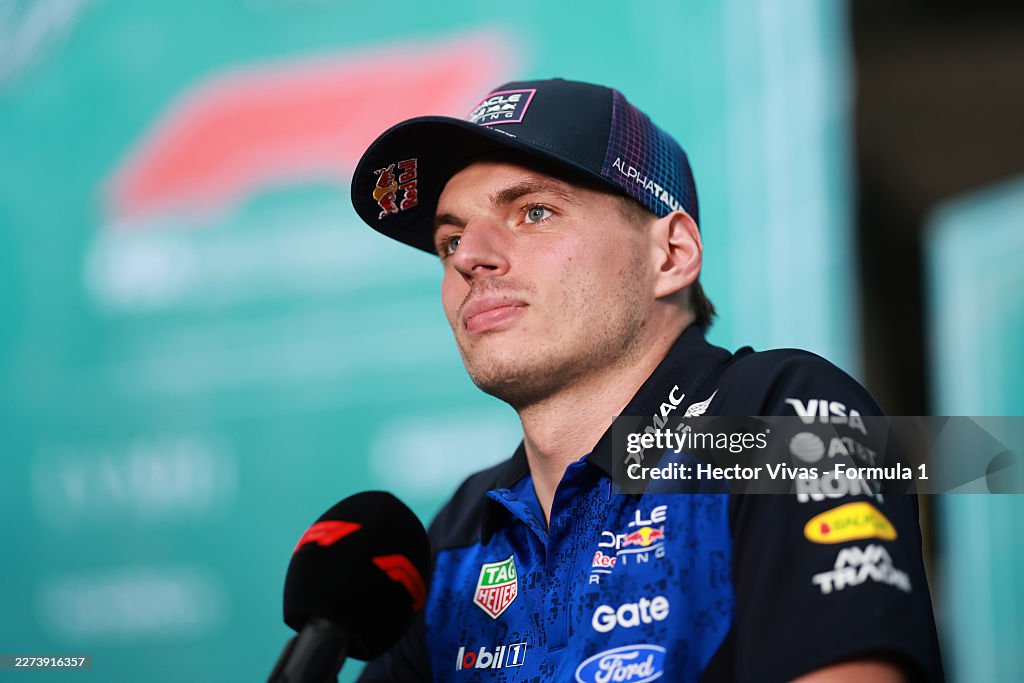
Red Bull driver Max Verstappen has described the latest changes to Formula 1 regulations as insufficient, saying they amount to little more than “a tickle” in addressing concerns raised by drivers about the current style of racing.
The revisions, introduced through a series of detailed technical adjustments, are intended to make qualifying laps more of a flat-out challenge and to limit speed differences between cars during races.
However, speaking ahead of the Miami GP happening this weekend, Four time drivers Champion Verstappen believes they fall short of what is required to significantly improve the driving experience.
“It’s a tickle. It’s not what we need yet to really make it flat out. Like I said, it’s complicated to get everything to agree. I just hope that next year we can make really big, big changes,” he said.
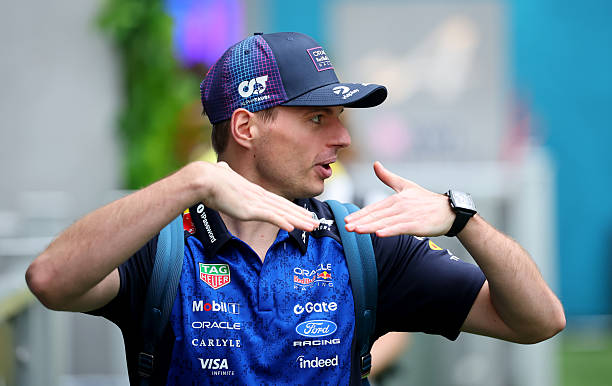
The Dutch driver has previously voiced frustrations about the direction of the sport, even suggesting that the characteristics of the new cars have made him question his long-term future in Formula 1.
Despite those concerns, he added that no final decision has been made. “I still have time, and I’m taking my time.”
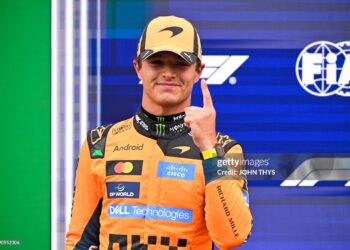
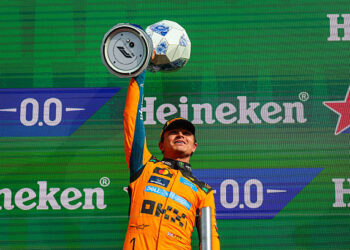
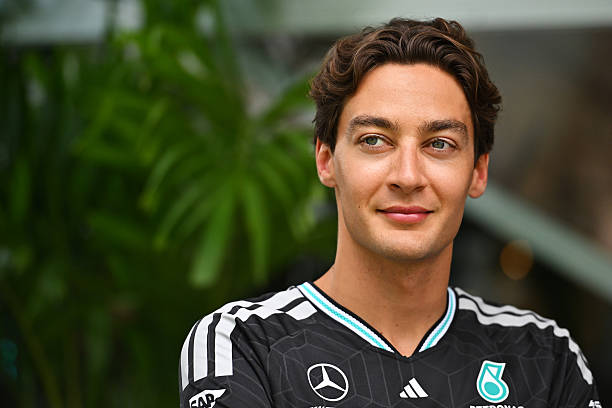
Other leading drivers, however, have struck a more positive tone. Mercedes driver George Russell described the adjustments as “good”, while reigning world champion Lando Norris said drivers should be satisfied with the progress achieved so far.
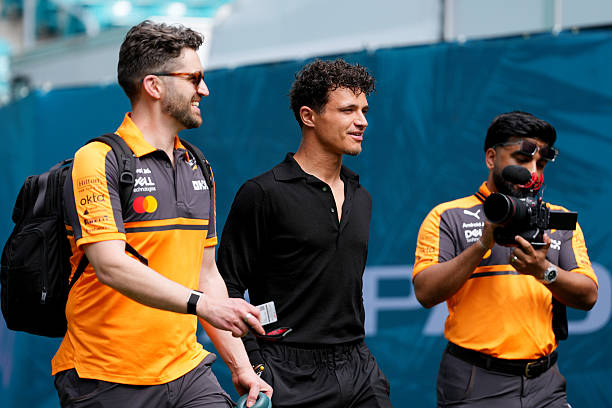
“It’s tough to go that much further. There’s only so much you can do with the rules that you have to keep things within. We would all have liked more in the direction that they’ve gone,” Norris said.
He added that while the changes may not dramatically alter racing itself, they could improve qualifying.
“The race really isn’t going to be that different. So some things are not going to change that much, and the qualifying should be a bit more flat-out qualifying-style laps, which is a nice thing. It’s what we want [as] the drivers, so I think we have to be happy with the amount of changes that they’ve done.”
A key element of the updated regulations focuses on the sport’s evolving engine technology. The current power units feature an almost equal split between internal combustion and electrical energy, requiring drivers to carefully manage energy deployment throughout a lap.
This has led to what some have described as “counter-intuitive” techniques, including lifting off the throttle before corners in qualifying to recharge batteries, rather than pushing at maximum speed. The changes are aimed at reducing such practices.
Another priority has been addressing large speed differentials that occur when one car deploys its full electrical output up to 350kW (470bhp); while another is conserving energy. By limiting these disparities, officials hope to create more consistent and competitive racing conditions.
Despite the progress, Norris acknowledged that more substantial improvements will take time.
“We’ve done a good job in trying to improve things. The bigger things and the things we want more in the future are going to take more time.”
Those longer-term changes are expected to involve modifications to engine hardware, including increasing the contribution from the internal combustion engine.
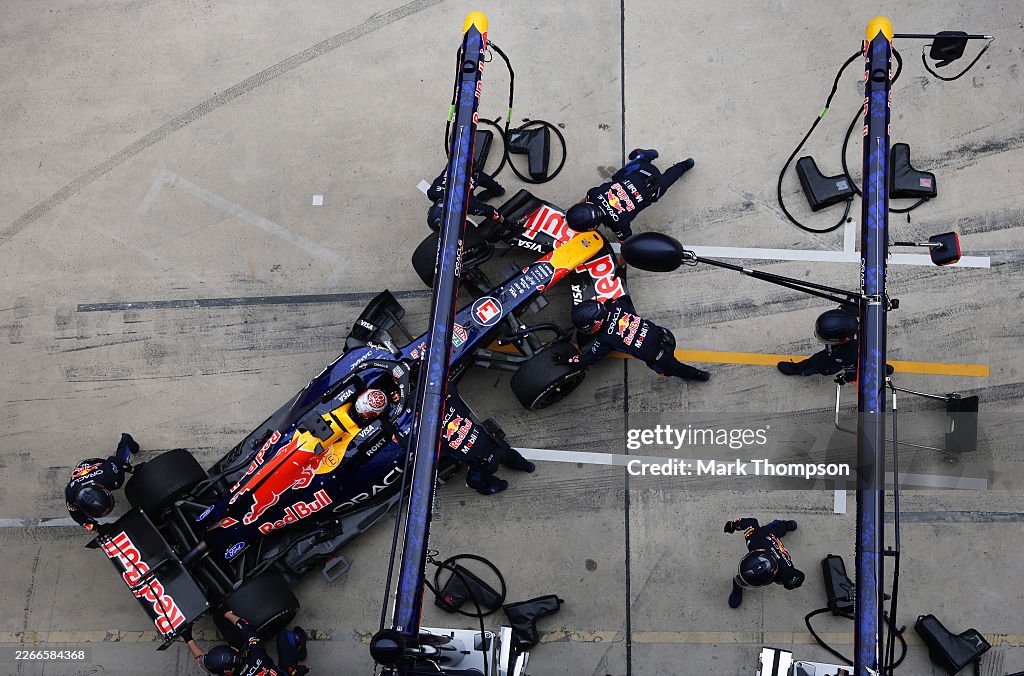
Such a shift could reduce the need for intensive energy management but would require regulatory approval and careful consideration of reliability concerns.
Any significant overhaul cannot be introduced before next year, as it would need agreement from engine manufacturers, the sport’s governing body, the FIA, and Formula 1 itself.
For now, while some drivers see incremental progress, Verstappen’s comments highlight a continued divide over whether the current direction of the sport is delivering the racing experience competitors are seeking.