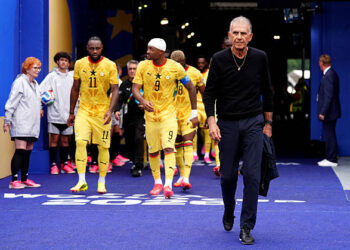



Since taking over as President of Africa’s football governing body, CAF, it has been clear as crystal that Patrice Motsepe has tried vigorously to be like President of world football governing body, FIFA, Gianni Infantino.
Aside the striking physical resemblance with both men being bald on a light hearted note, they have been aligned with practically every policy and vision. This close relationship has generated serious suspicion that Patrice Motsepe is nothing but a marionette controlled from above by Infantino and in the process irking several critics on the African continent.
The depth of that relationship was revealed by Motsepe while addressing the press at a conference held mere days after the conclusion of the 2026 FIFA World Cup. “Gianni Infantino has been loyal to Africa. He has been loyal to me” Motsepe said at the presser with the statement confirming the strong bond between the personalities.

Though Motsepe has shot down the assertion that he was controlled by puppeteer Infantino multiple times, his strong relationship with the Swiss has led many to believe that the South African billionaire would run for the FIFA Presidency in the future once his mentor Infantino serves an inevitable third term in office.

In previous years, there was the shift from the biannual hosting cycle of the AFCON to four years after Gianni Infantino had expressed his displeasure over hosting the competition after every two years. Beyond that, the AFCON’s timeline was shifted from January-February to June-July also to favour Infantino and his UEFA bloc that he has since fallen out with.
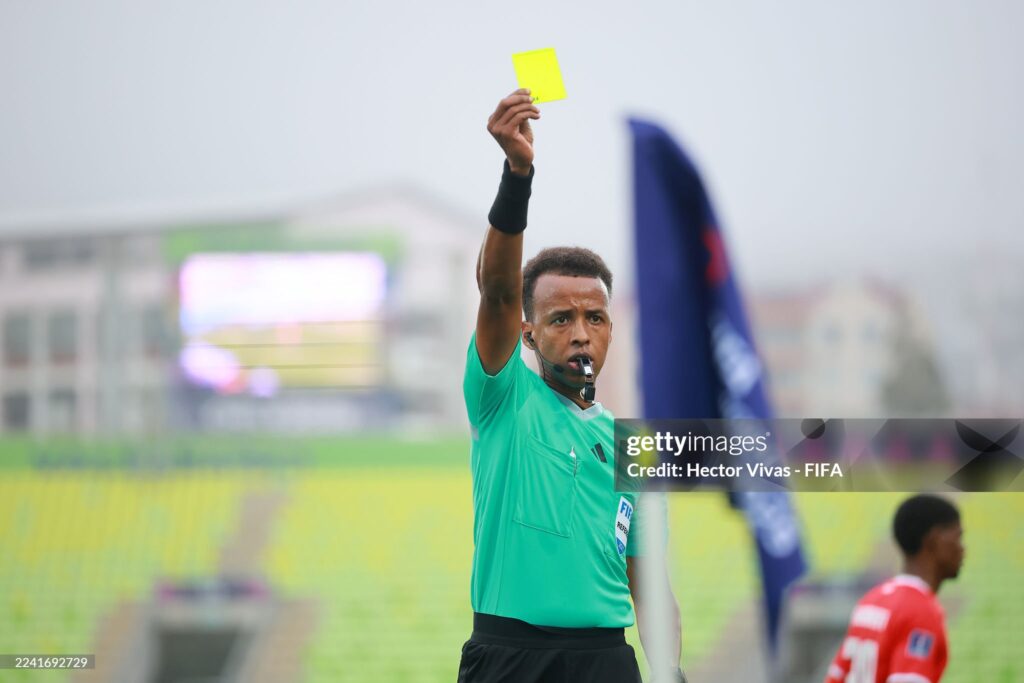
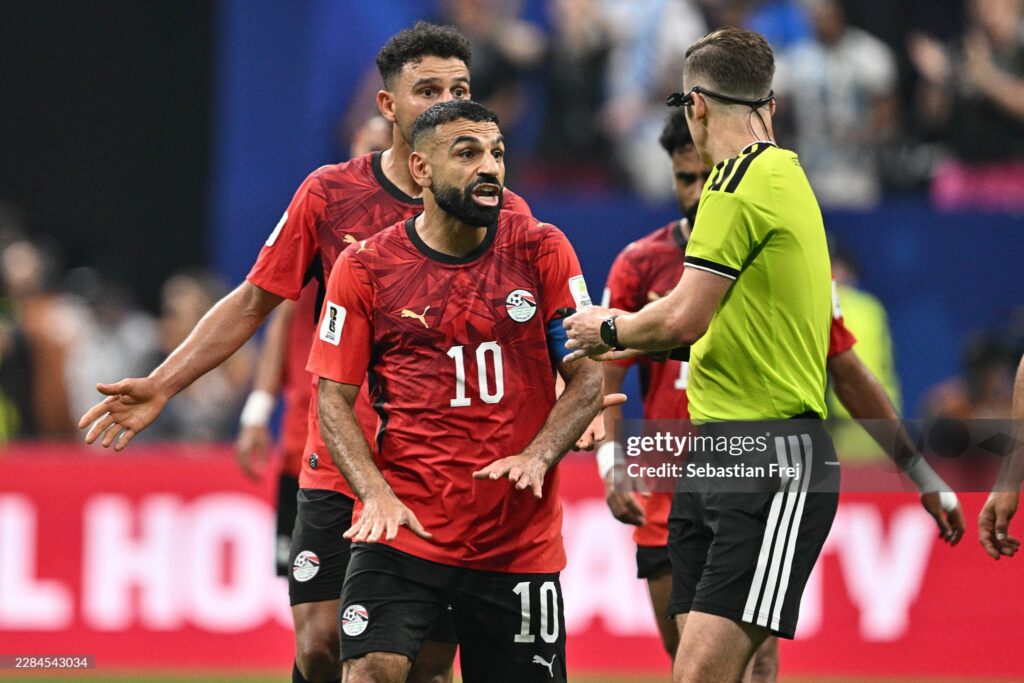
CAF’s lack of a strong fight against questionable decisions that affected African interest like the muted response to Somali referee Omar Artan’s treatment and Egypt’s complaints over officiating in the Pharaohs’ controversy filled loss to Argentina at the World Cup backs the belief that CAF is just FIFA’s tool.
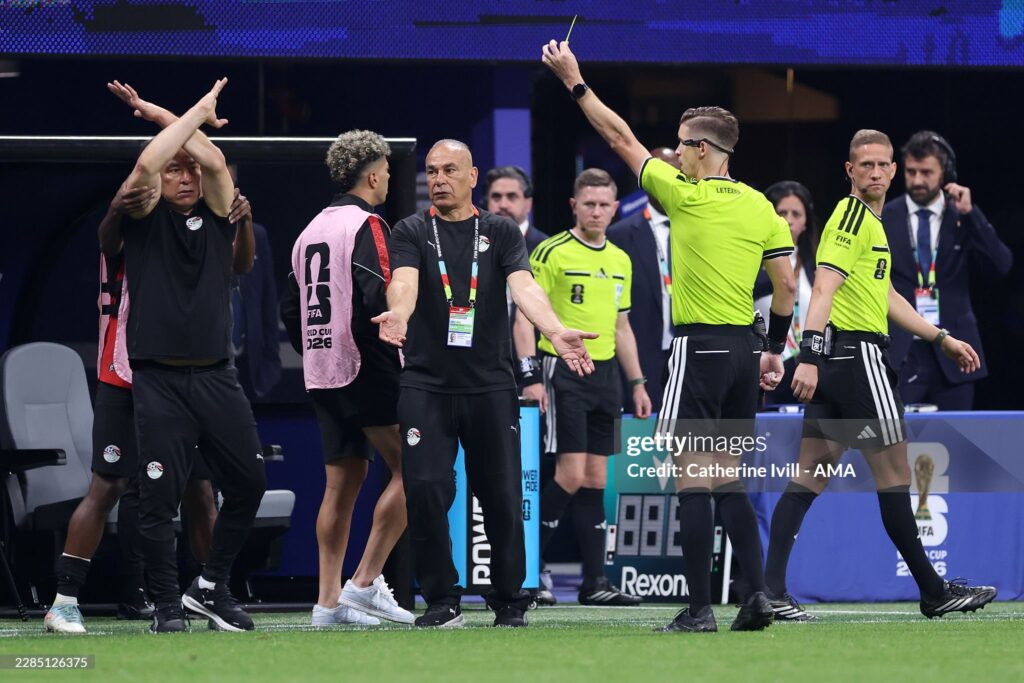
Then there is the bombshell delivered in midweek when Motsepe announced that the AFCON will have an expanded format from 24 nations to 28 just as FIFA is on the verge of expanding the number of competing nations at the World Cup from 48 to 64 just after increasing the competing number of teams from 32 to 48.
According to President of South America’s Football bloc (CONMEBOL) Alejandro Dominguez of Paraguay, the next World Cup will have 64 nations compete in it. Clearly, Dr. Patrice Motsepe isn’t beating the allegations he is nothing but a cloned version of Gianni Infantino any time soon.
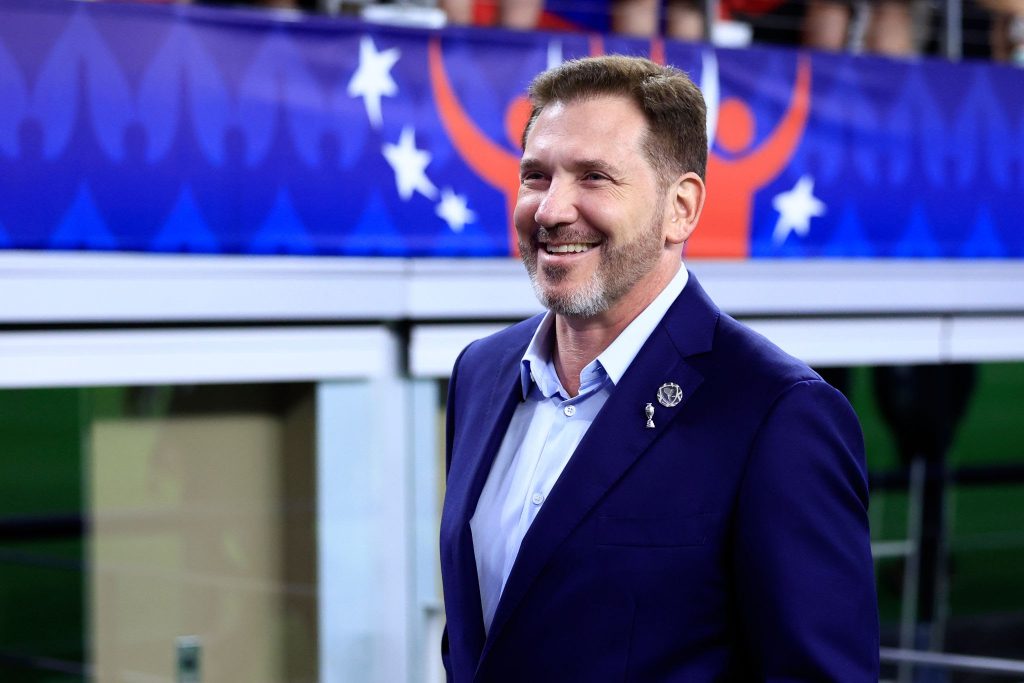
Regardless of the South African football administrator’s allegiances, his ability to get wins for Africa football is the most important item to discuss and financially, Patrice Motsepe has won and will win with his latest tweak to Africa’s biggest football product, the Africa Cup of Nations just as FIFA did after raking in major cash from the expanded World Cup format.
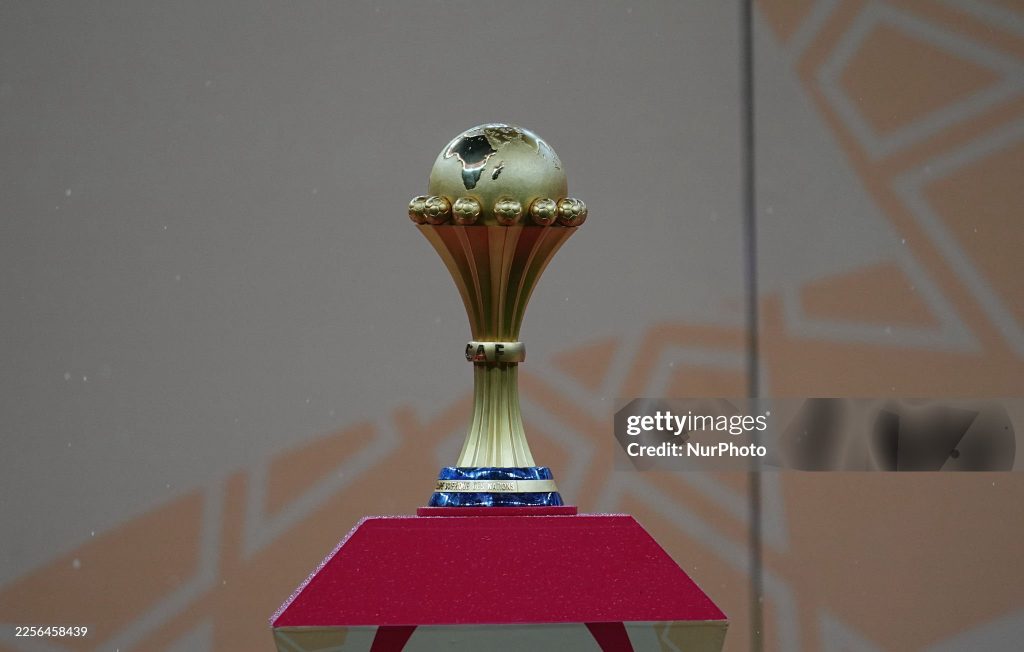
Though the money is sure to keep coming in, mainly due to the increased number of teams, players and platforms in an expanded AFCON, the overall product is bound to take a hit in the long term. What type of hit? Well here are a few big ones that come to mind:
Dilution of Quality Competition

The writer of this piece has always argued that the CAF qualifiers for the World Cup are the toughest in the world because the average African team is better than any from the remaining confederations in the world. Europe doesn’t have much quality to offer beyond Italy, Denmark and Wales when looking at the countries that missed out on qualifying to the 2026 FIFA World Cup.
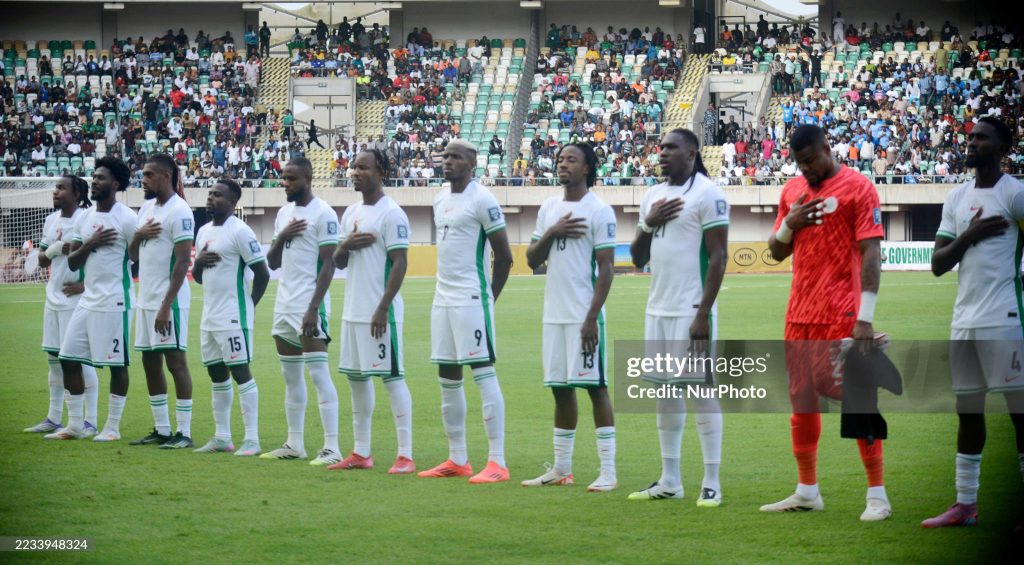
For South America, there is none as absentees such Bolivia and Venezuela don’t offer much quality as Africa in the form of tough sides like Burkina Faso, Nigeria, Mali, Cameroon and Zambia. However, there is only so much the quality depth on the African chart can go and by having a 28 team tournament, that quality will be compromised same way the overall quality of a 64 nation World Cup would.
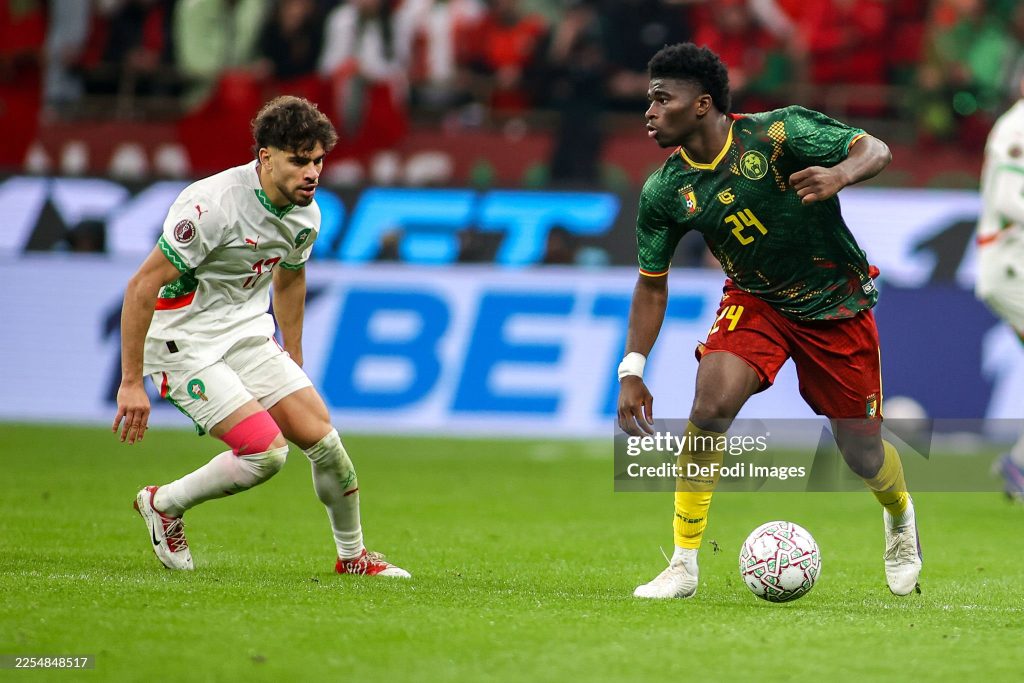
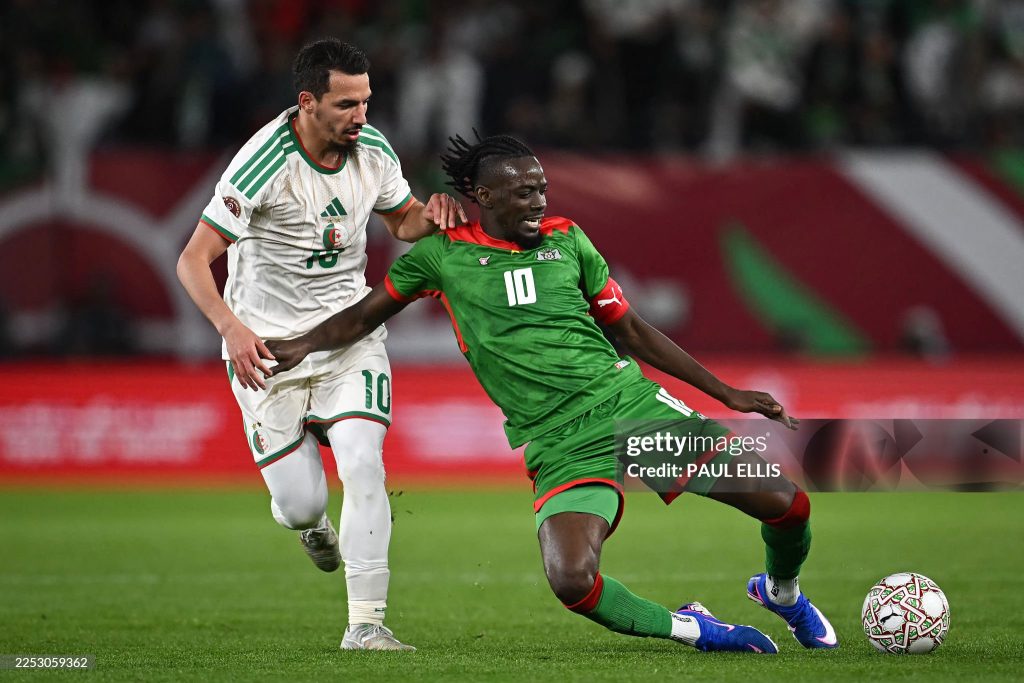
With football being the very unpredictable sport it is, there are bound to be a few surprises that will stir the interest in certain games but boring, drab games will surely be a feature in a 28 team AFCON. Unlike previous editions of the AFCON that had 16 teams competing, blockbuster games that drive interest in the competition are few and far between since the new AFCON will host more than half of the countries on the continent. The diluted quality will make the games a tough sell.
Hosting Fatigue Spike
By having just 16 nations competing in the AFCON, it was very feasible for all countries, big or small to host the continental championship since it required having four top level stadia to meet the basic requirement. However, Africa’s [well most parts of the continent] chronic lack of maintenance meant that these edifices turned into white elephants once the competition was over and this evident in former host nations of the AFCON including Gabon, Equatorial Guinea, Angola and even Cote D’Ivoire- the 2023 AFCON hosts.
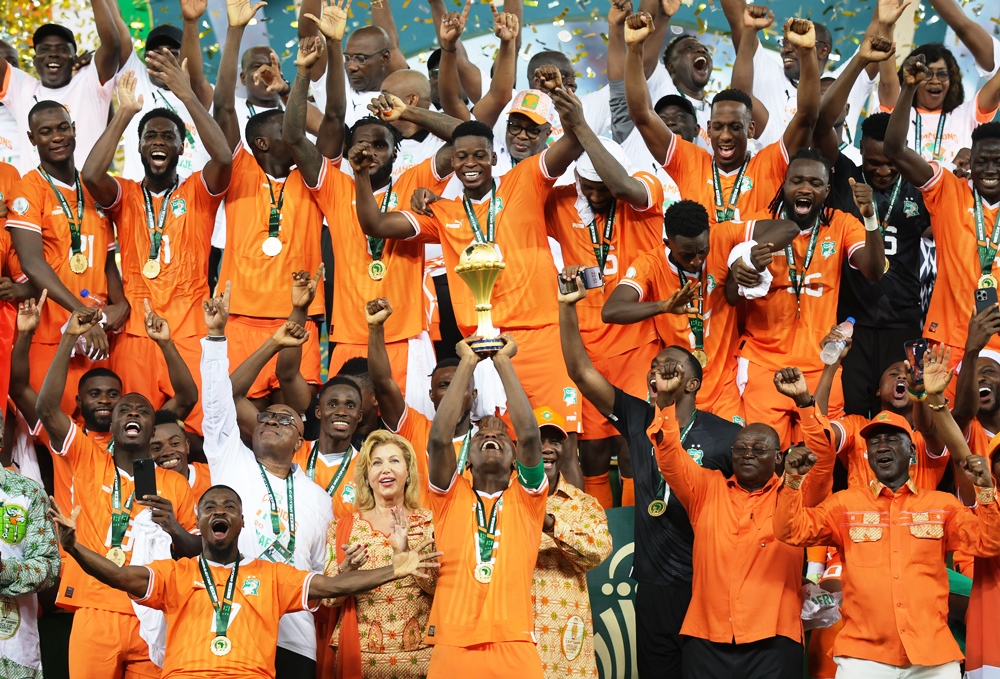
Having a 28 nation competition means that bar South Africa, Egypt, Morocco, Algeria and to an extent Nigeria are the only countries that can host this version of the tournament exclusively. As such, the three nation co-host tournament like the upcoming 2027 AFCON edition, will become the staple leading to a carousel of host nations repeating hosting duties consistently.
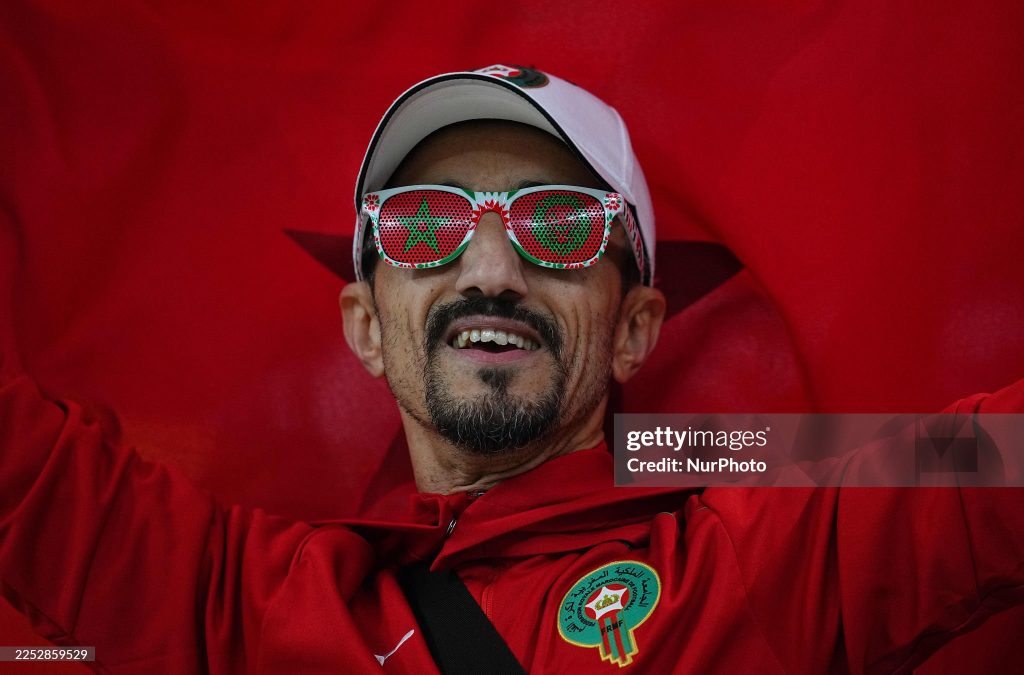
Hosting a competition repeatedly affects the euphoria that usually greets an AFCON and this is a growing phenomenon as Morocco showed while hosting the last AFCON. After hosting multiple competitions over a short period of time, Morocco football fans were just too tired from hosting such events to be really excited to produce the buzz that usually greets the AFCON as aptly noted by South Africa head coach Hugo Broos.

Poor Attendance Will Worsen
Closely tied to the above mentioned point is how games played in a 28 team tournament on the African continent is very likely to look like. There is a chance Africa’s road, rail and flight network improves in the near future and the headaches associated with travelling on the continent become extinct but until that time comes, having multiple nations host the AFCON won’t generate the needed attendance.
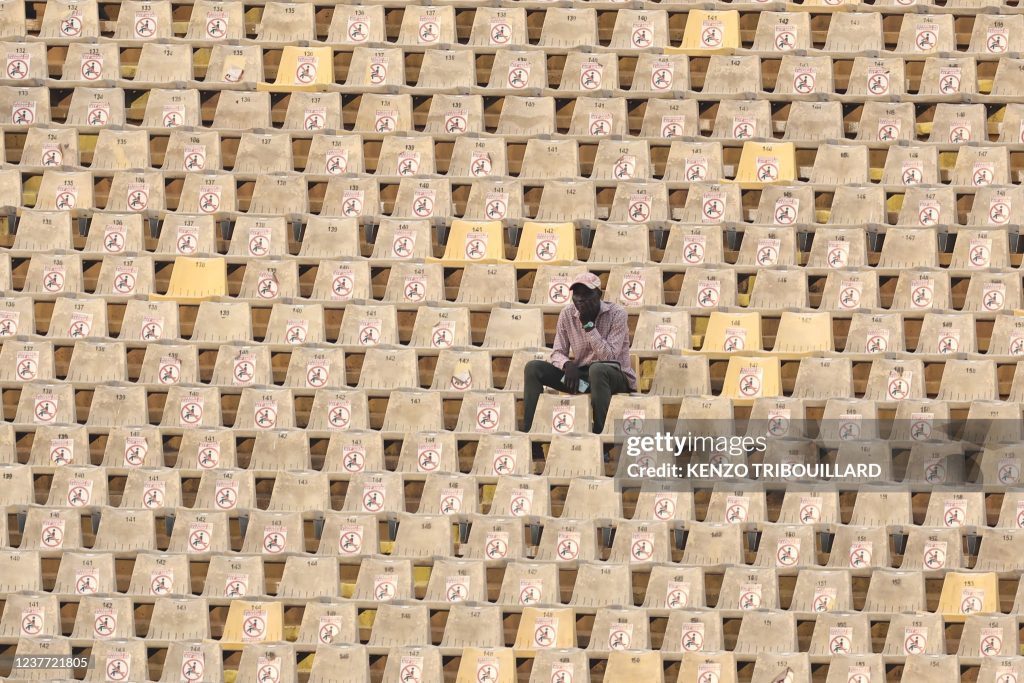
Having games played out in near empty stadiums don’t help improve the sales potential of the product since it is a bad look. To make matters worse, multiple African nations have serious travel restrictions with neighbouring countries meaning the example of Tanzania, Uganda and Kenya joining forces to host the 2027 AFCON will be a rare sight; think Morocco and Algeria or DR Congo and Rwanda.

In such circumstances, CAF would have no choice but fall to the “usual culprits” to bail them out as single host nations and kick in the vicious cycle of hosting fatigue again. Having just 16 slots for a massive continent like Africa was a pain and expanding the roster to 24 competing nations was the right move but topping it up with four more nations is quite a stretch that threatens to jeopardize every positive recorded so far in the new AFCON.