


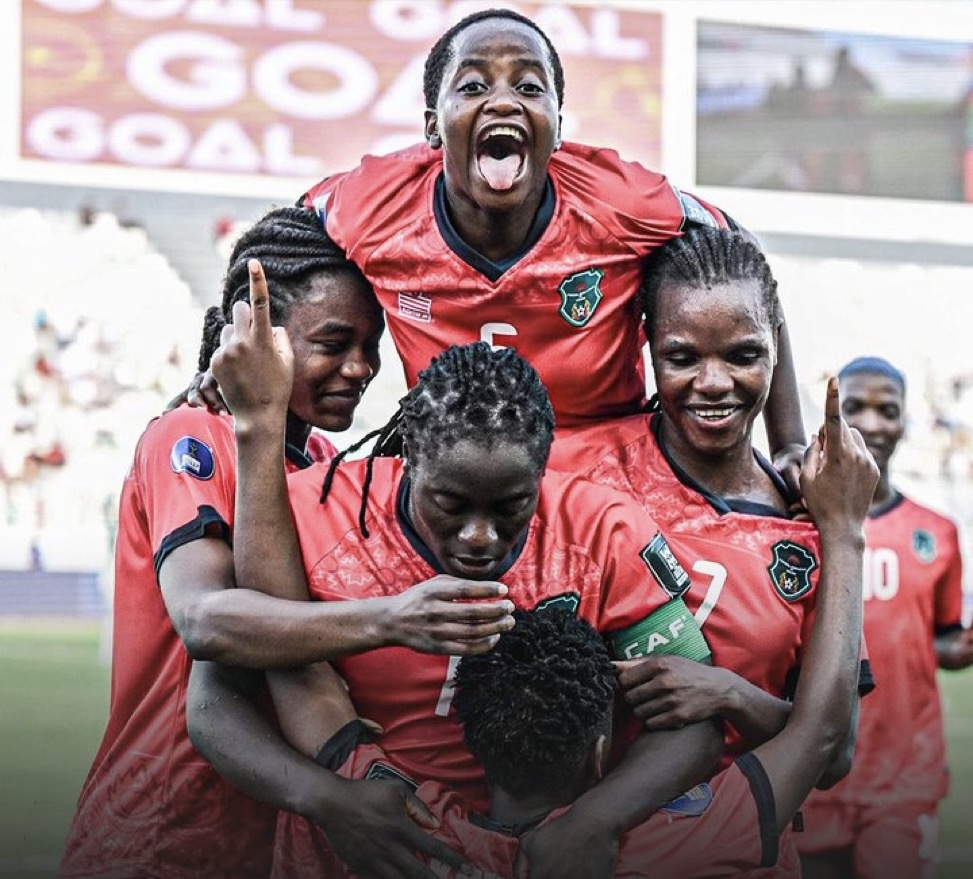
As the saying goes, “God does not call the qualified; He qualifies the called.” Few teams embodied that message better than Malawi at the 2026 Women’s Africa Cup of Nations (WAFCON).
The Scorchers may have fallen short in the final, but their journey from debutants to runners-up will go down as one of the biggest underdog stories in African women’s football.
For a team making its first appearance at the WAFCON, Malawi exceeded expectations at almost every stage of the tournament.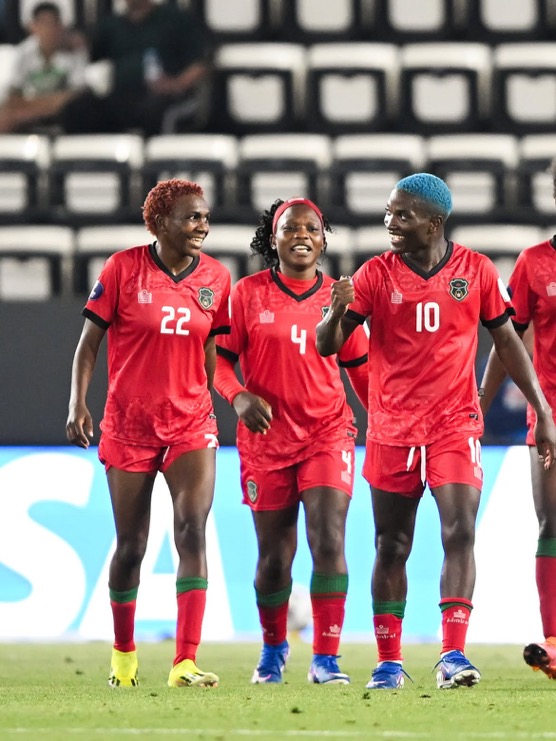
The road to Morocco
Malawi’s qualification campaign began after the Democratic Republic of Congo withdrew from the qualifiers, allowing the Scorchers to progress automatically.
Their decisive test came against Angola. After a goalless first leg, Sweden-based striker Faith Chinzimu scored twice in the return fixture at Bingu National Stadium to secure a 2-0 win and send Malawi to their first ever WAFCON.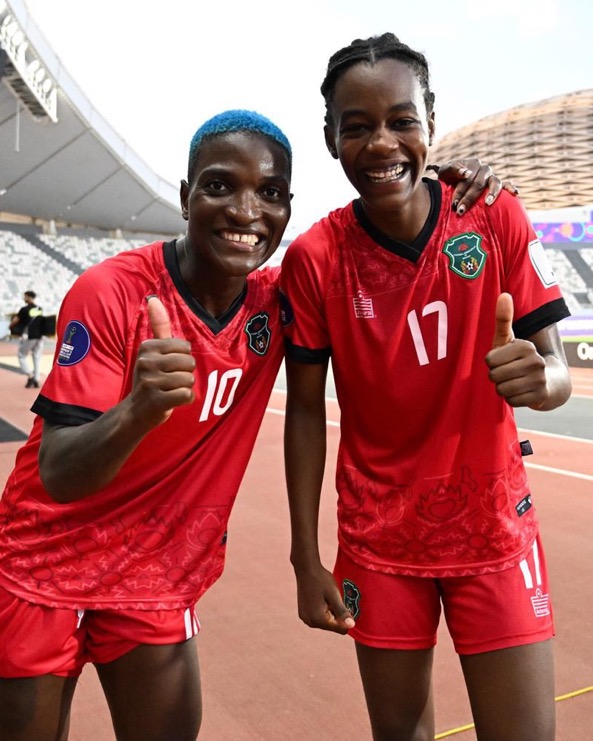
Simply qualifying was already a historic achievement. Few, however, expected what came next.
Tough preparation, valuable lessons
Under head coach Lovemore Fazili, Malawi opted for a demanding preparation schedule, taking on some of Africa’s strongest teams, including Morocco, South Africa, Zambia and Ghana.
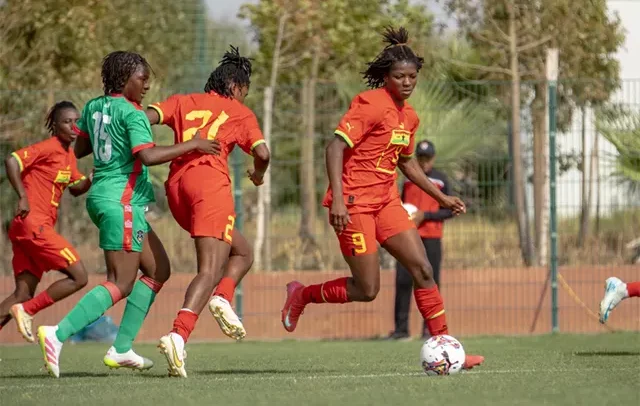
The results were mixed. They suffered several defeats, including a 5-0 loss to Ghana and a 2-1 defeat to Morocco.
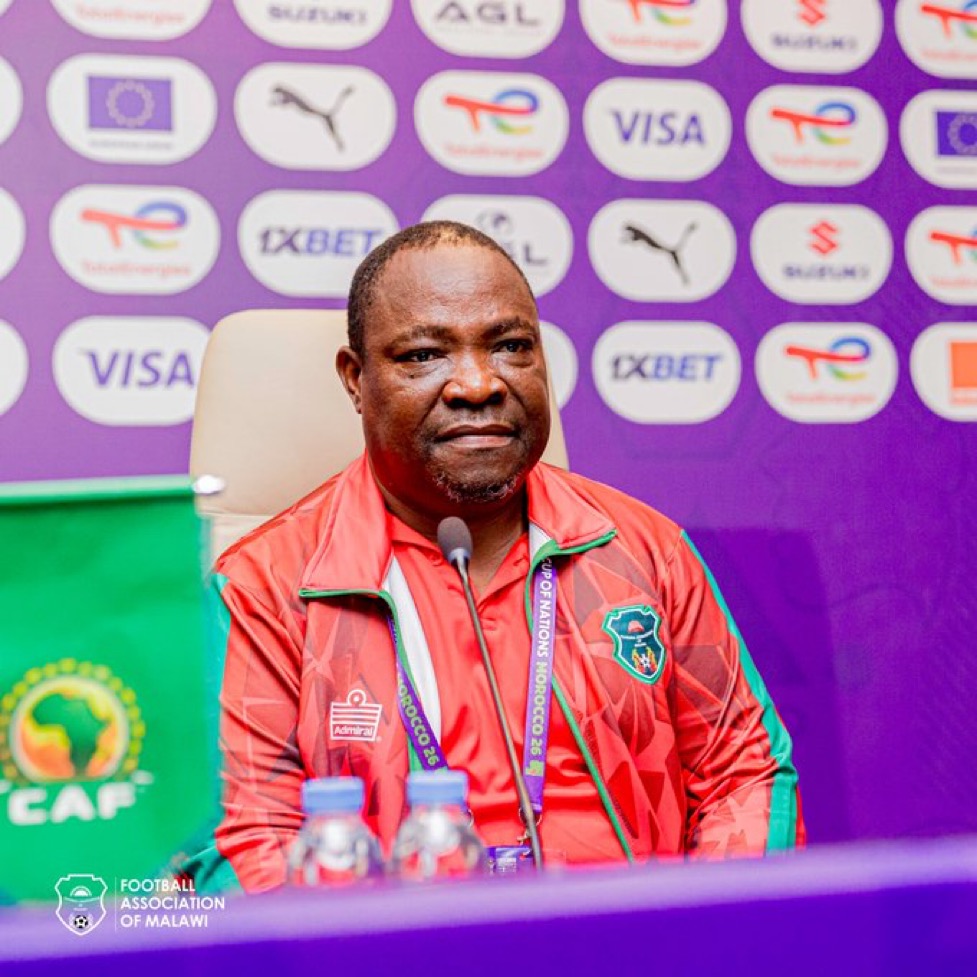
Those setbacks, however, provided valuable lessons. Facing stronger opposition exposed weaknesses in the team and forced Fazili and his technical team to improve their defensive organisation, game management and resilience.
Those qualities would become central to Malawi’s success in Morocco.
From debutants to finalists
Malawi announced themselves immediately, stunning 10-time African champions Nigeria 3-2 in their opening game.
The Scorchers continued to play with courage and attacking intent, scoring 12 goals, the highest tally at the tournament.
They also showed remarkable resilience, navigating two matches after being reduced to 10 players.
Their biggest statement came in the quarter-finals when they beat Ghana’s Black Queens 2-1, securing a place in the semi-finals and, in the process, a historic qualification for the 2027 FIFA Women’s World Cup in Brazil.
They then defeated Algeria 3-1 in the semi-finals to reach the final against Cameroon.
Although they ultimately lost the title decider, Malawi had already rewritten their history.
Fazili summed up the achievement after the final.
“First, congratulations to Cameroon. They took their chances, played with great maturity, and deserve this trophy. But I am incredibly proud of my players. We came here as complete debutants and rank outsiders, and we reached the final. Nobody expected us to be standing here on the final day.”
The Chawinga sisters
At the centre of Malawi’s remarkable campaign were sisters Temwa and Tabitha Chawinga.
The pair consistently troubled opposing defences with their pace, movement and finishing, contributing nine of Malawi’s 12 goals.
Tabitha was particularly influential, including scoring twice in the semi-final victory over Algeria.
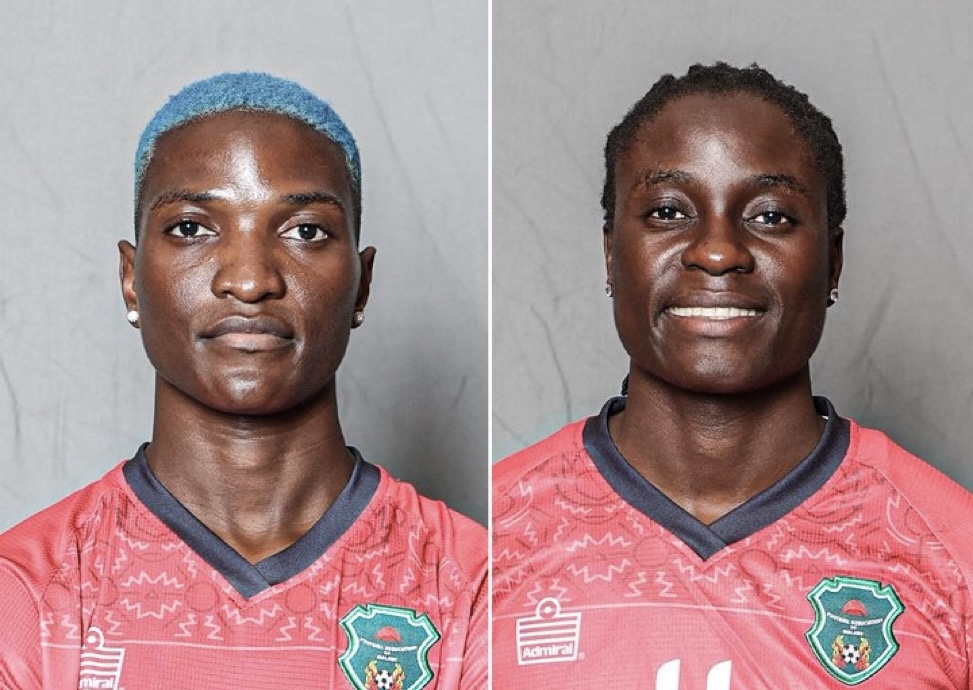
They were supported by a determined squad, with full-back Bernadetta Mkandawire providing energy and stability and goalkeeper Mercy Sikel producing several important performances.
Malawi’s 23-player squad also reflected the growth of the country’s domestic game, with 16 players based locally and seven playing abroad.
The bigger prize, Brazil 2027
For all the excitement surrounding their run to the final, Malawi’s biggest achievement may be what comes next.
By reaching the semi-finals, the Scorchers secured qualification for the 2027 FIFA Women’s World Cup in Brazil.
It is the first time a senior Malawian national football team, men’s or women’s, has qualified for a FIFA World Cup.
That achievement alone has transformed the Scorchers from underdogs into national heroes and placed Malawi on the global football map.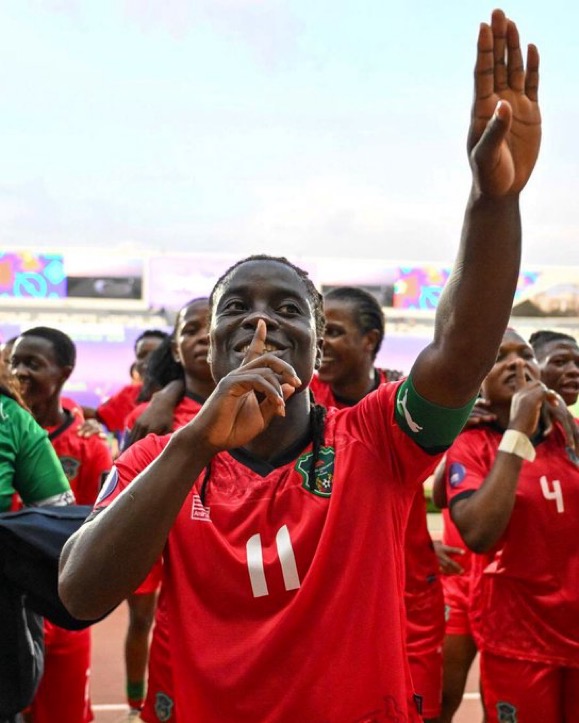
Fazili is already looking ahead.
“We are going home with silver medals, but we are also going home with a ticket to Brazil. We have made history by qualifying for the World Cup. We will learn from this final, we will fix our mistakes, and we will prepare even harder to represent Africa proudly on the global stage next year.”
More than runners-up
Cameroon may have lifted the trophy, but Malawi leave Morocco with something that cannot be measured by a medal.
They arrived as debutants with little WAFCON experience and few expectations. They leave as finalists and World Cup qualifiers.
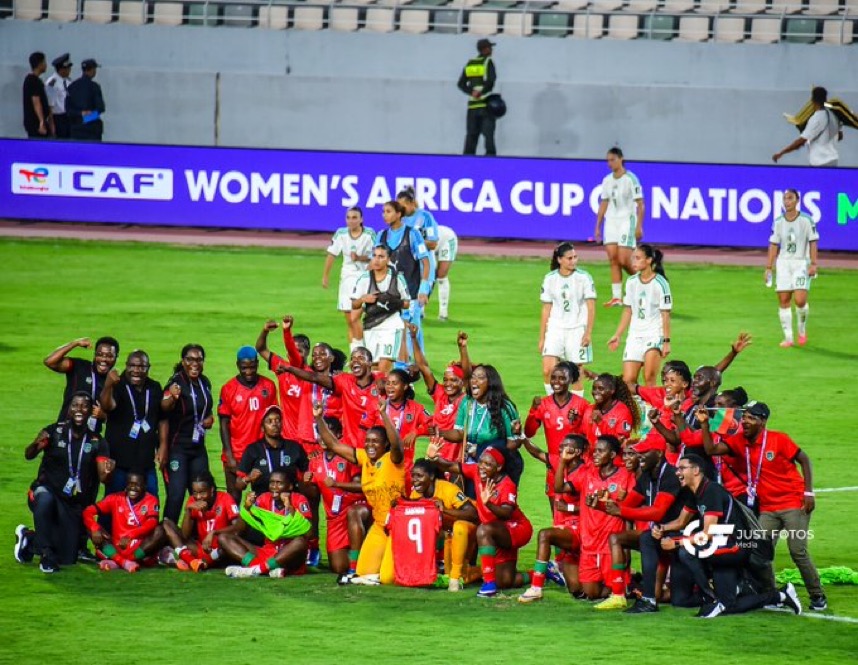
They inspired a nation, earned the respect of a continent and changed the history of Malawian football.
The Scorchers may have lost the final, but they leave with their heads held high.