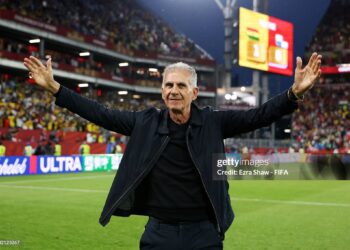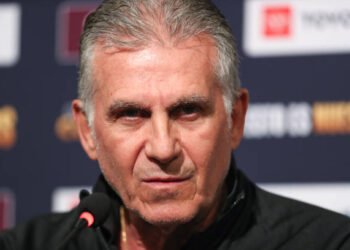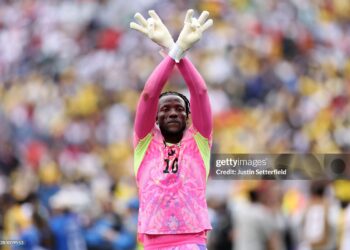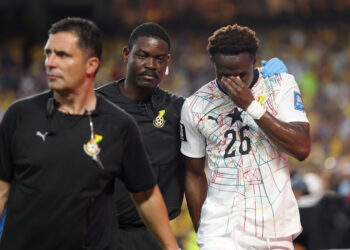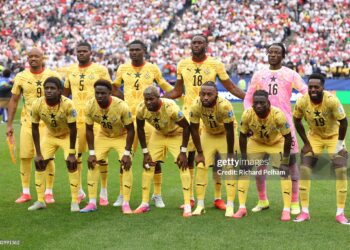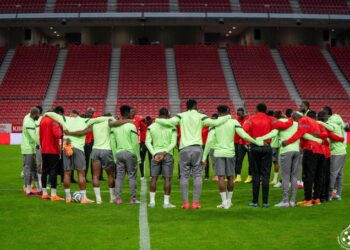


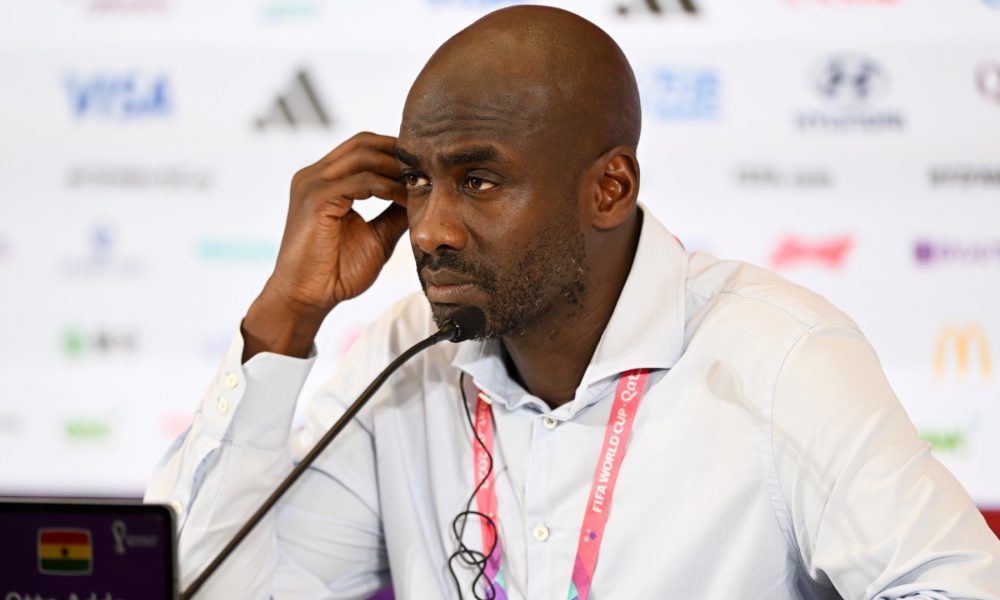
The Ghana Football Association has finally pulled the trigger, sacking Otto Addo just 72 days before the 2026 World Cup, a decision driven less by emotion and more by a pattern that had become impossible to defend.
On paper, Otto Addo’s second stint did not collapse overnight, it eroded steadily. In 22 matches, he managed just eight wins, five draws, and nine defeats, a win rate hovering around 36 per cent. That only tells part of the story. The deeper issue is how those losses came, chaotic, reactive, and often tactically exposed.
The final straw was likely the 2-1 defeat to Germany in Stuttgart, but the warning signs had been flashing for months:
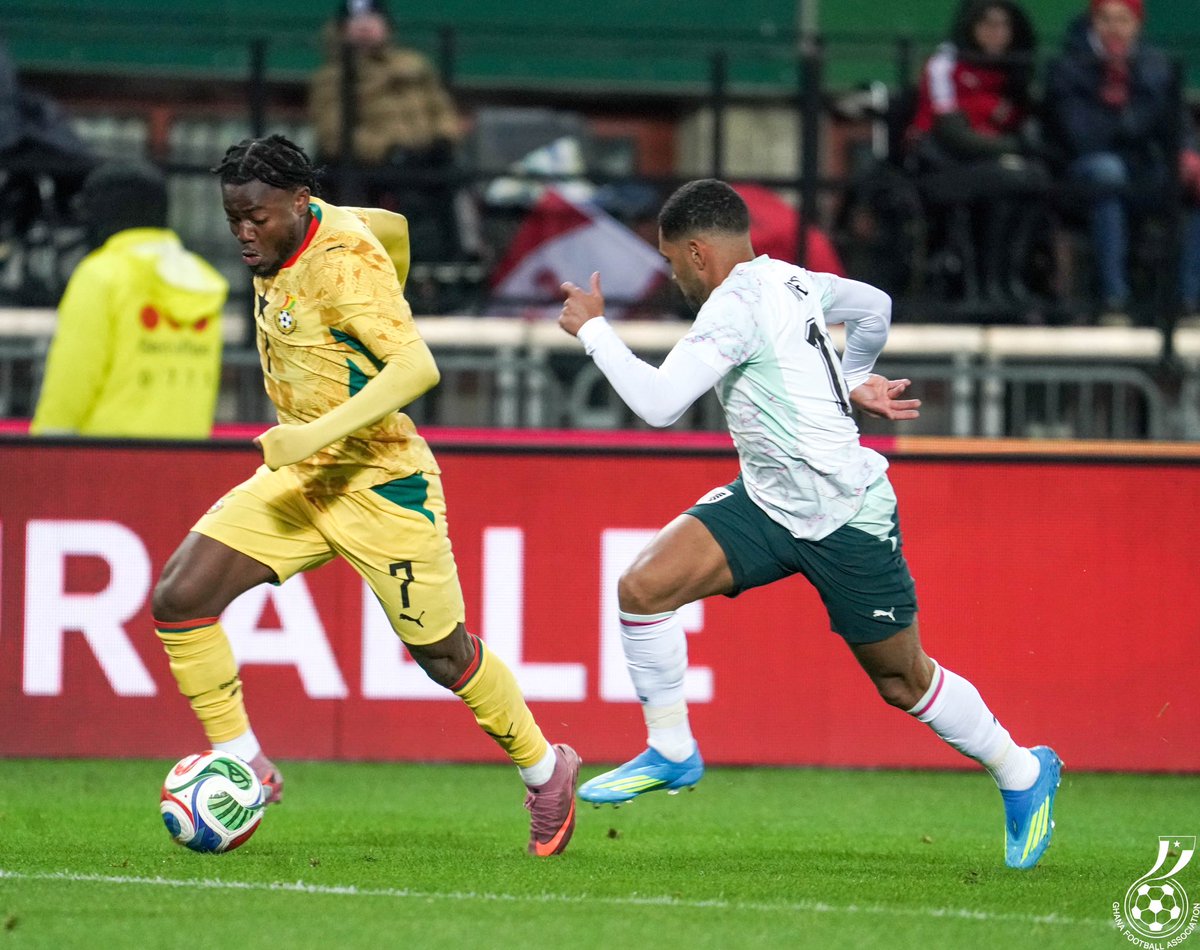
- Austria 5-1 Ghana
- Germany 2-1 Ghana
- Japan 2-0 Ghana
- South Korea 1-0 Ghana
Otto Addo Numbers
Across that run, Ghana conceded heavily while struggling to score, underlining a team out of balance at both ends of the pitch. This was not just about losing, it was about how they lost, disjointed pressing, exposed defensive lines, and little attacking cohesion.
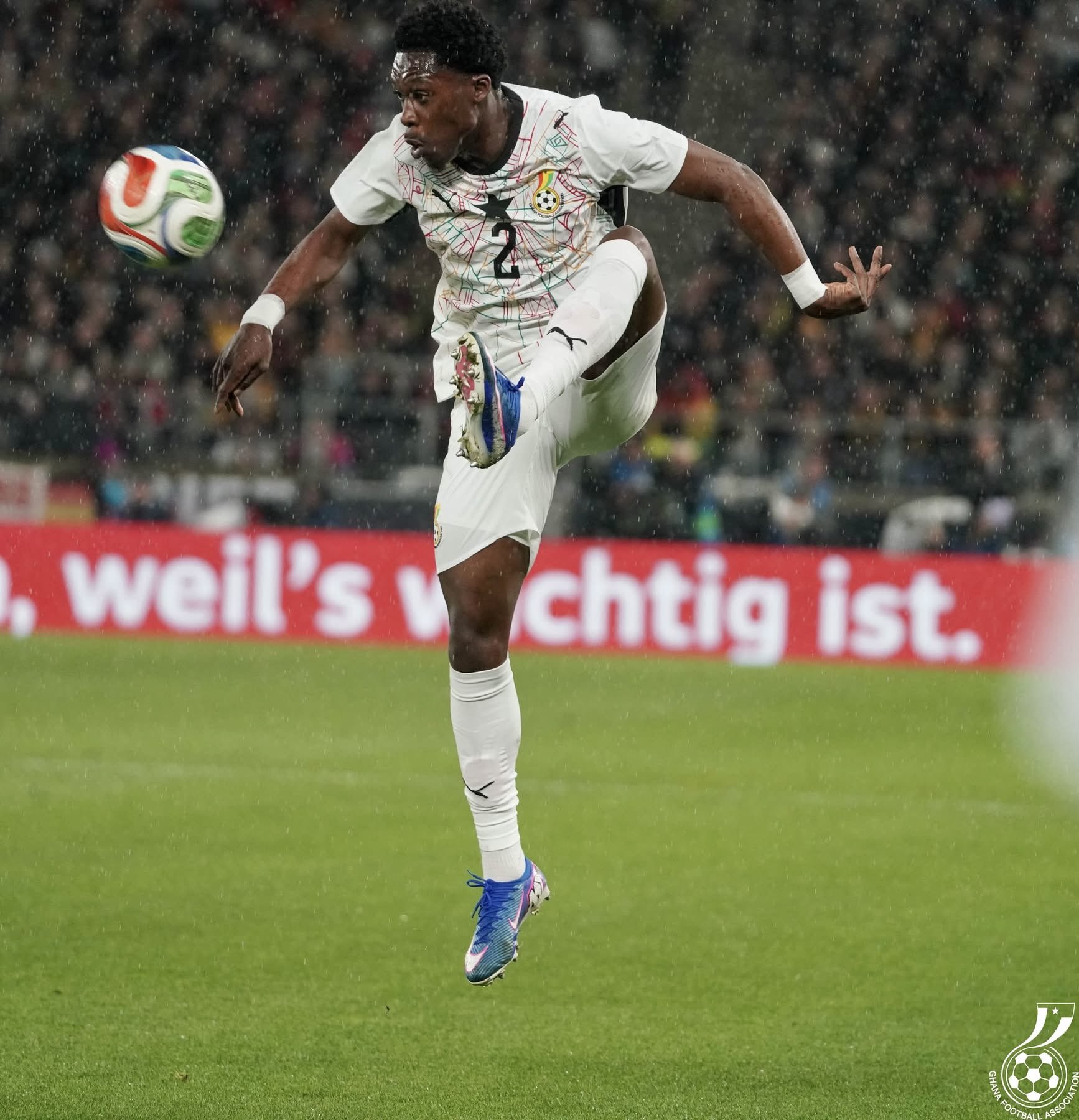
Otto Addo’s biggest challenge was perception. Even when results briefly improved, doubts about his tactical identity lingered. Critics pointed to inconsistent formations, midfield imbalance that left transitions exposed, and an overreliance on individual brilliance rather than structure.
Otto Addo issue
Despite having top-level talent like Mohammed Kudus and Antoine Semenyo, Ghana often looked less than the sum of its parts. Against organised European opposition, the Black Stars were frequently outshot, outpossessed, and tactically second-best.
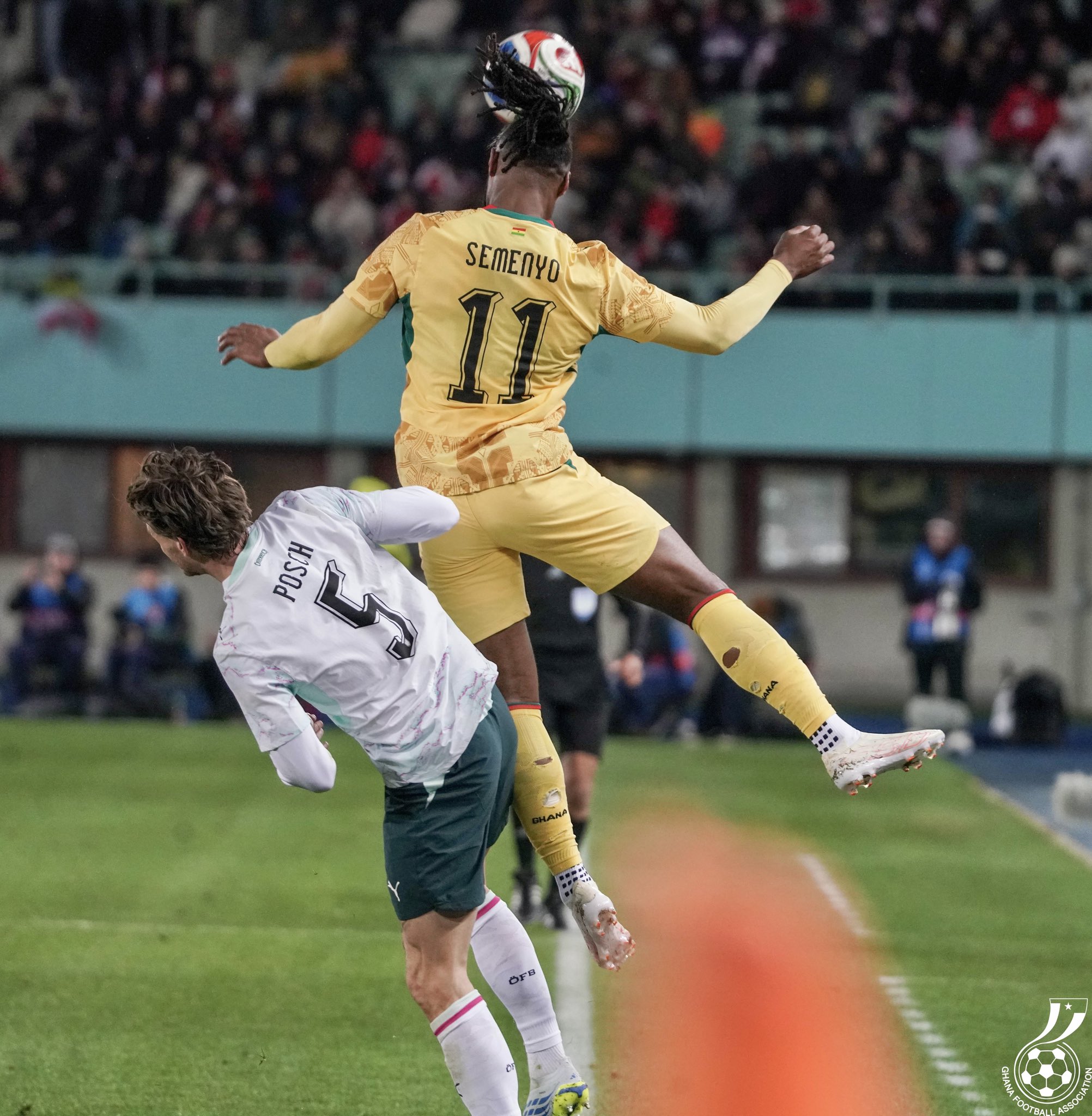
If results weakened him, failure to qualify for the Africa Cup of Nations finished the job. Ghana missed out for the first time since 2004.
What complicates the decision is that Otto Addo also led Ghana to the World Cup. That success, however, raised expectations he ultimately could not sustain.

The decision reflects three realities; results were declining, tactical concerns remained unresolved, and confidence, both public and internal, had eroded.
Otto Addo’s dismissal is not just about a poor run, it is about a ceiling the federation no longer believed he could break. He leaves behind a mixed legacy, a coach who secured World Cup qualification, but also one who oversaw a failed AFCON campaign and a side that regressed when it mattered most.