


The 2025/2026 Premier League season is shaping up as one of the most turbulent in recent history, with a surge in managerial sackings underlining the growing pressure on clubs to deliver immediate results.
By April 2026, at least 10 managers had been dismissed across the league, placing the current campaign among the highest for managerial turnover in the modern era. The figure is approaching the record of 14 sackings recorded in the 2022/23 season and already rivals last season’s total.
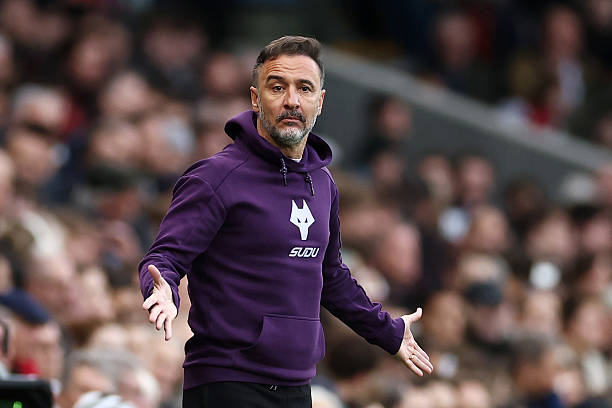
Clubs that were battling relegation have been the quickest to act. At Wolverhampton Wanderers, Vítor Pereira was dismissed after a disastrous start that yielded just two points from 10 matches, leaving the club rooted to the bottom of the table. Similarly, Sean Dyche was relieved of his duties at Nottingham Forest with the team hovering just above the relegation zone.
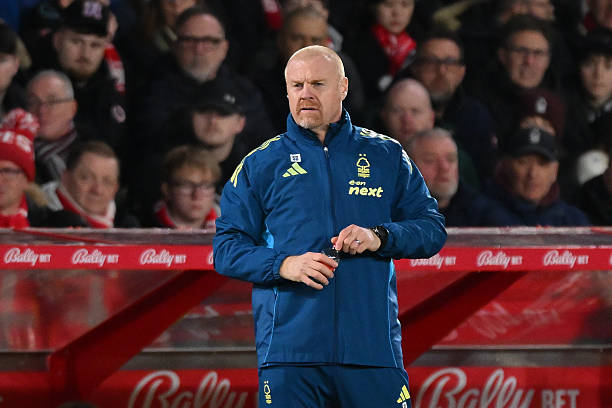
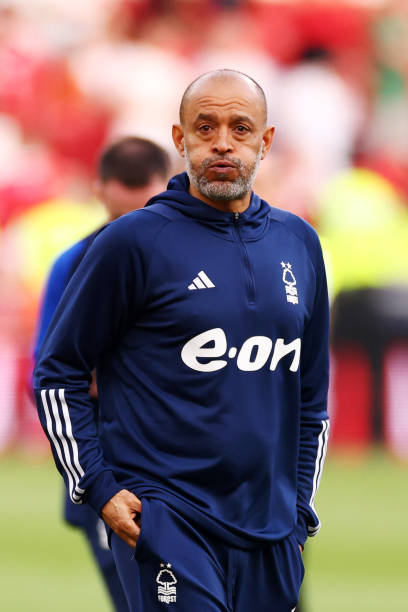
Forest’s season has been particularly unstable, with three different managers taking charge over the course of the campaign. Nuno Espírito Santo was sacked after just three matches, reportedly following a breakdown in relations with the club’s hierarchy. His successor, Ange Postecoglou, lasted little longer, departing after an eight-game winless run.
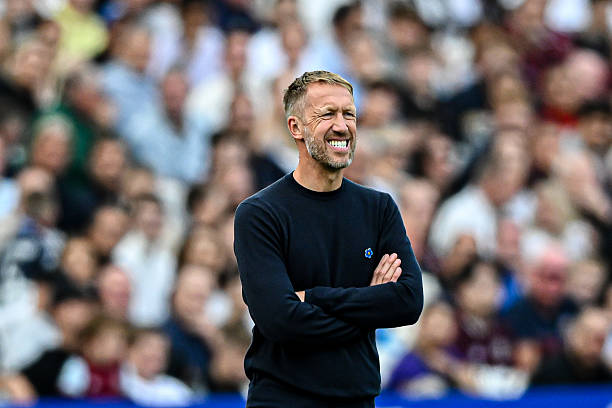
Elsewhere, poor form and inconsistent performances have also driven decisions. Graham Potter was dismissed at West Ham United following a run of disappointing results that left the club short of its targets for the season.
At the top end of the table, expectations have proven just as unforgiving. Enzo Maresca and Liam Rosenior were both dismissed by Chelsea within the same season, despite the club remaining in contention for European qualification. The decisions reflect the increasingly high benchmarks set by elite clubs.

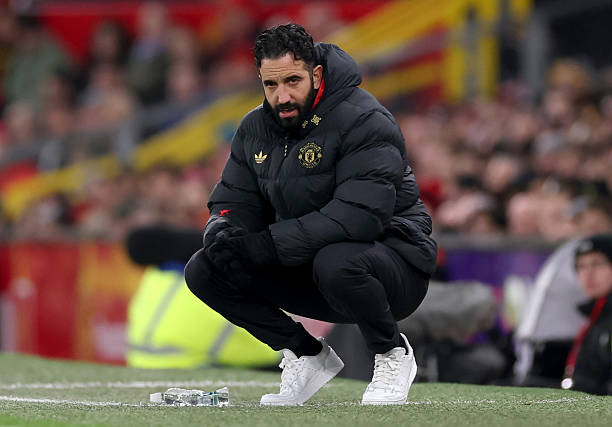
A similar pattern emerged at Manchester United, where Ruben Amorim was removed midway through the campaign amid inconsistent results.
At Tottenham Hotspur, Thomas Frank was dismissed with the club languishing in the lower half of the table. His successor, Igor Tudor, was sacked by Tottenham Hotspur in March 2026, after a disastrous 44-day tenure.

The trend points to a broader shift in the league. While the 2024/25 season saw a wave of early dismissals, the current campaign has been defined by sustained managerial changes across the calendar, particularly during the mid-season period.
Analysts say the rising number of sackings reflects the financial stakes attached to league position. Relegation from the Premier League carries significant economic consequences, while qualification for European competitions offers major revenue incentives. As a result, clubs are increasingly willing to make swift changes in pursuit of improved performances.