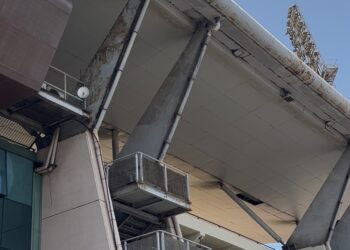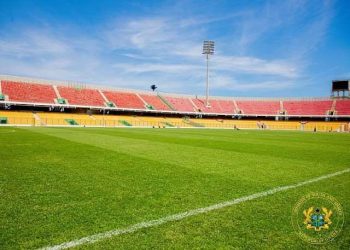


National Sports Authority Director General, Yaw Ampofo Ankrah, has expressed his frustration over the lack of investment in football pitches across Ghana following the circulation of viral images showing the current state of the Baba Yara Sports Stadium playing surface.
Ampofo Ankrah questioned how Ghana has utilised the financial rewards earned from its participation at the FIFA World Cup since 2006, arguing that the country has made little investment in developing and maintaining quality playing surfaces despite the recurring concerns over the condition of its pitches.
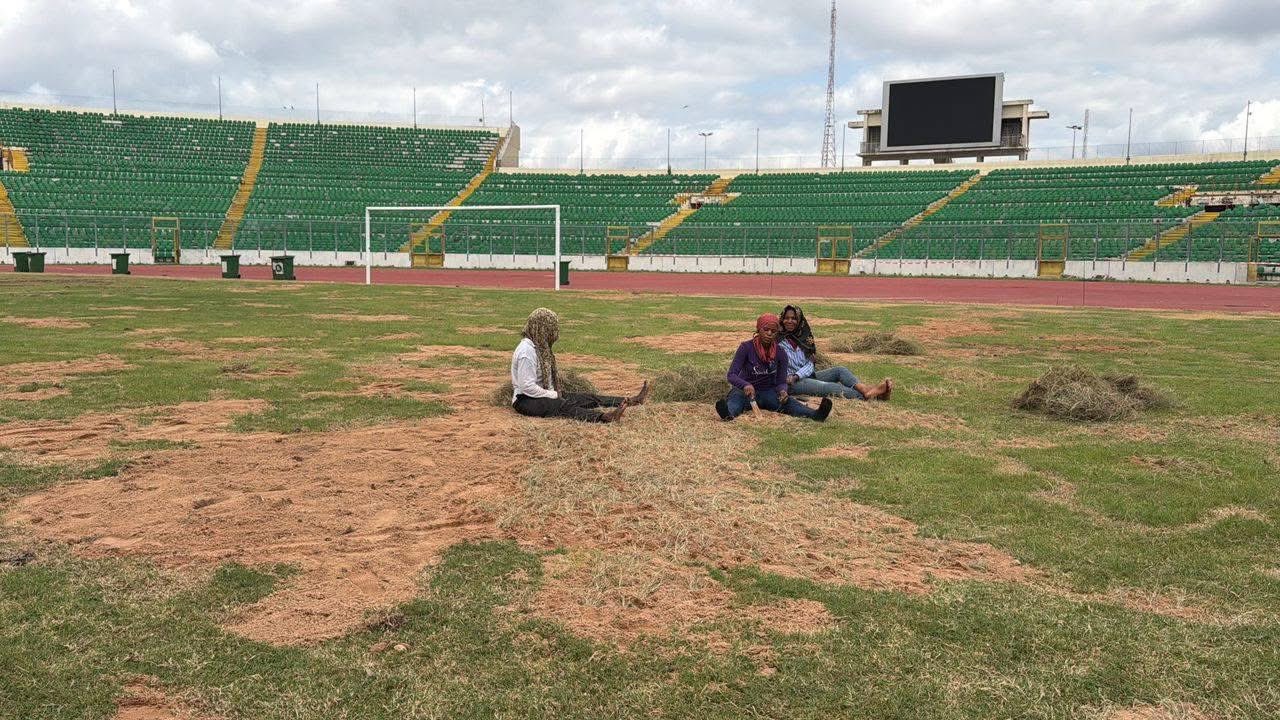
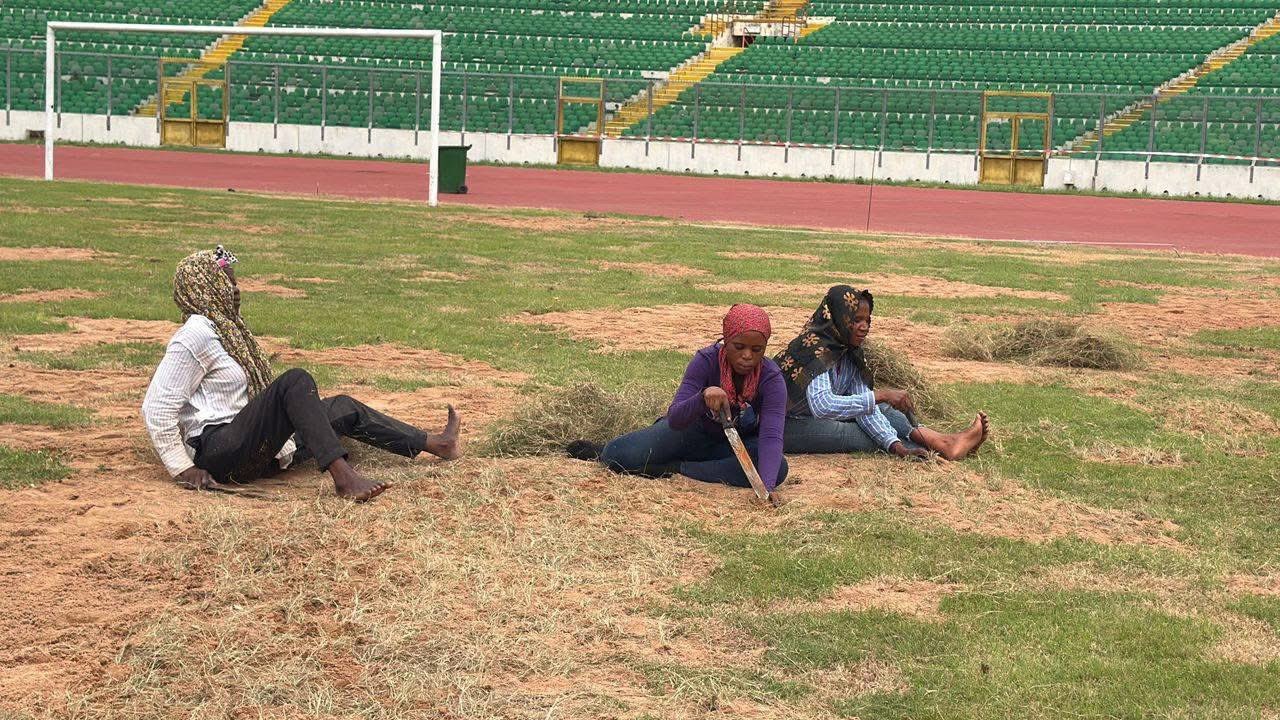
His comments come in response to criticism from some sections of the public after groundsmen were seen working on the Baba Yara Sports Stadium pitch using methods that have also drawn widespread scrutiny.
The method, the mode that was captured, that has gone viral, that everybody’s talking about, and even some are coming up with incredible theories and all manner of things.
Thankfully, so far, not one single expert, that is whether horticulturalists or agriculturalists or anybody, pitch expert, has come out to say actually what they were doing on that pitch was wrong. What they’re saying is that we need to get better modern tools, and I totally agree.
But the reality is what we’ve seen, albeit somebody mischievously captured and put it on social media, obviously intending to cause harm and anger or rage or whatever you want to call it.
Maybe that has worked to an extent, but what it has also done is to open up that debate again as to what on earth are we investing monies we get from the World Cup on from 2006 to 2026.
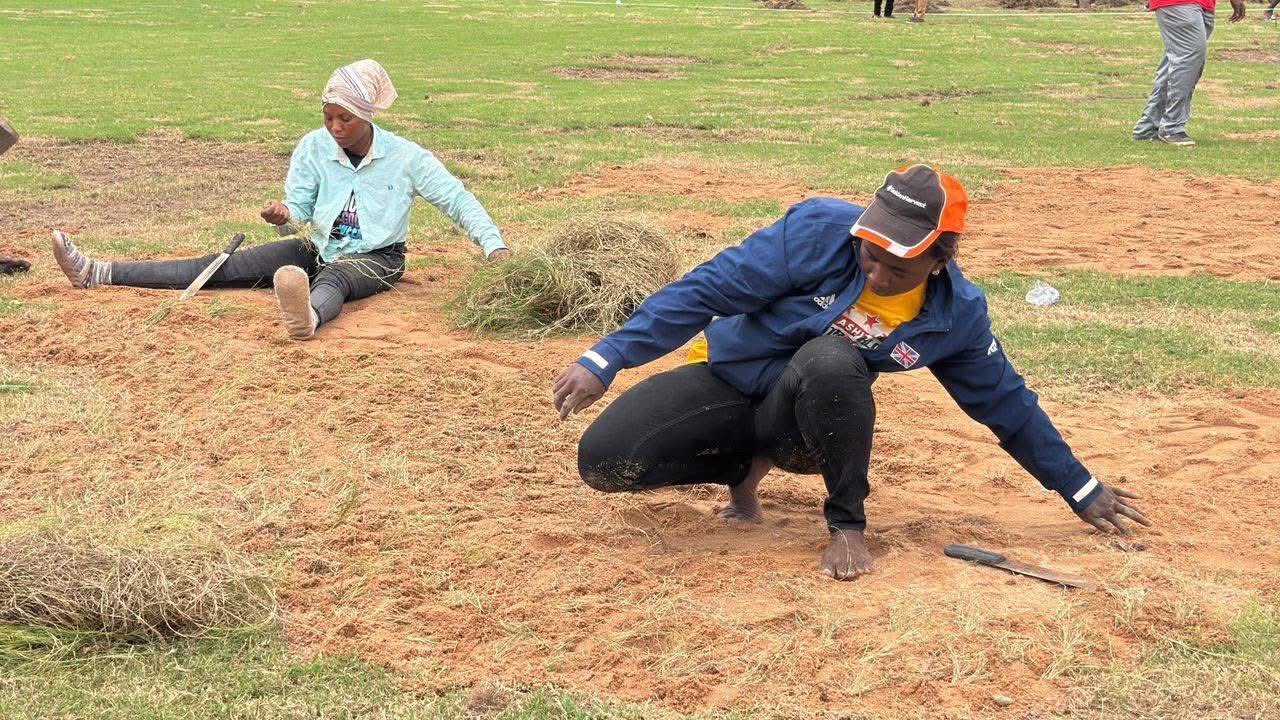
According to the National Sports Authority (NSA), the Baba Yara Sports Stadium pitch has gradually become infested with invasive weeds and undesirable grass species since it was regrassed six years ago.
The Authority noted that although periodic weed control has been carried out over the years, the current off-season provides the ideal window to undertake a comprehensive renovation programme aimed at restoring a healthy, uniform natural grass surface.

The NSA explained that the maintenance programme includes selective weed control using approved herbicides, mowing the pitch to the recommended height, manually removing weeds, applying carefully selected alluvial sand to improve drainage and level the surface, and re-establishing grass in renovated areas through new seeding.
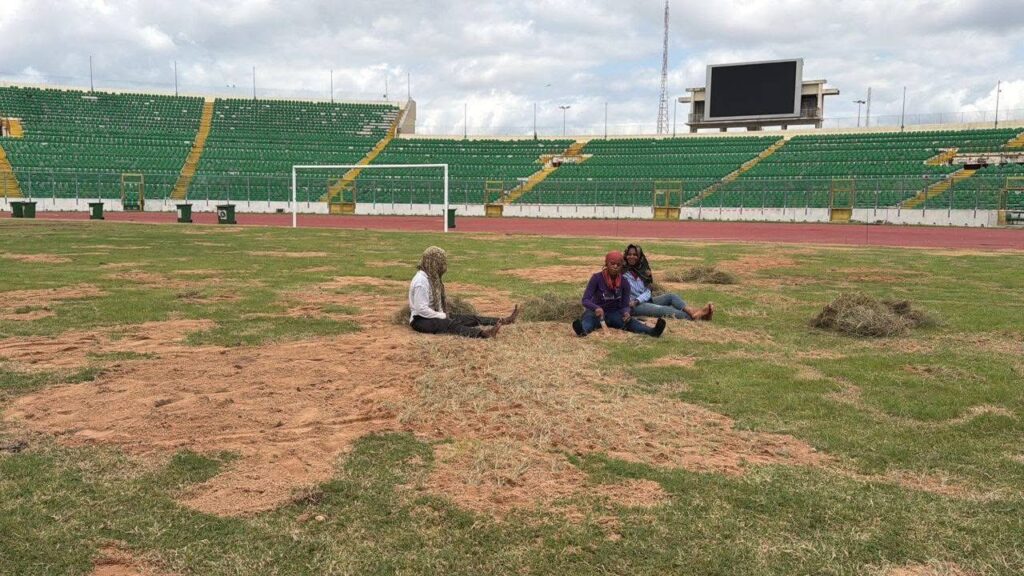
The Authority stressed that the ongoing works are part of a planned preventive maintenance programme and are in line with internationally recognised best practices for natural grass pitch management.