


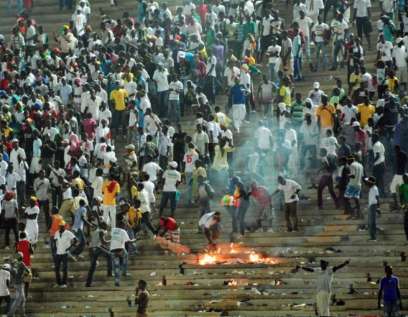
On May 9, 2001, 126 lives were lost at the Accra Sports Stadium in the worst disaster in Ghana’s sporting history. A Premier League match between Accra Hearts of Oak and Asante Kotoko; meant to be a celebration of rivalry and passion; ended in stampede, suffocation, and sorrow.
What triggered the tragedy is well known: anger over officiating, fans hurling objects onto the pitch, a police response involving tear gas, and locked or insufficient exits. The result was chaos. As the crowd surged to escape, the stadium became a trap. Dozens were crushed. Others suffocated. In minutes, celebration turned into mourning.
But 24 years on, the deeper question remains: has Ghana truly learned from May 9?
TODAY IN HISTORY: Africa’s Deadliest Stadium Disaster – May 9, 2001
On May 9, 2001, a stadium stampede in Accra claimed 126 lives after police tear gas triggered panic during a Hearts-Kotoko match. pic.twitter.com/R4pkwsXEoW
— Ghana Crimes Ltd. (@GhanaCrimes) May 9, 2025
In the days that followed, Ghana was united in grief. Football paused. The President declared three days of national mourning. A commission of inquiry was formed. Blame was assigned to police errors and poor stadium management.
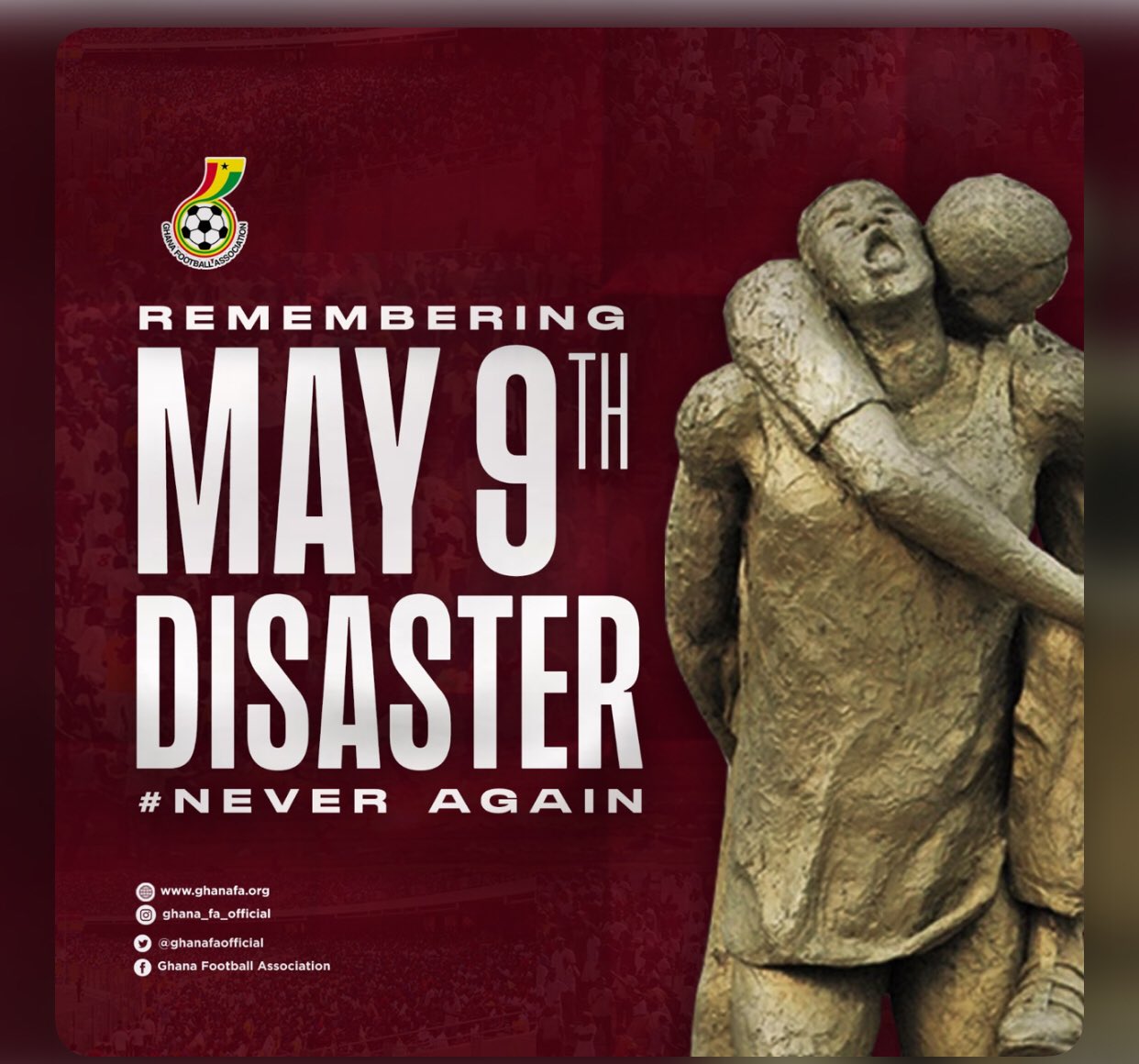
Years later, the Accra Sports Stadium underwent reconstruction. Safety guidelines were updated. New exit routes were planned, and steward training became a talking point.
On paper, the country acted. But memory without enforcement fades. Reform without vigilance weakens.
A Fragile Legacy
Today, May 9 is remembered with solemn ceremonies, memorial walks, and prayers for the departed. Figures like Herbert Mensah, former Kotoko chairman, have led the charge in keeping the memory alive—raising funds for affected families and calling for stadium safety each year.

But even as we honor the dead, worrying signs persist. Fan violence has not disappeared. Just some months ago, a Division One League fixture between Hohoe United and Attram De Visser was marred by violence as chaos erupted at the Tuba Astro Turf following the final whistle.
Chaos at the Tuba AstroTurf as Hohoe United and Attram De Visser suppoters get involved in a heated brawl#CitiSports pic.twitter.com/S9PagFoTnO
— Citi Sports (@CitiSportsGHA) April 11, 2025
Stadium exits are still sometimes blocked. Match-day security often relies on reactive force, not proactive planning.
These are not just isolated incidents; they are warnings. Warnings that what happened on May 9 was not an anomaly, but the consequence of a system that can break under pressure.
Remembrance or Repetition?
If we have truly learned from May 9, then every football match in Ghana should begin with a silent commitment: that no supporter, no child, no player will die watching the game they love.

That means accountability, not just anniversaries. It means asking hard questions; not only when disaster strikes, but before it does. It means police trained to de-escalate, not inflame. It means exits that work. It means clubs and the Ghana Football Association taking responsibility every match day ; not for profits, but for people.
The Real Tribute
The most powerful tribute we can pay to those 126 lives lost is not in flowers, flags, or plaques but in prevention. In systems that protect life before it is lost.
So again, we ask: Has Ghana learned from May 9?
The honest answer: not enough.
But the future remains unwritten and in that future, we must write a new legacy: one where “Never Again” is not just a chant, but a certainty.