


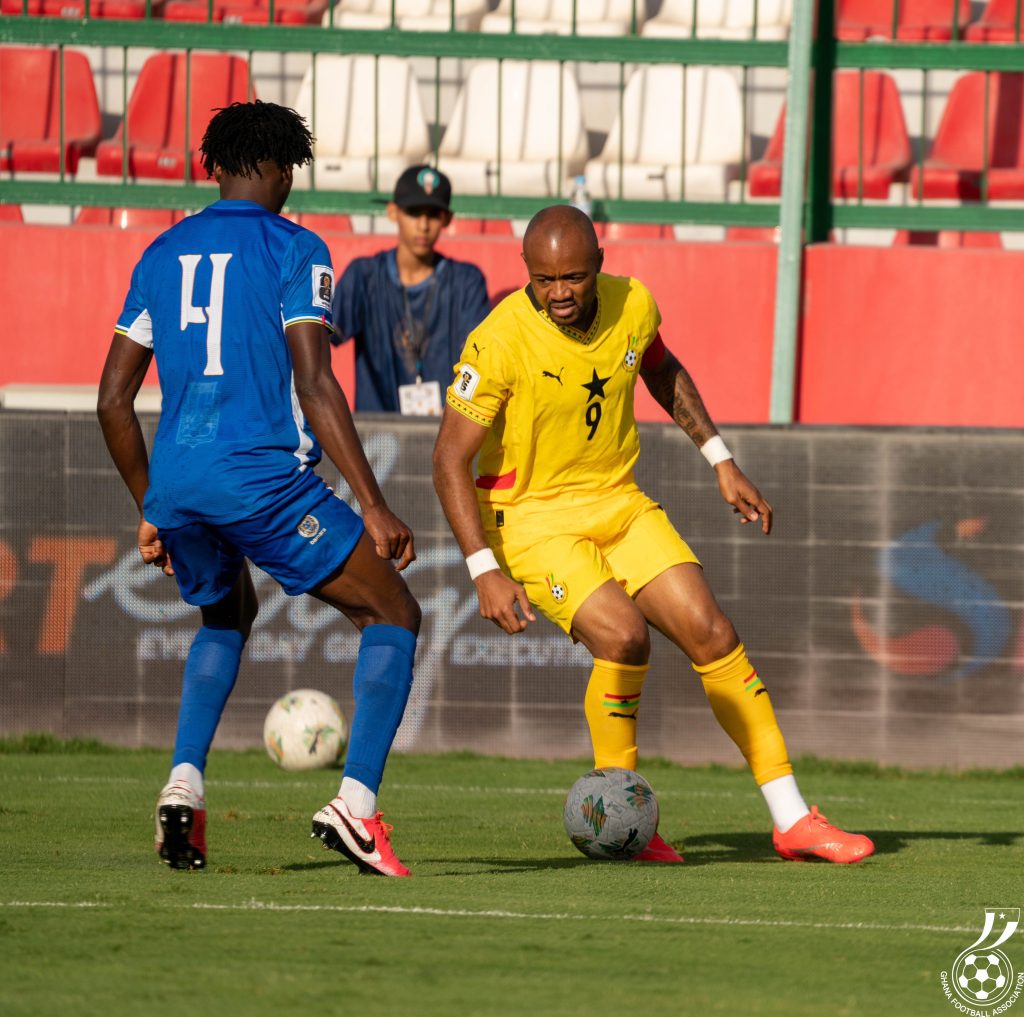
When Jordan Ayew puts on the Ghana jersey these days, something remarkable happens. At 34, an age when many European forwards have retired or faded, Ayew seems sharper, hungrier, and more complete than ever. Born in France, his age is undisputed.
Yet, if he had been born in Ghana, his football age might have easily been adjusted down by five or seven years to fit European scouting norms. Ironically, he would still be playing the same level of football well into his “mid-30s,” which in reality would mean his late 30s or even early 40s.
In fact, Jordan Ayew’s current form only reinforces this truth. At what should be the twilight of his career by European standards, he has produced one of the finest spells in his international journey, leading Ghana to qualify for its fifth FIFA World Cup.
With an outstanding 14 goal involvements (7 goals and 7 assists), he stands as Africa’s best contributor in that qualification phase, and of the best across the globe as far as the FIFA World Cup qualifiers are concerned, demonstrating that African players peak differently and sustain elite performance well past the so-called retirement age.
This paradox tells a bigger story: African footballers mature later and last longer.
Late Bloomers by Nature
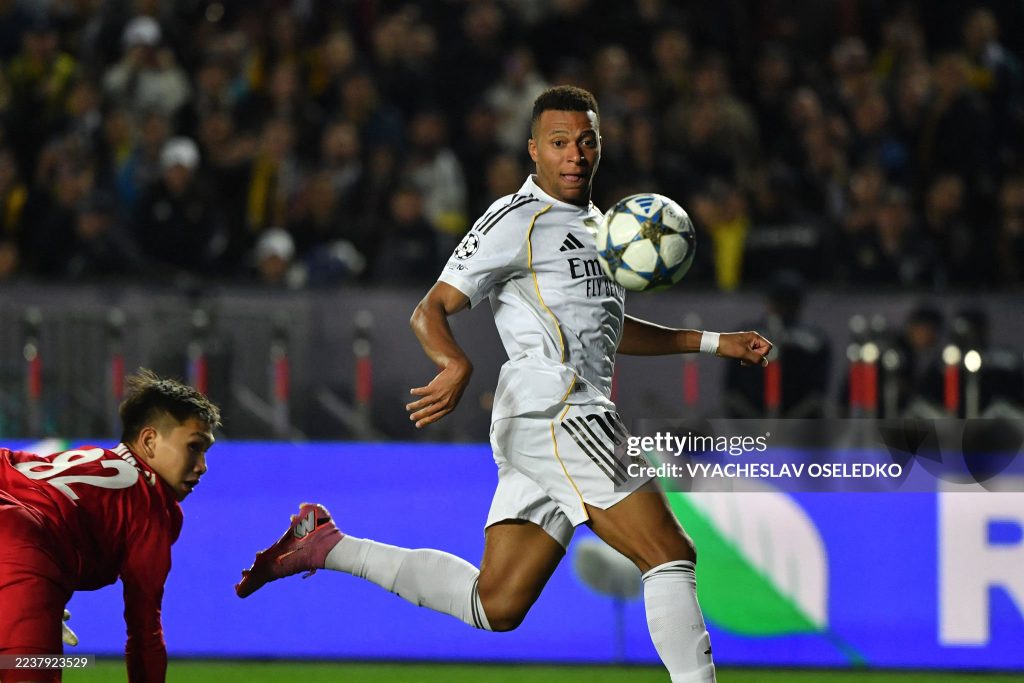
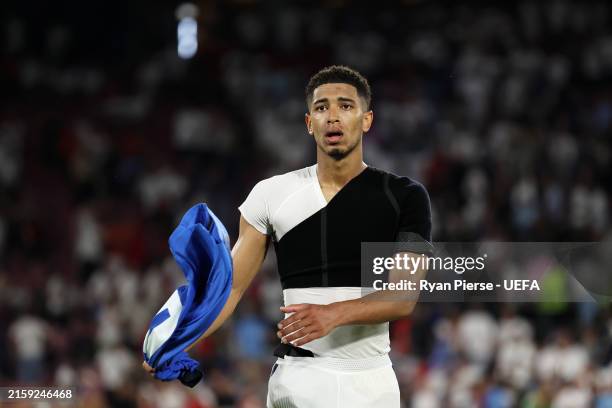
Across Europe, players like Kylian Mbappé and Jude Bellingham are finished products before they turn 20. They’ve spent a decade in structured academies, fine-tuned by nutritionists, psychologists, and analysts. In sub-Saharan Africa, most players don’t enjoy that head start. Structured football often begins in the mid-teens, and development depends more on raw talent and resilience than science and systems.
That’s why African footballers hit their stride later. They take longer to refine their game, but when they do, their maturity, mental strength, and consistency often outlast their European peers.
Playing Into the Late 30s, and Beyond
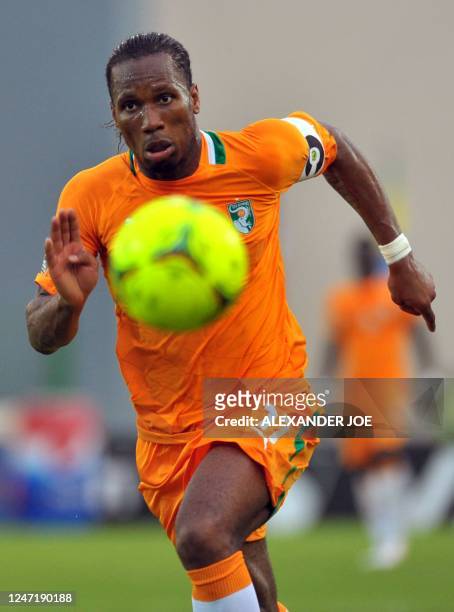
African players also age differently. Many thrive deep into their 30s, even when European counterparts are retiring. Think of Didier Drogba, who terrorized defences well into his 30s; Samuel Eto’o, still scoring in his late 30s; and Asamoah Gyan, leading Ghana long after his supposed prime.

Jordan Ayew’s current run perfectly fits this pattern. His durability and productivity at 34 reaffirm the notion that Africans possess not only a delayed bloom but also remarkable longevity. Their biological and psychological make-up allows them to compete intensely into their mid-to-late 30s, where most Europeans have long hung their boots.

Part of this comes from late exposure, less early wear and tear. But part of it is cultural and psychological: African players fight not just for glory, but for family, community, and national pride. The result? Longevity born from purpose.
The “17-Year-Old” Myth

Here’s the reality: a 17-year-old European player is the product of a decade of elite training. A 17-year-old African, often self-taught and under-resourced, is nowhere near that level. So, to appear competitive, a sub-Saharan player who’s actually 22 might be registered as 17. When he’s “30,” he may biologically be 37, but still performing superbly.
It’s less about cheating and more about compensating for structural inequality in development pathways. This also explains why Jordan Ayew’s verified age stands as a unique reference point; his growth and longevity are natural benchmarks for what many African-born players might show if their real biological ages were accurately represented from the start.
Changing the Lens
The real solution isn’t stricter documentation alone; it’s changing perception. The football world must accept that the African athlete’s career curve is different. Africans can, and do, play at a high level into their mid-to-late 30s, sometimes even 40s, without losing much quality.
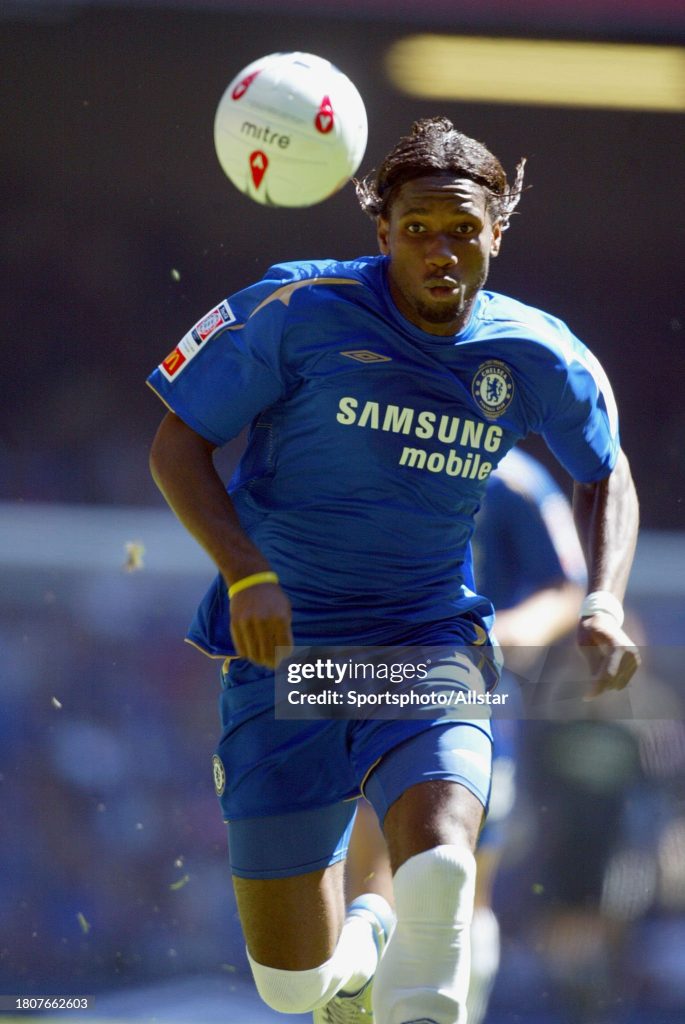
To curb the so-called “age cheating” stigma, global football must recognize this biological and developmental distinction. The African footballer’s decline is naturally slower, and their body’s endurance allows for sustained excellence well beyond the European benchmark.
Once this truth is accepted, the obsession with “younger is better” will fade, and so will the pressure to falsify ages. Football should celebrate the African player’s delayed but enduring excellence, not penalize it.
Final Whistle
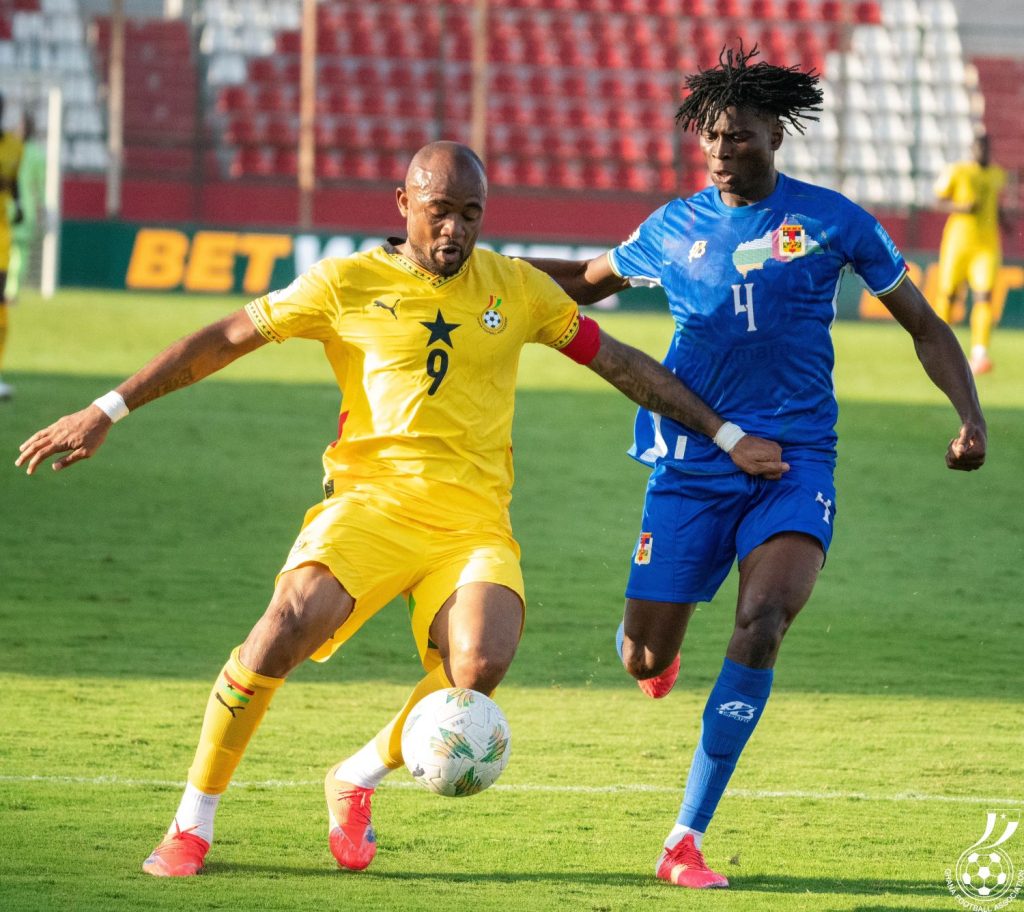
Jordan Ayew, still running, pressing, and scoring at 34, is proof that age is not the enemy; it’s the misunderstanding of it that is. The African footballer’s body and spirit defy the European curve: they start later, bloom later, and last longer. His story is both evidence and inspiration, a reminder that the African player’s prime years begin where Europe expects decline. And perhaps, it’s time football stopped measuring Africa’s stars by Europe’s clock.