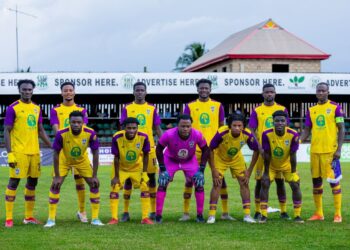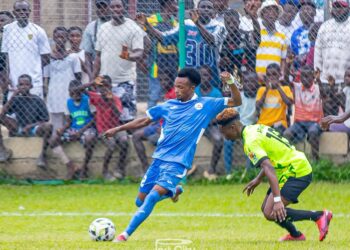


Board chairman of Medeama Sporting Club, Dr Tony Aubynn, says many Ghana Premier League clubs are reluctant to qualify for continental competitions because of the heavy financial burden that comes with African football.
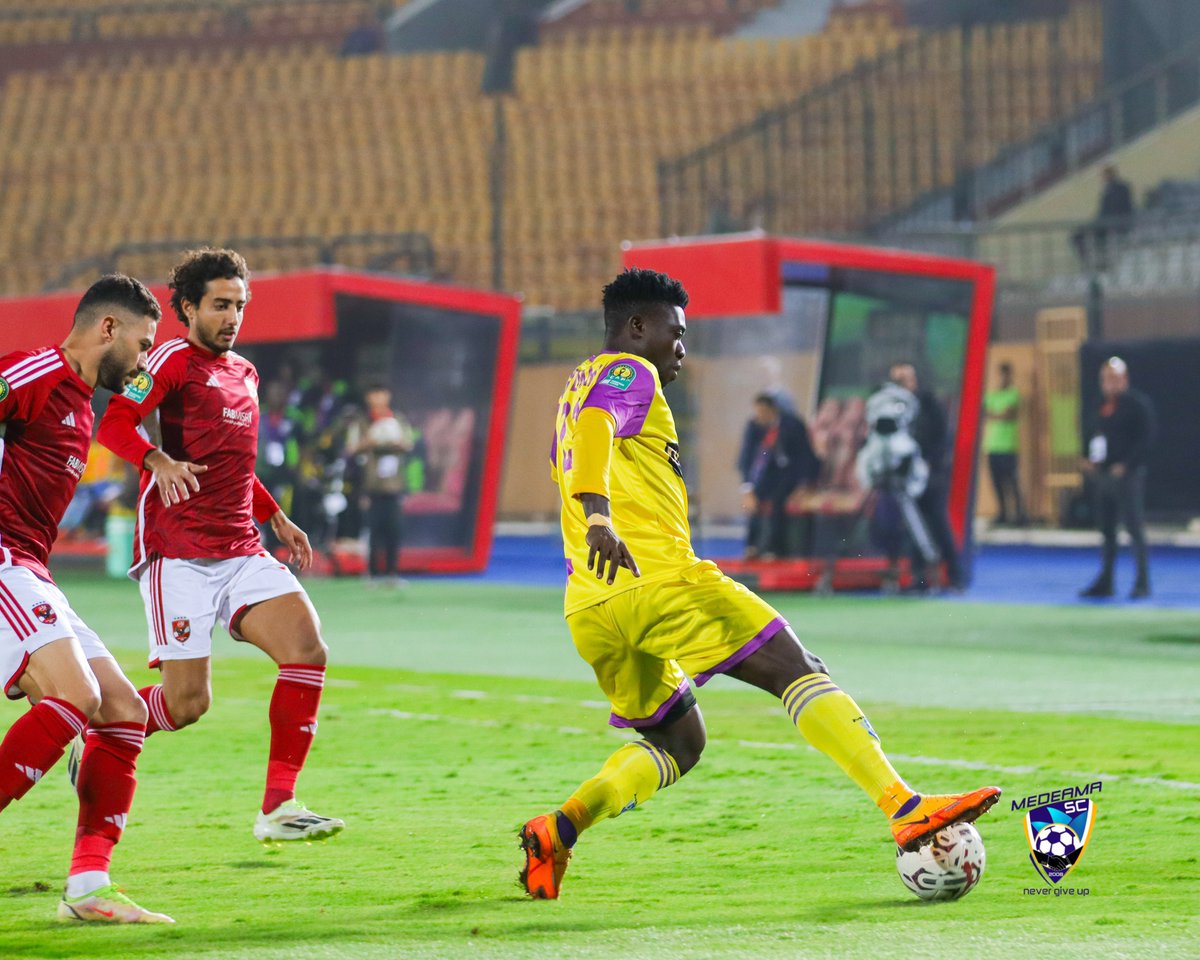
Medeama SC are no strangers to continental football. The Tarkwa-based club last featured in Africa during the 2023/24 season, when they reached the group stage of the CAF Champions League for the first time in their history. They also previously appeared in the group stage of the CAF Confederation Cup in 2016 ; their best finish in that competition.
Speaking on Football Made in Ghana on Citi Sports, Dr Aubynn revealed that while continental qualification should be the ambition of every top-flight club, the reality on the ground often discourages teams.
🚨BREAKING: Remo Stars to play Medeama SC of Ghana in the 2023 CAF Champions League.
First leg in Ghana
Second leg in Nigeria #CAFCL pic.twitter.com/jAhI49PxT4— MikeThePundit (@Mike_ThePundit) July 25, 2023
A good Premier League club must always aim at the top. You can’t be in the Premier League for nothing
Sometimes I hear people say they don’t want to go to Africa and just want to stay in the Premier League. That loses the essence but I also understand them.
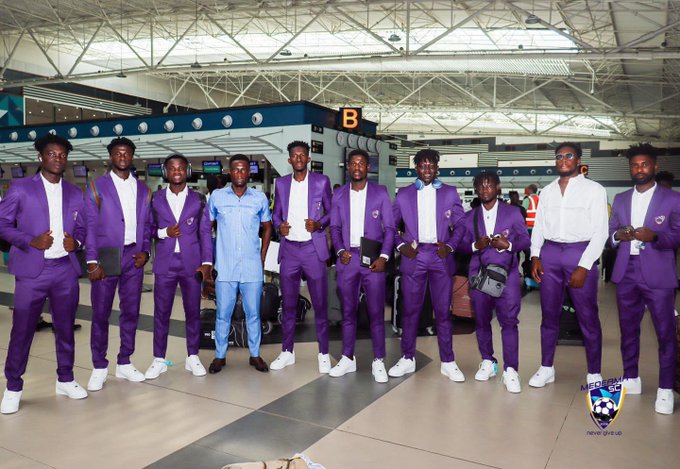
Despite those milestones, Dr Aubynn admits the financial demands of Africa can be overwhelming for local clubs.
When you qualify to go to Africa, the cost will run away. We always talk about going to the money zone, but even in the so-called money zone, what you get is not always clear, especially when you consider the cost of the preliminary rounds.
He explained that the heavy upfront expenses including travel, accommodation, logistics and player welfare often force clubs to reconsider their ambitions.
That is why people run away from it because of the initial cost.

Still, Dr Aubynn believes continental football offers benefits beyond immediate financial returns.
There is also a positive. You get to showcase your mettle ; what you can do and put your club on a bigger stage.
As discussions continue about improving funding and support structures, the question remains whether more GPL sides can be encouraged and adequately supported to compete beyond Ghana’s borders.