

A new collaboration between the UK-based PKO Group of Companies and SP Sports Management and Promotions is aiming to reshape how amateur and professional boxers in Ghana are trained, managed and supported beyond their fighting careers.
Speaking ahead of an upcoming boxing event in Koforidua, Edward Osei, Chief Executive Officer of PKO Group of Companies, outlined a long-term vision that extends beyond organising bouts and signing fighters. According to him, the partnership with SP Sports Management and Promotions is built around aligning business structures with athlete welfare and education.
Unlike traditional promotional deals that focus primarily on matchups and titles, the collaboration places emphasis on structured development. Osei indicated that the approach integrates education, nutrition, sports psychology and sports science alongside boxing training. The objective, he said, is to produce well-rounded athletes capable of sustaining both peak performance and long-term career stability.
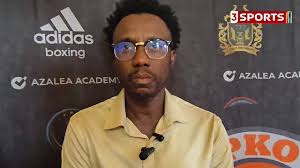
A central theme of the initiative is what Osei described as an “exit strategy” for fighters. The plan includes vocational training and academic qualifications to ensure athletes have employable skills even if they do not reach championship level. The model attempts to address a recurring issue in combat sports — the lack of financial and professional security after retirement.
Event as a Launchpad, Not the End Goal
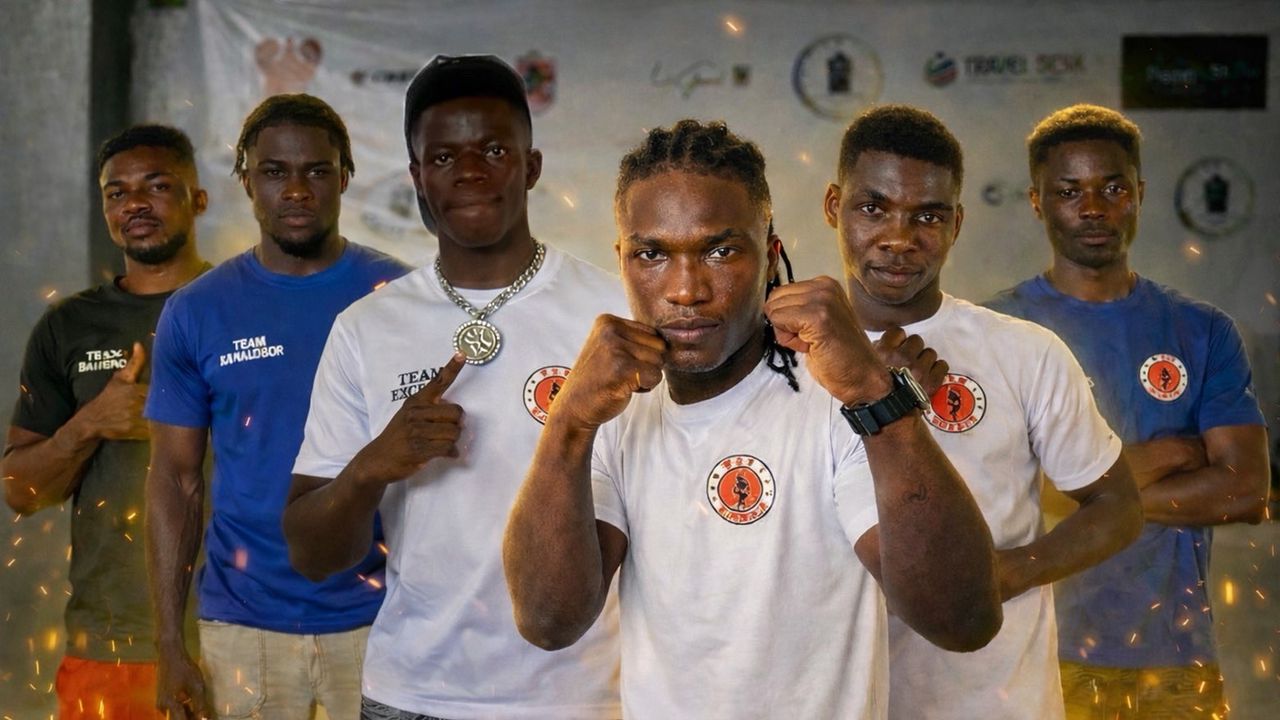
While much of Osei’s remarks were tied to the forthcoming “Bill 1957” fight night marking Ghana’s Independence celebrations, the event appears to serve more as a platform than the ultimate objective. The card features a mix of amateur exhibition bouts and professional fights, including boxers under the PKO umbrella and others from affiliated camps.

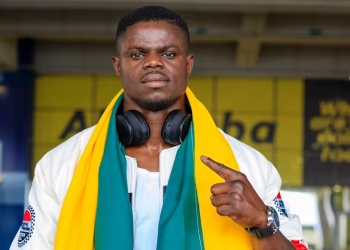
Names mentioned include rising amateur John Eshun in an exhibition contest, newly signed Godfrey Amu Brown, Beniza Kolebe, Benedict Badu and Prince Kamal Deen Mohammed. The bill is also expected to showcase fighters outside the PKO stable, reinforcing the collaborative nature of the event rather than presenting it as a closed promotional showcase.
The main event ; a Ghana versus Nigeria clash between Charles Tetteh and Nigeria’s Lukman Akinolubadi ; is being positioned as the night’s headline attraction, tapping into the historic sporting rivalry between the two countries.
Beyond the Ring
The broader structure of PKO’s involvement suggests ambitions that stretch into sports management systems rather than isolated promotions. Osei referenced networks extending into fashion, art, education and sports management, hinting at a multi-industry ecosystem that could provide alternative career paths for athletes.
There are also logistical efforts tied to the event, including transportation arrangements for fans travelling to Koforidua and international attendance from the UK, Miami, Cyprus, Abu Dhabi and Scotland. However, the emphasis from the PKO leadership appears to be less about spectacle and more about institutional groundwork.
A Different Model — If Sustained
In Ghana’s boxing landscape, many initiatives begin with strong publicity but fade due to inconsistent funding or limited infrastructure. What distinguishes this partnership is the explicit focus on education and post-career planning ; areas often overlooked in local promotions.
Whether the model becomes sustainable will depend on execution beyond single events. If the educational and welfare components materialise as described, PKO’s entry into Ghanaian boxing could signal a shift from short-term fight promotions toward a more developmental framework. If not, it risks blending into the long list of ambitious sports projects that struggled to move past announcements and launch events.