



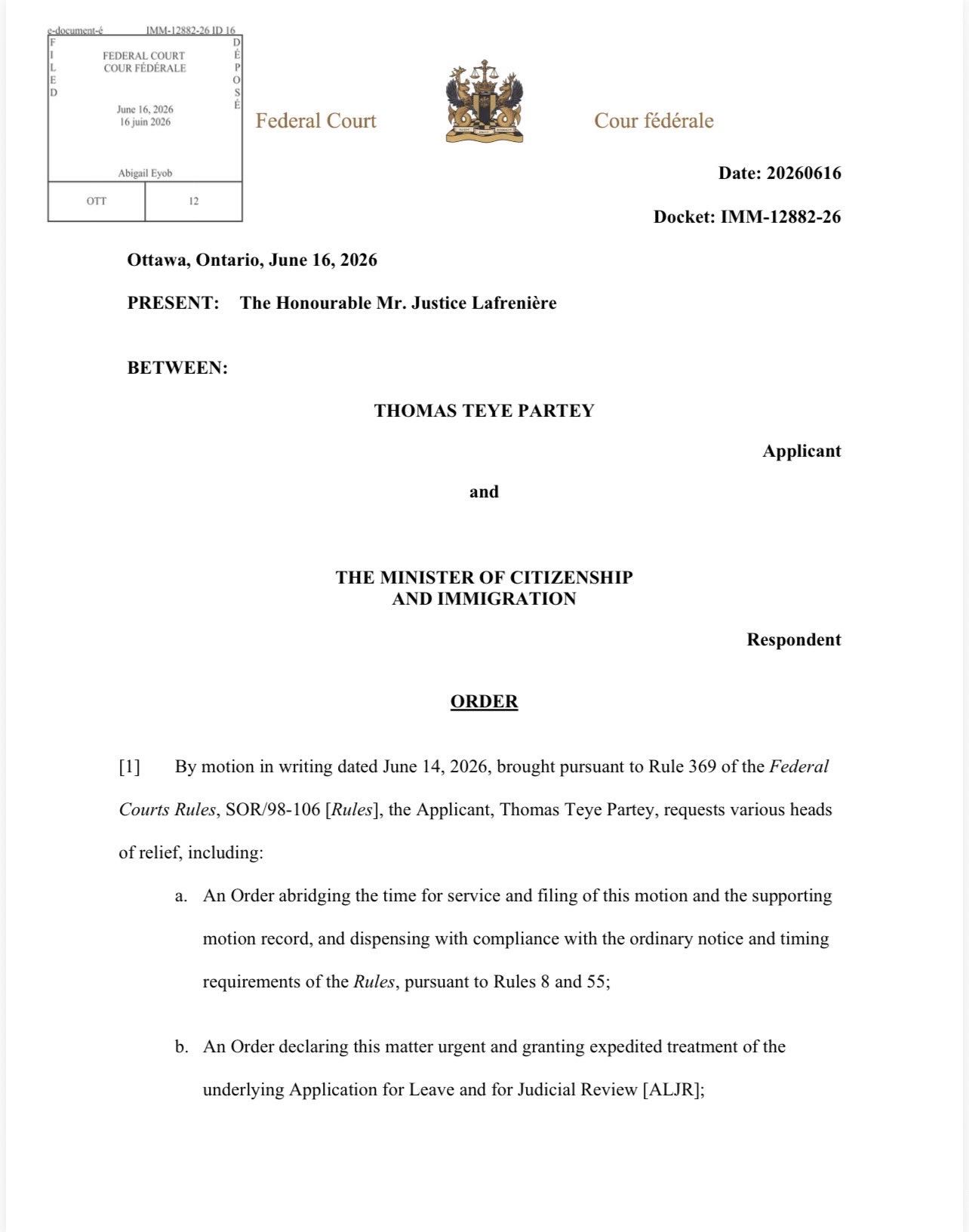
The Canadian Federal Court has dismissed an emergency application by Black Stars deputy captain, Thomas Partey, to overturn a visa refusal and gain entry into Canada ahead of the Black Stars’ opening match at the 2026 FIFA World Cup.
In a ruling by Justice Lafrenière, the court found there was “no serious issue” with the decision by Canadian immigration authorities to deny Partey entry.
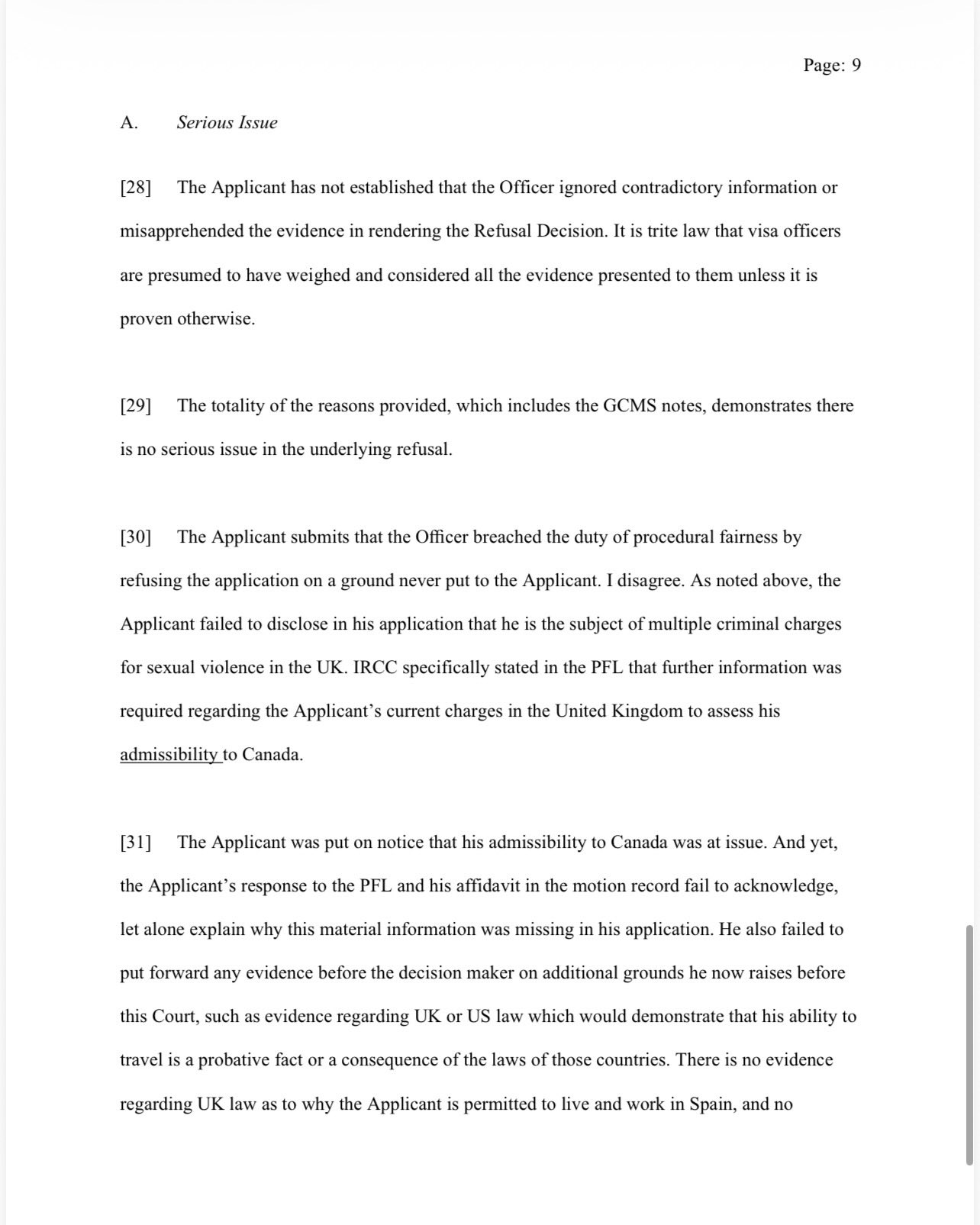
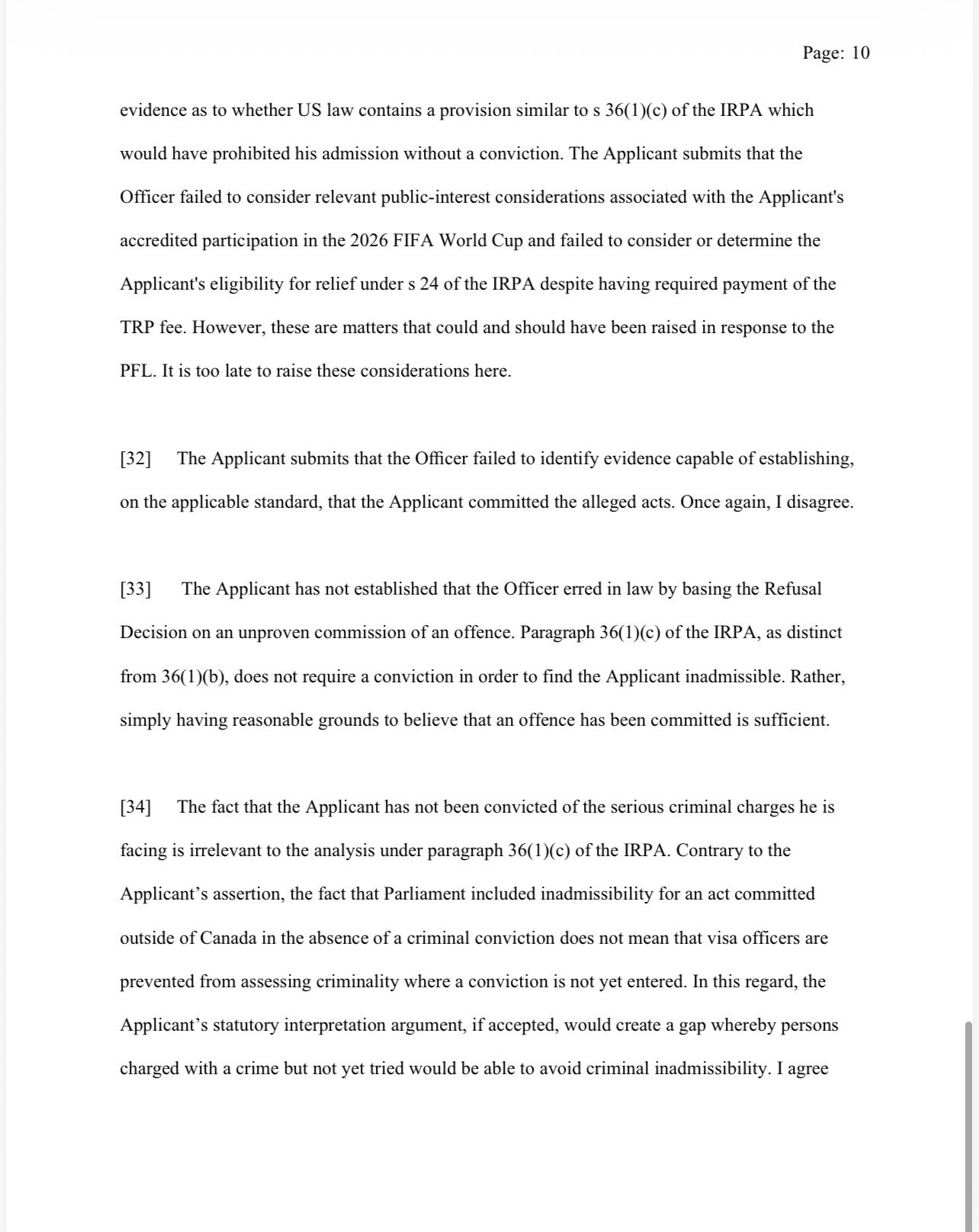
The judge said Partey failed to show that immigration officials ignored evidence or made errors in concluding that he was inadmissible to Canada.
“The totality of the reasons provided, which includes the GCMS notes, demonstrates there is no serious issue in the underlying refusal,” Justice Lafrenière said.
A central issue in the case was Partey’s failure to disclose in his visa application that he faces multiple rape and sexual assault charges in the United Kingdom.
The court noted that Immigration, Refugees and Citizenship Canada had specifically requested information about the charges through a procedural fairness letter, alerting him that his admissibility was under review.
“The Applicant failed to disclose in his application that he is the subject of multiple criminal charges for sexual violence in the UK,” the judge wrote.
Justice Lafrenière also rejected Partey’s argument that the refusal was unfair because he had not been convicted of any offence. The court held that Canadian immigration law does not require a conviction where there are reasonable grounds to believe a serious offence may have been committed.
“The fact that the Applicant has not been convicted of the serious criminal charges he is facing is irrelevant to the analysis,” the ruling stated.
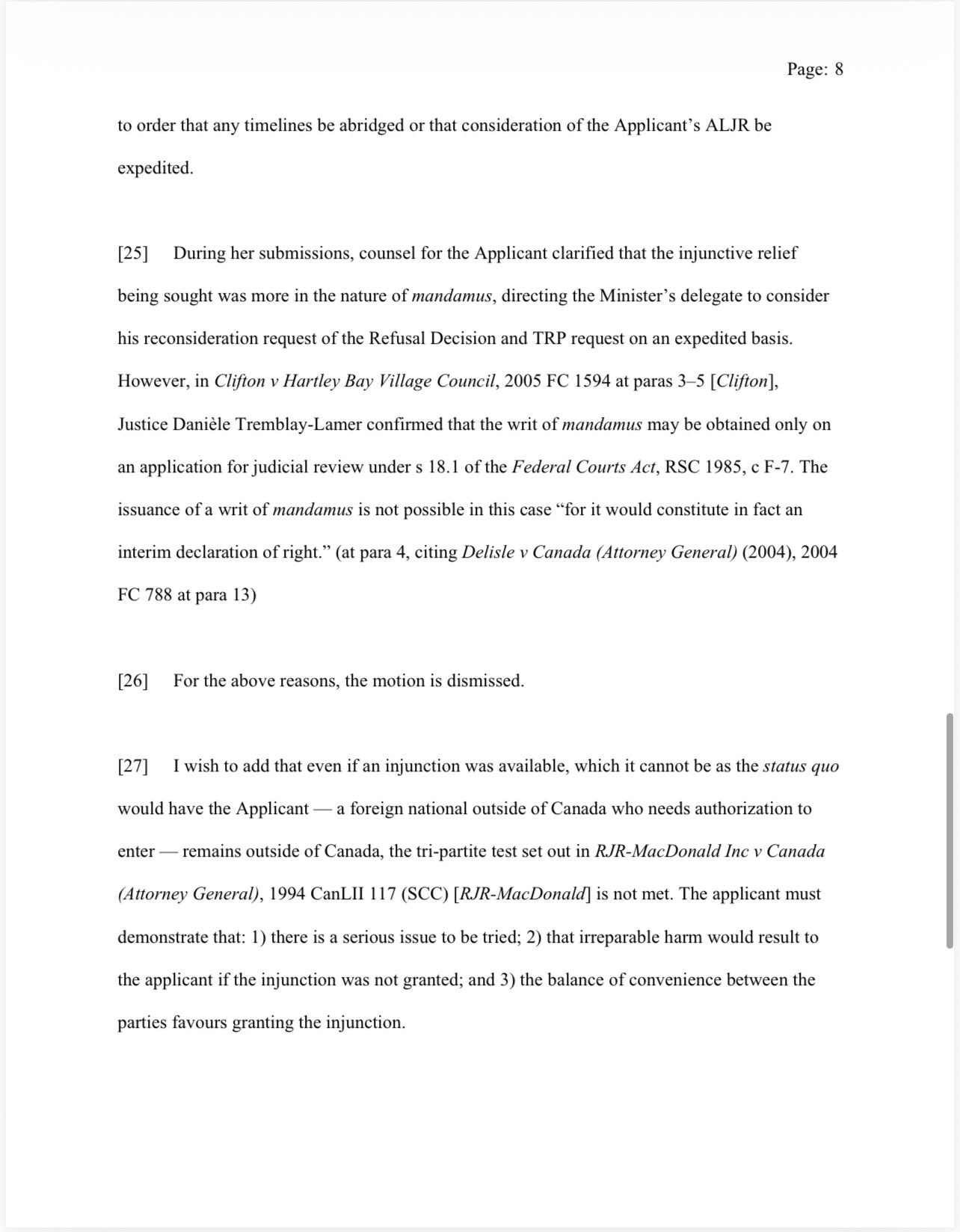
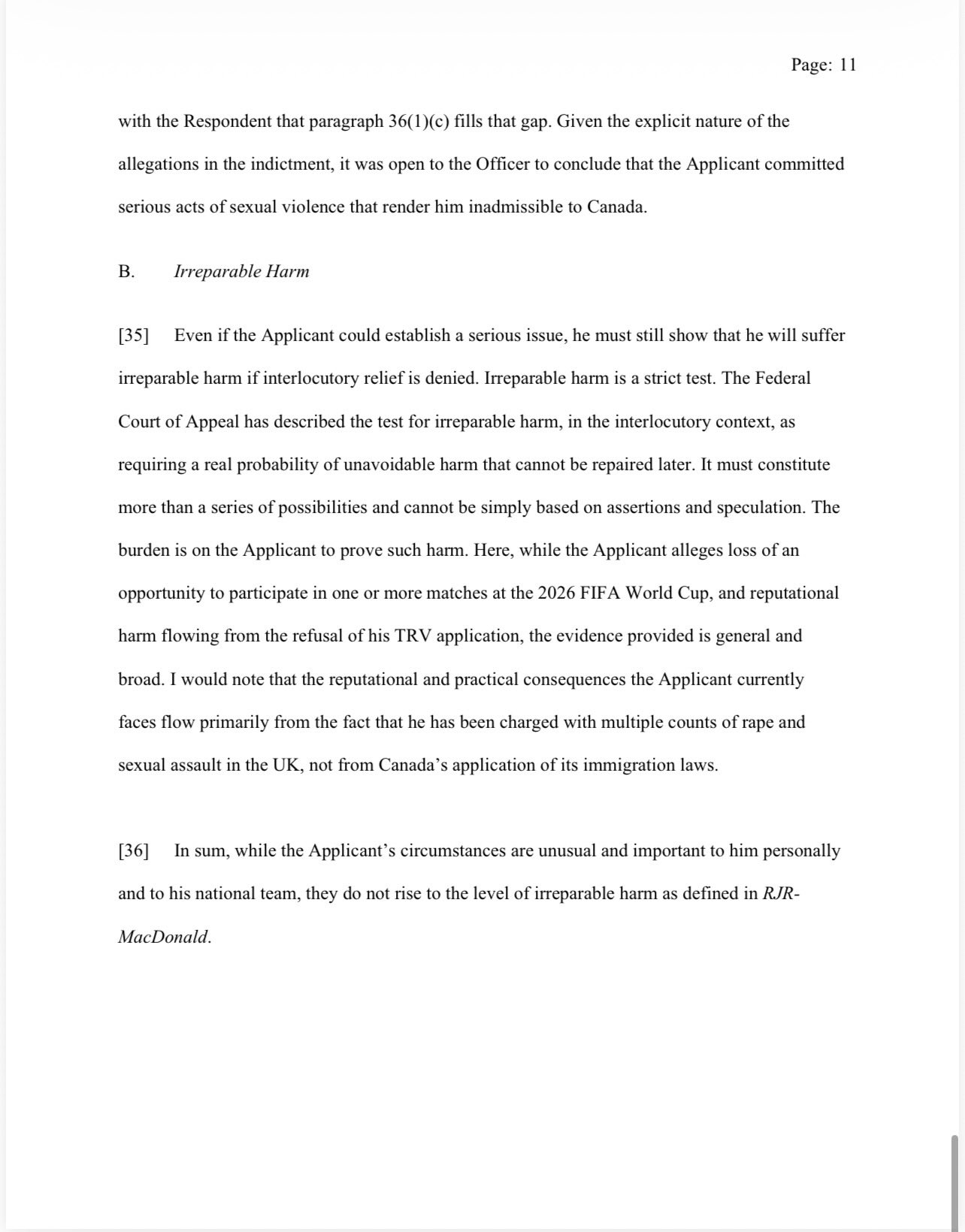
The court further found that Partey had not demonstrated irreparable harm. While he argued that the decision could prevent him from playing at the World Cup and damage his reputation, the judge said the evidence presented was broad and unconvincing.
Justice Lafrenière added that any reputational harm stemmed primarily from the criminal charges rather than the visa refusal.
The court also ruled that the balance of convenience favoured maintaining the integrity of Canada’s immigration system and the consistent application of laws relating to serious criminality.
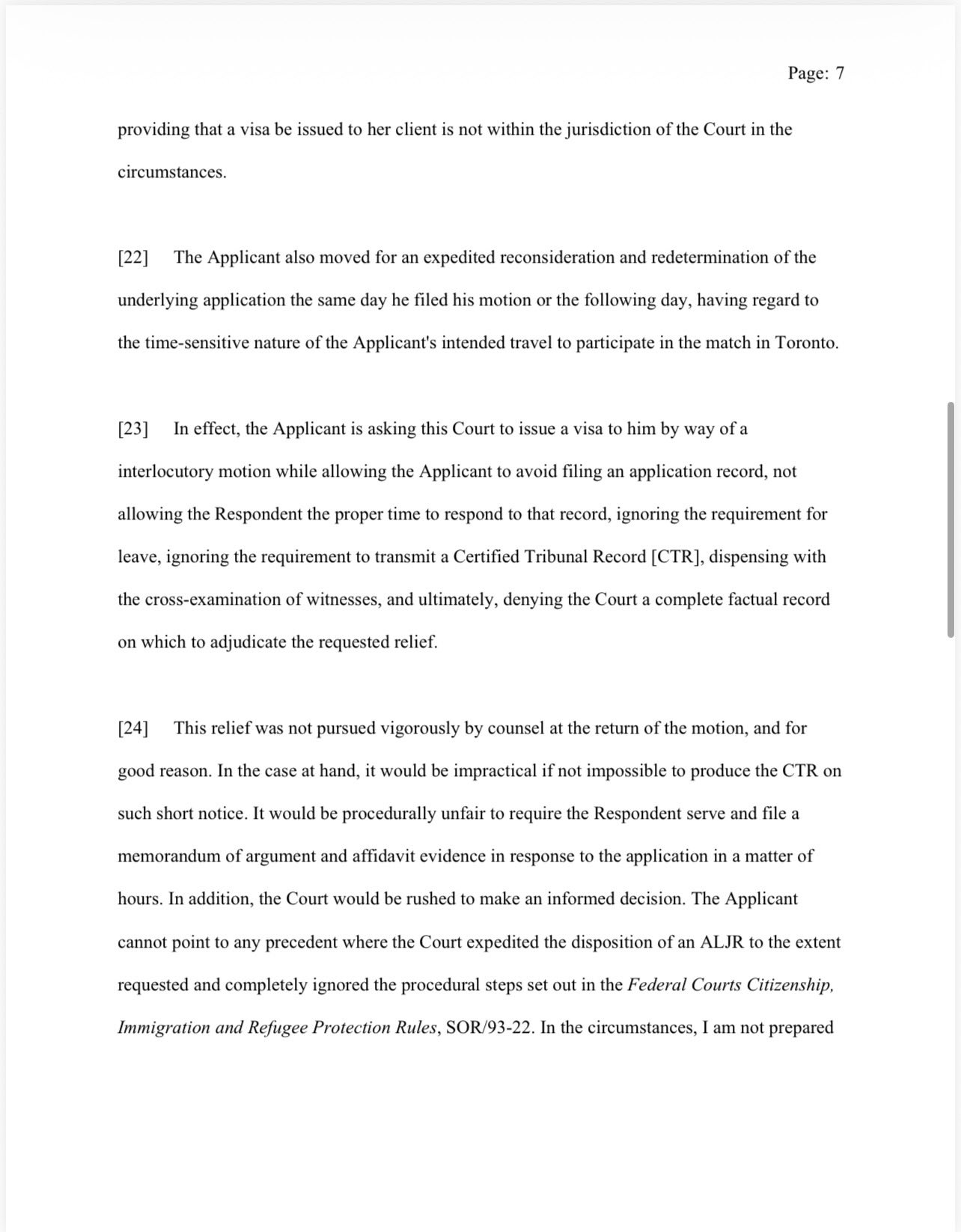
Partey had sought extraordinary relief that would have effectively required Canada to set aside the inadmissibility finding and facilitate his entry for the World Cup.
Although the application was dismissed, the judge acknowledged that Partey’s requests for reconsideration and a Temporary Resident Permit are time-sensitive and urged Canadian authorities to deal with them as quickly as possible.
The ruling leaves Partey’s availability for Ghana’s World Cup opener against Panama in serious doubt.
The Canadian Federal Court has dismissed an emergency application by Ghana midfielder Thomas Partey to overturn a visa refusal and gain entry into Canada ahead of the Black Stars’ opening match at the 2026 FIFA World Cup.
In a ruling by Justice Lafrenière, the court found there was “no serious issue” with the decision by Canadian immigration authorities to deny Partey entry.
The judge said Partey failed to show that immigration officials ignored evidence or made errors in concluding that he was inadmissible to Canada.
“The totality of the reasons provided, which includes the GCMS notes, demonstrates there is no serious issue in the underlying refusal,” Justice Lafrenière said.
A central issue in the case was Partey’s failure to disclose in his visa application that he faces multiple rape and sexual assault charges in the United Kingdom.
The court noted that Immigration, Refugees and Citizenship Canada had specifically requested information about the charges through a procedural fairness letter, alerting him that his admissibility was under review.
“The Applicant failed to disclose in his application that he is the subject of multiple criminal charges for sexual violence in the UK,” the judge wrote.
Justice Lafrenière also rejected Partey’s argument that the refusal was unfair because he had not been convicted of any offence. The court held that Canadian immigration law does not require a conviction where there are reasonable grounds to believe a serious offence may have been committed.
“The fact that the Applicant has not been convicted of the serious criminal charges he is facing is irrelevant to the analysis,” the ruling stated.
The court further found that Partey had not demonstrated irreparable harm. While he argued that the decision could prevent him from playing at the World Cup and damage his reputation, the judge said the evidence presented was broad and unconvincing.
Justice Lafrenière added that any reputational harm stemmed primarily from the criminal charges rather than the visa refusal.
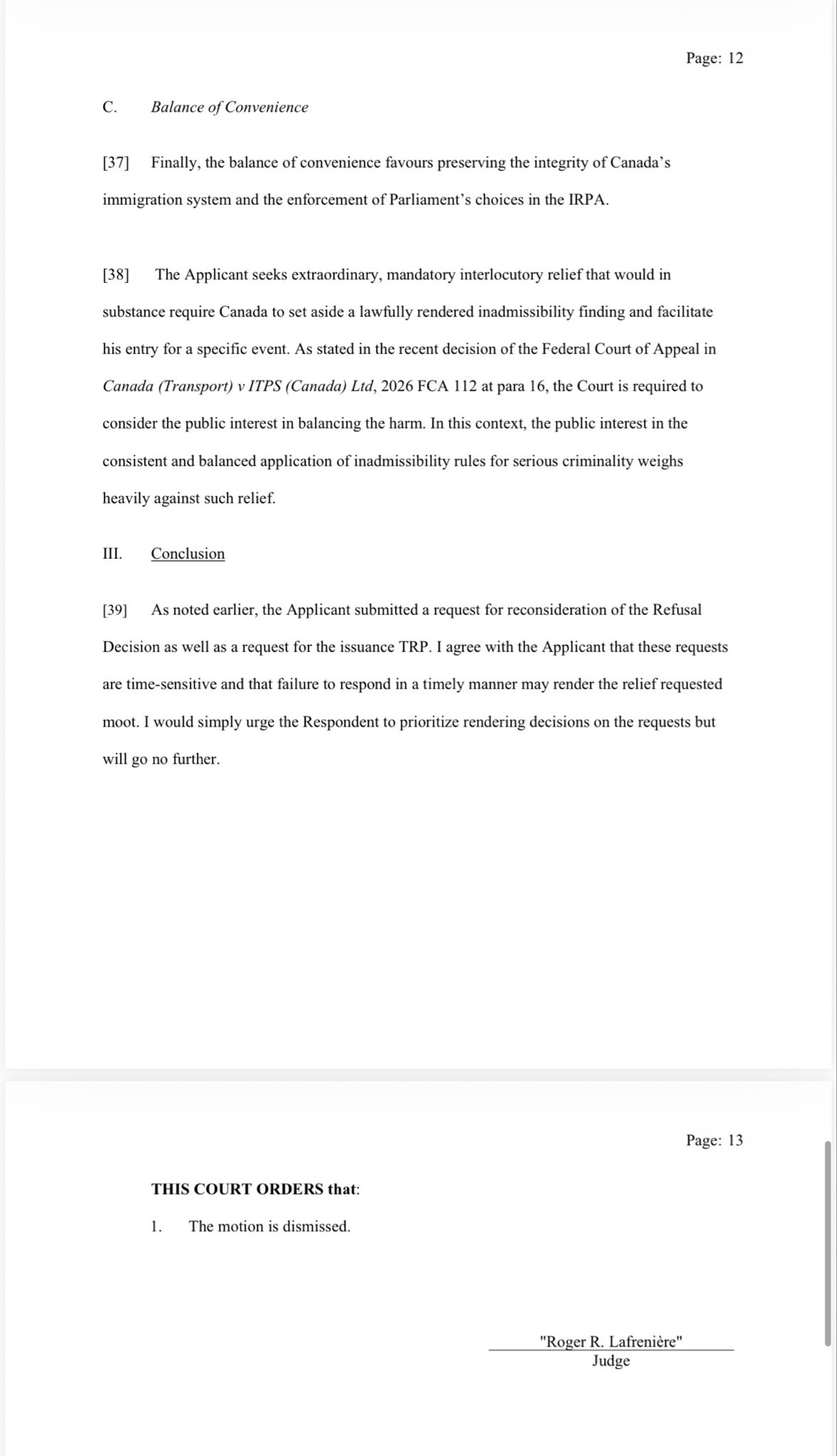
The court also ruled that the balance of convenience favoured maintaining the integrity of Canada’s immigration system and the consistent application of laws relating to serious criminality.
Partey had sought extraordinary relief that would have effectively required Canada to set aside the inadmissibility finding and facilitate his entry for the World Cup.
Although the application was dismissed, the judge acknowledged that Partey’s requests for reconsideration and a Temporary Resident Permit are time-sensitive and urged Canadian authorities to deal with them as quickly as possible.
The ruling leaves Partey’s availability for Ghana’s World Cup opener against Panama in serious doubt.