

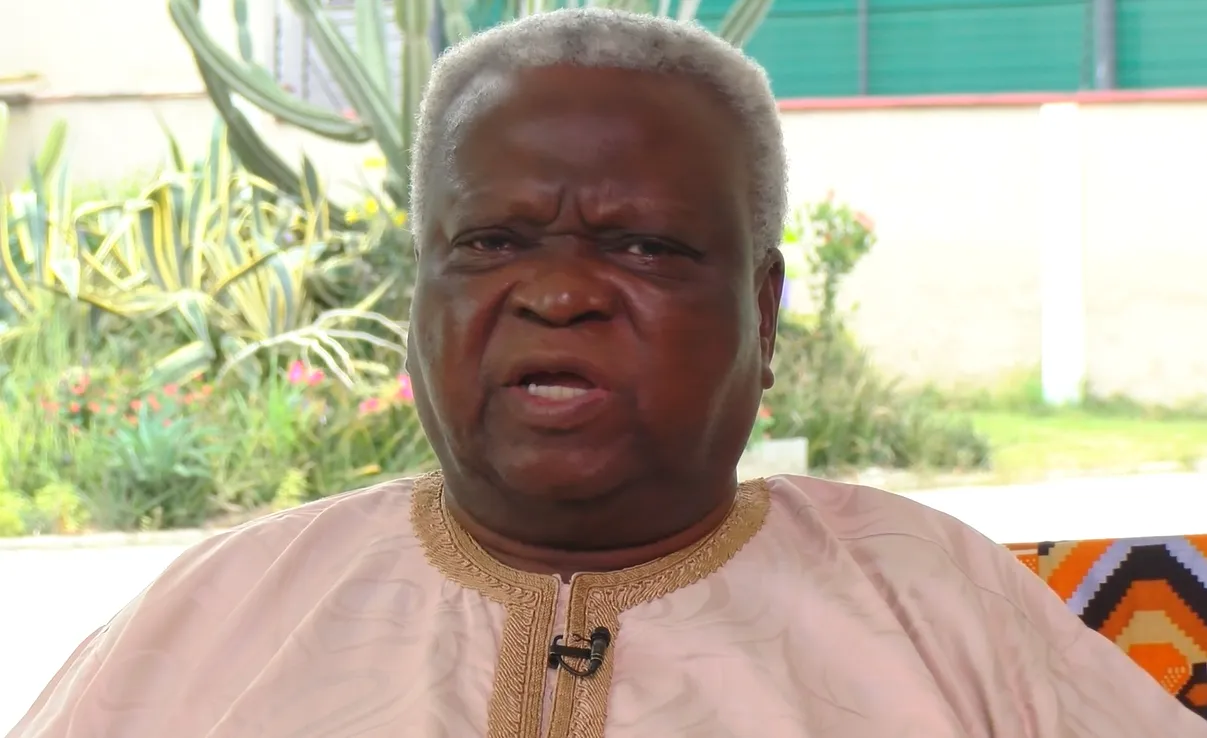
The Board Chairman of Accra Great Olympics FC, Major (Rtd) Amarkai Amarteifio, has expressed concern that Ghana’s football community has not fully learned the lessons from the country’s worst stadium disaster.
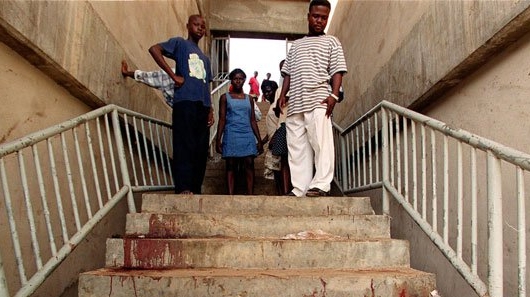
The disaster, which occurred at the Accra Sports Stadium, remains the deadliest in African football history. It unfolded during a match between Accra Hearts of Oak and Asante Kotoko SC, when crowd disturbances led to police firing tear gas into the stands.
The resulting panic triggered a stampede as supporters attempted to exit the stadium, with locked gates contributing to the scale of the tragedy. More than 120 people lost their lives.

Speaking to Citi Sports, Amarteifio said he believes the legacy of the events of 9 May 2001 has not led to sufficient improvements in safety standards within the game.
Reflecting on the incident more than two decades later, Amarteifio suggested that similar risks remain present at matches in Ghana.
“I am not sure, it nearly occurred three four years ago, we had Hearts -Olympics match, a similar thing happened, a gate collapsed under the weight of the crowd and why that should happen.
I don’t know why that should happen, but it happened and I was very much afraid that night. I remember Nick Amarteifio here struggling to get through the gate struggling to come through the gates.”
His comments refer to a more recent domestic fixture involving Hearts of Oak and Great Olympics, where he says structural failure at a stadium gate raised fresh concerns about crowd control and infrastructure.
Amarteifio indicated that such incidents point to a broader failure to apply the lessons of the 2001 tragedy, despite its significance in Ghana’s sporting history.
“We should have learnt from May 9. What happened 3-4 years ago sent a very bad message to me that it doesn’t look like we’ve learnt all the lessons.”
The May 9 disaster led to widespread calls for reforms in stadium safety, crowd management, and emergency response systems across the country. It also remains a defining moment in Ghanaian football, commemorated annually in remembrance of the victims.
However, Amarteifio’s remarks suggest that concerns persist among some stakeholders about whether those reforms have been fully implemented or maintained over time.
With football continuing to attract large crowds in Ghana, issues of safety and infrastructure remain critical to the organisation of matches.
As the country continues to honour those who lost their lives in 2001, the chairman’s comments highlight ongoing debate about how best to ensure such a tragedy is never repeated.