


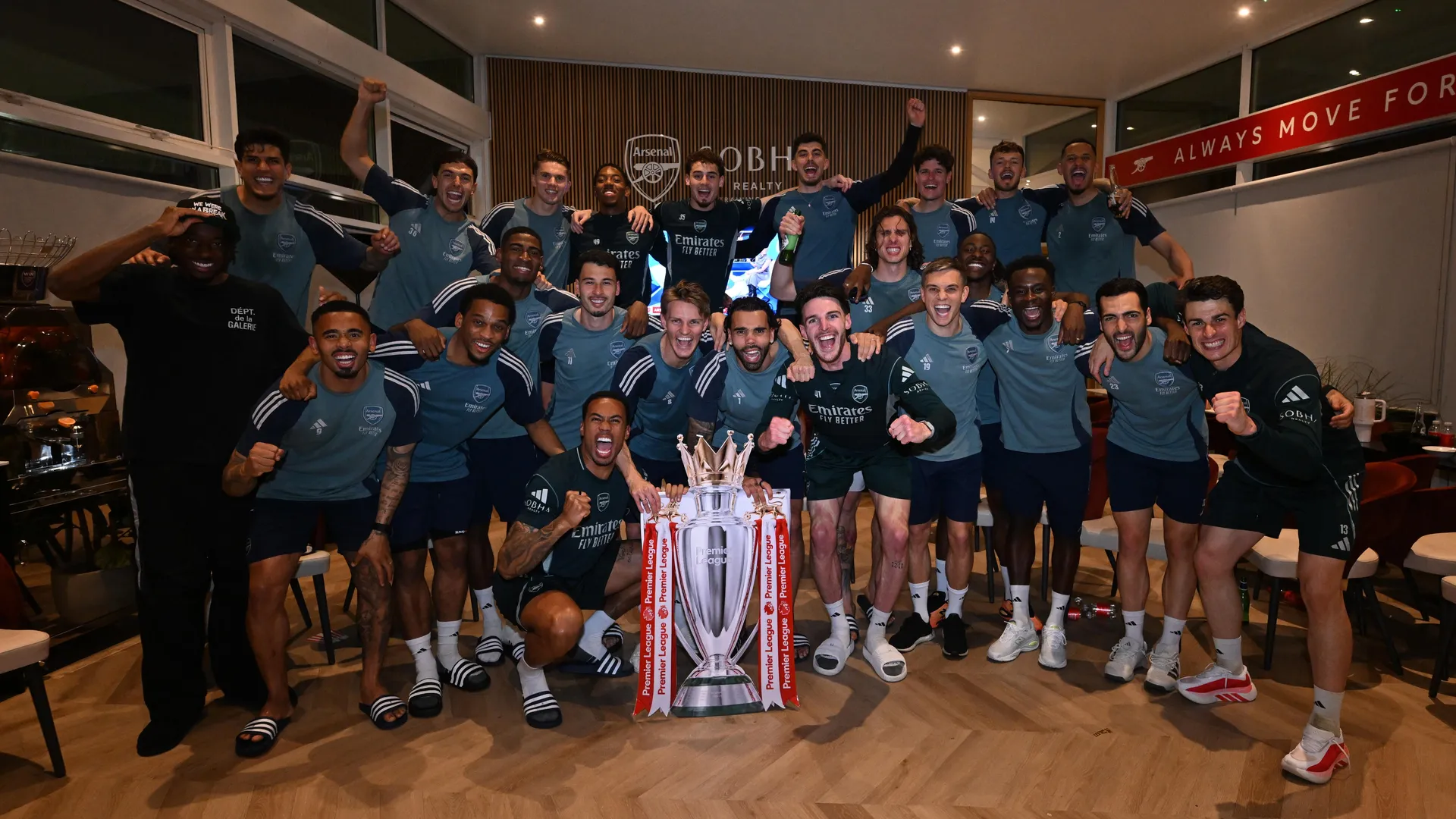
Arsenal FC have finally ended their 22-year wait for a Premier League title, sealing the 2025/26 crown with a game to spare under manager Mikel Arteta.
It was a season built on control rather than flair. Arsenal’s success came through a disciplined defensive structure and efficient finishing, not high-scoring football.
They have scored 69 goals and conceded just 26 goals in 37 matches so far, numbers that underline their dominance at both ends of the pitch. That tally could change after their final away match against Crystal Palace at Selhurst Park on Sunday, May 24, 2026.
Regardless of the final game, the title is already secured, marking a defining achievement for Arteta’s side.
This defensive dominance has naturally invited comparisons to Leicester City’s unforgettable 2015/16 title-winning season.
But are Arsenal truly the lowest-scoring champions since the Foxes? The answer is No.
They sit just one goal higher, yet their achievement still ranks among the most modest attacking outputs in the modern Premier League era.
Here, we take a look at the Premier League Champions’ Goals Scored: from the 2010/11 season to the 2025/26 season.

Below is a complete overview of every title winner’s goals scored (GF) since the 2010/11 season.
All seasons except 2025/26 consisted of 38 matches.
Starting with 2010/11: Manchester United scored 78 goals at 2.05 per game — solid but not spectacular.
2011/12: Manchester City exploded with 93 goals at 2.45 per game — their first title of the modern era.
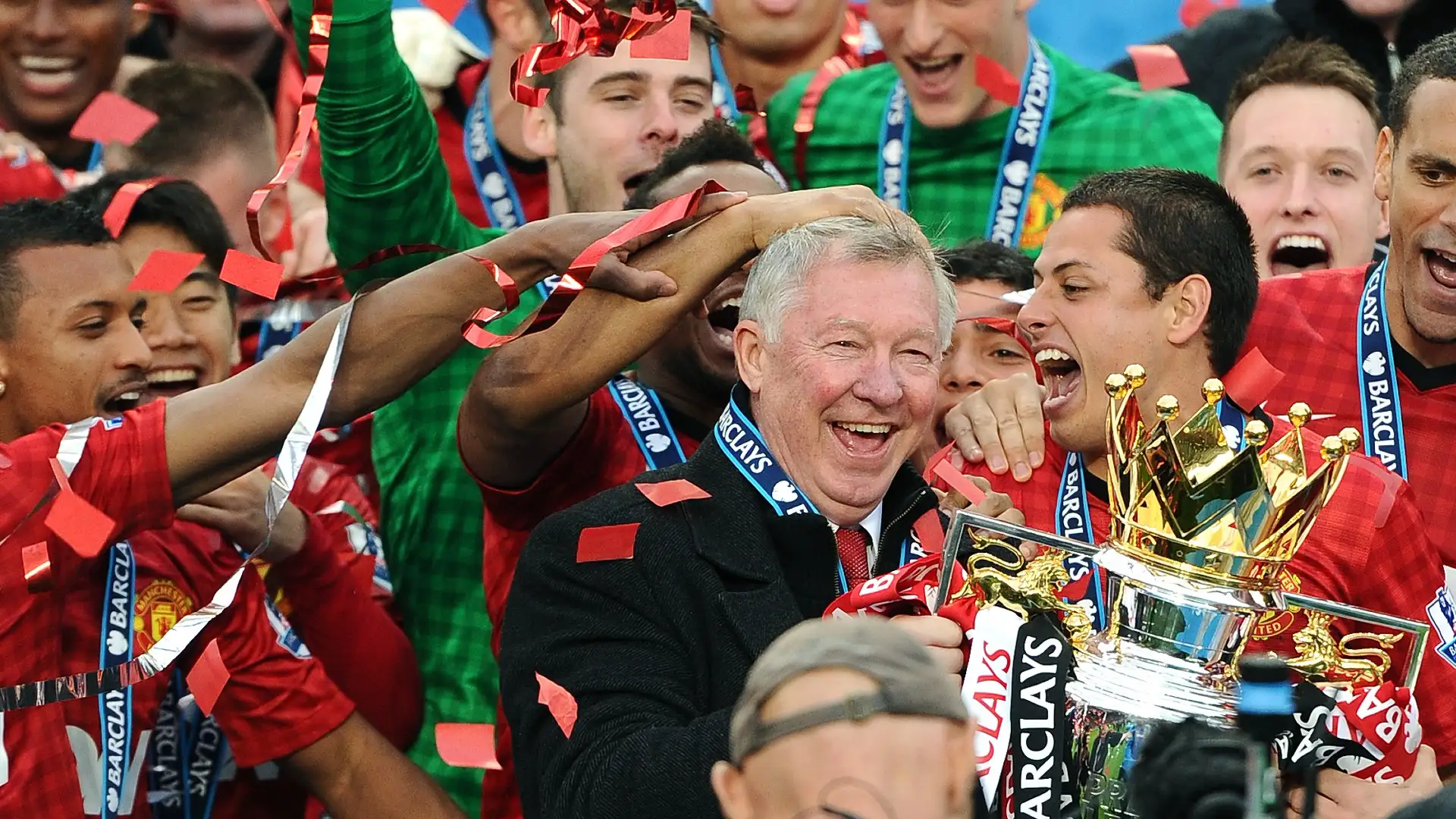
2012/13: Sir Alex Ferguson’s final title with Manchester United — 86 goals at 2.26 per game.
2013/14: Manchester City went on a record-breaking run with 102 goals at 2.68 per game.
2014/15: Chelsea under José Mourinho won it with a more pragmatic 73 goals at 1.92 per game.

Then came 2015/16: Leicester City shocked the world, winning the title with just 68 goals — that’s 1.79 per game — still the lowest in the modern era.

2016/17: Chelsea bounced back under Antonio Conte with 85 goals at 2.24 per game.
2017/18: Manchester City hit the highest in this period — 106 goals at a blistering 2.79 per game.
2018/19: Man City again with 95-plus goals, around 2.5 per game — pure dominance.
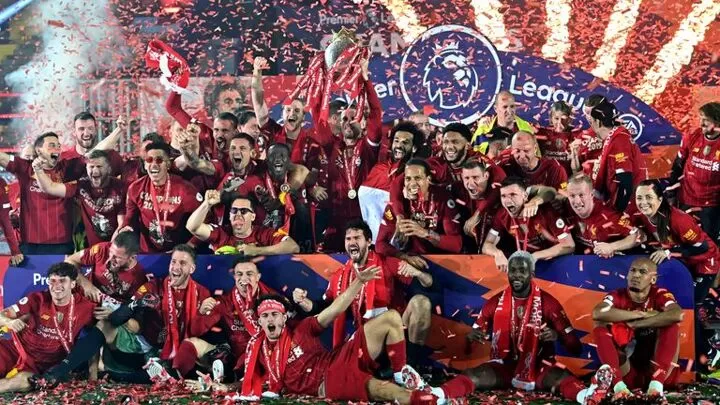
2019/20: Liverpool under Jürgen Klopp scored 85 goals at 2.24 per game during their high-pressing peak.
From 2020/21 to 2023/24: Manchester City were consistently excellent, banging in between 90 and 100-plus goals most seasons.

2024/25: Liverpool returned to the top with a high 80-goal tally.
And finally, 2025/26: Arsenal has won the title with 69 goals in 37 matches — roughly 1.86 goals per game.
Leicester’s 68 goals in 2015/16 remain the clear benchmark for the lowest-scoring title-winning team in this 16-season span.
Arsenal’s 69 goals make them the second-lowest, narrowly ahead of Leicester but well below the 85+ totals that have become common in recent years.
Here, we also take a look at how Arsenal’s attack compared to Leicester’s :
Both title wins shared a similar philosophical foundation: Elite defensive structure paired with efficient, opportunistic attacking play.
Leicester 2015/16: Jamie Vardy’s 24 goals powered a counter-attacking machine. They relied heavily on transitions, set pieces, and clinical finishing while conceding just 36 goals.

Arsenal 2025/26: Viktor Gyökeres led the line with 14 league goals, supported by Bukayo Saka, Gabriel Martinelli, Kai Havertz, and a strong set-piece threat.
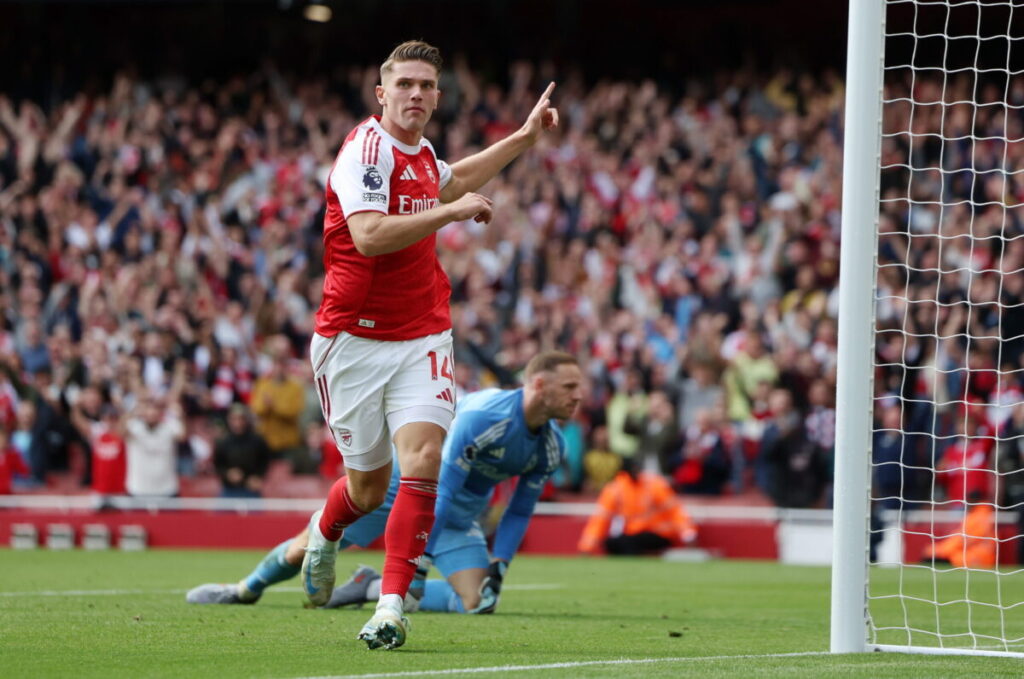
Viktor Gyökeres, az Arsenal játékosa gólt lõ az angol elsõ osztályú labdarúgó-bajnokság Arsenal-Nottingham Forest mérkõzésen Londonban 2025. szeptember 13-án. Az Arsenal 3-0-ra gyõzött.
MTI/EPA/Andy Rain
Arsenal recorded 19 clean sheets, which earned David Raya a third consecutive Golden Glove. Their 43+ goal difference was achieved more through defensive stinginess than all-out attack.
Arsenal’s per-game scoring rate of approximately 1.86 goals was only marginally higher than Leicester’s 1.79, proving that titles can still be won without necessarily leading the league in goals scored.
The Evolution of Title-Winning Attacks
The Premier League has become a higher-scoring competition over the past decade and a half. Manchester City’s dominance under Pep Guardiola dramatically raised the bar, with multiple seasons featuring 95–106 goals.
Liverpool’s 2019/20 and 2024/25 triumphs also relied on high-intensity, high-output football.
In this context, Arsenal’s 2025/26 campaign stands out as a refreshing reminder that balance and defensive excellence remain viable routes to glory.
Their success mirrors earlier title wins by Chelsea (2014/15) and Leicester (2015/16), showing that tactical discipline and squad cohesion can overcome more lavishly funded attacking machines when it matters most.
Arsenal are not the lowest-scoring Premier League champions since Leicester City, they are the second-lowest, falling just one goal short of that particular record.
Yet this near-miss only adds to the achievement.
In an era dominated by goal-laden spectacles and record-breaking attacks, Arsenal proved that a well-drilled, defensively resolute team can still conquer English football’s highest peak.
For the Arsenal faithful, this title represents validation after years of near misses and painful rebuilds.
For football purists, it reaffirms that championships are won on the training ground through structure and resilience as much as they are on the pitch through individual brilliance.
As the Premier League continues to evolve, Arsenal’s 2025/26 campaign will be remembered as a masterclass in modern defensive football and a worthy successor in spirit to Leicester’s miracle story.