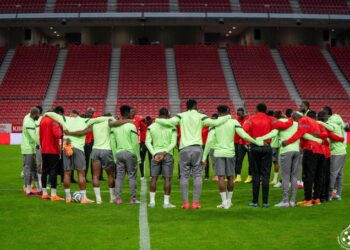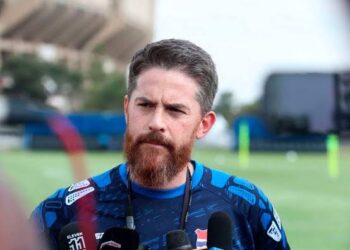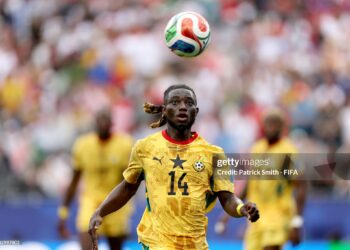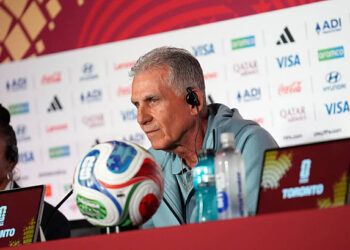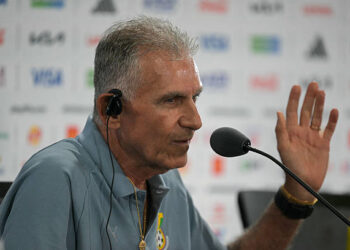


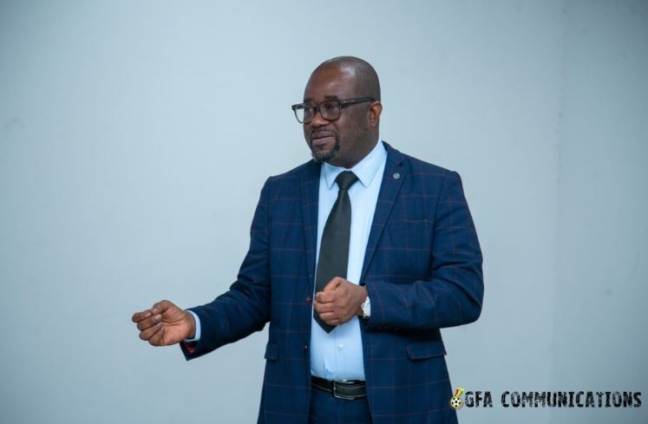
Ghana led The Gambia by two goals at the Accra Sports Stadium on Tuesday afternoon. Ernest Nuamah had put the Black Stars ahead, Felix Afena-Gyan had added a second from a free kick, and the crowd that Carlos Queiroz had insulted into showing up finally had something to cheer.
Then Ghana fell apart in front of them. Muhammed Badamosi scored from the spot, Omar Colley levelled before the break, and Ebrima Colley finished the job. Ghana lost 4-2, at home, to a side that had never met them in a competitive match before today.
Two qualifiers, no points, no shape, no answers. Last Thursday’s 2-0 loss in Bouaké to Côte d’Ivoire could be dressed up as a hard away fixture. Nothing dresses up Accra. A four-time African champion was taken apart on its own ground by a country of fewer than three million people, and the man who runs the association behind that team has not said a word worth hearing.
🎥 🇬🇭 “We have to dissolve the GFA. The Sports Minister also has to lose his job. Our football has to be rebuilt.”
— Effia MP Isaac Boamah Nyarko reacts to the Black Stars’ 4-2 defeat to The Gambia at the Accra Sports Stadium.#CitiSports pic.twitter.com/QkQy0dSsnY
— Citi Sports (@CitiSportsGHA) September 30, 2026
A Record that should shame everyone responsible
Ghana failed to qualify for the last Africa Cup of Nations. Before that came two group stage exits in a row. Going into Tuesday, the Black Stars had won once in eleven matches; it is now once in twelve. Otto Addo was sacked after five straight defeats, and the replacement has collected one win from six games before The Gambia arrived. Every one of these numbers was produced on this administration’s watch, and every one of them was met with the same shrug.
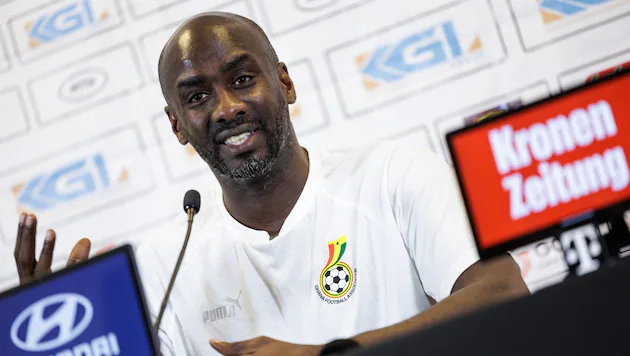
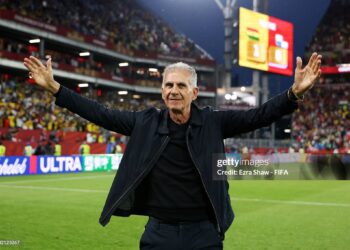
Queiroz will take his share of blame, and he has earned it, not least for standing in front of the press and declaring that the Black Stars are not a problem while the table says the opposite. But a coach is only ever the latest name on a long list.
Coaches are hired, coaches are fired, and the person who does the hiring and the firing walks away untouched every single time. That is not leadership. That is a man collecting the salary of a decision-maker without ever answering for a decision.
Seven years of drift
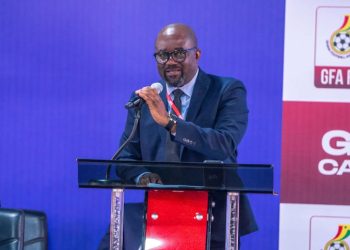
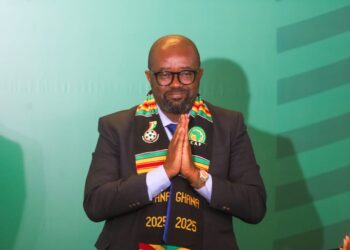
Kurt Okraku has had the best part of seven years. Seven years is enough to build a youth pipeline, to fix a league, to train coaches, to lay pitches a professional would not be embarrassed to play on. What has Ghana got instead?
A national team that lurches from one emergency appointment to the next, with a fresh start announced every time and nothing built underneath. Queiroz was brought in with a World Cup around the corner and told to make sense of a squad in a hurry. That is not a plan. It is panic with a press conference.
The coach has begged for investment in youth development, in coach education and in better pitches, and warned against putting all the eggs in one basket.
He has said the GFA must build trust and communication with its own players. Read that again. After nearly seven years, the head coach of the Black Stars is still asking the federation for pitches and basic communication.
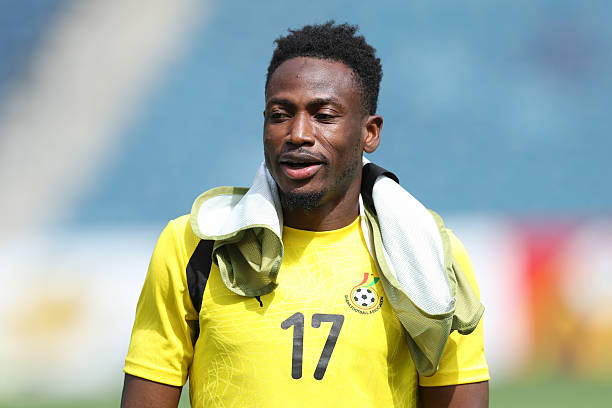
The squad tells the same story. Mohammed Kudus, Antoine Semenyo and Alexander Djiku were all missing against The Gambia, and Queiroz spoke of losing 23 injured players from his main list. Every country has injuries, but not every country has a coach telling supporters to stay home if they only came to complain about absent players. The anger in the stands did not create itself.
This administration manufactured it year after year, and now wants the people who pay for tickets to swallow it quietly.
Do not accept the World Cup excuse
They will wave the World Cup at you. Ghana qualified, and that credit belongs to the players who did it. The tournament itself ended with a 1-0 defeat to Colombia in the final match. One tournament ticket does not excuse a broken structure, and it does not undo a home loss to The Gambia.
Ghana keeps producing footballers at home and across Europe, and that supply of talent has been covering for administrative failure for years. Talent is not a strategy and this week the cover slipped, and what sat underneath was ugly.
Let the Government act, and accept the price
There is a quick way to end this, and it is uncomfortable. The government of President John Mahama, through Sports Minister Kofi Adams, should dissolve the current GFA leadership and install a caretaker body until a clean election can be held.
FIFA’s rules forbid government interference in football administration, and a suspension threat hangs over any move like this. Ghana knows that threat well. In 2018 the government moved to dissolve the association, FIFA warned of suspension over the liquidation petition, and that season’s league was lost but football survived. A FIFA normalisation process ran its course, and the elections that followed in October 2019 are the ones that put Kurt in office.
Nobody should pretend the cost is small. A suspension would shut Ghana’s teams out of international competition and hit players, clubs, and the women’s and youth sides who have done nothing wrong. That is the strongest argument against acting, and it deserves a straight answer.
The damage of leaving this leadership in place is already being paid, every window, in points, in tournaments missed and in supporters who have stopped believing. A short, painful reset beats another decade of slow decay. If FIFA insists on its statutes, Ghana should move quickly to a normalisation arrangement, as it has done before, instead of clinging to a leadership that cannot beat The Gambia at home.
So, ask the question the defenders of this administration never want asked. What do we gain by keeping it in office and then failing to qualify for the 2027 Africa Cup of Nations? Ghana has no points from two games; four matches remain and only two places are on offer.
Miss out, and the country would have stayed away from two continental tournaments in a row under the same leadership, having burned the very months in which the association could have been repaired. Someone will say a suspension could end the qualifying campaign. With this record, and this leadership, that campaign is already close to finished.

A ban is a cost that can be counted, negotiated and ended. Another failed qualifier is a cost that keeps compounding. If Ghana must pay a price, it should pay it now and use the time to put a coach, a plan and a proper structure in place.
Look at what has just happened in Nigeria. A month ago, the president of the Nigeria Football Federation, Ibrahim Gusau, resigned with the executive committee after the Super Eagles missed the 2026 World Cup and the Super Falcons failed to qualify for the 2027 Women’s World Cup. In Accra, after a missed Africa Cup of Nations, a second one in danger and a home defeat to The Gambia, nobody has resigned.
This is not a call to hand football to politicians. The caretaker body should be independent and made up of respected football people, with a clear deadline and three jobs: repair the league, fix the structures and run a clean election. The government’s role is to clear the way, then leave.
For President Mahama who in his last term the Constitution allows him, has a chance to leave something behind, and the Black Stars are the one team that brings Ghanaians together across every party line. Presidents are remembered for the risks they take as much as the roads they build. A president who dissolves the GFA, puts an independent body in charge and hands football back to the people through a clean election would be remembered for it long after these qualifiers are forgotten. A president who watches the decline and does nothing will own a share of it.
Kurt Okraku Must Go
Nobody is asking him to answer for one afternoon. The charge is the pattern: a missed Africa Cup of Nations, repeated early exits, a coaching carousel that never stops, a national team that cannot keep its best players available, and a president who has had every resource and every opportunity to fix it and has fixed nothing. In any serious football nation, an administration with this record would already be gone. Here it hangs on, insulated by the very structures it built to protect itself, and the game pays the price.
Ghana has four games left in a group that sends only two teams through, and the next window will bring the same excuses, the same promises and the same empty language about a new beginning. Supporters, clubs, players, former internationals and the media that cover this game every day should stop being polite. Resign, or be removed by a government with the nerve to accept the risk. Either way the association has to be handed to people who will build rather than react.
A national team is meant to carry a country’s pride. Right now it carries the weight of a leadership that ran out of answers a long time ago. Ghana football is on its knees, and Kurt Okraku is the man who put it there. He must go.
BY: JOSEPH OKAN-MENSAH KHARTEY ESQ; SPORTS ENTHUSIAST AND ASSOCIATE, AFRIMORE ADVISORS PRUC.