

In a decision that has rattled global football, the Confederation of African Football, CAF, has stripped Senegal of its 2025 Africa Cup of Nations title and awarded it to Morocco.
The ruling, delivered by CAF’s Appeal Board, overturns Senegal’s 1–0 extra-time win in the Rabat final, replacing it with a 3–0 forfeiture victory for Morocco.
The controversy traces back to what many now describe as one of the most chaotic finals in AFCON history.
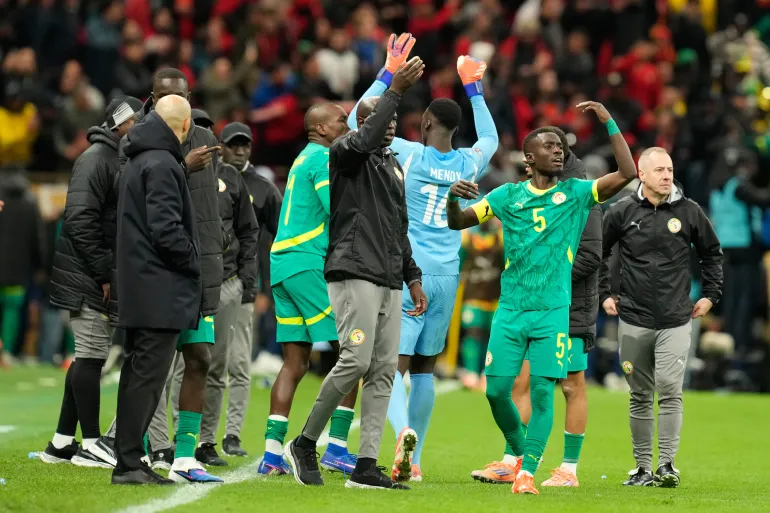
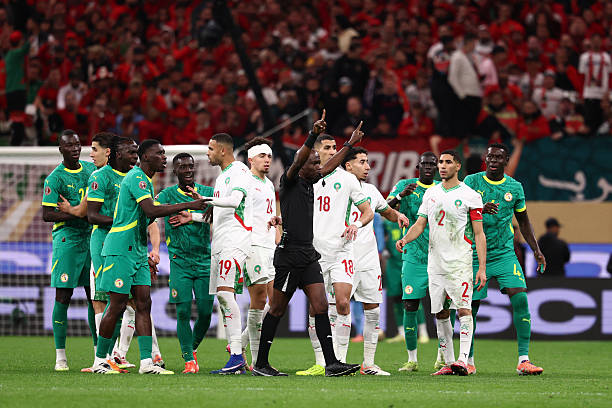
Deep into stoppage time, with the game still goalless, referee Jean Jacques Ndala awarded Morocco a penalty after a VAR review. The decision sparked outrage from the Senegal bench, prompting players to walk off the pitch in protest for about 15 minutes.
Although the team eventually returned, Morocco failed to convert the penalty, and Senegal went on to score in extra time to win the match. But by then, the incident had moved beyond the pitch.

CAF’s Appeal Board ruled that the walkout breached Articles 82 and 84 of the competition regulations, which address refusal to continue play.
In effect, Senegal had forfeited the match the moment they left the field.
What followed is rare at this level: a continental title revoked weeks after it had been celebrated.
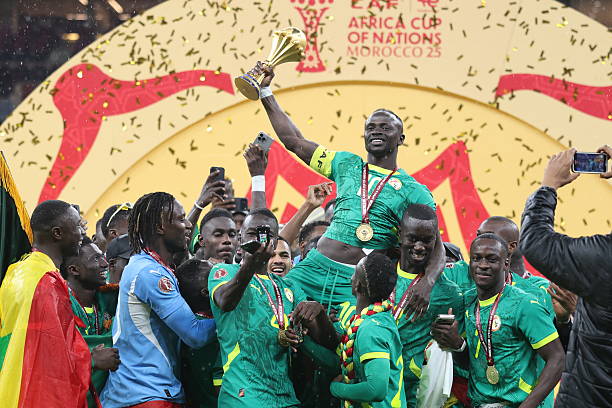
While CAF’s decision may rest on legal grounds, it raises serious questions about governance and consistency. The governing body had initially imposed fines and sanctions without altering the result. The reversal, following Morocco’s appeal, has drawn criticism over the integrity of decision-making in African football.
For many, it sets a troubling precedent, where administrative rulings can overturn results long after the final whistle. The optics are equally damaging: a champion crowned, then stripped.

Senegal’s football federation has called the ruling a travesty and a shame for Africa, and has taken the matter to the Court of Arbitration for Sport (CAS).
The issue now goes beyond rules to one of trust.
This episode also feeds into long-standing criticism of AFCON, particularly from European clubs such as Manchester United, Liverpool, and Crystal Palace, which have often questioned the tournament’s scheduling and organisation. Incidents like this only deepen that scepticism.
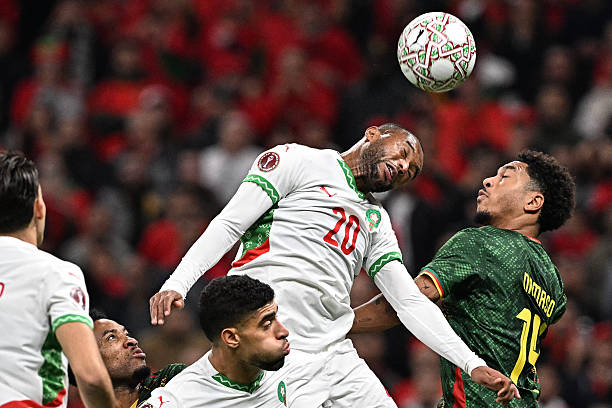
The final itself, marked by VAR disputes, player protests, and crowd trouble, had already attracted global scrutiny. The legal fallout has only reinforced concerns about structure and discipline within the competition.
Beyond CAF, the impact is wider. AFCON has long stood as a symbol of African pride and footballing identity. But this controversy risks overshadowing that image.
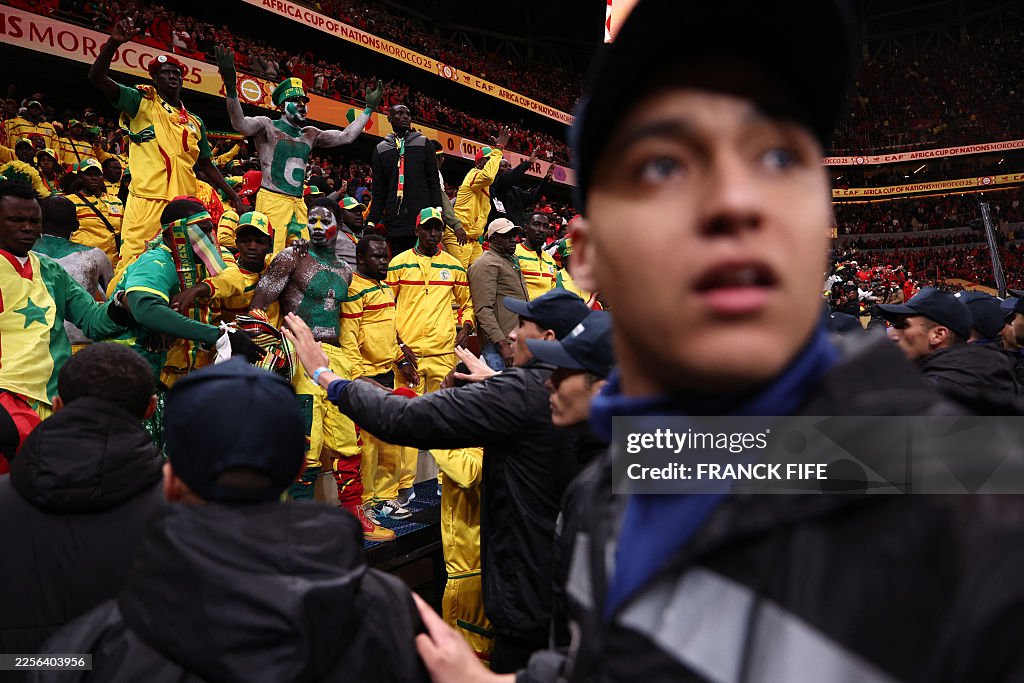
Instead of celebrating excellence, headlines are dominated by forfeits, appeals, and administrative reversals. Instead of unity, there is growing division among federations, fans, and stakeholders.
For a continent that continues to fight for respect and parity in global football, moments like this are costly.
Senegal’s appeal could yet change the outcome, but regardless of the final decision, the damage to credibility is already significant.
CAF now faces a defining moment, not just in defending its ruling but in restoring confidence in its processes.
Because in football, titles are meant to be decided on the pitch, not in boardrooms.