


The FIFA Council has approved landmark new regulations requiring all teams in women’s competitions to include female representation within their technical and medical staff.
The decision, ratified at a Council meeting on Thursday, March 19, will come into force immediately and be implemented across major tournaments this year, including the FIFA U-20 Women’s World Cup in Poland, the FIFA U-17 Women’s World Cup, and the FIFA Women’s Champions Cup. It will also apply to the 2027 FIFA Women’s World Cup in Brazil.
Under the new rules, every participating team must ensure that either the head coach or at least one assistant coach is female. In addition, at least one member of the medical staff must be female, while a minimum of two women must be included among officials seated on the team bench.

The regulation covers all FIFA women’s competitions at both youth and senior level, including national teams and club tournaments.
FIFA says the move is part of a broader effort to address the underrepresentation of women in coaching and leadership roles within the sport, despite the rapid global growth of the women’s game.
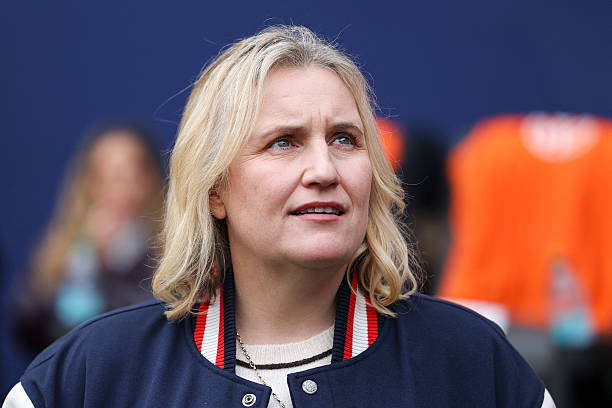
“There are simply not enough women in coaching today. We must do more to accelerate change by creating clearer pathways, expanding opportunities, and increasing the visibility for women on our sidelines,” said Jill Ellis.

The governing body noted that at the 2023 FIFA Women’s World Cup, only 12 of the 32 participating teams were led by female head coaches, underlining the gender imbalance at the highest level.
FIFA believes the introduction of mandatory female representation, alongside existing development initiatives, will help create sustainable pathways for women in coaching. These include mentorship programmes, education scholarships, and targeted training opportunities aimed at increasing the number of qualified female coaches globally.

Since 2021, FIFA has supported 795 female coaches across 73 member associations through its scholarship programme, helping them access advanced coaching qualifications and professional opportunities.
Additional investment has also been directed through legacy initiatives linked to the FIFA Women’s Champions Cup, including scholarships for women to obtain top-level coaching licences.
The organisation has further expanded its Elite Performance: Coach Mentorship Programme, pairing experienced high-performance coaches with emerging female coaches worldwide, while also introducing a Female Coach Educators’ Development Pathway to strengthen the global network of instructors.

FIFA says the combined approach linking regulatory changes with sustained investment forms part of its long-term strategy to ensure that the continued growth of women’s football is matched by increased female representation in leadership roles.