


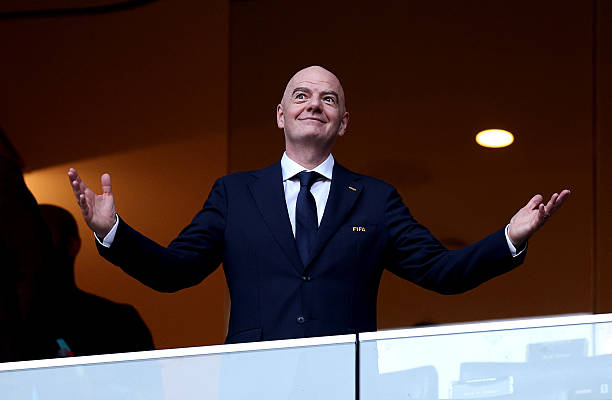
FIFA president Gianni Infantino says football’s governing body will consider expanding the men’s World Cup to 64 teams after the 2026 tournament, saying more countries should have the chance to compete on football’s biggest stage.
Speaking to Swiss media outlet Bluewin, Infantino said the proposal would be discussed by FIFA’s decision-making bodies.
“It is definitely an issue that will be examined and discussed in the relevant committees after this World Cup.”
The proposal would apply to the 2030 World Cup, which will be hosted by Spain, Portugal and Morocco, with Uruguay, Argentina and Paraguay each staging one opening match to mark the centenary of the inaugural tournament in 1930.
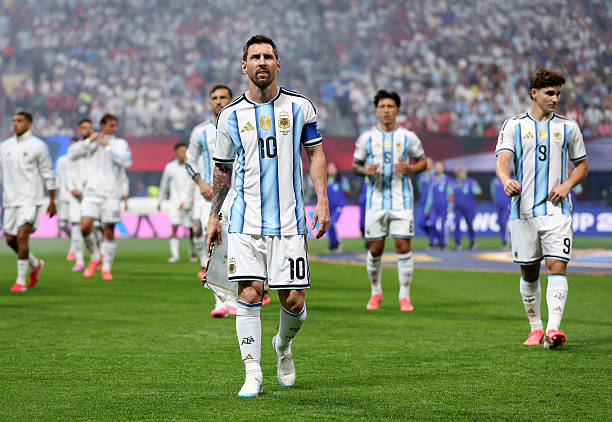
The 2026 World Cup in the United States, Canada and Mexico is already the first to feature 48 teams, up from the 32-team format used between 1998 and 2022. Expanding to 64 teams would add another 16 nations.
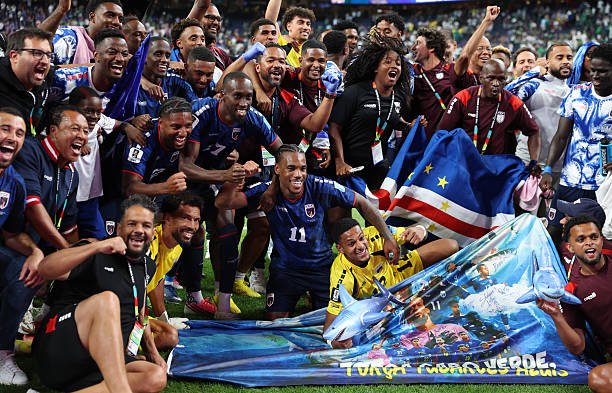
Infantino said the World Cup should reflect football’s global growth rather than remain centred on its traditional powers.
“The World Cup is for the whole world, not just Europe and South America. Every nation should be allowed to dream of participating in the World Cup. You can see that the quality of the teams is extremely high, and it’s getting higher and higher, all over the world. If you don’t give smaller countries a chance to participate in the World Cup, they’ll lack the incentive to keep improving,” he said.
The idea was first raised by South America’s governing body, CONMEBOL, during the 76th FIFA Congress, which was held in April 2026 in Canada. Its president, Alejandro Domínguez, argued that the centenary edition should include more teams than ever before.
“We are convinced that the centennial celebration will be unique because 100 years are celebrated only once,” Domínguez said, adding that the expansion would allow “all countries to have the opportunity to experience a World Cup and so no one on the planet is left out of the party.”
The proposal has divided opinion. Supporters say a larger tournament would increase global participation and help develop the game in emerging football nations. Critics argue that expanding from 48 to 64 teams could reduce the overall quality of the competition and add further pressure to an already crowded international calendar. Any expansion would need FIFA approval before it could be introduced for the 2030 World Cup.