


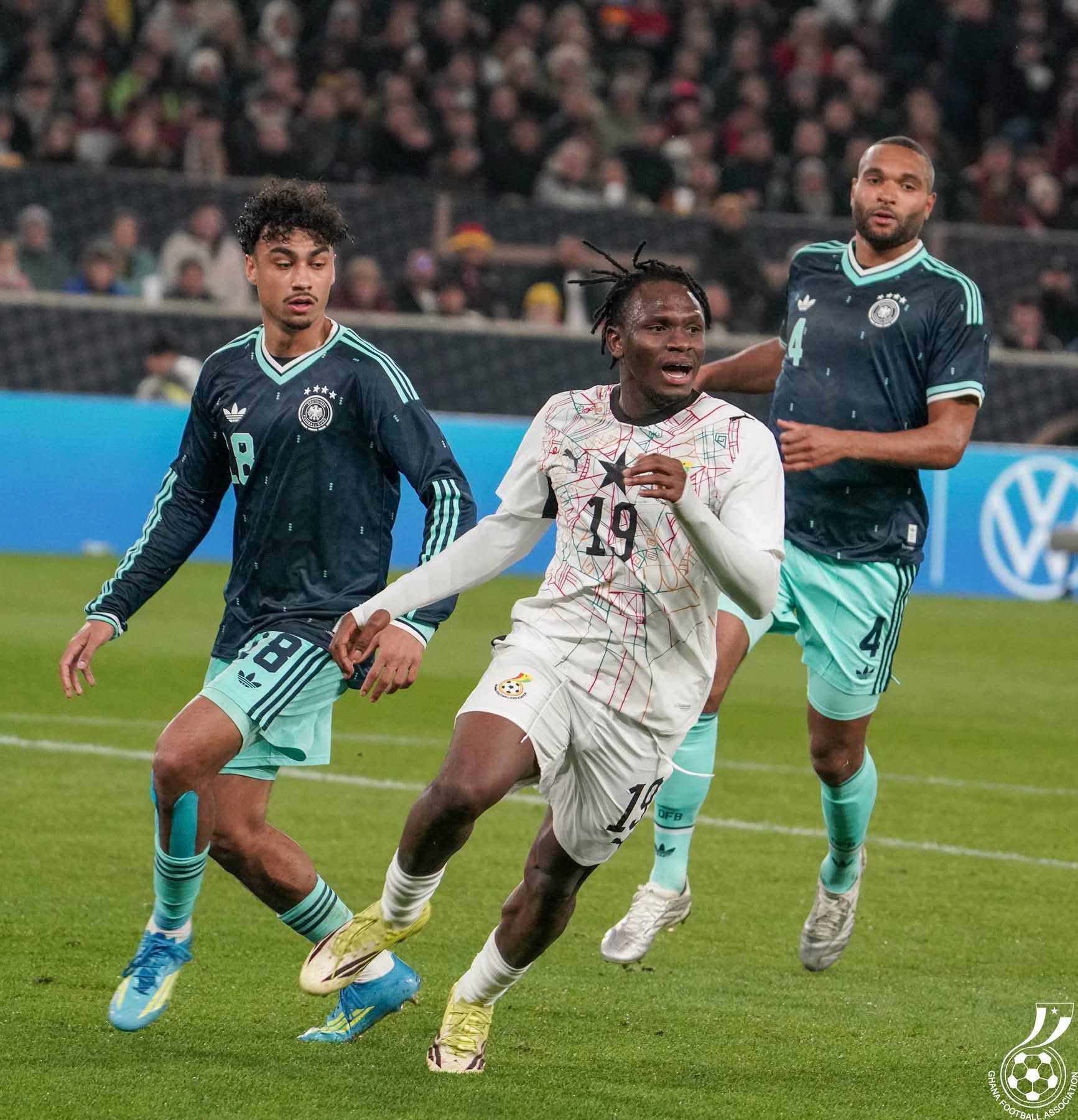
Ghana’s preparations for the 2026 FIFA World Cup ended on a worrying note in Stuttgart, where the Black Stars fell 2–1 to Germany in their second international friendly, a result that exposed both progress and persistent flaws following the humiliating 5–1 defeat to Austria.
At the MHP Arena, Germany dominated large spells of the contest, finishing with 68.9% possession, 23 shots to Ghana’s 6, and 6 shots on target compared to Ghana’s 1.
Despite the imbalance, Ghana showed more defensive organisation than in the Austria defeat, where they were repeatedly cut open.

Germany actions
The hosts took the lead just before halftime when Kai Havertz converted from the penalty spot after a handball by Jonas Adjetey, marking the second consecutive game in which the defender conceded a penalty, having done so as well in the heavy loss to Austria in Vienna on March 27, 2026.
Ghana responded in the second half with improved intent. Substitute Abdul Fatawu Issahaku brought the Black Stars level in the 70th minute, finishing off a well-worked move assisted by Derrick Köhn. The goal reflected a more compact and purposeful attacking display compared to the disjointed showing against Austria, where Ghana struggled to create meaningful chances.
Ghana Response
Individually, there were signs of improvement. Ghana’s goalkeeper Benjamin Asare was forced into four saves, highlighting a more resilient defensive effort under pressure. Fatawu’s impact off the bench offered attacking promise, while the midfield showed better shape compared to the Austria game, where Ghana conceded five goals and lost control early.
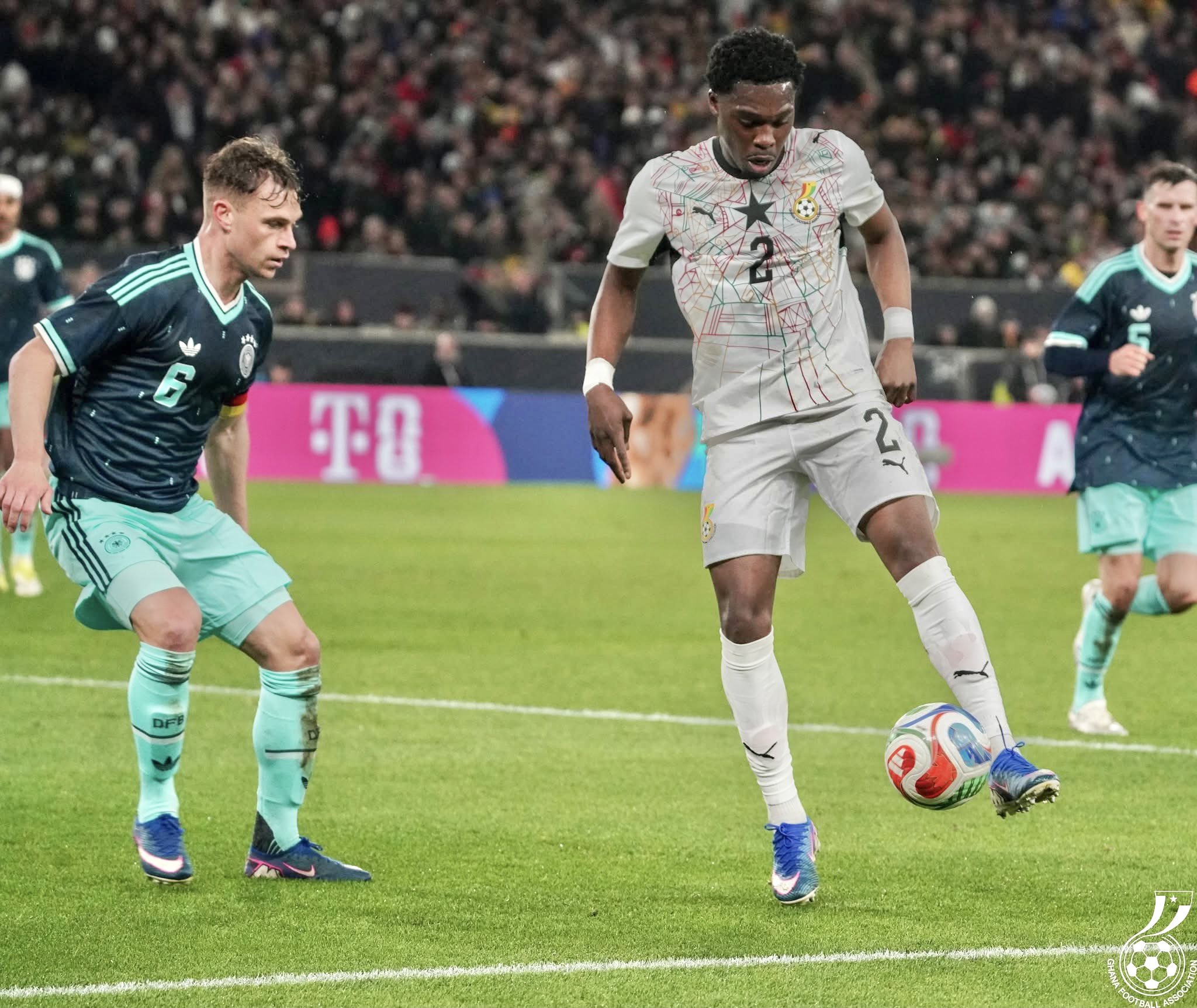
Ghana’s issues
Yet, the recurring defensive lapses remain a major concern. Conceding two penalties in back-to-back friendlies, both involving Adjetey, points to a lack of composure at the back. Combined with the 29% possession against Germany, it suggests Ghana still struggles to control games against elite opposition.
The contrast between the two friendlies tells a mixed story. While the defeat to Austria exposed structural weaknesses, the narrower loss to Germany showed some tactical response, improved organisation, and flashes of attacking quality. Still, the inability to manage key moments, especially late in games, continues to cost the Black Stars.
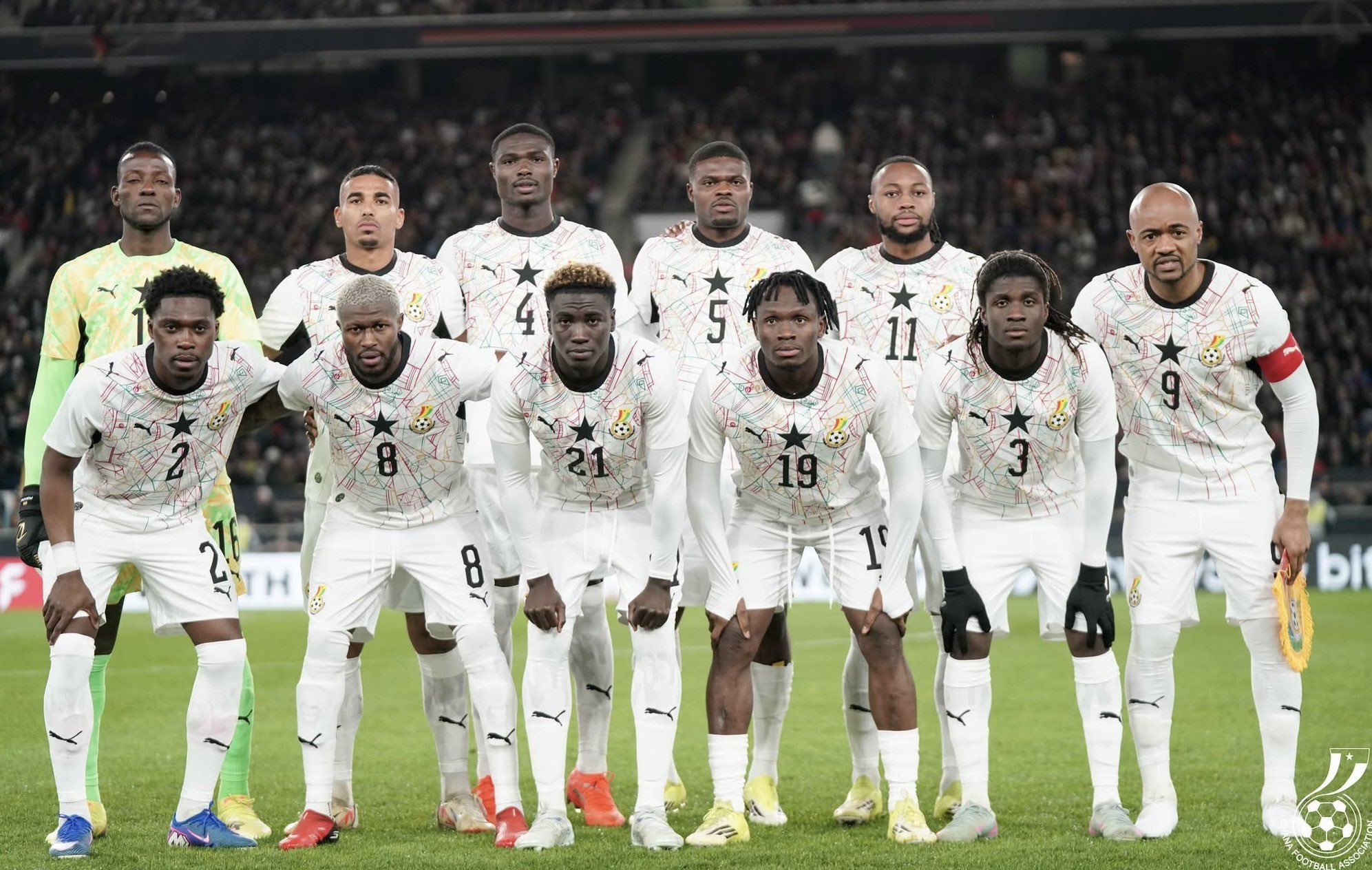
Heading into a World Cup group that includes England, Croatia, and Panama, the Black Stars face a clear reality. Marginal improvements will not be enough.
Defensive discipline, game management, and composure under pressure must improve quickly, or Ghana risks being punished again on the biggest stage.