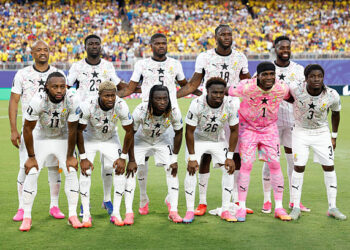


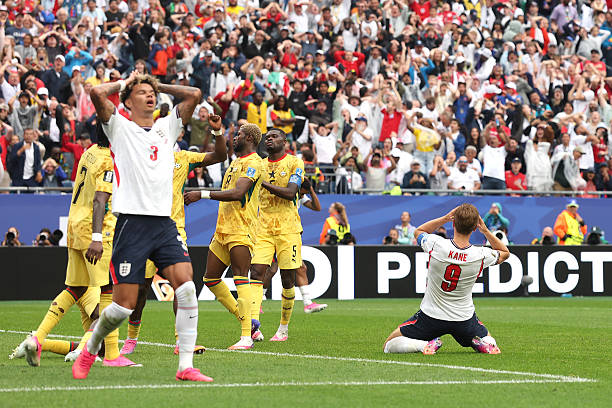
As a lead psychologist teaching sports psychology in Ghana’s Premiere University, University of Ghana, I was intrigued with the psychological strength, mental fortitude, composure and resilience of the Ghana Blackstars in their game against England in today’s clash.
A psychological interpretation of the Ghana–England draw goes beyond football. It speaks to how mindset, collective efficacy, resilience, and group identity can influence performance even when resources – by way of elite players and clubs they play for – appear unequal.
In this feature article, I share five key psychological reflections worthy of noting in The Ghana-England game.
The Psychology of the Ghana–England Draw
On paper, England may have been viewed as the stronger side, with greater international exposure, deeper resources, and a richer football pedigree. Yet Ghana’s performance reminds us of a fundamental principle in psychology – “People and teams do not perform solely based on what they have; they perform based on what they believe they can achieve together”.
- Collective Efficacy: The Power of “We Can Do It”
Senior Psychologist, Albert Bandura introduced the concept of collective efficacy, that is ‘a group’s shared belief in its ability to accomplish goals’. Ghana’s performance demonstrated that when individuals trust one another and believe in the team’s capabilities, they can compete effectively against opponents perceived to be stronger.
Corporate-level research in organizations suggest that departments or units with high collective efficacy often outperform better-resourced teams that lack team cohesion.
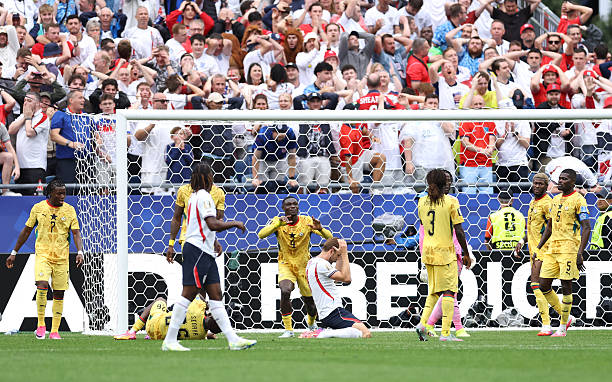
Thomas Tuchel, England Manager, may not have underestimated Ghana as the media, the players, and ‘street and lay coaches’ of England may have done.
The England Manager played full force of his team, brought his strongest bench of multiple attaching players namely O’Reilly, Saka, Eze, Rogers and Rashford, tall and stalwart enough with the strategy to head long balls after their substitution in the dying minutes.
The concept of ‘Underdog Effect’ may have played in strongly with today’s match.
Being underestimated can become a source of motivation. Underdogs often experience Greater determination, Stronger focus, Higher persistence, Increased willingness to sacrifice for their group or team.
The real push will be to reason that when expectations are low, individuals often become more committed to proving what is possible rather than protecting what is expected. The Ghanaian players did exactly that and got the job done.
- Social Identity and a Sense of Pride
I am aligned with my colleague psychologist, Henri Tajfel, who suggested that people, in this case national teams, derive confidence and motivation from belonging to valued groups (in-group as against out-group).
The Blackstars of Ghana were not merely representing themselves; they were representing their community, families, and country Ghana.
This shared identity creates emotional energy, commitment, and resilience, especially during challenging moments such as media rated England. Many Organizational psychology research has confirmed the fact that employees often perform better when they strongly identify with their organization, its mission and strategic compass. The Ghana Blackstars were energized by their sense of identity and pride.
- Psychological Resilience Under Pressure
Every single match presents setbacks, uncertainty, and pressure. Resilience is the ability to adapt, recover, and continue pursuing objectives despite obstacles or disadvantages.
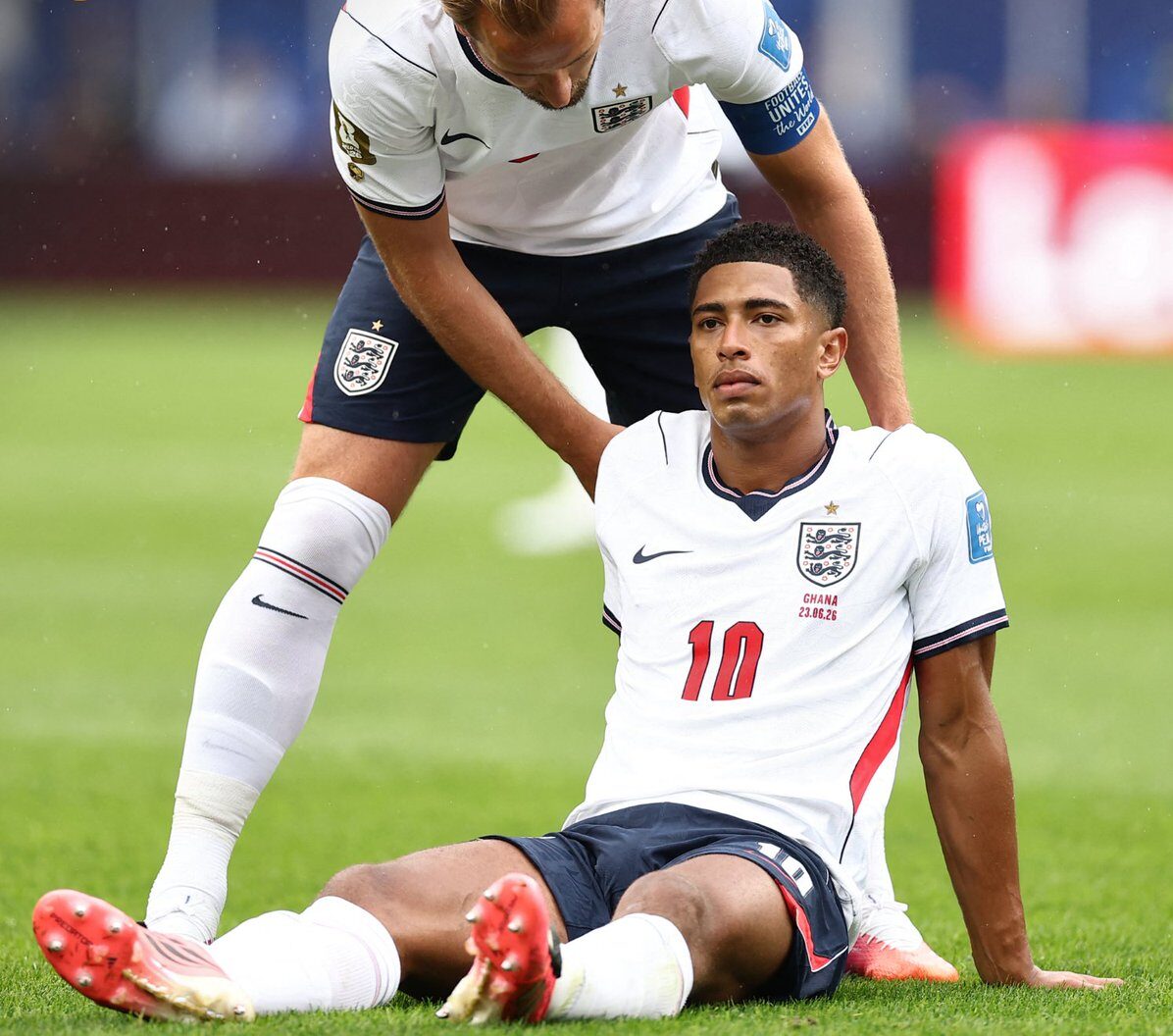
The draw in the Ghana-England game demonstrates that success is not always about avoiding difficulties but about responding effectively when difficulties arise. The same principle applies to projects, careers, and personal life. A valuable lesson for all readers.
- Team Cohesion Over Individual Talent (over-hyped talents’?)
Research in organizational psychology consistently shows that teams with strong cohesion, trust, communication, and role clarity frequently outperform teams made up of highly talented individuals working in isolation. Many elite and humble athletes have reminded us that in sports, ‘Talent normally wins moments but teamwork wins outcomes’.
The Blackstars demonstrated cohesiveness as against touting individual talents. From Semenyo to the Captain, Jordan Ayew, they defended together and attached together.
- Growth Mindset: Challenging Assumptions
The result challenges fixed assumptions about capability. I agree with psychologist Carol Dweck when he argued that performance is often influenced by a growth mindset, an apt belief that abilities can be developed through effort, learning, and persistence.
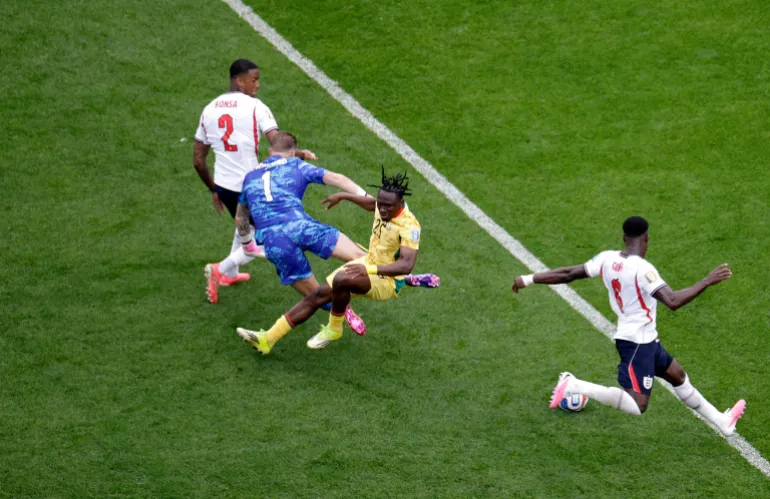
Our strength versus life challenges may be synonymous to Ghana versus England in the 2026 Worldcup, but the lesson is clear: ‘never confuse current status with future potential’.
Psychological Takeaway
The Ghana–England draw illustrates that confidence, teamwork, resilience, shared identity, and collective belief can narrow gaps that appear significant on paper.
In life, organizations, and communities, people often focus on their limitations especially, when there is a lack of resources, status, influence, or experience. All readers are urged to appreciate that while these factors matter, they do not determine outcomes alone.
When teams unite around a common purpose, trust one another, and maintain belief in their collective ability, they often achieve results that exceed expectations.
Just as Ghana demonstrated on the pitch, sometimes the greatest advantage is not what a team possesses, but what a team believes. Indeed, the score was level but the lessons of Ghana-England draw has been priceless. Indeed, resources, reputation or past achievements do note solely ensures success. I there conclude by saying that collective belief, teamwork, resilience, and shared purpose certainly can bridge seemingly impossible gaps.
In my next reflection, I shall connect the dots between progressive win or draw in this tournament and the wellbeing of fans.
Prof Collins Badu Agyemang (Prof ABC)
Organizational and Sports Psychology Lecturer
Department of Psychology, University of Ghana, Legon