



MTN FA Cup chairman Wilson Arthur says the growing commercial pressures in Ghana football have forced most GPL clubs into operating primarily as player-selling institutions rather than long-term competitive projects.
Arthur believes the shift in focus has contributed to some of the challenges facing domestic football, with clubs increasingly prioritising the development and quick sale of players in order to survive financially.
Speaking on the Citi Breakfast Show with Bernard Avle, Arthur explained that the economic realities of running football clubs in Ghana have changed significantly compared with previous generations.
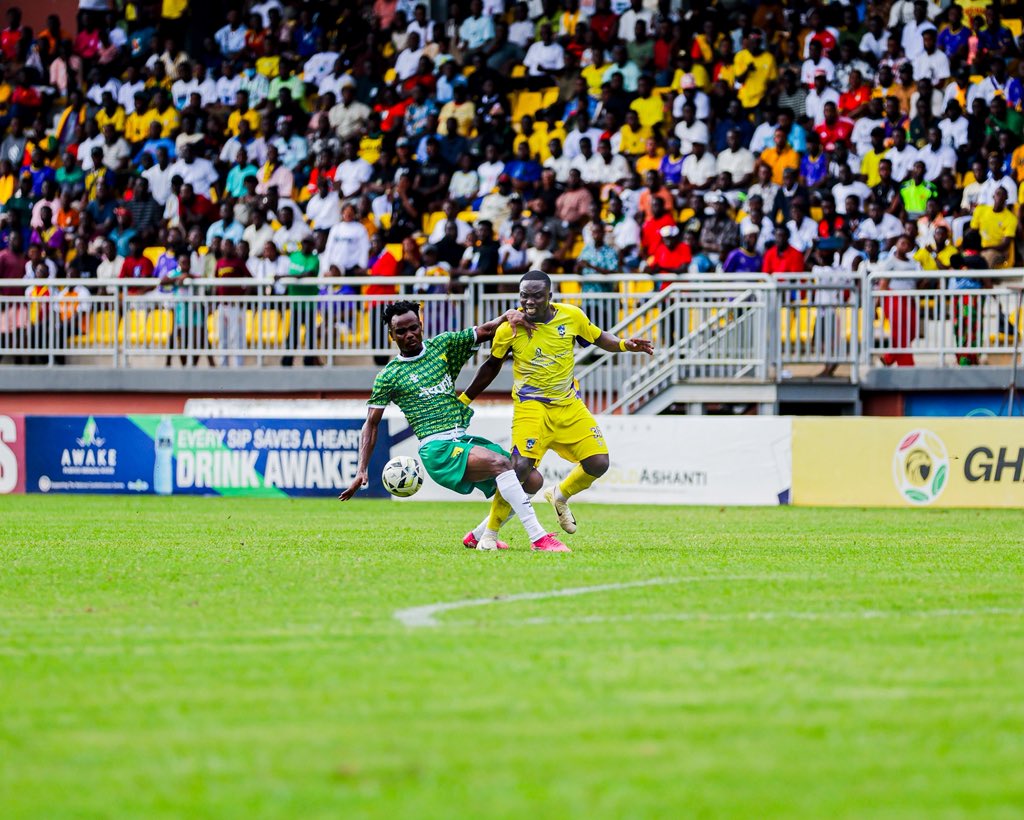
“Lately, it is commercial, very commercial, extremely expensive to manage. So what has happened is that the clubs have a different structure now. Almost all the clubs are breeding players for sale,” he said.
“And that is why Ghana football is also suffering. Almost every club, the model is train players, sell them as fast as you can, and look for replacements.”
Arthur’s comments come at a time when player turnover within the Ghana Premier League remains among the defining characteristics of the domestic game.

Recent data compiled from Transfermarkt’s Ghana Premier League records suggest that clubs collectively record between 200 and 250 player departures during a typical full season. Across recent campaigns, an 18-team league season has averaged approximately 256 outgoing transfers and 207 arrivals.
The figures reflect the highly transitional nature of football in Ghana, where clubs often rely on transfer income as one of their main sources of financial sustainability.
Arthur indicated that unless clubs receive stronger financial backing, the cycle of rapidly developing and selling players is unlikely to change.
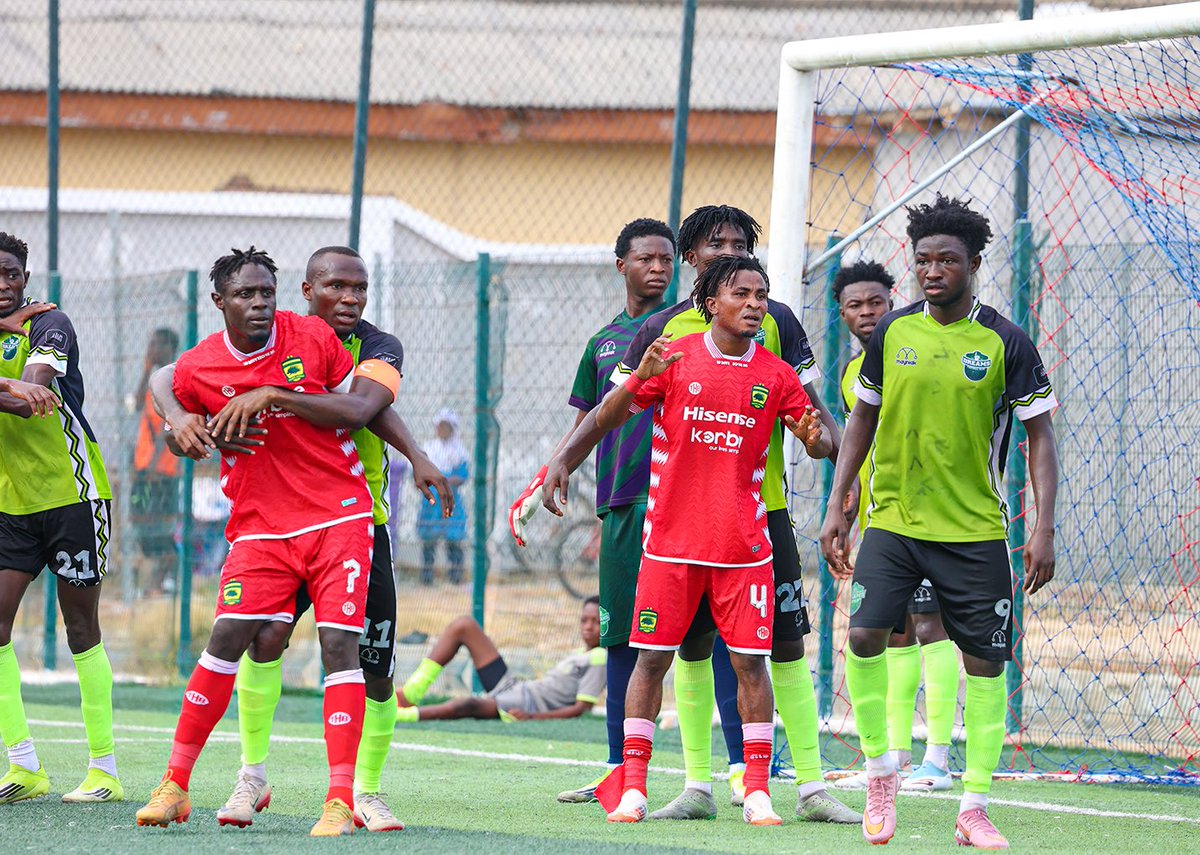
“The challenge is, if the model has changed, it requires serious funding,” he added.
The issue has long been debated within Ghana football circles, with critics arguing that constant player turnover weakens club identity, reduces league quality and makes it difficult for teams to build stable, competitive squads over several seasons.
Supporters and analysts have also pointed to the impact on fan engagement, as talented players frequently leave clubs before supporters can fully connect with them or before teams can establish continuity on the pitch.
At the same time, many clubs view player transfers as essential to survival amid rising operational costs, including player salaries, travel expenses and infrastructure demands.
With only two games remaining in the current Ghana Premier League season, Arthur suggested the situation could become an important discussion point in wider conversations about the future direction and possible rebranding of the league.
His remarks are likely to reignite debate over how Ghana football can balance financial survival with the need to improve competitiveness and long-term development within the domestic game.